TLDR
• Core Points: A new Smashing Book, Accessible UX Research by Michele Williams, explores inclusive UX research, assistive tech, and integrating accessibility across the design process, regardless of budget or timeline.
• Main Content: The book emphasizes practical methods to conduct inclusive UX research and to embed accessibility considerations throughout product development.
• Key Insights: Understanding disability types, assistive technologies, and inclusive research practices enhances usability for all users.
• Considerations: Accessibility work should be integrated from the start and adapted to diverse project constraints.
• Recommended Actions: Follow the book’s guidance to plan inclusive studies, evaluate assistive tech, and iterate designs for broader accessibility.
Content Overview
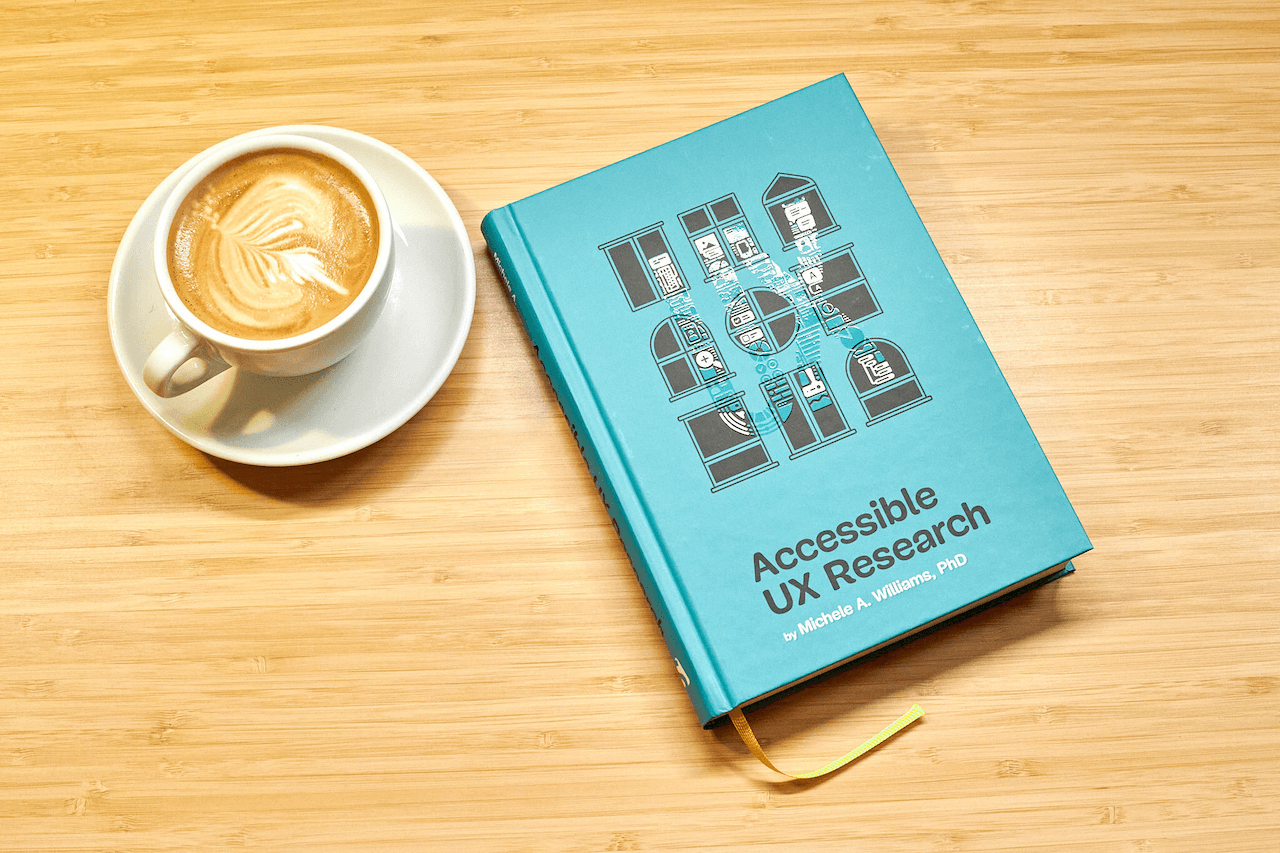
Accessible UX Research is Smashing Magazine’s latest contribution to practical design scholarship, authored by Michele Williams. The book arrives as a timely resource for designers, researchers, product teams, and developers seeking to elevate the inclusivity of their user research processes. It approaches accessibility not as a final checklist but as a continuous, integral dimension of UX work—one that informs every phase of the design cycle from discovery to validation.
At its core, the book aims to demystify accessibility by offering concrete strategies for incorporating diverse user needs into qualitative and quantitative research methods. Readers will find guidance on selecting participants, framing study questions, and selecting research modalities that account for cognitive, motor, visual, and auditory differences. The author also dedicates attention to assistive technologies and how they shape user experiences, ensuring that findings reflect real-world interaction patterns for people who rely on these tools.
A key takeaway is the idea that inclusive UX research is compatible with a wide range of project budgets and timelines. The book presents scalable approaches, from lightweight quick-turn studies to more extended, rigorous inquiries, while maintaining a commitment to accessibility throughout. By foregrounding disability-awareness and the capabilities of assistive devices, Accessible UX Research helps teams identify barriers early and design solutions that are usable by a broader audience.
This publication arrives at a moment when accessibility standards and inclusive design practices are increasingly demanded by users, regulators, and industry benchmarks. Michele Williams draws on practical case studies, hands-on techniques, and checklists to support teams in translating principles of accessibility into actionable research plans and design decisions. Readers can expect to gain a deeper understanding of how to plan effective inclusive studies, how to evaluate accessibility implications of research findings, and how to embed accessibility into the design process from ideation through iteration.
Content is structured to serve both newcomers to accessibility and practitioners seeking to deepen their expertise. It emphasizes a holistic view: accessibility is not a single feature but a set of practices that influence how research is conducted, how insights are gathered, and how products are developed. The book also highlights how inclusive research benefits all users, not just those with disabilities, by revealing diverse interaction patterns, preferences, and contexts that might otherwise be overlooked.
Accessible UX Research is available for worldwide shipping, making its guidance accessible to global teams and individuals seeking to modernize their research methods with an inclusivity-first mindset. The publication aligns with Smashing Magazine’s broader mission to provide practical, evidence-based resources for designers and developers.
In-Depth Analysis
Accessible UX Research offers a comprehensive framework for conducting user research that centers accessibility as a core design value rather than an afterthought. Williams breaks the process down into clearly delineated stages, each accompanied by actionable recommendations, templates, and reflection prompts designed to help teams implement inclusive practices with tangible outcomes.
One of the book’s central arguments is that disability awareness should be embedded in every research decision. This begins with participant recruitment: rather than defaulting to typical user archetypes, teams are encouraged to seek a wider range of users whose experiences may reveal unique barriers and workarounds. Chapter-by-chapter, the book provides strategies for recruiting participants with diverse accessibility needs, including considerations for consent, comfort, and accessibility of the research environment itself.
The discussion of assistive technology is particularly practical. Williams maps common assistive devices and software—such as screen readers, voice recognition, alternative input methods, magnification tools, and captioning systems—to real-world UX scenarios. By illustrating how these tools alter navigation, content consumption, and interaction flows, the book helps researchers recognize where standard evaluation methods might fail to capture genuine user behavior. The goal is to translate observations into design decisions that accommodate assistive tech without compromising overall usability.
A notable aspect of Accessible UX Research is its treatment of budgets and timelines. The author argues that accessibility is not synonymous with high cost or lengthy schedules. Instead, it requires intentional planning, prioritization, and scalable methods. For example, a lightweight, iterative approach focusing on one or two critical accessibility scenarios early in a project can yield meaningful improvements without derailing timelines. For longer projects, the book suggests phased assessments that progressively broaden the scope of accessibility concerns as constraints permit.
The book does not claim to provide a universal recipe; rather, it offers a toolkit tailored to diverse product contexts. Tools include checklists for accessibility-focused study planning, templates for interview and usability session guides that account for accessibility needs, and methods for analyzing data through an accessibility lens. Williams also discusses how to interpret findings in a way that informs design decisions—translating qualitative insights about barriers into concrete design changes, and translating quantitative data into measurable accessibility outcomes.
Ethical considerations are woven throughout. Participants’ autonomy, privacy, and comfort are emphasized, with guidance on minimizing fatigue and ensuring that research sessions do not impose unnecessary cognitive or physical strain. The author acknowledges that accessibility research can present unique challenges—such as accommodating users with multiple disabilities or those who rely on indirect communication methods—and provides strategies to handle these complexities with empathy and rigor.
The book’s case studies illustrate a range of domains, including web and mobile interfaces, enterprise software, and consumer products. Across these examples, the emphasis remains consistent: accessibility should influence the research questions asked, the methods selected, the analysis conducted, and the resulting design decisions. This holistic approach fosters a feedback loop that continuously surfaces inclusive improvements throughout development cycles.
Finally, Accessible UX Research places accessibility within the broader ecosystem of user experience work. It connects research practices with design systems, content strategy, and product management, arguing that a cross-disciplinary commitment is essential for sustainable accessibility. By engaging stakeholders early and maintaining open channels for iteration, teams can cultivate a culture where inclusive research and inclusive design reinforce one another.

*圖片來源:Unsplash*
Perspectives and Impact
Accessible UX Research holds significance for multiple audiences. For researchers and designers, the book serves as a practical manual for integrating accessibility into every stage of the UX lifecycle. Its structured guidance helps teams move beyond one-off accessibility audits toward a sustained, process-oriented approach that consistently considers diverse user needs.
Product leaders and project managers may find value in the book’s emphasis on scalable accessibility strategies. By presenting a spectrum of approaches—from quick wins to longer-term initiatives—it equips leadership to allocate resources, set realistic timelines, and establish measurable accessibility goals aligned with user impact.
Developers benefit from explicit considerations of how accessibility requirements translate into technical implementation. The connection between assistive technologies and design decisions highlighted in the book can inform front-end development practices, content semantics, and component behavior, contributing to more robust and inclusive products.
For the accessibility community, the publication reinforces a growing emphasis on inclusivity as a core competency rather than a compliance exercise. It encourages ongoing dialogue between researchers, designers, developers, and users with disabilities, fostering collaboration that can drive innovation and improve experiences for everyone.
In terms of future implications, Accessible UX Research could influence how teams structure their research pipelines, how benchmarks are defined for accessibility, and how organizations measure the impact of inclusive design on user satisfaction and business metrics. As accessibility standards evolve and technologies advance, the book’s framework may be extended to cover emerging modalities, such as multimodal interfaces, adaptive experiences, and ambient computing, ensuring that inclusive research remains relevant in changing contexts.
Educationally, the book can supplement university curricula and professional training programs by providing concrete examples and adaptable templates. Its emphasis on practical application makes it suitable as a reference for ongoing professional development, as well as a foundational text for courses that explore inclusive design and user research methods.
Overall, Accessible UX Research has the potential to shift how teams conceptualize and execute UX research. By foregrounding accessibility as a core competency and offering actionable guidance, the book aims to equip practitioners with the tools to produce more inclusive, more thorough, and more impactful user experiences.
Key Takeaways
Main Points:
– Accessibility should be embedded across all phases of UX research, not treated as a later add-on.
– Understanding disability types and assistive technologies informs more accurate user insights.
– Inclusive research methods can be scalable, adaptable to various budgets and timelines.
– Practical tools, templates, and case studies help translate accessibility principles into design decisions.
– A cross-disciplinary, collaborative approach enhances the effectiveness and sustainability of inclusive UX.
Areas of Concern:
– Implementing inclusive practices requires organizational buy-in; lack of leadership support can impede progress.
– Balancing accessibility with other product constraints (e.g., time-to-market, performance) may present trade-offs.
– Recruiting a truly diverse participant pool can be challenging in practice.
Summary and Recommendations
Accessible UX Research by Michele Williams is a timely and practical resource that equips design and research teams with a disciplined approach to inclusive UX. The book argues convincingly that accessibility is not an obstacle to be addressed after design decisions are made but a core dimension that should inform research questions, participant selection, data collection, and interpretation from the outset. By mapping out a range of methods and tools tailored to different project constraints, it provides a scalable path for teams to adopt inclusive practices without sacrificing efficiency or quality.
Practically, teams should start by incorporating accessibility into their research planning processes. This includes drafting research questions that explicitly surface potential barriers for users with disabilities, selecting study methods that accommodate diverse needs, and ensuring that sessions are accessible in terms of environment, materials, and technology. Integrating assistive technologies into testing and analysis will yield richer, more accurate insights and help prevent the inadvertent exclusion of important user groups.
The book also emphasizes the value of ongoing collaboration across disciplines. Engaging product managers, developers, content strategists, and accessibility specialists early and maintaining a feedback loop can foster a culture that continuously improves accessibility across the product lifecycle. By treating accessibility as a shared responsibility and a driver of innovation, organizations can deliver experiences that are usable, equitable, and satisfying for a broad spectrum of users.
For practitioners seeking to elevate their practice, the recommended actions include adopting the book’s templates and checklists, piloting inclusive research with a focused scope to demonstrate value, and gradually expanding coverage as constraints permit. Since outcomes are shaped by context, it is important to adapt these strategies to fit organizational workflows, technology stacks, and user populations. The overarching goal is to create research-driven designs that minimize barriers and maximize usability for all users.
In conclusion, Accessible UX Research aligns with a growing commitment in the design and tech communities to deliver accessible, human-centered products. It provides a structured yet flexible blueprint for integrating inclusive practices into research—and, by extension, into the products themselves. As teams increasingly recognize that accessibility benefits everyone, this book stands as a valuable companion for those who aim to design better, more inclusive digital experiences.
References
- Original: https://smashingmagazine.com/2026/03/accessible-ux-research-release/
- Additional references:
- World Wide Web Consortium (W3C) Accessibility Guidelines (WCAG) overview
- Nielsen Norman Group articles on inclusive research methods
- Articles on the role of assistive technology in UX design

*圖片來源:Unsplash*