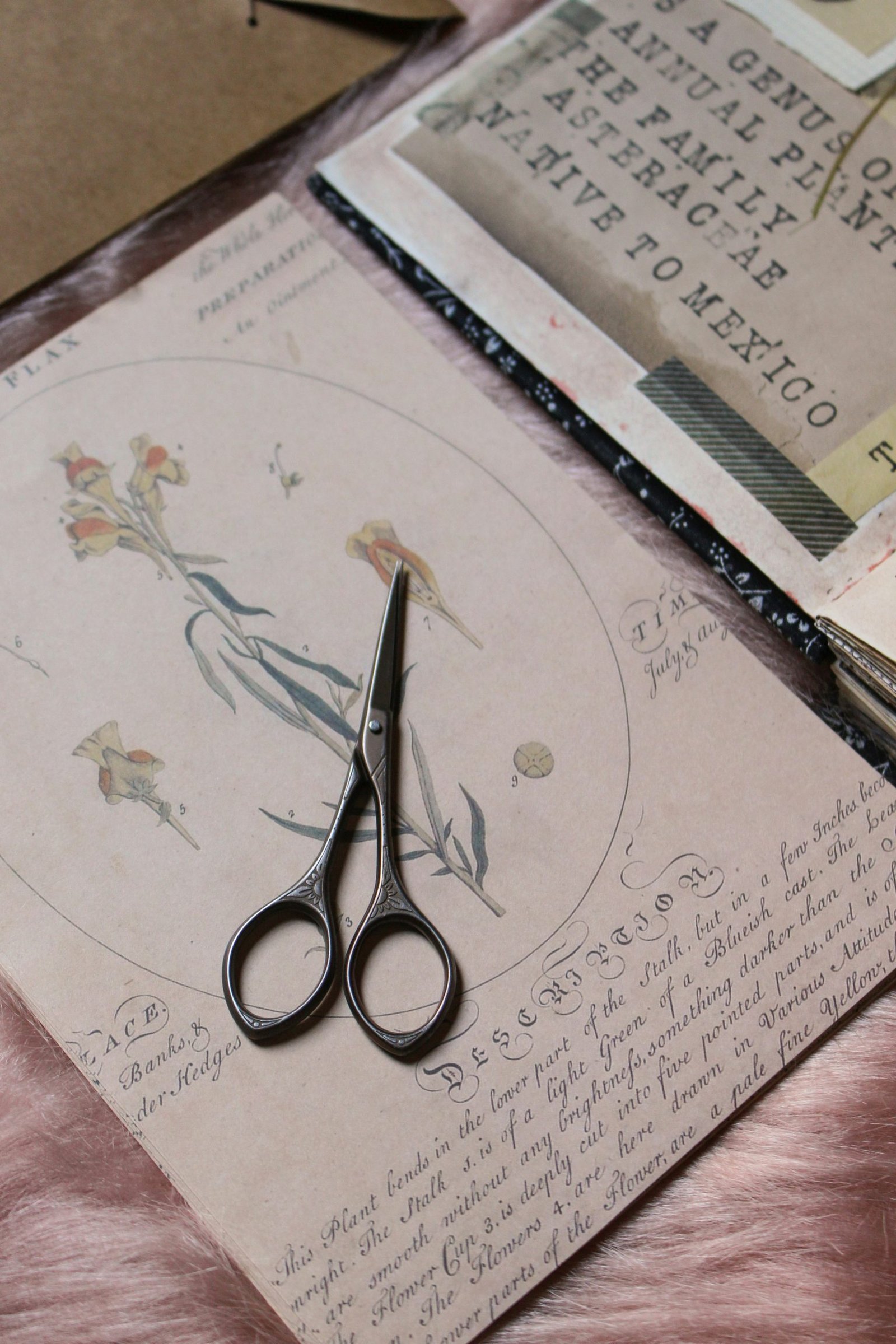
TLDR
• Core Points: Art journaling merges creative expression with personal reflection through mixed-media pages, affordable supplies, and practical techniques suitable for beginners.
• Main Content: A comprehensive overview of what art journaling is, its benefits, essential supplies, techniques, project ideas, and common questions.
• Key Insights: It emphasizes process over perfection, encourages daily practice, and supports mindfulness, memory-keeping, and creative exploration.
• Considerations: Space, time, and materials choice influence consistency; journaling can be adapted to various styles and goals.
• Recommended Actions: Start with a simple journal, gather core supplies, experiment with prompts, and develop a routine that fits your schedule.
Product Review Table (Optional)
Not applicable (general art journaling guide).
Content Overview
Art journaling is a flexible, creative practice that blends visual art and personal journaling. It’s more than simply painting on a page; it’s about using a blank canvas—often a notebook or journal—as a space to record thoughts, emotions, memories, and moments in a visually expressive way. The approach is intentionally open-ended, inviting beginners to explore color, texture, line, collage, and text without worrying about formal art training or perfection. The practice can be as simple or as elaborate as the creator desires, evolving with time and interest.
For many, art journaling offers a therapeutic outlet: it provides a way to decompress after a busy day, process complex feelings, and document small or meaningful experiences. It can also function as a visual diary, a sketchbook, a mood tracker, or a scrapbook, depending on what the artist wants to preserve or express. The accessibility of the activity is a key strength: you don’t need expensive supplies or advanced techniques to begin. A few basic tools can yield meaningful results, and the emphasis remains on experimentation, play, and personal meaning rather than technical mastery.
This guide covers what art journaling is, why it can be valuable, the essential supplies that support a beginner-friendly setup, practical techniques to get started, and thoughtful project ideas. It also addresses common questions about materials, formats, and best practices for sustaining a journaling habit. By the end, readers should feel equipped to start a first journal and gradually expand their practice in a way that suits their lifestyle and goals.
In-Depth Analysis
Art journaling sits at the intersection of visual art and written reflection. It is not a rigid art form with strict rules; rather, it is a flexible practice rooted in personal exploration. The core concept is to combine image-based expression with words, whether short notes, quotes, captions, or longer entries, inside a single page or a journal spread. This combination can convey mood, memory, or narrative in a way that words alone sometimes cannot capture.
The benefits of art journaling are multi-faceted:
– Emotional well-being: The process can reduce stress, provide a safe space to process emotions, and offer a sense of calm.
– Memory and reflection: Visual prompts and written entries help capture fleeting thoughts or experiences in a tangible record.
– Creativity and confidence: Regular practice builds creative muscle, introduces experimentation with color, texture, and media, and fosters a growth mindset.
– Mindfulness and focus: Working in a journaling format encourages slow, deliberate activity that can improve concentration.
A typical art journal is a bound notebook with paper suitable for mixed media. However, many artists choose to repurpose notebooks, sketchbooks, or folders, reinforcing the idea that the surface and format are flexible. The materials used can range from simple pen and pencil to paints, collage elements, stencils, stamps, and found textures. The key is to start with a manageable setup and gradually expand as interest grows.
Getting started usually involves choosing a journal and a core set of supplies. Beginners should aim for accessibility and low risk of waste. Practical starter kits often include:
– A sturdy blank or lightly textured journal with acid-free paper, suitable for drawing and light watercolor or acrylic applications.
– Basic drawing tools ( pencils, erasers, a white gel pen or uni-ball, and a fine-liner for outlines).
– A modest array of media: acrylic paints (or watercolors), a few brushes, a water container, and a palette.
– Adhesives or glue sticks, scissors, and a selection of lightweight collage elements (magazines, printed photos, scrap paper).
– Optional but helpful items: stencils, stamps, washi tape, glue sticks, and a spray bottle for adding moisture or texture.
Techniques to try as a beginner:
– Layering: Build depth by applying backgrounds, layers of color, and semi-opaque overlays. Allow each layer to dry if using wet media to prevent bleeding.
– Collage: Combine paper elements with paint for texture and narrative. Use the page as a stage for both image and text.
– Doodling and marks: Simple lines, doodles, and repetitive marks can create rhythm and energy on the page, even when you feel unconfident about drawing.
– Texture: Introduce texture with gesso, acrylic modeling paste, or textured papers. Subtle texture can enhance interest without overpowering the composition.
– Typography: Incorporate handwriting, quotes, or printed text. Experiment with different lettering styles and spacing to create focal points.
– Color theory basics: Don’t worry about advanced theory; a little knowledge about primary colors, complementary contrasts, and temperature can inform more cohesive pages.
– Self-reflection prompts: Use prompts to guide entries, such as documenting a mood, a recent event, or a dream. Prompts help give your pages structure and purpose.
Project ideas to build confidence:
– Daily mini-journal: Create a small, lightweight spread each day that captures a moment, feeling, or observation.
– Mood moodboards: Combine color swatches, textures, and words that reflect your current mood or season.
– Memory pages: Document a favorite memory with photos, doodles, and descriptive text.
– Gratitude spreads: Dedicate a page to gratitude with bright color, texture, and short notes.
– Theme explorations: Focus on a single theme (e.g., travel, nature, or music) across several pages to develop a cohesive set.
– Prompt-based series: Follow a weekly prompt (e.g., “what I learned this week,” “things I let go of”) to maintain momentum.
Maintaining a healthy practice:
– Set a realistic routine: Even 10–15 minutes a day can yield meaningful progress. The aim is consistency, not intensity.
– Use a lightweight setup: Carry a compact kit to work on your journal anywhere, reducing the friction to start a session.
– Embrace imperfection: The value lies in the process and personal expression rather than “perfect” results.
– Preserve your work: Keep your journal in a safe location, and consider sealing or protecting pages that use wet media to prevent warping or smearing.
Art journaling formats vary. Some artists maintain a single dedicated journal where every spread relates to an overarching theme. Others prefer a series of standalone pages that cover diverse topics. The format you choose should align with your goals—whether they center on exploration, documentation, relaxation, or creative practice. Because it is inherently personal, there is no right or wrong path; growth comes from regular engagement and the willingness to experiment.
What makes art journaling distinct from other forms of creativity lies in its hybrid nature. It invites a dialogue between image and word, memory and imagination, known and unplanned. This openness creates space for introspection and spontaneous invention alike. For beginners, the emphasis remains on accessibility: materials should be affordable, tools easy to use, and the hurdle to start low. As you gain experience, you can customize your toolkit and expand into more complex techniques or mixed-media combinations.
Another important aspect is organization and care. Clear storage for materials helps preserve quality and reduces the likelihood of damage. Labeling pages, setting up a simple filing system for quotes or photos, and maintaining a routine for drying and cleaning can make journaling more enjoyable and sustainable. It’s also beneficial to review past pages periodically. Re-visiting earlier work can reveal growth, memories, and recurring themes, offering motivation to continue.
In terms of safety and sustainability, artists should be mindful of the materials they use. Some paints and solvents require proper ventilation, and certain adhesives and inks may have long-term effects on the journal’s paper or the user’s health. For most beginners, opting for non-toxic, low-VOC products and using water-based paints reduces potential risks. Recycling or reusing paper scraps and avoiding excessive waste aligns with environmentally conscious practices often valued by the journaling community.
The digital dimension of art journaling has grown as well. Some artists photograph or scan pages to create a digital archive, share spreads online, or integrate scanned textures into other projects. Digital tools can complement traditional journaling, offering additional ways to experiment with layout, color, and typography. For those who lean toward a hybrid practice, it can be helpful to maintain both a physical journal and a digital gallery to track progress and ideas across different mediums.
The community around art journaling is supportive and inclusive. People share pages for inspiration, exchange tips on materials, and offer encouragement to newcomers. This communal aspect can be particularly motivating for beginners who might feel self-conscious about their work. Engaging with others through online forums, social media groups, or local art clubs can provide feedback, accountability, and opportunities to learn new techniques.

*圖片來源:Unsplash*
Common questions and answers:
– Do I need fancy materials? No. Start with a basic journal, pencils, a few brushes, and some glue. Your creativity is not determined by your supply list.
– Can I use water-based paints in a journal? Yes, if the paper is suitable and you let layers dry to prevent bleeding. Watercolor or acrylics can work, with caution about bleed-through.
– How often should I journal? Daily practice is ideal for habit formation, but any regular schedule—weekly or biweekly—works as long as it feels sustainable.
– How do I avoid ruining my journal with messy pages? Use a protective surface, practice in a controlled area, and consider using waterproof pens or fixatives for certain elements.
– Is art journaling only for artists? Not at all. It’s for anyone who wants to explore creativity, reflect on experiences, or enjoy a personal, visual form of expression.
In considering the long-term value, art journaling can accumulate into a meaningful archive of personal history. Pages may capture evolving perspectives, favorite quotes, or pivotal moments in life. The practice can become a gentle, ongoing conversation with oneself—a way to slow down, notice details, and celebrate curiosity. As resilience builds through regular creative engagement, artists often find that their confidence grows not only in their journaling but in other creative pursuits as well.
The flexibility of art journaling means it can adapt to many contexts. Students might use it to summarize key ideas from courses or to reflect on learning experiences. Professionals could use it for ideation, project planning, or stress relief. Families might create shared journals that document milestones, seasonal activities, or family stories. The universal appeal lies in its capacity to be personalized, portable, and forgiving—an invitation to explore one’s inner landscape while producing tangible, visual outcomes.
In sum, art journaling is a practical, approachable form of expression that blends art, writing, and reflection. It rewards consistency, curiosity, and play. By starting with a simple setup, embracing experimentation, and maintaining an open mind about what constitutes a page, beginners can develop a meaningful practice that resonates personally and persists over time. The journey is as important as the product, and the pages created along the way become a unique record of one’s creative evolution.
Perspectives and Impact
Art journaling sits within a broader cultural trend toward mindful creativity and accessible arts participation. In an era dominated by fast media consumption, a slow, deliberate creative practice offers a counterbalance—providing a space to pause, observe, and articulate internal experiences. The impact extends beyond individual well-being; it can foster a sense of community and shared identity among practitioners who value personal, expressive processing.
From an educational perspective, art journaling can be a valuable tool for developing visual literacy and reflective thinking. Students who practice journaling can strengthen observational skills, experiment with symbolism, and learn iterative thinking as they revise and layer ideas over time. Teachers and facilitators can integrate journaling into curricula as a method for documenting growth, exploring themes, and capturing responses to learning experiences in a way that combines words and images.
As the practice evolves, many artists incorporate more complex media and experimental techniques. Techniques such as transfer methods, Mono-printing, or the use of unconventional binding or altered books can broaden the scope of what an art journal can be. However, the core remains the same: a space where ideas, feelings, and observations can be explored through a combination of imagery, texture, color, and text.
Looking forward, the art journaling community is likely to continue expanding in terms of accessibility, inclusivity, and collaboration. Online resources, social media sharing, and workshop offerings make it easier for newcomers to learn, gain feedback, and participate in guided exercises. The practice is adaptable across cultures and age groups, making it a versatile tool for personal development and creative exploration.
The potential future developments in art journaling may include:
– Greater integration with digital mediums and hybrid formats, combining tactile pages with digital layers.
– More inclusive prompts and themes that reflect diverse experiences and identities.
– Increased emphasis on environmental sustainability in materials and techniques.
– Structured challenges or guided programs to support sustained practice and learning outcomes.
In terms of impact, individuals who adopt art journaling as part of their routine often report enhanced mood regulation, improved focus, and a richer sense of personal achievement. The practice also nurtures resilience by encouraging consistent, incremental progress even when confronted with self-doubt or creative blocks. The long-term value lies not only in the finished pages but in the ongoing process of making art a regular, meaningful part of daily life.
Key Takeaways
Main Points:
– Art journaling combines visual art and writing to create a personal expressive record on a journal page.
– It is accessible to beginners and emphasizes process, not perfection, with a focus on consistent practice.
– A simple, affordable setup enables ongoing exploration, reflection, and creative growth.
Areas of Concern:
– Material choice matters for longevity and ease of use; wet media can bleed or warp pages without proper precautions.
– It can become costly if one continually upgrades supplies; mindful budgeting is advisable.
– Some people may encounter self-criticism or frustration; adopting a forgiving mindset helps sustain the practice.
Summary and Recommendations
Art journaling offers a welcoming entry point into creative expression, blending art, writing, and introspection in a format that is both flexible and forgiving. Its value lies not in producing gallery-ready masterpieces but in fostering daily engagement, emotional processing, and personal storytelling. For beginners, starting with a modest kit—a journal, pencils, a few brushes, glue, scissors, and a small assortment of collage elements—can be enough to begin. The key is to establish a sustainable routine that fits individual lifestyle, goals, and interests.
To make the most of a first journal, consider the following recommendations:
– Start small: Choose a compact journal and a minimal set of supplies to reduce friction and encourage regular use.
– Embrace prompts: Use simple prompts to seed ideas and maintain momentum, gradually developing your own themes and projects.
– Allow experimentation: Permit yourself to try different media, textures, and layouts without fear of mistakes.
– Build a routine: Set aside a regular time for journaling, even if only 10–15 minutes, to develop consistency.
– Reflect periodically: Revisit older pages to observe growth, revisit memories, and identify recurring motifs or interests.
– Balance convenience with care: Store supplies conveniently while protecting pages from moisture and damage.
– Explore community resources: Engage with other artists through classes, forums, or social media to gain inspiration and feedback.
With patience and curiosity, art journaling can become a meaningful practice that supports creativity, mindfulness, and personal narrative. The journey is ongoing, and even small, regular efforts can accumulate into a rich, expressive archive of one’s creative evolution over time.
References
- Original: https://abeautifulspace.co.uk/what-is-art-journaling-a-complete-beginners-guide/
- Additional references:
- The Art Journal Page: Techniques and Ideas for Mixed Media (journal publication or tutorial resource)
- Craft and Creativity Guidance: Getting Started with Art Journaling (educational resource or blog)
- Mindfulness and Creativity: The Benefits of Journal-Based Art Practice (academic or wellness article)
Notes:
– The rewritten article maintains an objective, informational tone while expanding context, ideas, and practical guidance for beginners.
– Content is original in presentation while preserving the core concepts of art journaling, its benefits, setup, and practices.

*圖片來源:Unsplash*