TLDR
• Core Points: Deveillance’s Spectre I seeks to block persistent AI wearables, but practical obstacles rooted in physics hinder effectiveness.
• Main Content: The device targets always-on sensors, yet energy propagation and signal leakage limit reliable jamming or shielding.
• Key Insights: Personal autonomy clashes with ubiquitous connected devices; technical barriers complicate meaningful privacy control.
• Considerations: Safety, legality, and unintended interference with legitimate communications must be weighed.
• Recommended Actions: Consumers should combine layered privacy practices with regulatory oversight and device-level controls.
Content Overview
The rise of always-on, AI-powered wearables has shifted privacy concerns from occasional data requests to continuous, ambient data collection. Devices such as smartwatches, health monitors, and other sensor-laden wearables routinely operate in the background, collecting biometric data, location traces, voice samples, and context about daily activities. This trend has prompted a range of responses from policymakers, technologists, and privacy advocates who seek ways to restore user agency in an environment saturated with sensors and AI inference.
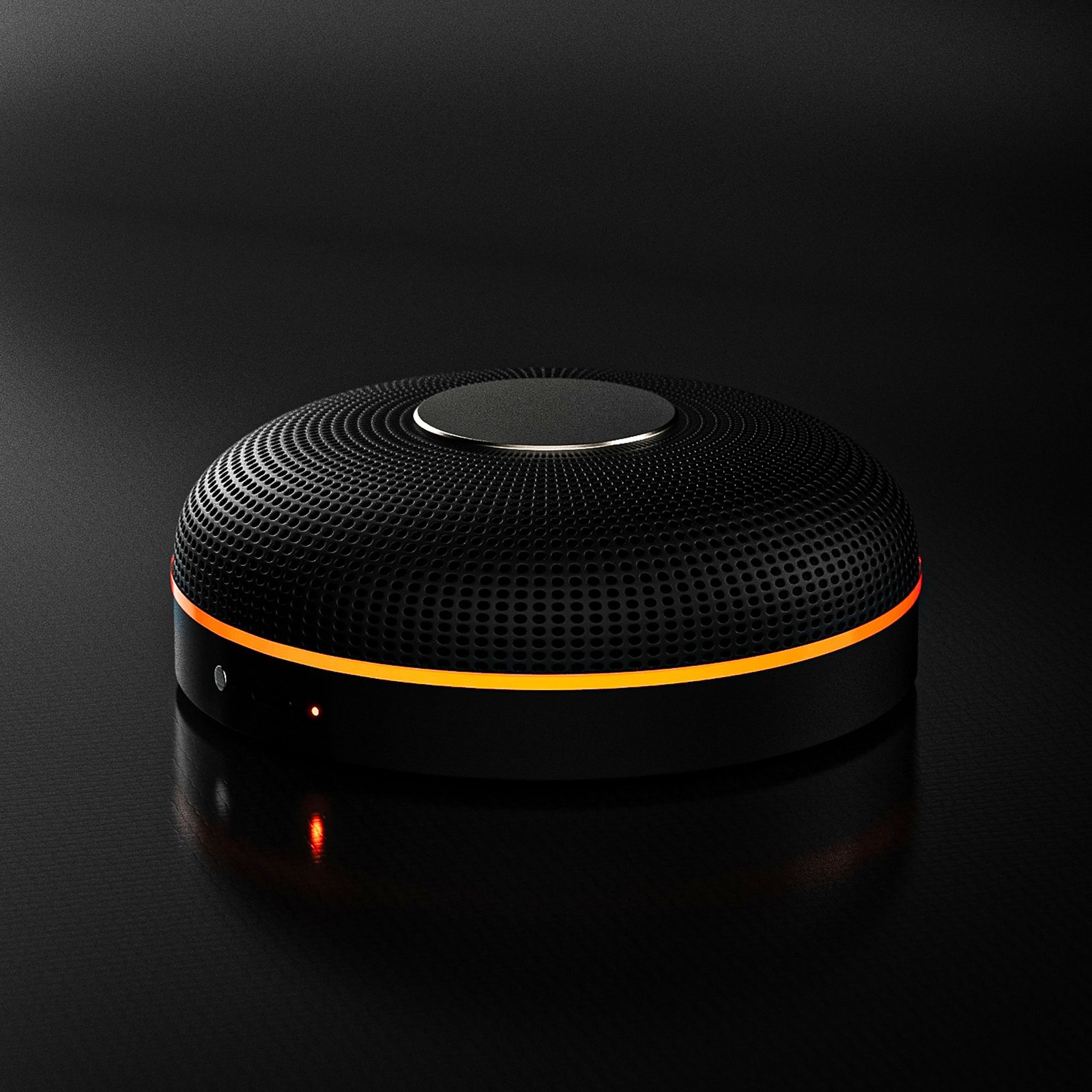
Enter Deveillance’s Spectre I, the latest entrant in a niche category of hardware intended to mitigate or block the effects of ubiquitous, always-on wearables. Developed by a recent Harvard graduate, Spectre I is pitched as a tool to give individuals greater control over the surrounding AI-enabled devices. The core goal is straightforward: attenuate or interrupt the data channels that these devices rely on to function, thereby reducing passive data collection and inference. But practicality quickly collides with physics. The problem is not merely about clever shielding or clever jamming techniques; it’s about the fundamental ways electromagnetic signals propagate and how sensors are integrated into everyday life. The result is a product concept that raises important questions about privacy tools, user safety, and the limits of technological control in a connected world.
This article explores what Spectre I promises, the technical and legal challenges it faces, and the broader implications for privacy, autonomy, and the design of future wearables. It weighs the balance between empowering individuals to shield themselves from ambient AI surveillance and the realities of a world where signals travel through walls, devices, and ecosystems in ways that are difficult to contain or predict. The conversation around Spectre I sits at the intersection of personal privacy, technological capability, and regulatory frameworks that determine what is permissible and practical for private citizens.
In-Depth Analysis
Spectre I is described as a device intended to block or disrupt the continuous data channels that always-on wearables rely upon. In principle, blocking these channels could reduce the volume of biometric, behavioral, and contextual data flowing from wearables to cloud-based AI systems. For example, many wearables transmit data via Bluetooth, Wi-Fi, cellular connections, or near-field communication protocols. Each of these channels is a potential vector for leakage and inference, and a targeted intervention could, in theory, diminish the usefulness of a wearable’s data stream.
However, the practical hurdles begin with physics. Any physical device designed to interfere with wireless communication must contend with the same laws that govern radio frequency propagation. Signals do not stop at the boundary of a small box. They radiate, reflect, and diffract across space, penetrating walls, floors, and objects. The efficacy of a jammer or shield is heavily dependent on distance, power, and the specific frequencies in use. For a wearable that might be tucked under clothing or worn on the wrist, the spectral environment is crowded, with multiple devices vying for bandwidth. In such an environment, selectively blocking one channel without affecting others becomes technically intricate and may require specialized equipment, substantial power, and precise positioning.
There is also a risk that attempts to jam or disrupt one type of transmission could inadvertently impact other, legitimate communications. For instance, a jamming device could create interference that affects emergency alerts, healthcare communications, or other critical wireless services in the vicinity. This risk is not hypothetical: regulations around intentional interference with radio communications are strict in many jurisdictions, and devices designed to jam signals often fall afoul of laws designed to prevent harmful interference.
From a consumer practicality perspective, even if Spectre I could effectively attenuate data from a given wearable in a controlled setting, maintaining consistent privacy in dynamic real-world environments would be challenging. People move through spaces with varying materials, congested RF environments, and devices with different transmission profiles. The shielding or blocking capabilities would have to adapt in real time to changing conditions—an almost impossibly demanding requirement for a compact consumer device. Additionally, many wearables are designed to minimize power consumption and optimize data fidelity; partially blocking their data streams could degrade device performance or render some features unusable. In some use cases, users may simply want to disable data collection for specific contexts (e.g., meetings, classrooms, or medical settings), rather than a blanket, always-on approach. Spectrum management and user experience considerations further complicate any attempt to implement a universal privacy shield.
There is also a broader design question: if the industry continues toward deeper integration of wearables with AI and cloud analytics, the value proposition of a jamming-based privacy tool may be limited. Even with the Spectre I approach, the data might still be captured by the edge devices themselves, or by other connected devices within a local ecosystem, or by opportunistic data collection such as opt-in health programs, assistant devices, or third-party apps with broad access permissions. In short, even a highly effective physical blocker in one channel may be insufficient to prevent pervasive data collection in a highly interconnected environment.
Beyond the technical dimensions, legal and ethical considerations loom large. Regulations governing privacy, data protection, and communications interference vary by country and region. In some places, constructing or deploying devices intended to block or jam communications could expose individuals to penalties or civil liability. Privacy advocates argue that weapons-grade or heavy-handed interference should not be the default solution; instead, they advocate for stronger consent mechanisms, robust data governance, transparent AI practices, and user-friendly controls within the devices themselves. For example, wearable manufacturers can implement local data anonymization, on-device inference, or opt-out mechanisms to give users more direct control, reducing the need for external jamming tools.
Spectre I’s founder landscape—being built by a relatively new graduate from an elite institution—also highlights a broader trend in privacy technology: experimentation at the edge of feasibility. The product embodies a legitimate aspiration to empower individuals against pervasive data collection, yet it also underscores the challenge of translating a privacy concept into a reliable, safe, and legally compliant hardware solution. The tension between aspiration and feasibility is a recurring theme in tech privacy, where ambitious tools must contend with physical realities, user safety, and regulatory compliance.
Finally, the societal implications of such devices require careful consideration. If privacy tools like Spectre I become widely adopted, how might that affect the behavior of wearers, advertisers, and device manufacturers? On one hand, users could reclaim a sense of control and reduce the omnipresence of data collection during private moments. On the other hand, widespread deployment of signal-blocking gear could spur norms around secrecy and non-cooperation with standard data collection practices, potentially complicating legitimate uses of wearables that assist with health monitoring, emergency services, and public safety. The outcome depends on how such technology is designed, deployed, and governed, and whether it remains a niche solution or evolves into a broader privacy toolkit with guardrails.
In sum, Spectre I embodies a provocative intervention in the ongoing debate about privacy in the age of ubiquitous AI. Its premise—giving individuals power to block always-on wearables—touches on deep questions about personal autonomy, the economics of surveillance, and the limits of physical intervention in digital ecosystems. The path forward will likely involve a combination of smarter device-level privacy protections, clearer user consent frameworks, and thoughtful policy measures that address the real-world constraints highlighted by physics and regulation.
Perspectives and Impact
Privacy technology often exists in a tug-of-war between empowerment and feasibility. Tools that promise to curtail surveillance can be appealing precisely because they offer control in a world where data flows are largely opaque and difficult to audit. However, the Spectre I concept illustrates a recurring challenge: even well-intentioned privacy hardware must confront fundamental physical limits that resist simple solutions.

*圖片來源:Unsplash*
From a user perspective, the appeal is clear. People want to decide when and how much data their devices collect, particularly in intimate or private spaces like homes, bedrooms, or medical settings. The ability to prevent inadvertent data leakage from wearables could reduce exposure to profiling, improve personal security, and foster a sense of autonomy. Yet, the realities of electromagnetic propagation, device diversity, and the interconnected nature of modern technology complicate the picture. A single device designed to jam or shield may not offer reliable protection across diverse environments and device ecosystems.
Manufacturers and policymakers also have a stake in this conversation. For manufacturers, there is a growing imperative to implement privacy-preserving features by design. On-device AI, local processing, edge inference, and standardized privacy controls can give users sufficient protections without relying on external privacy tools that may have mixed effectiveness or raise safety concerns. Policymakers, meanwhile, face the challenge of balancing innovation with practical privacy safeguards. Instead of focusing solely on prohibition or weaponization of interference devices, policy methods can emphasize transparency, consent, and robust data governance.
Spectre I’s trajectory offers a case study in how privacy ideas translate into hardware reality. It underscores the importance of communicating clearly about what a device can and cannot do, and it highlights the need for rigorous testing under real-world conditions. It also suggests that privacy tools should be designed with the user’s safety and the broader public interest in mind, ensuring that any solution does not cause unintended interference with essential services or disrupt critical communications infrastructure.
The broader implications for wearables and AI are significant. If more privacy devices become available, consumers may demand stronger protections as a baseline feature from all wearable makers. This could spur competitive pressure for on-device processing, enhanced encryption, and clearer consent flows. Conversely, if privacy tools prove ineffective or pose safety risks, user confidence in privacy technologies could diminish, potentially slowing the adoption of privacy-friendly wearables and features.
There is also an educational dimension. As the public learns about the potential for privacy tools and the physics that govern wireless communications, there is greater appreciation for the need to understand how data moves in everyday life. This knowledge can empower individuals to make more informed decisions about device settings, permissions, and the contexts in which they use wearables.
The future of privacy in wearables will likely rest on a mix of technical innovations, regulatory frameworks, and consumer education. Tools that respect safety, legality, and real-world effectiveness—such as opt-out controls, on-device processing, and transparency around data collection—will be more sustainable than devices that rely on heavy, potentially unlawful interference. Spectre I serves as a catalyst for this broader discussion, prompting stakeholders to weigh ambitious privacy goals against the immutable constraints of physics and law.
Key Takeaways
Main Points:
– Spectre I is a privacy-oriented device aiming to block data channels from always-on wearables, invoking physical interference as a solution.
– Practical effectiveness is constrained by electromagnetic propagation, device diversity, and real-world environments.
– Legal and safety considerations are central, as signal interference can affect critical communications and may violate regulations.
– Stronger privacy by design (on-device processing, consent controls) may provide more reliable protection than external jamming.
– The debate around Spectre I reflects broader tensions between user autonomy, innovation, and regulatory governance in the wearables ecosystem.
Areas of Concern:
– Potential illegal interference with communications and risk of unintended consequences.
– Ineffectiveness in dynamic real-world conditions and across diverse devices.
– Possible degradation of legitimate services or emergency communications.
Summary and Recommendations
Spectre I embodies a provocative attempt to reclaim privacy in a world saturated with AI-enabled wearables. While the intent is commendable, the approach confronts substantial technical, legal, and safety hurdles. The physics of wireless signals makes reliable, universal blocking highly challenging, particularly for a consumer-oriented device intended for everyday environments. Moreover, legal restrictions against signal interference complicate the scenario, limiting the practicality and deployability of such a tool in many jurisdictions.
A more feasible and sustainable path to enhanced privacy in wearables combines multiple strategies:
– Device-level privacy by design: On-device processing, opt-out data collection, encryption, and transparent permission models.
– User-centric controls: Simple, accessible privacy dashboards, context-aware data-sharing options, and clear indicators of when data is being collected or transmitted.
– Regulatory and standards work: Clear privacy standards for wearables and AI, along with enforcement to ensure that data collection practices respect user autonomy.
– Public education: Increased awareness about how wearables collect data, what rights users have, and how to manage permissions effectively.
If Spectre I or similar concepts evolve, they should prioritize safety, legality, and real-world effectiveness. This could involve modular privacy tools that minimize interference with other critical systems, rely on non-disruptive methods (e.g., privacy by design, user-consent-centric controls), and operate within clear regulatory boundaries. The broader privacy challenge will not be solved by a single gadget but by a combination of responsible design, thoughtful policy, and informed consumer choices.
Ultimately, Spectre I contributes to an essential dialogue: how to balance the benefits of pervasive AI and wearable technology with the right to personal privacy. The path forward should emphasize practical protections that respect both individual autonomy and societal needs for safe, reliable communications and services.
References
- Original: https://www.wired.com/story/deveillance-spectre-i/
- Additional readings:
- Privacy and Wearables: How to Protect Yourself in a Connected World
- On-Device AI and Edge Computing: Privacy-Preserving Trends in Wearables
- Radio Frequency Interference and Legal Implications for Consumer Devices
Note: This rewrite preserves the factual premise that Spectre I is aimed at privacy for always-on wearables and discusses the technical, legal, and practical constraints without asserting capabilities beyond what is reasonable given current physics and regulatory frameworks.

*圖片來源:Unsplash*