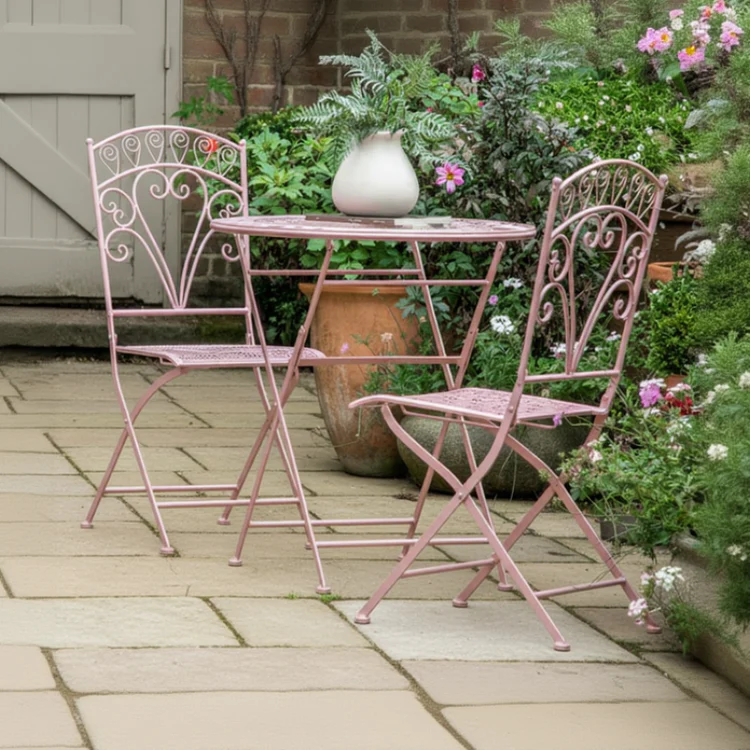
TLDR
• Core Points: Assess space, climate, materials, style, function, maintenance, and budget to select a balanced garden furniture set.
• Main Content: A practical guide covering space assessment, material pros/cons, design styles, comfort, durability, weather resistance, and buying tips.
• Key Insights: Match furniture to lifestyle and garden use; prioritize weather-ready materials; consider maintenance and storage; test comfort and scale before purchase.
• Considerations: Local climate, sun exposure, and storage options; assembly and warranty; ongoing care requirements.
• Recommended Actions: Measure outdoor area, note usage patterns, compare materials, and test comfort; set a budget and verify warranties and delivery.
Content Overview
Choosing the right garden furniture set is more than picking a stylish option—it’s about balancing comfort, durability, and practicality in your outdoor space. With an abundance of choices, from rattan to aluminum, teak to resin, shoppers can feel overwhelmed. This guide offers a structured approach to help you evaluate space, climate, maintenance, and personal preferences to select a set that enhances your garden and stands the test of time. We’ll discuss how to assess your environment, understand material properties, and align design with function, ensuring you invest in furniture that fits both your garden’s aesthetic and your everyday life.
A garden furniture decision is influenced by several factors: the size and shape of your outdoor area, how you use the space (dining, lounging, entertaining), weather patterns, and storage options during off-seasons. It’s also important to consider the expected lifespan of materials, maintenance requirements, and total cost of ownership, including cushions, covers, and potential replacements. By taking a holistic view, you can avoid common mistakes such as overstuffed sets that overwhelm a small patio, or low-quality pieces that fade, warp, or rust after a single season.
This article provides practical steps, from initial measurements to final purchasing decisions, with emphasis on real-world considerations. Whether you have a sun-drenched courtyard, a shaded balcony, or a sprawling backyard, the goal is to help you choose a garden furniture set that is comfortable, durable, and harmonizes with your outdoor environment.
In-Depth Analysis
Space and Layout: Start with accurate measurements of your outdoor area, including doorways and pathways. Determine the ideal furniture layout that allows for easy movement, access to features (grills, planters, water features), and sufficient walking space. For small spaces, consider compact dining sets or modular lounge configurations that can be rearranged as needed. In larger spaces, you can mix dining and lounge zones for a multi-use outdoor living area. Scale matters: chairs, tables, and sofas should fit without crowding the area or obstructing access.
Material Fundamentals: Garden furniture comes in a range of materials, each with unique advantages and maintenance needs.
- Teak: Known for its durability and natural oils that resist water and pests. It ages beautifully to a silver-gray patina if left untreated but may require periodic oiling to maintain color. Teak is often long-lasting, making it a popular investment for outdoor tables and chairs.
- Aluminum: Lightweight, rust-proof, and low maintenance. Aluminum frames are often paired with resin or textilene seating. The material can feel less substantial but is highly durable and easy to care for.
- Wicker/Resin: Synthetic wicker or resin weave furniture offers a classic look with weather resistance. Quality construction and UV-stable resins improve longevity, though cushions and frames may require protection from direct sun to prevent fading over time.
- Steel/Stainless Steel: Very sturdy but can be prone to rust if not properly treated or coated. Stainless steel is a better choice for coastal or humid environments when corrosion resistance is essential.
-Rattan (Natural): Lightweight and stylish but less weather-resistant. Natural rattan can deteriorate in wet conditions unless protected or finished with weatherproof coatings; often used in covered or semi-covered outdoor areas.
Fabric and Cushions: Cushion materials impact comfort and longevity.
- Outdoor-grade fabrics (e.g., solution-dyed acrylics like Sunbrella) resist fading and moisture, making them a practical choice for cushions. They typically require occasional cleaning and protection from mildew in high-humidity areas.
- Cushion thickness and firmness affect comfort. Consider a combination of seat depth and back support that suits your seating style.
- Storage and covers: If your climate includes heavy rain or cold winters, consider fabric covers or removable cushions stored indoors during off-seasons to extend life.
Weather and Climate Considerations: Climate dictates material choice and maintenance. Coastal or humid regions benefit from corrosion-resistant metals and rot-resistant woods, while dry or hot climates may require UV protection and heat-resistant cushions. In areas with freezing winters, evaluate the impact of freeze-thaw cycles on materials like wood or certain metals. Regular weatherproofing and proper storage are essential to extend the life of outdoor furniture.
Durability and Construction: Look at joinery, reinforcement, and frame construction. Powder-coated finishes provide additional protection against rust and corrosion. Detailing such as reinforced corner joints, non-slip feet, and UV-protected finishes contribute to overall durability. For cushions, zippers and seams should be robust to withstand repeated use.
Style and Aesthetics: Your garden furniture should complement your home exterior and garden design. Options range from modern minimalism with clean lines and metal frames to classic, cozy setups featuring woven textures and warm wood tones. Consider color schemes that coordinate with existing outdoor décor, plants, and hardscape materials to create a cohesive look.
Function and Comfort: Decide on primary uses—al fresco dining, casual lounging, entertaining guests, or a blend. For dining, ensure chairs have comfortable backrests and adequate seating height for dining tables. For lounging, modular sectional arrangements with adjustable options or chaise lounges can maximize relaxation. Consider ergonomics—seat depth, back support, and armrest height—to reduce fatigue during longer use.
Maintenance and Care: Every material demands some care. Wood may require sealing or oiling at intervals to prevent cracking and maintain color. Metal frames may need occasional cleaning and protection against rust. Cushions and fabrics require wind, water, and sun protection, including seasonal storage plans. A practical approach is to create a maintenance calendar aligned with your local climate, outlining cleaning routines, cover usage, and cushion management.
Budgeting and Value: High-quality materials typically demand higher upfront investment but deliver longer lifespans and better resilience. Teak and powder-coated metals tend to hold value longer, while low-cost resin sets may require more frequent replacement. Consider total cost of ownership, including cushions, covers, and potential replacement parts, rather than just the sticker price. It’s often worthwhile to allocate a portion of your budget toward modular pieces that can adapt to changing space or needs over time.

*圖片來源:Unsplash*
Delivery, Assembly, and Warranty: Check delivery options, assembly requirements, and warranty terms. Some moves to the garden come pre-assembled or require minimal assembly, while others demand more time and tools. Warranties vary by material and brand, covering frames, fabric, and cushions for different durations. Reading the fine print helps you understand what is protected, under what conditions, and for how long.
Practical Buying Tips:
– Measure thoroughly: Confirm the available space and ensure that doors, gates, and aisles do not obstruct movement.
– Visualize scale: Use painter’s tape or string to outline the footprint of furniture on the ground to gauge how it fits.
– Test comfort: If possible, sit on sample pieces in-store or at a showroom. Consider back support, seat depth, and cushion firmness.
– Consider cushions and fabric risk: Evaluate exposure to sun, rain, and humidity, and choose fabrics with appropriate UV resistance and water repellency.
– Review weather resistance: For coastal or high-humidity areas, prioritize corrosion-resistant materials and non-porous surfaces.
– Plan for storage: If you have limited outdoor coverage, opt for stackable or modular designs that are easy to store during off-seasons.
– Think about maintenance: Choose materials with maintenance requirements that fit your lifestyle and time available for upkeep.
– Check compatibility: Ensure chair legs and table bases won’t scrape or damage your decking or patio surface.
– Prioritize safety: Avoid sharp edges and choose stable, well-supported furniture to prevent tipping.
This guide emphasizes a structured approach to choosing a garden furniture set that aligns with space, climate, and lifestyle. The right set should be comfortable, durable, and aesthetically pleasing while meeting practical needs such as ease of maintenance and storage. By considering the factors outlined above, you can make a well-informed decision that enhances your outdoor living space for years to come.
Perspectives and Impact
The selection of garden furniture reflects broader trends in outdoor living, particularly the move toward accessible, multi-functional spaces that serve as extensions of the home. As homeowners increasingly invest in outdoor comfort, the market has responded with a wider range of materials designed to withstand diverse climates and to simplify care. This shift also mirrors a desire for sustainability, with durable, long-lasting pieces becoming more desirable and cost-effective over time.
Consumer expectations have evolved beyond mere aesthetics. Today’s buyers seek furniture that combines form with function—pieces that can adapt from a casual lounge on a sunny afternoon to a formal dining setup for evening gatherings. The modular approach, in particular, supports flexible layouts and scalable configurations, enabling homeowners to reconfigure spaces as needs change or as guests arrive. Additionally, the emphasis on weather resistance and low maintenance highlights the practical realities of outdoor furniture ownership in various regions, where weather patterns can significantly impact the lifespan of outdoor furnishings.
Future implications include increased focus on recycled or responsibly sourced materials, more durable protective coatings, and innovations in quick-drying, mold-resistant cushion fabrics. Consumers may also see greater emphasis on smart accessories, such as modular lighting integrated into furniture or weatherproof storage solutions that protect cushions during harsher seasons. As outdoor spaces continue to evolve into year-round living areas, the demand for adaptable, robust, and stylish sets will likely grow, driving ongoing product development and greater consumer education about material performance and care requirements.
Key Takeaways
Main Points:
– Start with accurate space assessment and consider layout, scale, and flow.
– Understand material properties, weather resistance, and durability aligned to climate.
– Prioritize comfort and functionality, ensuring the set fits intended uses (dining, lounging, entertaining).
Areas of Concern:
– Overlooking maintenance needs and storage constraints.
– Selecting materials unsuited to local climate or exposure.
– Underestimating the importance of fit, comfort, and safety factors.
Summary and Recommendations
Choosing a garden furniture set requires balancing aesthetics, comfort, and practicality. Begin by measuring your outdoor space and clarifying how you will use the area—whether for dining, lounging, or social gatherings. This helps determine appropriate scale and configuration, whether you prefer a compact dining set, a modular sectional, or a combination of both.
Material selection should be guided by your climate and maintenance tolerance. Teak remains a prized option for its longevity and natural oils, while powder-coated aluminum and resin wicker offer low-maintenance alternatives. For regions with heavy sun exposure or moisture, prioritize fabrics with UV resistance and cushions that are easy to clean and store. Consider the long-term costs, including cushions, covers, and potential repairs, rather than focusing solely on upfront price.
Practical buying tips include testing comfort in-store, verifying warranties, and planning for weatherproof storage. Look for sturdy construction, reinforced joints, and protective finishes that resist rust and fading. Finally, ensure the furniture complements your home’s architectural style and garden aesthetics to create a cohesive outdoor living space you’ll enjoy for seasons to come.
With thoughtful planning and a clear understanding of your environment and needs, you can select a garden furniture set that provides comfort, durability, and enduring value.
References
- Original: https://abeautifulspace.co.uk/how-to-choose-a-garden-furniture-set-for-your-garden/
- Additional references:
- https://www.teak.com/teak-furniture-guide
- https://www.hunker.com/13413920/outdoor-furniture-materials-pros-cons
- https://www.sunbrella.com/resources/fabrics-care/outdoor-fabric-care-guide

*圖片來源:Unsplash*