TLDR
• Core Points: New Smashing Book “Accessible UX Research” by Michele Williams explores inclusive research practices, assistive technologies, disability types, and integrating accessibility into the design process across budgets and timelines.
• Main Content: The book emphasizes practical strategies to make UX research more inclusive, thorough, and actionable from project kickoff to delivery.
• Key Insights: Accessibility should be embedded throughout research workflows, not treated as an afterthought; understanding assistive tech and diverse disabilities informs better design decisions.
• Considerations: Authors and practitioners should balance scope, time, and budget while adopting accessible research methods; ongoing learning is essential.
• Recommended Actions: Read and apply inclusive research techniques, pilot accessible interview and testing methods, and integrate accessibility checks into every research phase.
Content Overview
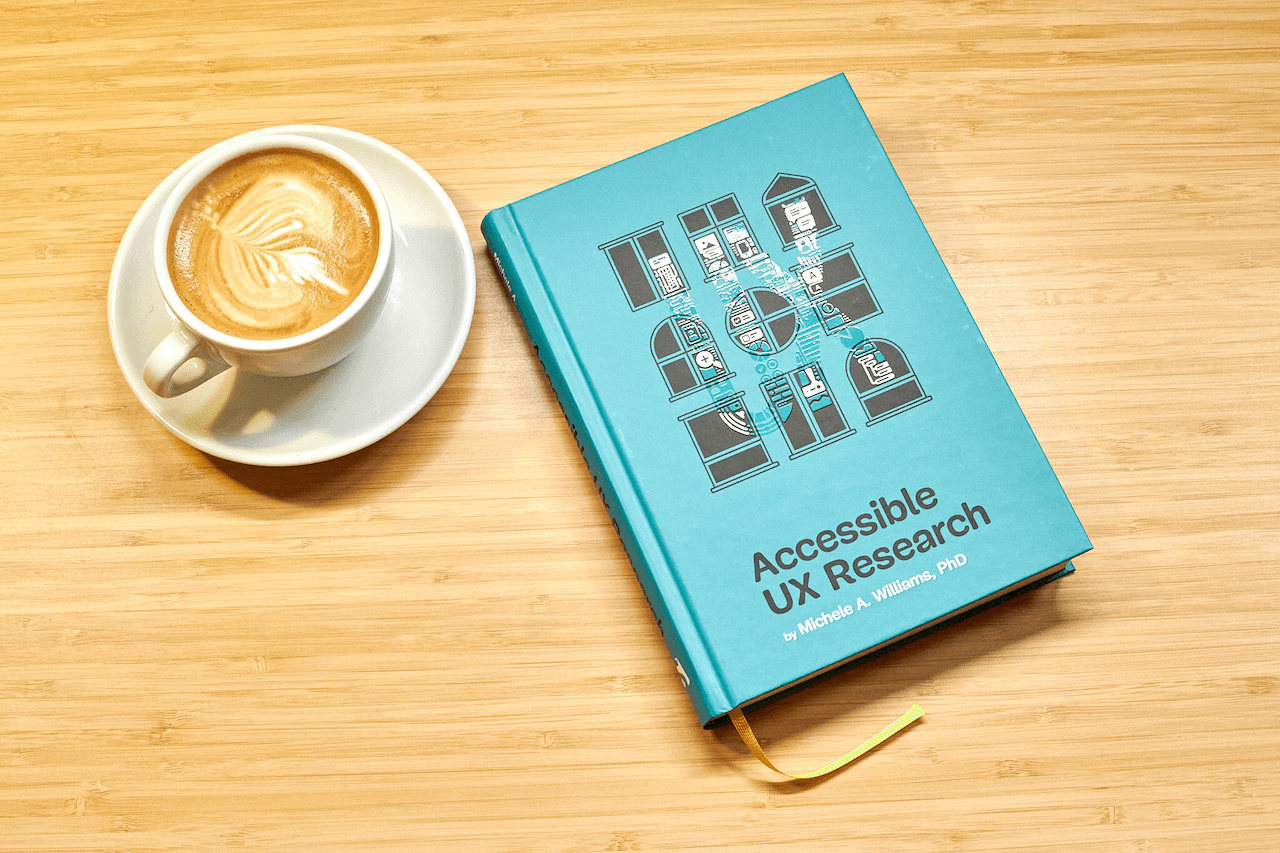
Accessible UX Research, the latest addition to Smashing Magazine’s book lineup, is authored by Michele Williams. The publication arrives at a time when the UX field increasingly prioritizes inclusivity and practical accessibility—not only in product interfaces but across research practices themselves. The book centers on how researchers can design, conduct, and analyze studies in ways that include a broad spectrum of users, including people with disabilities who rely on assistive technologies. It also addresses the broader ecosystem of accessibility within the product development lifecycle, offering concrete guidance that teams can implement within varying budgets and timelines.
At its core, the book invites researchers to rethink standard UX research workflows. Rather than viewing accessibility as a single feature or a final checklist, Williams argues for integrating inclusive considerations from the outset of research planning. This entails selecting accessible research methods, ensuring consent processes are navigable with assistive devices, designing study materials that are usable by participants with diverse needs, and interpreting findings through an accessibility lens. The book also educates readers on assistive technologies—such as screen readers, voice control, alternative input devices, and accessibility settings across operating systems—so researchers can better anticipate user experiences and uncover insights that might otherwise be overlooked.
Readers can expect a blend of theoretical context and practical tactics. The text offers case studies, checklists, and actionable techniques to widen participant inclusion, reduce bias, and evaluate research outcomes with accessibility as a fundamental criterion. The aim is to empower UX researchers to deliver more equitable and rigorous insights, regardless of project constraints, by weaving accessibility into the fabric of the entire research process.
In-Depth Analysis
Accessible UX Research addresses a spectrum of topics that are often underrepresented in conventional UX methods. One of the book’s central premises is that accessibility is not a post-launch concern but a guiding principle for research design. Williams outlines how understanding the needs and limitations of people with disabilities can illuminate design problems that otherwise would remain hidden. By examining assistive technology—from screen readers and magnification tools to alternative input methods and keyboard navigation—researchers learn to tailor studies so that participants can engage fully and accurately. This, in turn, yields richer data and more reliable insights.
The book also delves into disability types and the respective implications for UX research. It emphasizes that disability is not monolithic; it encompasses a range of experiences, including visible and invisible disabilities, temporary conditions, and situational impairments. Acknowledging this diversity helps researchers avoid assumptions about user capabilities and fosters deeper empathy. The guidance extends to inclusive recruitment practices, consent processes that accommodate different accessibility needs, and the creation of research materials—such as consent forms, surveys, and test stimuli—that participants can access with their preferred modalities.
Methodologically, Accessible UX Research provides strategies for selecting and adapting research methods to be accessible. For example, it discusses the use of interviews, usability tests, diary studies, and remote research with attention to accessibility requirements. It also covers the design of stimuli, tasks, and interfaces that can be navigated and understood by people using assistive technologies. The book emphasizes iterative testing and continuous feedback loops, encouraging researchers to validate accessibility findings early and often. By embedding accessibility metrics into research analyses, teams can quantify the impact of inclusive practices alongside traditional usability measures.
The work also considers organizational and process-oriented challenges. Incorporating accessibility into every design phase requires coordination among researchers, designers, developers, and product leaders. Williams provides frameworks for cross-team collaboration, documentation practices that preserve accessibility considerations, and practical approaches to securing time and budget for inclusive research activities. The book does not claim that inclusive UX research is universally easy; instead, it offers pragmatic guidance for making incremental, feasible improvements that accumulate into a more inclusive research practice over time.
Throughout the text, the author emphasizes that the goal is not to achieve perfection but to move toward greater inclusivity and thoroughness. Even teams with tight deadlines or limited budgets can implement accessible practices by prioritizing critical touchpoints, choosing scalable methods, and leveraging a diverse set of participant perspectives. The book also highlights the ethical dimension of accessible research, reminding practitioners that inclusive methods honor participants’ dignity, autonomy, and lived experiences while producing more representative user insights.
The practical tools included in Accessible UX Research range from checklists and planning templates to interview scripts and accessibility evaluation prompts. By providing concrete resources, the book aims to lower barriers to adoption and help teams integrate inclusive practices with minimal disruption to existing workflows. It also encourages ongoing education—advocating for continuous learning about assistive technologies, disability experiences, and evolving accessibility standards.
Perspectives and Impact
Accessible UX Research positions inclusive practices as central to the credibility and usefulness of UX research outcomes. By foregrounding accessibility, the book argues that research findings become more generalizable and relevant to a broader user base. In practice, this translates to product decisions that better accommodate diverse users, minimize exclusion, and reduce the risk of overlooking critical usability issues encountered by people with disabilities. The approach aligns with growing expectations from stakeholders, customers, and regulatory environments that value accessible design and inclusive research methods.

*圖片來源:Unsplash*
The implications extend beyond individual projects. Organizations that adopt the book’s recommendations may see shifts in their research culture, including more diverse study participant pools, richer data, and stronger collaboration across disciplines. The emphasis on assistive technologies also encourages teams to maintain ongoing awareness of evolving tools and standards, which can influence design roadmaps, accessibility audits, and product governance.
Looking to the future, the book suggests that accessibility in UX research will become increasingly integrated with overarching product strategy. Researchers will be expected not only to identify usability gaps but also to articulate how inclusive practices influence business outcomes such as user satisfaction, market reach, and long-term accessibility compliance. In this sense, Accessible UX Research contributes to a broader movement toward designing products that are usable, inclusive, and ethical for all users, regardless of their abilities or circumstances.
The publication’s impact may extend into education and professional development as well. By offering a structured, practice-oriented guide, the book can serve as a foundational text for graduate courses, training programs, and professional communities seeking to elevate their standards for inclusive research. As more practitioners adopt these methods, the field could see a shift toward more thoughtful recruitment strategies, better consideration of diverse user needs, and a deeper integration of accessibility into research analytics.
However, challenges persist. Organizations must balance ambitious inclusion goals with real-world constraints. Time, budget, and resource limitations can pose barriers to fully implementing every recommended practice. The book acknowledges these realities, proposing scalable approaches that begin with high-impact, low-friction steps and progressively broaden the scope of inclusive research. It also emphasizes the importance of leadership support, clear documentation, and measurable outcomes to sustain momentum over time.
In terms of industry impact, the release of Accessible UX Research signals Smashing Magazine’s continued commitment to merging practical guidance with accessibility advocacy. The book complements existing resources on accessible design by focusing specifically on the research phase, ensuring that insights gathered from diverse user groups inform the earliest stages of product development. This holistic emphasis helps bridge gaps between research, design, and development, promoting a more cohesive and inclusive product lifecycle.
Key Takeaways
Main Points:
– Accessibility should be embedded in all phases of UX research, not treated as a separate add-on.
– Understanding assistive technologies and diverse disability experiences informs better research design and findings.
– Practical, scalable methods enable inclusive research within varying budgets and timelines.
Areas of Concern:
– Balancing inclusivity with project constraints can be challenging; teams may need to prioritize high-impact activities.
– Ensuring sustained organizational support and resources for inclusive practices over time.
– Keeping pace with evolving accessibility standards and technologies.
Summary and Recommendations
Accessible UX Research presents a thoughtful and practical framework for integrating accessibility into every stage of UX research. Michele Williams provides a comprehensive guide that blends theory with actionable strategies, helping researchers design studies that accommodate a broad spectrum of users, including those who rely on assistive technologies. The book argues persuasively that inclusive research yields more robust insights, which in turn lead to more inclusive and effective products. By offering concrete tools, case studies, and planning templates, it equips teams to begin implementing inclusive practices immediately, while also outlining pathways for longer-term cultural and organizational change.
For practitioners, the core recommendation is to adopt accessibility as a fundamental criterion in research planning and execution. Start by auditing current methodologies for accessibility gaps, engaging participants with diverse needs, and integrating assistive-technology considerations into study materials and tasks. Use the book’s templates and prompts to design studies that participants can access with their preferred modalities. Track inclusive research outcomes alongside traditional usability metrics to demonstrate value. Finally, cultivate ongoing education and cross-functional collaboration to sustain momentum, ensuring that accessibility remains a central, evolving feature of the research process rather than a one-off effort.
Overall, Accessible UX Research is a timely and valuable resource for anyone involved in user research, design, or product development who seeks to produce more inclusive, rigorous, and impactful insights. It not only informs readers about the mechanics of accessibility but also reframes how research itself should be conducted to honor—and learn from—the experiences of all users.
References
- Original: https://smashingmagazine.com/2026/03/accessible-ux-research-release/
- Additional references:
- Accessibility in UX: Principles and Practices
- Assistive Technologies and UX Research Methodologies
- Inclusive Design in Practice: Case Studies and Frameworks

*圖片來源:Unsplash*