TLDR
• Core Points: Create a bloom bar as a centerpiece-driven DIY decor station with fresh flowers, greenery, and accessories, tailored to your party theme and budget.
• Main Content: Step-by-step guidance on planning, sourcing materials, arranging florals, and safe setup for a memorable bloom bar experience.
• Key Insights: A bloom bar blends visual impact with interactive guest engagement, requiring thoughtful design, maintenance, and contingency planning.
• Considerations: Budget, freshness, space, lighting, and guest accessibility; legal or venue considerations for real flowers.
• Recommended Actions: Define a theme and budget, assemble materials, prepare ahead, and assign a helper on event day to manage setup and refills.
Content Overview
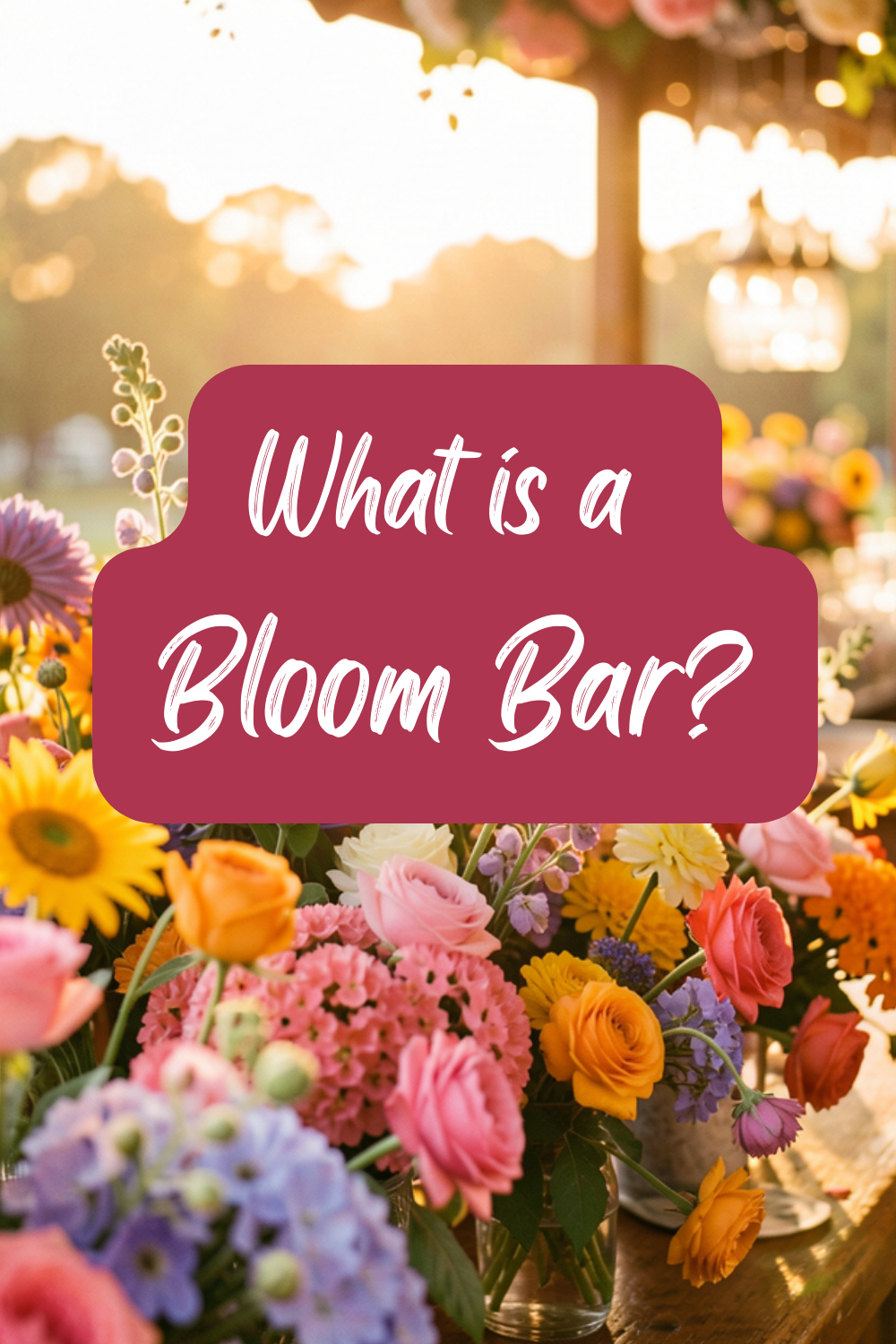
A bloom bar is a stylish, interactive floral station that lets guests mix and match blooms to create personal, mini arrangements or take-home bouquets. This concept has gained popularity in weddings, baby showers, birthday parties, and seasonal gatherings as a way to elevate decor while offering a hands-on activity. The bloom bar is not just about aesthetics; it serves as a practical centerpiece that encourages guest engagement and conversation. By combining color coordination, scent, texture, and varying heights, you can craft a visually striking display that aligns with your event’s theme.
The core appeal of a bloom bar lies in its versatility. It can be scaled to suit intimate gatherings or larger celebrations and can be adjusted for indoor venues or outdoor settings. The essential elements include a curated selection of flowers, greenery, vessels, tools, and a decorative backdrop. Planning involves considering logistics such as setup time, weather (if outdoors), maintenance needs, and how guests will interact with the station. With careful preparation, a bloom bar can be a memorable focal point that adds a personal touch to your party.
In-Depth Analysis
The bloom bar concept emerges from the broader trend of experiential decor in events. Rather than passively admiring decorations, guests participate in creating floral arrangements, which enhances their connection to the event and fosters social interaction. Successful bloom bars balance aesthetics, functionality, and practicality.
1) Theme and Design
– Start with a cohesive theme that complements your color palette and venue. Consider seasonal flowers, accent colors, and complementary greenery. The display should feel intentional, with a clear focal point (such as a tall centerpiece or a decorative backdrop) and varying heights to create depth.
– Use attractive vessels and props to elevate the presentation. Mason jars, vintage vases, metallic containers, wooden crates, or tiered stands can add charm while remaining functional.
2) Flower and Greenery Selection
– Choose blooms that are readily available in your season and region to ensure freshness and reasonable costs. Include a mix of focal flowers (statement blooms), filler flowers, and greenery for texture.
– Plan for substitutions. Not all varieties are guaranteed to be in stock, so have backup options that fit your color scheme.
– Consider bloom longevity and vase life if guests will transport arrangements home. For longer-lasting effects, select hardy flowers and provide water-filled arrangements.
3) Setup and Stations
– Structure the bloom bar with clear zones: a flower display area, a prep zone (for trimming stems and arranging water), and a guest interaction area. A clean, well-lit surface helps guests work confidently.
– Provide practical tools: floral scissors or shears, floral tape, floral foam or alternative foam-free mechanics (if used), water for hydration, and lidded or covered containers to prevent spills.
– Offer a range of container options for guests to choose from, including single-bottle arrangements, small jars, or mini bouquets. This flexibility enhances personalization.
4) Maintenance and Freshness
– Set up a water station and change water regularly to keep stems hydrated. Plan for periodic refreshes of flowers and greenery during the event.
– Display signage with simple care tips for guests who want to take arrangements home, such as trimming the stems and placing flowers in a vase with water.
– Assign a dedicated staff member or hire a friend to oversee the bloom bar, refill supplies, replace spent flowers, and answer questions.
5) Accessibility and Safety
– Ensure the station is accessible to all guests, including those with mobility constraints. Position the bloom bar at an appropriate height and provide easy reach for tools and containers.
– Consider safety when dealing with sharp tools and water spills. Use non-slip mats and keep blades safely stored when not in use.
– If you’re in a venue with restrictions, verify whether fresh flowers and loose greenery are permitted, and comply with cleanup and disposal requirements.
6) Budgeting and Logistics
– Costs hinge on flower choice, quantity, and whether you hire help. Stats to consider include per-stem pricing, container costs, and any backdrop or signage.
– To optimize cost, mix premium focal blooms with more affordable greens and filler flowers. Some couples or hosts opt for a “seeded” arrangement, where guests can later plant stems in decorative holders or container gardens.
7) Interaction and Guest Experience
– Frame the bloom bar as an activity rather than a simple display. Provide step-by-step prompts or cards with suggested combinations to guide guests who may feel uncertain.
– Include a few quick design tips: consider color harmony, varying stem lengths, and focal point placement within each arrangement.
– Allow guests to create keepsakes for use during the event (centerpiece enhancements) or as take-home tokens (mini bouquets or single-stem arrangements).
8) Alternatives and Variations
– A mini “bouquet station” with pre-arranged bundles that guests can customize with ribbons or wraps.
– A “petal bar” for guests to sprinkle petals on tables or in décor.
– A dried-flower version that reduces maintenance and ensures longevity for longer events.
9) Timing and Coordination
– Build a realistic timeline that includes setup, guest arrival, peak activity, and teardown. Build in buffer time for refills and occasional adjustments.
– If hosting outdoors, factor in factors like wind and heat, which can affect flower longevity and display stability. Have a plan for shade and hydration.
10) Sustainability and Waste Management
– Use reusable containers where possible and offer a clean, organized disposal area for trimmings.
– Explore composting options for organic waste and partner with local florists or community groups for donations of leftover floral materials.

*圖片來源:Unsplash*
By combining thoughtful design, practical execution, and guest-focused interaction, a bloom bar can elevate a party’s ambiance and provide a memorable experience that resonates with guests long after the event ends.
Perspectives and Impact
The bloom bar trend reflects a broader shift toward experiential hospitality, where guests participate in activities that enhance their sense of connection to the event. This approach aligns with modern preferences for personalized experiences and tangible takeaways rather than passive consumption of décor. The bloom bar’s impact extends beyond aesthetics to social dynamics: guests who engage in a creative activity often mingle more readily, share tips, and form memories tied to the occasion.
In terms of future implications, bloom bars may evolve with technology and sustainability in mind. Digital displays showing suggested color palettes or floral combinations could guide guests who want inspiration. Reusable components, refillable water stations, and locally sourced flowers will become more common as venues and hosts emphasize eco-conscious practices. The rise of DIY decor trends also encourages collaboration with local florists, farmers’ markets, or community programs, providing opportunities for education and regional economic support.
From a cultural perspective, bloom bars offer a flexible canvas for incorporating cultural motifs, seasonal themes, and personal stories. Hosts can tailor arrangements to reflect guests’ backgrounds or commemorate significant moments within the celebration. As sustainable design gains momentum, bloom bars can emphasize seasonal abundance and local biodiversity, highlighting native species and responsible sourcing.
Potential challenges include ensuring a smooth guest experience, managing waste, and maintaining freshness throughout longer events. A well-planned bloom bar addresses these concerns through careful sourcing, on-site staffing, and clear instructions for guests. By anticipating peak times and supply needs, organizers can minimize delays and ensure that the experience remains elegant and enjoyable.
Key Takeaways
Main Points:
– A bloom bar is a themed, interactive floral station that enhances decor and guest engagement.
– Thoughtful planning, seasonal sourcing, and clear setup are essential for success.
– Maintenance, accessibility, and safety must be prioritized for a positive guest experience.
Areas of Concern:
– Budget constraints and potential waste from unused flowers.
– Freshness and durability of materials, especially for longer events.
– Venue restrictions or safety considerations related to water, tools, and transport of floral materials.
Summary and Recommendations
To successfully implement a bloom bar at your party, begin with a clear concept that aligns with your event theme and budget. Plan the floral selection around seasonal availability, ensuring a mix of focal blooms, fillers, and greenery to create depth and texture. Design a functional setup with dedicated zones for display, preparation, and guest interaction, and provide a range of containers and simple tools for guests to craft their own arrangements. Prioritize freshness by arranging water stations and scheduling regular refreshes, and assign a trusted helper to manage refills and safety concerns. Consider accessibility and safety measures to accommodate all guests and venues. Finally, communicate expectations and simple care tips to guests, enabling them to take home or reuse their arrangements.
With proper planning and execution, a bloom bar can serve as a dynamic centerpiece that invites guest participation, adds a tactile dimension to your decor, and leaves a lasting impression on attendees.
References
- Original: abeautifulspace.co.uk
- 1) A Practical Guide to DIY Floral Installations for Events
- 2) Seasonal Flower Availability and Sourcing for Event Decor
- 3) Interior and Event Design Trends: Experiential Decor and Guest Participation
Forbidden:
– No thinking process or “Thinking…” markers
– Article must start with “## TLDR”
Ensure content is original and professional.

*圖片來源:Unsplash*