
TLDR
• Core Points: Merriam-Webster’s Word of the Year for 2024 is “slop,” signaling widespread concern over low-quality AI-generated content flooding the web. The choice embodies a dismissive stance toward junk AI output that harms credibility and user experience.
• Main Content: The term captures a cultural and linguistic reaction to the rapid proliferation of AI-authored material, urging a critical eye toward content quality and authenticity as AI tools become ubiquitous.
• Key Insights: Language evolves in response to technology; lexicographers monitor trends to reflect public sentiment and help users navigate a changing information landscape.
• Considerations: The choice raises questions about labeling, discernment, and policy guidance for platforms, educators, and publishers who must contend with AI-produced content.
• Recommended Actions: Promote transparency about AI involvement, develop quality benchmarks for AI-generated content, and empower readers with tools to assess reliability.
Content Overview
The year 2024 saw an accelerated integration of artificial intelligence into everyday content creation, from news summaries and product descriptions to social media posts and creative writing. As AI tools embedded themselves more deeply into editorial workflows and consumer-facing platforms, concerns about content quality, originality, and trust intensified. Against this backdrop, Merriam-Webster—a long-standing gatekeeper of English usage—undertook a meta-linguistic task: identifying a word that not only reflected the year’s linguistic shifts but also captured a sentiment about the observable quality of AI-generated content. The result was “slop,” a term used to describe low-quality, sloppy, or substandard output that often accompanies automated text, images, and other media.
This choice illustrates how dictionaries function beyond merely recording vocabulary. They document cultural reactions to technology, politics, and media ecosystems, offering readers a lens into collective attitudes. The selection of “slop” signals a broader concern: as AI technologies become more capable, the public conversation increasingly centers on whether these tools produce content that is accurate, coherent, engaging, and trustworthy. The decision also highlights a pivot in public discourse—from sheer novelty to a more critical assessment of AI’s real-world impact on information quality and user experience.
In-Depth Analysis
The phenomenon of AI-generated content has evolved rapidly over the past few years. Early demonstrations often focused on the novelty and speed with which machines could generate text, images, and music. By 2024, however, a substantial portion of online content exhibited AI-generated characteristics, sometimes indistinguishable from human-created material, but frequently inconsistent in factual accuracy, tone, or stylistic coherence. This dichotomy—incredible efficiency paired with potential quality shortcomings—made “slop” an apt descriptor for a broad swath of online content.
Merriam-Webster’s Word of the Year selections have historically reflected social currents, linguistic creativity, and shared experiences. The 2024 choice underscores a growing awareness that high-volume AI content can dilute information ecosystems, overwhelm readers, and erode trust if not subjected to critical appraisal. The lexicographical decision is not an endorsement of AI technologies themselves but a diagnostic label that helps users articulate and discuss a pervasive problem: the proliferation of low-quality outputs that masquerade as credible information.
From a linguistic standpoint, “slop” fits neatly into the magazine-synonymy taxonomy of English—short, expressive, and versatile. It conveys sloppy workmanship across contexts and disciplines, from writing to media production. Its adoption by a prominent dictionary anchors the term’s legitimacy and signals to readers that this is a phenomenon with cultural resonance, not merely a passing fad. In doing so, Merriam-Webster invites readers to reflect on the standards they apply when evaluating online content, and it implicitly endorses a more discerning approach to information consumption.
The broader implications extend into media literacy, platform governance, and content moderation. As AI-assisted tools increasingly enable rapid production of content at scale, platforms face the challenge of maintaining quality without stifling innovation or creative expression. The “slop” label could influence how editors, educators, and policy makers articulate norms around verification, attribution, and authenticity. For publishers, the term underscores the need for robust editorial processes that distinguish between AI-assisted drafting and fully AI-generated material, particularly in domains where accuracy is paramount—news, health, finance, and public policy.
Educationally, the term resonates with ongoing efforts to improve media literacy curricula. Teachers and researchers emphasize critical evaluation skills—source verification, cross-referencing, and awareness of AI-generated cues such as stylistic inconsistencies or subtle factual errors. The public’s vocabulary for evaluating such content benefits from clear descriptors like “slop,” which convey a shared standard of quality and a shared problem that needs addressing.
Technologically, the trend toward AI-assisted content creation raises important questions about origin tracing and provenance. If content can be produced rapidly and at scale, how can consumers verify who authored what and when? Tools that detect AI authorship, assess factual accuracy, and provide transparent provenance metadata will become increasingly valuable. The “slop” label effectively communicates user pain points associated with unreadable, unreliable, or untrustworthy material—irrespective of whether AI played a role in its creation.
The word’s emergence also reflects broader cultural conversations about authenticity and expertise. In an era where AI can imitate style, tone, and even specialized registers, readers seek assurance that information aligns with established standards and evidence. The challenge is not to reject AI-generated content outright but to establish norms and safeguards that ensure quality and accountability. Merriam-Webster’s choice thus contributes to a larger dialogue about how society adapts to AI-enabled changes while preserving the integrity of information ecosystems.
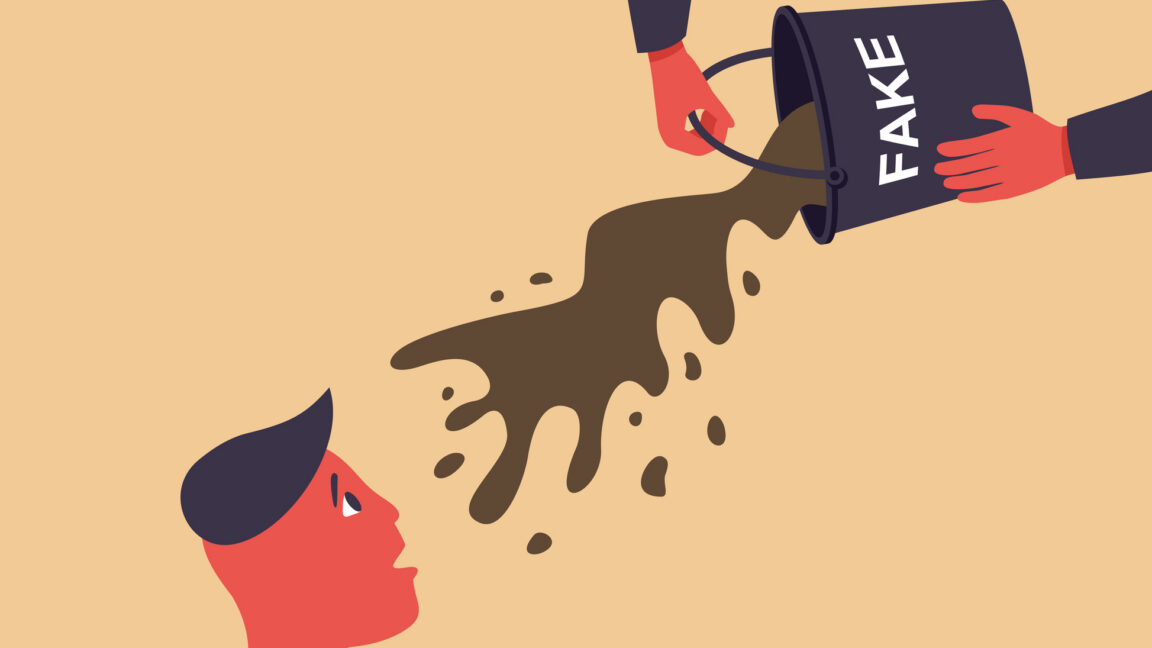
*圖片來源:media_content*
Future implications may include continued refinement of how dictionary-makers present Word of the Year selections, including explanations of the term’s etymology, usage contexts, and examples illustrating both appropriate and inappropriate usage. There could also be opportunities for collaboration with educators, journalists, and technologists to develop practical guidelines for evaluating AI content. As the public becomes more conversant with terms related to AI quality—such as “slop” and others—the vocabulary will continue to evolve in tandem with the technologies that shape everyday communication.
Perspectives and Impact
The choice of “slop” as Word of the Year carries a pragmatic, rather than celebratory, tone. It signals concern about the erosion of quality in AI-generated content and serves as a social barometer for user experience across digital platforms. This perspective aligns with the experiences of many internet users who encounter a mix of human- and machine-authored content online, sometimes to their benefit and at other times to their frustration.
From a platform governance standpoint, the term highlights a critical area for policy development: transparency and accountability. If an article or post is AI-assisted or AI-generated, should readers receive explicit disclosure? Should platforms implement standardized indicators or badges to differentiate content origins? These questions are central to maintaining trust and mitigating misinformation in online environments where AI tools are ubiquitous.
Ethical considerations also arise. The “slop” label underscores concerns about the potential for AI-generated content to mislead, whether intentionally or inadvertently. For example, AI content might reproduce biases, propagate inaccuracies, or imitate credible voices without adequate safeguards. Addressing these issues requires a combination of technical safeguards, editorial oversight, and user empowerment through education and tooling.
On the positive side, AI technologies have demonstrated substantial benefits in accessibility, efficiency, and creativity. They can draft outlines, translate text, summarize large data sets, and generate prototypes for various applications. The challenge lies in balancing these capabilities with rigorous quality control, ensuring that speed and scale do not come at the expense of truthfulness, clarity, and usefulness. The “slop” designation serves as a reminder that speed must be paired with responsibility.
Culturally, the term reflects a shared vernacular response to a technology-driven shift in communication. Language users naturally invent and adopt adjectives that capture collective sentiment, and “slop” provides a succinct descriptor of a frustrating encounter with AI content. As AI continues to pervade consumer and professional life, such terms will help communities articulate their experiences, warn peers, and negotiate expectations about what constitutes credible information.
Looking ahead, the Word of the Year choice may influence how educational institutions and media organizations frame discussions about AI. It could encourage more explicit editorial standards, more transparent production processes, and more vigilant critical thinking among audiences. If the public’s lexicon continues to evolve around AI content quality, dictionaries may play a continuing role in documenting these shifts, providing context for readers as technologies advance and content ecosystems adapt.
Key Takeaways
Main Points:
– Merriam-Webster’s Word of the Year for 2024 is “slop,” reflecting concerns about low-quality AI-generated content.
– The choice signals a broader cultural and informational challenge: how to assess the reliability and integrity of AI-influenced material.
– The decision invites platforms, educators, and publishers to consider transparency, quality benchmarks, and media literacy as AI becomes more pervasive.
Areas of Concern:
– Proliferation of unreliable or deceptive AI-generated content.
– The need for clear provenance, attribution, and verification mechanisms.
– Potential erosion of trust in online information and media literacy gaps.
Summary and Recommendations
The selection of “slop” as Merriam-Webster’s Word of the Year for 2024 encapsulates a significant moment in the public conversation about artificial intelligence and content quality. It is not an indictment of AI technology itself but a call to recognize and address the real-world consequences of low-quality AI-generated content. As AI tools become increasingly capable of producing vast amounts of text and media, the importance of distinguishing credible information from sloppy output becomes critical for readers, educators, and institutions alike.
To address these challenges, stakeholders should pursue a multi-faceted approach:
– Increase transparency: Platforms and publishers should clearly disclose AI involvement in content creation, including the extent of AI use and the human oversight applied.
– Establish quality benchmarks: Develop and adopt norms for evaluating AI-generated content, focusing on accuracy, coherence, tone, and factual grounding.
– Enhance media literacy: Integrate AI-awareness into education and public curricula, teaching readers how to verify sources, detect inconsistencies, and assess provenance.
– Invest in provenance tools: Support technologies that trace authorship, track edits, and verify claims, enabling users to make informed judgments about content quality.
– Balance innovation with accountability: Encourage responsible use of AI to augment human capabilities while maintaining high standards for information integrity.
In conclusion, Merriam-Webster’s “slop” captures a shared frustration with AI-driven content that fails to meet quality expectations, while also signaling an opportunity to improve how information is produced, labeled, and consumed in a digital era. By embracing transparency, developing robust evaluation frameworks, and fostering media literacy, society can navigate the AI-enabled information landscape with greater confidence and resilience.
References
- Original: https://arstechnica.com/ai/2025/12/merriam-webster-crowns-slop-word-of-the-year-as-ai-content-floods-internet/
- Additional references:
- [To be inserted: relevant academic or industry analyses on AI content quality and media literacy]
- [To be inserted: policy discussions on transparency and provenance in AI-generated content]

*圖片來源:Unsplash*