TLDR
• Core Points: Mirror walls are making a moody, sophisticated comeback in 2026, emphasizing texture, lighting, and warm tones to avoid cold reflections.
• Main Content: The trend blends glossy surfaces with inviting materials to create spaces that feel both luxurious and intimate.
• Key Insights: Strategic placement, lighting choices, and mixed-media textures are essential to balance reflectivity with coziness.
• Considerations: Maintenance, glare, and spatial planning should be addressed to maximize comfort and practicality.
• Recommended Actions: Pair mirrors with warm lighting, architectural depth, and soft textiles; choose varied frame styles and sizes for rhythm and depth.
Content Overview
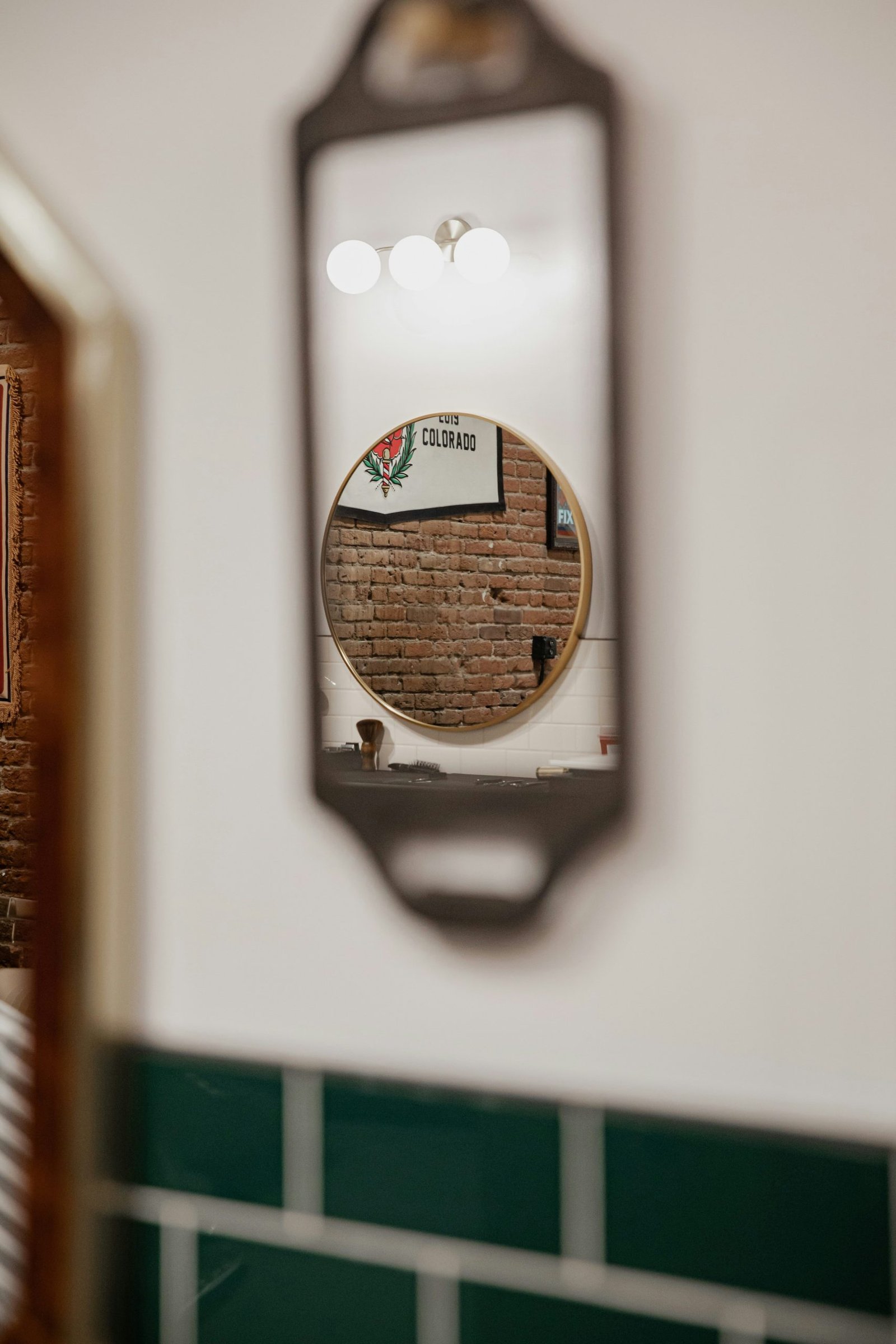
The year 2026 signals a renewed interest in mirror wall décor, shifting away from stark, all-glass surfaces toward more nuanced, moody interpretations. Rather than simply amplifying a room’s brightness, contemporary mirror walls are used to add depth, texture, and a sense of ambient warmth. Designers emphasize that glass can reflect more than light: it can echo personality, soften hard architectural lines, and create intimate corners within open-plan layouts.
Historically, mirrors have played a dual role in interior design. They visually expand spaces, amplifying light and airiness, while also serving as decorative focal points. In 2026, the trend expands this idea by integrating mirror walls with tactile materials such as wood, fabric, stone, and warm metals. The result is a cohesive aesthetic that feels polished without being clinical, inviting occupants to linger and engage with their surroundings.
This shift reflects broader consumer desires for homes that are both stylish and livable. Homeowners seek environments that respond to daily life—areas that feel glamorous yet comfortable, reflective without being overpowering, and dramatic without sacrificing practicality. The mirror wall trend answers these needs by offering versatility: mirrors can highlight architectural details, draw attention to artwork, or carve out intimate zones within larger rooms.
In-Depth Analysis
The 2026 approach to mirror walls centers on balance. A purely reflective surface can read as cold or sterile, so designers blend mirrors with warm materials to temper glare and soften lines. Textural contrast is key: combine high-gloss panels with matte finishes, plush textiles, and natural textures. For example, a wall of beveled mirrors framed by wood or fabric-wrapped panels can echo a luxury boutique while maintaining a homelike feel.
Lighting strategy is crucial. Mirrors amplify light, so the placement of light sources matters as much as the mirrors themselves. Rather than relying solely on ceiling-mounted fixtures, designers favor layered lighting: wall sconces, table lamps with warm bulbs, and indirect cove lighting that wash the mirror surface with gentle glow. The result is a reflective surface that enhances atmosphere rather than creating harsh reflections.
Color and tone are also important considerations. The moody version of the trend favors warm, earthy palettes—creams, taupes, caramel, and charcoal—with the mirrors acting as amplifiers of these hues. Cool-toned environments can benefit from adding amber-tinted glass or gold-tone frames to introduce warmth and prevent the space from feeling clinical.
Scale and proportion matter. Large-format mirrors can make a room seem more expansive, but they should be balanced with proportionate furnishings and architectural features. A full-wall mirror might be appropriate in a spacious living area or a primary bathroom transformed into a spa-like retreat. In smaller spaces, a gallery-style arrangement—smaller mirrors in a curated grid or asymmetrical gallery—can create depth without overwhelming the room.
Frame options influence the mood. Frameless mirror walls read as modern and minimalist, while framed variations offer texture and visual interest. Frames in metals such as brass or aged nickel introduce warmth; wooden frames or fabric-wrapped borders contribute tactility, softening the reflective surface. The choice between frameless and framed should align with the broader interior design language, whether it’s contemporary, traditional, or eclectic.
Maintenance considerations are practical but essential. Mirrors require regular cleaning to avoid streaks that dull the effect. Anti-fog or anti-glare coatings can improve usability in bathrooms or kitchens. In high-traffic areas, consider protective coatings or multi-layered installations to minimize smudges and scratches. The trend’s versatility lies in its adaptability: homeowners can implement a single feature wall or an integrated system of mirrors that runs along a corridor or within an open-plan living space.
Functionality should not be overlooked. Beyond aesthetics, mirror walls influence acoustics. They can reflect sound and sometimes amplify it, affecting how a room feels in terms of echo and intimacy. Designers recommend pairing mirror-rich walls with soft furnishings, rugs, and upholstered seating to absorb sound and maintain comfort.
The trend also aligns with sustainability and longevity. Rather than disposable decorative choices, many homeowners opt for timeless mirror designs that age gracefully, coupled with quality frames and durable backing materials. By investing in versatile pieces that can be reinterpreted across spaces, the mirror wall trend supports a sustainable approach to interior styling.
Finally, the cultural and stylistic implications are worth noting. Mirror walls can be used to reference luxury traditions—glamorous hotels, art-deco warmth, or mid-century modern echoing clean lines—while still feeling contemporary. The trend invites experimentation: a mirror wall can host embedded lighting, integrated shelving, or even art installations behind glass for layered storytelling within a room.

*圖片來源:Unsplash*
Perspectives and Impact
As the interior design landscape evolves, mirror walls in 2026 reflect broader shifts toward experiential spaces. Homes are increasingly viewed as stages for daily rituals, work, and social life, requiring surfaces that can adapt to diverse activities. The moody, cosy interpretation of mirror walls supports this by offering a flexible backdrop that can be tailored to moments of conversation, relaxation, or focus.
From a design education perspective, the trend underscores the importance of material literacy. Understanding how glass interacts with light, color, texture, and sound empowers designers to craft spaces that feel both dramatic and inviting. This knowledge enables practitioners to design with intent—choosing glass types, frame materials, and lighting schemes that synergize rather than compete.
The impact on consumer behavior is notable. Mirror walls convey a sense of upgraded living that remains accessible with careful planning. They encourage homeowners to invest in high-quality finishes and consider how reflections alter perception—how a well-placed mirror can magnify a cozy seating arrangement or reveal a hidden architectural feature.
The technology and manufacturing side are also evolving. Advances in reflective coatings, edge-bending precision, and modular mirror systems facilitate more complex installations with fewer seams. This makes it practical to implement mirror walls in varied architectural contexts, from open-plan lofts to compact apartments, ensuring the trend remains scalable and adaptable.
In terms of sustainability, the trend supports longevity and reusability. Mirror panels and framed installations can be disassembled and reconfigured to fit new floor plans or design schemes, reducing waste compared with fast-decor items. When paired with sustainable materials for framing and backing, the overall environmental footprint can be minimized.
Looking ahead, the mirror wall trend is likely to intersect with related design movements, such as biophilic design and warm minimalism. The integration of natural materials, soft textures, and luminous surfaces can create harmonious environments that feel both contemporary and humane. The trend’s longevity will depend on its ability to remain adaptable to changing lifestyles, family dynamics, and the evolving notions of comfort in living spaces.
Key Takeaways
Main Points:
– Mirror walls are trending in 2026 with moody, cosy interpretations that balance reflectivity with warmth.
– Layered lighting, mixed textures, and warm color palettes enhance the effect and prevent glare.
– Framing choices, scale, and strategic placement determine mood and functionality.
Areas of Concern:
– Maintenance and the potential for glare in daylight or camera-lit settings.
– Overuse can make spaces feel too clinical or disorienting.
– Acoustic considerations require thoughtful fabric and texture integration.
Summary and Recommendations
The mirror wall décor trend for 2026 offers a versatile path to a sophisticated yet welcoming interior. By combining reflective surfaces with warm textures, layered lighting, and careful framing, homeowners can achieve a space that feels expansive without sacrificing coziness. Key recommendations include:
- Use mirrors to highlight architectural features or to carve intimate zones within larger rooms.
- Pair reflective walls with warm lighting and soft textures to counterbalance the potential coldness of glass.
- Select varied mirror scales and frame styles to create rhythm and depth, avoiding a monotonous surface.
- Prioritize maintenance and glare control through coatings, thoughtful placement, and regular cleaning.
- Consider sustainability by choosing durable materials and modular installations that can be reconfigured over time.
With these strategies, the mirror wall trend can enhance both aesthetics and livability, delivering spaces that feel luxurious, contemporary, and comfortably inviting.
References
- Original: https://abeautifulspace.co.uk/the-mirror-wall-decor-trend-for-2026-how-to-make-it-cosy-chic/
- Additional references:
- https://www.homeadvisors.com/mirror-wall-trends-2026
- https://wwwarchitecturaldigest.com/story/mirror-wall-design-tips
- https://www.dezeen.com/2023/10/02/mirror-wall-ideas-interior-design/

*圖片來源:Unsplash*