TLDR
• Core Points: Nvidia CEO Jensen Huang suggested reviving older GPUs with the latest AI tech could be a prudent move amid AI demand and DRAM shortages.
• Main Content: Rumors circulate about restarting RTX 3060 production; GPU pricing climbs as AI workloads strain supply, with speculative pricing for high-end models like RTX 5090.
• Key Insights: Balancing supply, demand, and cost will shape future GPU strategies; compatibility and performance trade-offs will influence adoption of older-gen hardware with newer AI features.
• Considerations: Market timing, component constraints, software optimization, and consumer perception will determine viability of revivals.
• Recommended Actions: Stakeholders should monitor supply chains, potential licensing or rebranding strategies, and software ecosystems to maximize usefulness of revived SKUs.
Content Overview
The GPU market has long cycled through periods of rapid demand and supply constraints, with artificial intelligence workloads emerging as a dominant driver in recent years. Nvidia, a central player in this space, has consistently evolved its product lineup to address the needs of AI researchers, data centers, developers, and enthusiasts. This evolution includes a mix of new generations and iterative updates to existing architectures, aimed at delivering improved performance, efficiency, and AI capabilities.
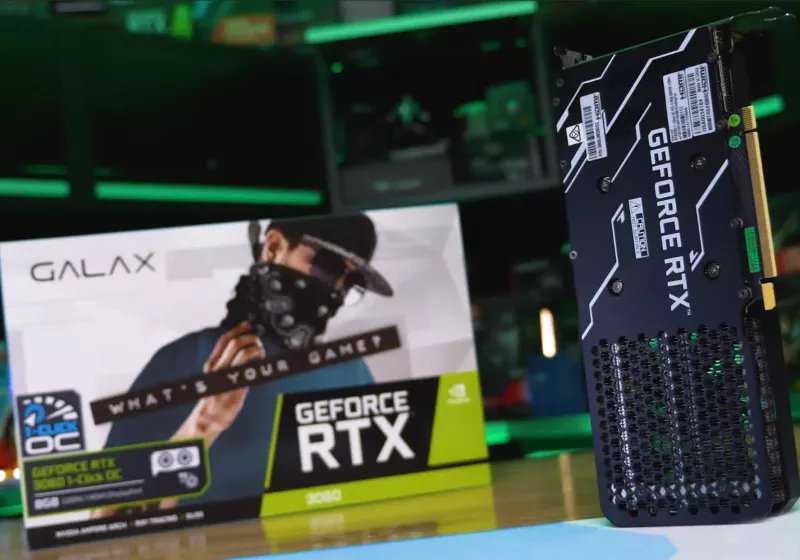
One topic that recently gained attention in industry chatter is whether Nvidia might restart production of older GPUs that could be enhanced with newer AI software and technologies. The RTX 3060, released in 2021, serves as a focal point for such discussions. The card originally offered a balance of price and mid-range performance at a time when ray tracing and AI-accelerated workflows were becoming more mainstream. It was subsequently discontinued in 2024 as the company shifted focus to newer architectures and products optimized for AI workloads and high-performance computing.
Meanwhile, the broader market faces continued pressure from AI data centers and enterprise customers that demand substantial DRAM and GPU resources. The surge in AI model training and inference tasks has contributed to tight memory markets, driving higher prices for some GPU components and systems. In this environment, rumors have circulated about pricing trajectories for flagship and high-end segments, including speculative discussions around the RTX 5090 reaching price points near $5,000 in certain configurations or markets.
This article examines the plausibility, potential benefits, and risks associated with reviving older GPUs with the latest AI-enabled features, the market forces driving GPU pricing, and what such a strategy might mean for consumers, developers, and enterprise buyers. It also considers how Nvidia’s product planning could balance legacy hardware desirability with the demand for cutting-edge AI performance.
In-Depth Analysis
The idea of reintroducing older GPUs with updated AI capabilities touches on several interconnected considerations: performance, efficiency, software support, and total cost of ownership. Nvidia’s approach over the years has included both refreshing existing lines through firmware updates, software accelerators, and model-optimized libraries, as well as introducing new generations that leverage advances in silicon, memory bandwidth, and AI-specific accelerators.
Performance alignment is a key question. New AI models and frameworks often benefit from hardware features introduced in more recent generations, such as tensor cores, larger memory bandwidth, and improved FP32/FP16 performance. If Nvidia were to bring back an older GPU model like the RTX 3060 equipped with newer AI tooling, it would need to demonstrate compelling performance-per-dollar gains relative to existing mid-range offerings. This could be achieved through software optimizations, driver improvements, and potential microarchitectural enhancements that do not require a full hardware redesign. The viability of such a strategy would hinge on how well the refreshed card can deliver AI inference and training capabilities without compromising power efficiency or price competitiveness.

*圖片來源:Unsplash*
From a market perspective, reviving an older GPU could be a response to demand volatility and supply chain constraints. The AI market’s appetite for GPUs remains robust, with data centers, cloud providers, and developers driving sustained consumption. If memory and component availability remain tight, reintroducing a popular, affordable SKU with updated AI features could help Nvidia maintain market share and offer an accessible entry point for developers and researchers who may not require the most powerful systems. However, this approach could also risk cannibalizing sales of newer models or fragmenting the product line, making demand forecasting and inventory management more complex.
Pricing dynamics add another layer of complexity. The reported rumors about the RTX 5090 approaching $5,000 reflect a broader trend where AI-focused GPUs command premium prices due to their specialized capabilities, large memory footprints, and the premium associated with cutting-edge hardware. For mid-range cards, even modest gains in AI performance can justify higher prices if the product remains attractive relative to competitors and offers clear value in terms of energy efficiency and software stack advantages. Yet, price sensitivity among enthusiasts, researchers, and enterprises means Nvidia would need to carefully balance hardware capabilities, software advantages, and total cost of ownership.
Software ecosystems play a critical role in supporting any revived hardware. Nvidia’s CUDA platform, AI frameworks, and library ecosystems are central to maximizing hardware efficiency. If an older GPU is reintroduced with updated AI features, developers will expect robust driver support, optimized kernels, and compatibility with major deep learning frameworks. Software readiness could determine how quickly users adopt the refreshed SKU and how well it integrates into existing data center or workstation environments. In this context, Nvidia’s partners, including system integrators and cloud providers, would benefit from clear roadmaps and predictable support cycles to plan deployments.
The broader industry implications also include considerations about energy efficiency and environmental impact. Reintroducing older silicon with modern AI accelerators may offer a favorable performance-per-watt balance for certain workloads, but it could also conflict with the push toward more energy-efficient, newer architectures. Stakeholders should assess not only performance gains but also the environmental footprint and total cost of power consumption across typical AI workloads.
Perspectives and Impact
For researchers and developers, access to a wider range of GPUs with robust AI capabilities could lower barriers to entry for experimentation, small-scale projects, or education. An affordable yet AI-capable option could stimulate innovation by enabling more individuals and smaller teams to prototype models, test new techniques, and validate ideas without committing to the most expensive hardware. However, this potential democratization hinges on the availability of comprehensive software stacks, driver stability, and adequate memory resources that meet the demands of modern AI workloads.
Enterprises and data centers would weigh the benefits of having an extended hardware roster against the complexities of compatibility and maintenance. A refreshed older SKU could provide a cost-effective option for specific inference tasks or for workloads that don’t demand the latest tensor-core capabilities. It could also offer a smoother upgrade path for organizations with existing GPU investments, enabling phased migrations without a wholesale shift to the highest-end models. On the other hand, data centers prioritize reliability, long-term support, and total cost of ownership. Nvidia would need to guarantee predictable supply, consistent firmware support, and a robust software ecosystem to avoid fragmentation across workloads.
From a competitive perspective, other GPU vendors might respond with their own refresh cycles or price adjustments to defend market share. The AI acceleration landscape is highly dynamic, with customers evaluating a mix of raw performance, memory availability, software maturity, and ecosystem compatibility. Nvidia’s strategic choices regarding reviving older GPUs or introducing value-oriented AI-enabled SKUs could influence pricing and product development across the broader market.
Future implications include the potential for more frequent product refreshes that blend legacy hardware with modern AI features, as well as renewed interest in mid-range GPUs for AI workloads. If successful, Nvidia’s approach could set a precedent for other manufacturers to reconsider older frameworks when paired with contemporary software acceleration. The industry could move toward more modular upgrade paths in which customers can gradually augment older hardware with AI-specific software and firmware enhancements, extending lifecycles and reducing e-waste while maintaining performance relevancy.
Key Takeaways
Main Points:
– The GPU market remains tightly linked to AI demand and memory supply constraints.
– Reintroducing older GPUs with updated AI capabilities could offer a cost-effective path for some users if hardware and software align.
– Software ecosystems, pricing strategies, and supply chain stability will determine the viability of revived SKUs.
Areas of Concern:
– Potential cannibalization of newer products and market segmentation complexity.
– Uncertain performance gains versus cost in the context of rapidly advancing AI hardware.
– Long-term software support and firmware maintenance for revived SKUs.
Summary and Recommendations
The notion of reviving older GPUs equipped with the latest AI technology represents a strategic option for Nvidia amid ongoing AI-driven demand and supply constraints. If executed with careful attention to performance-per-dollar, software readiness, and predictable supply, such a move could broaden access to AI-capable hardware without requiring customers to purchase the latest flagship models. However, market reception will hinge on clear demonstrations of meaningful AI performance improvements, stable driver and software ecosystems, and transparent pricing that reflects the value provided by the revived SKUs.
For consumers and enterprises, the path forward involves careful evaluation of workload requirements, total cost of ownership, and software compatibility. For Nvidia, the decision will likely balance product lifecycle considerations, strategic positioning against competitors, and the broader goals of maintaining hardware relevance while optimizing profitability.
References
– Original: http://techspot.com/news/110836-jensen-huang-calls-releasing-older-gpus-featuring-latest.html
– Additional context on AI GPU demand and pricing trends: industry reports and market analyses (to be appended as appropriate).

*圖片來源:Unsplash*