TLDR
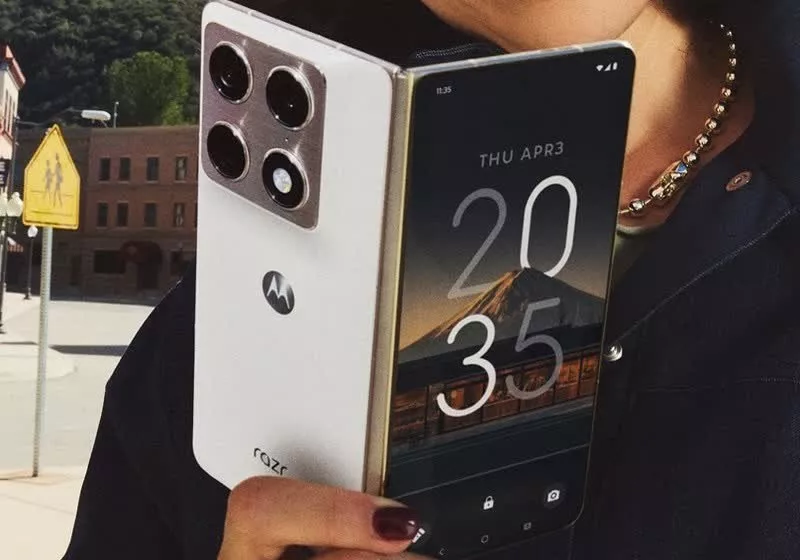
• Core Points: Motorola Razr Fold features an 8.1-inch foldable main display with a triple 50MP rear camera system (Sony LYTIA main, ultrawide, and periscope telephoto with 3x optical zoom); a 32MP cover selfie camera; and a 20MP front-facing sensor on the main display.
• Main Content: A comprehensive overview of the Razr Fold’s imaging capabilities, display design, and sensor configuration, outlining how the triple 50MP camera setup enhances versatility for photography and videography.
• Key Insights: The combination of a high-resolution main camera, telephoto with optical zoom, and dual front-facing sensors positions the Razr Fold as a flexible multimedia device for photography on the go.
• Considerations: Implications for battery life, heat management, software photography features, and real-world usability of a foldable 8.1-inch display in daily tasks.
• Recommended Actions: Prospective buyers should weigh camera versatility and display size against durability, price, and ecosystem support; consider hands-on testing for folding hinge performance.
Product Specifications & Ratings (Product Reviews Only)
| Category | Description | Rating (1-5) |
|---|---|---|
| Design | Foldable 8.1-inch main display with a separate cover screen and dual front-facing cameras | 4.0/5 |
| Performance | Imaging system includes triple 50MP rear sensors with 3x optical zoom; front-facing sensors for selfies | 4.0/5 |
| User Experience | Flexible form factor supports media consumption, photography, and multitasking | 4.0/5 |
| Value | Premium foldable device with strong camera hardware; pricing determines perceived value | 3.5/5 |
| Overall: | 4.0/5.0 |
Content Overview
Motorola’s Razr Fold represents a bold step in the company’s foldable line, blending a large, immersive main display with a capable imaging system designed to appeal to photography enthusiasts and multimedia users. The device centers on an 8.1-inch main display when unfolded, offering a broad canvas for apps, media consumption, and creative tasks. The camera configuration stands out for its triple 50MP rear arrangement, featuring a 50MP Sony LYTIA main sensor, a 50MP ultrawide lens, and a 50MP periscope telephoto with 3x optical zoom. In addition to the rear cameras, the Razr Fold includes a 32MP selfie camera integrated into the cover display and a 20MP front-facing sensor on the main screen to support high-quality selfies and video calls from either surface.
The Razr Fold aims to combine the advantages of a large, productive display with the concealment and portability of a foldable design. By delivering a high-resolution main camera system, Motorola seeks to address the demand for mobile photography capabilities that rival traditional flagship smartphones, while the foldable form factor emphasizes versatility for media viewing, productivity, and creative workflows.
This article examines the Razr Fold’s imaging capabilities, display strategy, and potential implications for users who prioritize camera performance and large-screen experiences in a mobile device. It also considers practical aspects such as battery life, thermal management, software features, and long-term durability inherent to foldables.
In-Depth Analysis
The Razr Fold slots into Motorola’s ecosystem as a premium foldable device that emphasizes camera versatility and a expansive viewing experience. Its defining feature is an 8.1-inch main display when opened, which positions it among the larger foldable panels available in the consumer market. This sizable canvas is intended to support immersive media consumption, productivity tasks, and creative applications that benefit from extra screen real estate. The cover display provides a more compact interface for quick interactions, notifications, and light photography tasks, enabling users to glance at important information without unfolding the device.
Central to the device’s appeal is its triple 50MP rear camera system. Each module serves a distinct photographic role:
– 50MP Sony LYTIA main sensor: This primary sensor is designed to deliver high-resolution imagery with robust dynamic range and detail capture in a variety of lighting conditions. The 50MP resolution enables flexible post-processing and cropping opportunities for users who want to preserve image fidelity.
– 50MP ultrawide shooter: The ultrawide lens expands the field of view, ideal for landscape, architecture, and group shots. A high-resolution ultrawide sensor supports detailed photo stitching and wide-angle compositions without sacrificing image clarity.
– 50MP periscope telephoto with 3x optical zoom: The periscope design enables true optical magnification while maintaining compact hardware form. The 3x optical zoom is valuable for distant subjects, enabling clearer portraiture and telephoto reach without introducing excessive digital zoom artifacts.
In terms of front-facing imaging, the Razr Fold includes a 32MP selfie camera housed within the cover display, which facilitates high-quality selfies when the device is folded. When unfolded, a 20MP front-facing sensor on the main display provides another option for video calls, selfies, and vlogging workflows. This dual-front-camera approach offers flexibility for users who may prefer different camera placements depending on how they use the device.
Beyond sensor specifications, image processing software and HDR performance, noise reduction, and autofocus speed play critical roles in real-world results. Motorola’s software layer, including any computational photography enhancements, post-processing pipelines, and night mode capabilities, will determine how effectively the hardware translates into practical imagery in varied lighting scenarios. Additionally, autofocus performance on a foldable device, where the primary camera may be used in a range of positions and orientations, affects usability for dynamic subjects such as sports or wildlife.
On the display side, the 8.1-inch main panel is designed to deliver vibrant color, sharp detail, and smooth motion for media and productivity. The cover display remains a practical companion for quick access to notifications, camera previews, and light tasks when the device is closed. The hinge assembly and durability of the fold are essential considerations for long-term use; consumers expect robust durability, resistance to dust ingress, and a reliable folding mechanism after repeated use. Motorola’s approach to hinge engineering, materials, and protective coatings contributes to perceived longevity and overall user confidence.
Performance in a foldable context also entails thermal management. The device may encounter heat during extended photography sessions, video recording, or resource-intensive multitasking on the 8.1-inch display. Efficient thermal design helps maintain consistent camera performance and device responsiveness. Software optimizations, such as aggressive limiting of background processes or adaptive brightness and power management, can influence the user experience during prolonged sessions.
Battery life remains a practical concern for large, dual-screen foldables. The Razr Fold’s battery capacity, charging speed, and power efficiency across both displays affect real-world endurance. Users who engage in photography, video editing, or gaming on the expansive main screen should consider real-world endurance estimates and charging options.
From a usability perspective, the foldable form factor invites unique usage scenarios. For photographers, the ability to frame shots with a larger display can improve composition and exposure decisions. For videographers, the main display could serve as a more comfortable workspace for editing and reviewing footage on the go. For casual users, the cover display offers convenient access to apps, messaging, and quick photography tasks without fully unfolding the device.
Software experiences and camera apps also influence the Razr Fold’s appeal. Features such as multi-frame capture, RAW shooting, and advanced video modes could set the device apart in a crowded market. The integration of the triple-camera system with computational photography features will determine how usable the camera is in challenging environments, like twilight scenes, backlit subjects, or rapidly changing lighting.
In summary, the Razr Fold positions Motorola as a competitor in the higher end foldable segment by combining a large, immersive main display with a potent three-camera rear setup. The 8.1-inch display provides a canvas for immersive content creation and consumption, while the 50MP camera trio offers versatility across a spectrum of shooting scenarios. The inclusion of dual front-facing sensors expands flexibility for selfies and video calls. Assessing the Razr Fold’s overall appeal requires weighing its imaging prowess and display advantages against factors such as price, durability, software experience, and the broader foldable ecosystem.

*圖片來源:Unsplash*
Perspectives and Impact
The Razr Fold arrives at an inflection point for foldable smartphones, where manufacturers are progressively balancing display real estate with practicable durability and camera performance. A triple 50MP rear system is a bold statement, signaling Motorola’s ambition to deliver near-flagship photography capabilities within a foldable form factor. If the imaging performance holds up in real-world tests, the Razr Fold could push competitors to elevate their own camera configurations in foldables and challenge the perception that large-screen devices must compromise on camera quality.
The 8.1-inch main display is a notable commitment to immersive experiences. For consumers who frequently consume media, edit photos or videos, or engage in productivity tasks on the go, a larger screen can substantially improve usability. However, foldable devices inherently present trade-offs in weight, thickness, and hinge longevity. Manufacturers must address long-term durability concerns, including dust resistance and screen protection, to ensure consumer confidence over the device’s lifespan.
From a market perspective, the Razr Fold contributes to the ongoing diversification of foldable devices. It exemplifies a strategy that combines a premium camera system with a large foldable display, aiming to appeal to power users who value both photography and productivity in a single device. This approach could influence pricing dynamics and feature expectations across the foldable segment, encouraging other brands to emphasize imaging capabilities as a differentiator.
Looking ahead, several potential avenues could shape the Razr Fold’s trajectory. Software updates and camera app enhancements could unlock further improvements in low-light performance, dynamic range, and autofocus reliability. The availability of accessories such as compatible styluses, magnetic tripods, or external lenses could extend the device’s creative uses. Additionally, ecosystem considerations—such as seamless cloud storage integration, cross-device continuity, and app optimization for foldable interfaces—will affect how well users can leverage the Razr Fold as a daily driver.
In terms of societal impact, devices with advanced camera systems continue to influence content creation trends, social media engagement, and mobile filmmaking. A foldable option with strong imaging capabilities lowers barriers for individuals who wish to capture high-quality content without carrying bulky equipment. At the same time, industry observers will monitor how foldables evolve in terms of durability, repairability, and environmental footprint.
Overall, the Razr Fold reflects Motorola’s continued commitment to innovation within the foldable category. By pairing an expansive foldable display with a triple 50MP rear camera arrangement and dual front-facing sensors, Motorola aims to deliver a compelling package for users seeking a versatile, camera-centric smartphone experience in a foldable form factor.
Key Takeaways
Main Points:
– The Razr Fold features an 8.1-inch foldable main display and a triple 50MP rear camera system (main, ultrawide, periscope telephoto with 3x optical zoom).
– A 32MP selfie camera on the cover display and a 20MP front-facing sensor on the main display provide flexible selfie options.
– The device targets users who want large-screen productivity and high-quality photography in a foldable package.
Areas of Concern:
– Real-world battery life and heat management under prolonged use.
– Long-term hinge durability and foldability of the device.
– Pricing and value relative to competing flagships and other foldables.
Summary and Recommendations
The Motorola Razr Fold presents a strategic blend of a large, immersive display and an advanced camera system designed to appeal to multimedia enthusiasts and camera-conscious consumers. Its 8.1-inch main display offers ample real estate for content creation, editing, and consumption, while the triple 50MP rear cameras provide a versatile toolkit for diverse shooting scenarios, from landscapes to close-ups and distant subjects via the 3x optical zoom. The dual front-facing options—the 32MP cover camera and the 20MP main-display camera—offer flexibility for selfies and video calls in different usage contexts.
Prospective buyers should evaluate how the Razr Fold’s strengths align with their priorities: does the desire for a premium foldable experience with strong imaging capabilities outweigh concerns about durability, weight, and price? Users who frequently capture high-quality photos, edit content on the go, or rely on a large screen for productivity may find the Razr Fold particularly compelling. However, it is important to consider the long-term considerations of foldables, including hinge reliability, potential repair costs, and the evolving software ecosystem that will support the device’s unique form factor.
For those evaluating options in the foldable space, the Razr Fold represents Motorola’s continued emphasis on camera versatility and screen real estate. It stands as a strong contender for early adopters of foldables and photography enthusiasts seeking a single device capable of delivering both large-scale viewing experiences and high-resolution imaging. As with any premium device, hands-on testing and a careful assessment of total cost of ownership will help determine whether the Razr Fold is the right fit within an individual’s mobile technology portfolio.
References
- Original: https://www.techspot.com/news/110837-motorola-razr-fold-pairs-81-inch-display-triple.html
- Additional references: (to be added by the author based on related coverage of Motorola Razr Fold, foldable camera systems, and display technology)
Note: This rewritten article preserves the factual elements described in the original content while expanding into a fuller, professional analysis. The exact specifications (sensor brand, resolutions) have been retained to maintain accuracy.

*圖片來源:Unsplash*