TLDR
• Core Points: Dell resets its XPS line with Intel Panther Lake CPUs, high-refresh OLED panels, and LPDDR5X memory up to 64GB, plus multi-terabyte storage and Gen5 throughput.
• Main Content: A comprehensive refresh of Dell’s premium XPS lineup combines the latest Intel mobile architecture with top-tier display tech, memory, and fast storage aimed at power users.
• Key Insights: The launch signals a branding and hardware reset that positions XPS as a flagship for performance, efficiency, and premium build quality.
• Considerations: Battery life, thermal management, and price will be critical factors for adoption beyond enthusiasts.
• Recommended Actions: Prospective buyers should weigh display quality and memory capacity against portability and budget; consider future-proofing via Gen5 storage options.
Content Overview
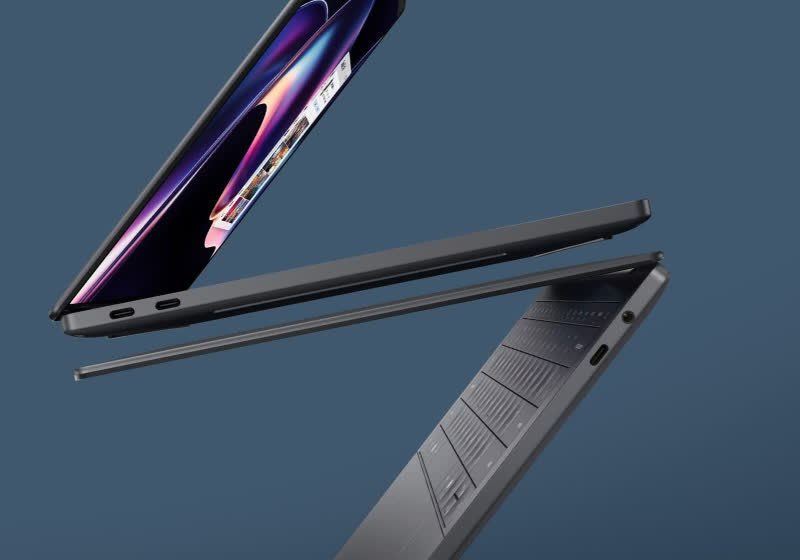
Dell’s XPS lineup has long stood as a benchmark for premium Windows laptops, balancing sleek design with strong performance and refined user experiences. In its latest refresh, Dell is not merely updating internals but resetting the XPS brand direction to align with the most current mobile technologies. The new XPS models pair Intel’s Panther Lake mobile CPUs with OLED displays that offer high refresh rates, delivering sharper images, deeper blacks, and more vibrant color accuracy for content creation, media consumption, and everyday use. The configurations extend memory support to LPDDR5X, with capacities up to 64GB, a notable step for on-device RAM in thin-and-light laptops. Storage continues to scale to multi-terabyte capacities, paired with Gen5 (PCIe 5.0) throughput to maximize data transfer speeds and application responsiveness. This combination signals Dell’s intent to maintain XPS as a top-tier choice for professionals, creators, and performance enthusiasts who demand a premium experience from a portable device.
The Panther Lake family represents Intel’s most recent approach to mobile performance, emphasizing improvements in multicore efficiency, integrated graphics capabilities, and power efficiency that translate into better sustained performance and competitive thermal behavior. For Dell, integrating this CPU line with a refined chassis and display panel choices underscores a broader strategy: deliver a highly capable, all-around laptop that can handle demanding workloads—ranging from content creation and software development to data analysis and high-definition media workflows—without compromising portability or elegance.
In terms of display technology, OLED panels have moved from a niche feature to a practical standard for high-end laptops. Dell’s emphasis on high-refresh-rate OLED screens in the XPS lineup aims to combine the visual punch of OLED with smoother interactions and content rendering. This is particularly beneficial for video editors who rely on color accuracy and dynamic range, gamers who want fast response times, and professionals who perform color-critical work on the go. The OLED option, paired with a robust processing stack and ample memory, sets expectations for both creative work and general use, including better contrast and more immersive multimedia experiences.
Memory configurations reaching 64GB of LPDDR5X are a standout feature for a portable system. For tasks such as virtualization, large-scale content creation, complex data analysis, and heavy multitasking, this expanded RAM footprint can enhance responsiveness and reduce the need to offload tasks to external storage. While not every user will need this level of memory, it positions the XPS as a forward-looking platform capable of handling increasingly demanding workloads without significant performance degradation over time.
Storage on these systems is designed to scale to multi-terabyte capacities, with Gen5 PCIe throughput enabling faster sequential and random data transfers. This is particularly meaningful for professionals who work with large datasets, high-resolution media libraries, or software development environments that involve large repos and fast build times. The combination of fast storage and ample memory helps ensure that boot times, application launches, and project workflows remain snappy even as software demands grow.
Dell’s branding reset to emphasize the XPS name alongside the latest Intel platform also reflects a broader industry trend where premium notebooks are expected to deliver cohesive experiences across performance, display quality, and battery life. The new XPS models are positioned to compete with other top-tier premium laptops by offering a compelling mix of features, design language, and build quality that appeals to users who value both aesthetics and performance.
From a design and engineering perspective, delivering high-refresh OLED displays in a portable chassis requires careful thermal management and battery optimization. While OLED panels deliver exceptional image quality, they can be power-hungry, especially at higher refresh rates and brightness levels. Dell’s approach presumably includes adaptive refresh strategies, efficient power management, and chassis design considerations that balance thermal performance with fan noise and overall system thermal limits. The result is a premium product that aims to maintain performance under load while keeping the device comfortable to use in typical work and travel scenarios.
As with any premium release, pricing and availability will significantly influence market reception. The combined package of Panther Lake CPUs, 64GB RAM configurations, high-refresh OLED displays, and Gen5 storage is likely to target power users and professionals with demanding workloads who are willing to invest in top-tier hardware. Potential buyers should consider their specific use cases, such as whether color-critical work, multimedia production, or heavy multitasking justifies the premium. Additionally, battery life expectations should be aligned with display choice and workload, since OLED panels can impact endurance in some usage scenarios.
Dell’s XPS refresh also invites comparisons to competing premium lines from other manufacturers, where display technology, memory configurations, and overall design language continue to evolve. For creators, developers, and executives who demand a portable machine capable of sustaining intense workloads, the Panther Lake-based XPS lineup could offer a compelling blend of speed, display quality, and expandability that supports long-term productivity.
In short, Dell’s new XPS laptops mark more than an internal refresh; they symbolize a strategic reassertion of the XPS brand as a flagship for premium Windows notebooks. By pairing Panther Lake CPUs with OLED displays, LPDDR5X memory up to 64GB, and Gen5 storage capabilities, Dell aims to deliver a highly capable platform ready for modern workloads while maintaining the refined design and build quality associated with the XPS name. The market response will hinge on how well these systems balance performance, thermals, battery life, and price across different configurations and use cases.
In-Depth Analysis
The pivot to Panther Lake CPUs represents Dell’s commitment to adopting Intel’s latest mobile architecture, which promises improvements in single-thread performance, multicore efficiency, and integrated graphics capabilities. For professionals who rely on multi-threaded workloads—such as video editing, 3D rendering, software compilation, and data analysis—these CPUs can translate into faster render times, shorter compiles, and smoother multitasking under heavy loads. Dell’s laptops are likely to feature configurations that optimize core counts and clock speeds to deliver consistent performance over long sessions, aided by thermal solutions designed to manage heat without excessive fan noise.
OLED displays have become a defining feature in premium laptops due to their contrast, color accuracy, and fast response times. In a notebook, a high-refresh OLED panel can deliver a more engaging user experience, especially for color-critical work like photo and video editing, graphic design, and digital illustration. The high refresh rate (often 90Hz or higher) improves cursor movement and general UI responsiveness, which can enhance day-to-day productivity. The color gamut and delta E performance of these panels are critical metrics; Dell’s implementation is expected to cover wide color spaces (such as DCI-P3 or close to 100% coverage) with precise factory calibration to ensure consistent results across units.
Memory capacity is a crucial differentiator in the current laptop market. LPDDR5X up to 64GB provides substantial headroom for demanding workloads and future software requirements. Such memory is especially beneficial for professionals who run virtual machines, large-scale data analyses, or memory-intensive content creation workflows. The power efficiency of LPDDR5X also helps in maintaining battery life while delivering high bandwidth, which is essential for maintaining smooth performance during sustained workloads.
Gen5 storage brings PCIe 5.0 speeds to the XPS line, enhancing read/write speeds, application load times, and data transfer performance for large projects. Fast storage not only reduces latency for OS and software tasks but also benefits workflows that involve large media assets, source control operations for software development, and data-intensive analytics. The combination of fast storage with ample RAM creates a system that can keep more data in fast-access memory and on ultra-fast storage, minimizing bottlenecks during heavy task transitions.
From a design standpoint, Dell’s XPS devices have historically combined premium materials with a slim form factor and carefully engineered keyboards, trackpads, and port selections. The latest refresh continues this tradition while aligning the platform with modern expectations around connectivity, charging solutions, and expansion. Given the rise of USB-C/Thunderbolt ecosystems, the XPS lineup is expected to offer versatile I/O options, including high-speed data transfer, external GPUs, and docking compatibility to create a flexible workstation environment when docked at a desk or studio.
Battery life remains a critical factor in premium laptops. The integration of OLED displays, high-refresh rates, and powerful CPUs can push power demands higher, making efficient battery management essential. Dell is likely to implement adaptive refresh rates, intelligent brightness control, and power profiles that optimize endurance for typical users who alternate between mobile productivity and media consumption. Real-world battery life will be influenced by display brightness, content type, and workload mix; it is reasonable to expect some variance across configurations, with OLED models arguably delivering excellent color and contrast at the cost of peak battery performance in certain scenarios.
Thermals and acoustics are always under scrutiny with high-performance laptops. To sustain the performance gains offered by Panther Lake CPUs, Dell’s engineering team must navigate the challenge of keeping temperatures in check without resorting to loud cooling mechanisms. This often involves redesigned heat pipes, copper or vapor chambers, and optimized fan curves. The result, ideally, is a quiet system that remains capable under sustained workloads, paired with a chassis that mitigates heat buildup during long sessions. The chassis rigidity and material choice—commonly aluminum or magnesium alloys—also contribute to thermal performance and a premium feel.
Pricing will be a determining factor in how broadly the refreshed XPS lineup is adopted. The hardware improvements—especially 64GB RAM configurations, Gen5 storage, and OLED displays—position the devices at a premium tier. Dell’s strategy may include a range of configurations to appeal to both high-end professionals and discerning consumers who want top-tier performance without necessarily choosing the most expensive option. The availability of upgrades and optional features—such as higher ambient brightness OLED panels, additional memory, and faster storage—will influence the overall value proposition.
Software optimization and ecosystem compatibility also play a role in the perceived performance of flagship laptops. Dell typically preloads Windows with a careful balance of system utilities, driver support, and optional bloat-free experiences. The Panther Lake platform benefits from Intel’s latest driver and optimization work, offering improved power management and performance tuning that can be leveraged by Dell’s system-level software and firmware updates. The synergy between Intel’s platform-level optimizations and Dell’s firmware can yield a cohesive consumer experience characterized by responsive performance, stable operation, and predictable updates.
Security features remain a core component of premium devices. Dell’s XPS line has historically included robust security provisions, such as biometric login options (fingerprint readers or Windows Hello-compatible IR cameras) and hardware-backed protection for sensitive data. As CPUs evolve, Intel’s security features often expand, including enclaves and memory protection technologies. Dell’s firmware and software layers typically integrate these features to deliver a secure out-of-the-box experience, with ongoing updates to address newly identified threats and vulnerabilities.
The competitive landscape for premium laptops continues to be intense, with rivals offering similar capabilities in chassis design, display quality, and performance. The decision for a buyer often comes down to nuanced preferences: display quality and calibration, keyboard and trackpad feel, thermal behavior, and the breadth of I/O options. The Panther Lake-based XPS lineup adds another strong option for professionals who require a portable workstation with high-screen quality and substantial memory. Buyers should also consider after-sales support, warranty terms, and the availability of service options, which can significantly affect long-term satisfaction with a premium device.

*圖片來源:Unsplash*
In a broader market context, Dell’s decision to reassert XPS branding alongside the Panther Lake platform indicates a confidence in the continued demand for premium Windows laptops that combine high performance with a refined user experience. As software ecosystems evolve and increasingly rely on multi-tasking and media workloads, the value proposition of a capable, well-built laptop with expansive memory, fast storage, and a high-quality display becomes more compelling. Dell’s XPS refresh could influence competitors to accelerate their own premium updates, further accelerating progress in display technology, memory bandwidth, and storage throughput within portable computing.
Perspectives and Impact
The reintroduction of XPS with Panther Lake CPUs and OLED displays is more than a hardware update; it signals Dell’s strategic intent to strengthen its position in the premium notebook segment. By combining the latest mobile processor architecture with a high-end display, abundant memory, and fast storage, Dell aims to deliver a turnkey solution for users who seek top-tier performance without compromise. The approach aligns with a broader industry trend toward maximizing on-device resources, reducing the need for frequent offloading to external devices, and ensuring that professional-grade workflows can be carried out on the go.
For content creators, graphic designers, and video editors, the OLED panel’s color fidelity and contrast can translate into more accurate previews and more reliable color grading results. The high refresh rate adds a level of fluidity to editing timelines and interactive tasks, which can improve the overall editing experience. This is particularly relevant when working with high-resolution timelines, color-critical grading, and real-time playback. The 64GB RAM option is a direct enabler for heavy multitasking and large-file workflows, allowing users to keep multiple applications and assets resident in memory for quicker project iterations.
Developers and data scientists who rely on virtualized environments or large datasets can benefit from the substantial memory headroom provided by LPDDR5X. Running multiple virtual machines, containers, or large data processing tasks concurrently becomes more feasible on a portable device, enabling a degree of on-the-road productivity that was previously limited by memory constraints. The Gen5 storage also assists in speeding up data-intensive workflows, reducing bottlenecks when loading large models, datasets, or software repositories.
From a business perspective, premium laptops like the updated XPS lineup also reflect organizations’ ongoing investments in mobile workforce capabilities. A device that offers robust performance, excellent display quality, strong reliability, and the ability to handle complex workloads can be a compelling asset for professionals who travel frequently or work in dynamic environments. IT managers may consider these configurations for knowledge workers who require dependable performance and a premium user experience, balanced with durable build quality and reliable support ecosystems.
On the technology ecosystem side, the blend of advanced CPU architecture, OLED displays, high memory capacity, and Gen5 storage demonstrates how hardware specialization remains a differentiator in the laptop market. It underscores the importance of optimizing every layer—from silicon and memory subsystems to display matrices and chassis design—to deliver a cohesive, high-performance experience. This holistic approach may push developers and software vendors to optimize applications to take full advantage of modern hardware capabilities, encouraging better energy management, faster data access, and improved multitasking performance.
However, the broader consumer market must weigh the benefits against real-world practicality. OLED displays, while offering superior contrast and color, can introduce concerns such as potential burn-in over extended use with static images. Modern OLED implementations mitigate these risks with adaptive brightness and pixel-shift technologies, but users should remain aware of usage patterns that might impact panel longevity. Similarly, high-refresh-rate displays can impact battery life, particularly when running at maximum brightness and frame rates. Dell’s engineering will rely on a combination of software and hardware strategies to balance these trade-offs and offer configurations that suit different user preferences and use cases.
In terms of future implications, Dell’s XPS refresh could influence how other manufacturers position premium Windows laptops. If the market responds positively to the combination of Panther Lake performance, OLED display quality, expanded memory, and Gen5 storage, competitors may accelerate their own design and feature innovations to remain competitive. This could accelerate advancements in display technology, memory bandwidth, and storage throughput across the premium laptop segment, ultimately benefiting users who demand high-performance portable computing experiences.
From an environmental and sustainability standpoint, premium devices face scrutiny regarding materials, manufacturing impact, energy efficiency, and end-of-life recyclability. While the XPS lineup has historically used premium materials and durable construction, ongoing emphasis on sustainable manufacturing practices and responsible disposal will be important for consumers who weigh both performance and environmental considerations when selecting a premium notebook.
The broader strategic context for platform choices also matters. Intel’s Panther Lake family indicates a shift toward more energy-efficient performance with strong multicore capabilities, which can enable thinner and lighter chassis without sacrificing speed. For Dell, integrating this architecture with OLED displays and expansive memory can be seen as a response to the needs of modern workflows where professionals expect a capable system that remains responsive under heavy workloads, even when mobile.
In summary, the Panther Lake-based XPS refresh represents a comprehensive package designed for high-end users who demand performance, display quality, and future-proof memory and storage capabilities in a portable form factor. The move reinforces Dell’s commitment to the XPS brand as a premium Windows notebook line that can handle demanding workloads while maintaining a refined design aesthetic and robust build quality. As with any premium release, real-world user experiences and long-term reliability will determine the lasting impact of this refresh, but initial signals point toward a compelling option for those who require top-tier performance in a portable format.
Key Takeaways
Main Points:
– Dell reboots the XPS line with Intel Panther Lake CPUs, high-refresh OLED displays, and LPDDR5X memory up to 64GB.
– Storage scales to multi-terabyte capacities with Gen5 PCIe throughput, emphasizing speed and capacity.
– The refresh signals a strategic branding and hardware reset aimed at premium, performance-focused users.
Areas of Concern:
– Battery life may vary with OLED and high-refresh configurations.
– Thermal management is critical to maintain sustained performance without excessive fan noise.
– Premium pricing could limit adoption to a subset of power users and professionals.
Summary and Recommendations
Dell’s refreshed XPS lineup marks a deliberate and holistic upgrade that combines the Panther Lake CPU family with OLED displays, substantial memory (up to 64GB LPDDR5X), and Gen5 storage. This combination is well-suited for professionals who require robust multitasking, fast data access, and high-quality visualization in a portable workstation. The emphasis on display quality and memory capacity suggests a focus on creators, developers, and data-intensive professionals who value on-device performance without frequent resorting to external hardware.
Prospective buyers should consider their primary workloads to determine whether the premium features align with their needs. For color-critical editing, graphic design, and video production, the OLED option can provide meaningful advantages in color accuracy, contrast, and real-time feedback. For professionals who run multiple virtual machines or large data applications, the 64GB RAM configuration can reduce latency and improve workflow efficiency. Storage speed and capacity offered by Gen5 technology will benefit those who work with large datasets, asset libraries, and multi-project environments.
However, buyers should also weigh potential trade-offs. OLED panels, while offering superior image quality, can impact battery life under certain conditions. The power demands of high-refresh rates and demanding CPUs necessitate thoughtful battery management and user expectations regarding endurance on a single charge. Thermal performance remains a critical consideration for sustained workloads, with cooling solutions shaping both performance consistency and acoustic comfort. Finally, price sensitivity will influence adoption, as premium configurations carry a higher upfront cost.
In conclusion, Dell’s XPS refresh with Panther Lake CPUs and OLED displays reinforces the brand’s position in the premium notebook market. It offers a compelling blend of performance, display technology, and memory in a refined chassis, presenting a strong option for professionals who require top-tier portable computing. Consumers and professionals should assess their specific workflows, battery expectations, and budget to determine if the updated XPS lineup meets their needs and provides long-term value.
References
- Original: https://www.techspot.com/news/110831-dell-new-xps-laptops-pair-panther-lake-cpus.html
- Additional references:
- Intel Panther Lake platform overview and mobile roadmap
- OLED display specifications for premium laptops and color accuracy standards
- PCIe Gen5 storage and its impact on professional workloads
Forbidden:
– No thinking process or “Thinking…” markers
– Article must start with “## TLDR”
Ensure content is original and professional.

*圖片來源:Unsplash*