TLDR
• Core Points: Rebellyous Foods proves scalable, continuous production of plant-based chicken items (nuggets, patties, tenders) across multiple shifts with real-time adjustments.
• Main Content: The company showcases its ability to maintain steady output while flexing production up or down as demand shifts, highlighting operational scalability and efficiency.
• Key Insights: Real-time production agility could position Rebellyous as a reliable supplier in alt-protein, potentially improving retailer confidence and shelf availability.
• Considerations: Sustained multi-shift operations require robust supply chain, quality control, and cost management as output scales.
• Recommended Actions: Stakeholders should monitor production efficiency metrics, supplier reliability, and market demand signals to optimize capacity planning and expand partnerships.
Content Overview
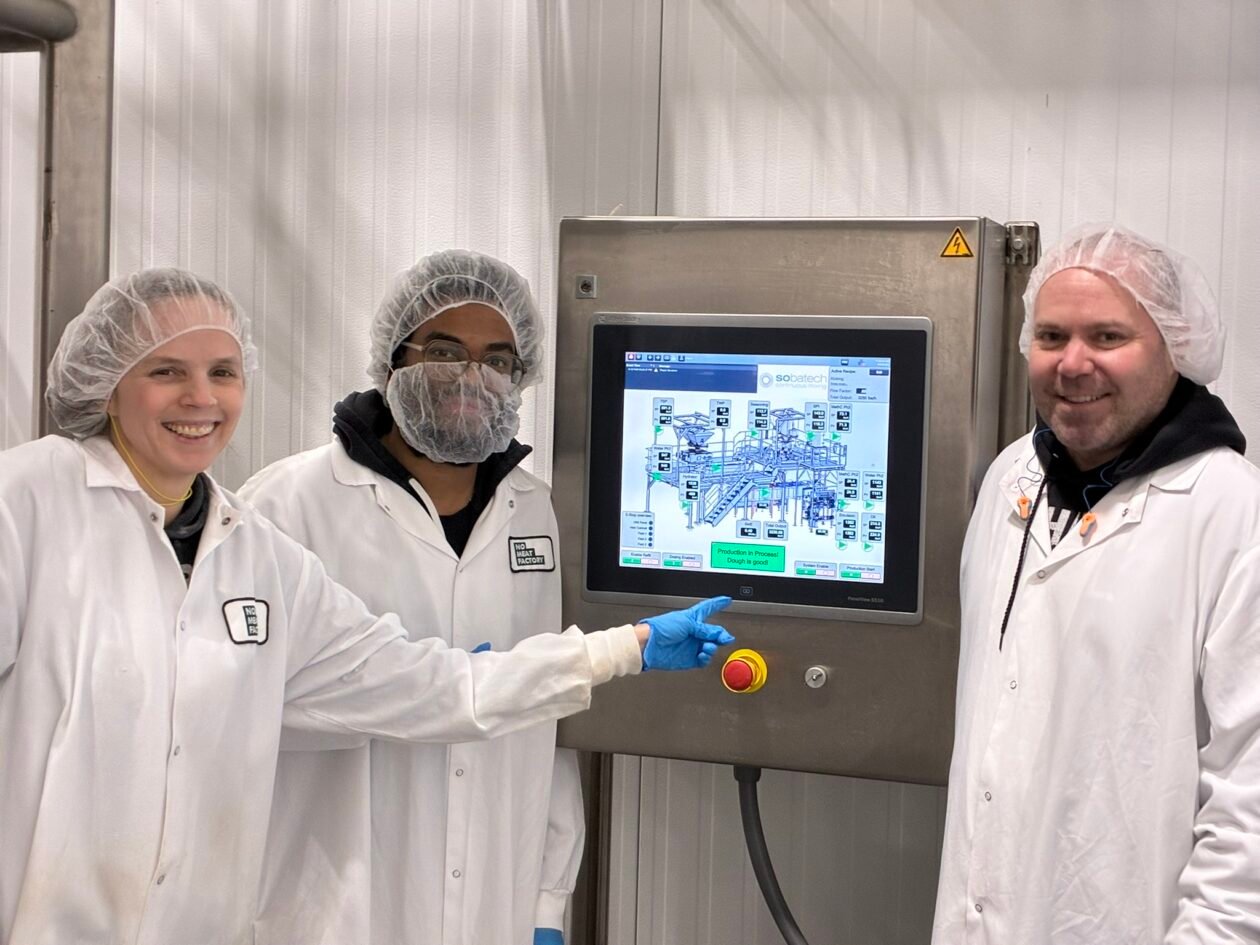
Rebellyous Foods has demonstrated a notable milestone in the plant-based protein sector by proving it can continuously produce its chicken-style products—nuggets, patties, and tenders—across multiple shifts. This capability emphasizes not only the company’s product development but also its operations execution, revealing a level of manufacturing discipline that supports consistent supply, even as they scale production up or down in real time. The achievement comes amid a broader industry trend toward alt-protein, where companies are racing to establish scalable, cost-efficient processes that can meet growing consumer demand while maintaining product quality and economic viability.
The announcement underscores the importance of scalable production in plant-based meat, a segment that has historically faced challenges with batch variability, line efficiency, and the capital expenditures required to expand capacity. Rebellyous’ ability to run continuous production across shifts indicates a mature manufacturing approach, with potential benefits for retailers seeking reliable, predictable supply and for restaurants and foodservice operators who require steady delivery performance. As competition intensifies in alt-protein, such operational milestones can differentiate companies by demonstrating that they can sustain production during peak periods and quickly adjust output in response to market signals.
In context, plant-based chicken products have gained traction due to concerns about sustainability, animal welfare, and health. Retail demand has fluctuated with seasonal trends, new product introductions, and pricing dynamics. By achieving real-time scalability, Rebellyous aims to reduce lead times, improve inventory turnover, and enhance overall supply chain resilience. This milestone may also inform future investments in automation, process optimization, and quality assurance protocols that ensure product consistency across longer production runs and varying shift patterns.
In-Depth Analysis
Rebellyous Foods’ stated accomplishment centers on its capability to maintain continuous production of plant-based chicken items—nuggets, patties, and tenders—across multiple shifts. This suggests a manufacturing floor where lines run with minimal downtime, standardized recipes, and synchronized workflow across different teams. How a company achieves this typically involves a combination of advanced process controls, precise ingredient handling, real-time monitoring, and robust maintenance programs to minimize unplanned stoppages.
From a supply chain perspective, sustaining multi-shift production requires reliable inputs, including plant-based bases, binders, coatings, and packaging materials. Any disruption in raw materials or packaging can quickly cascade into production delays. Rebellyous’ achievement implies a disciplined supplier management approach, perhaps featuring safety stock strategies, late-stage customization for batch manufacturing, and contingency planning to manage variability in ingredient quality.
Quality assurance is another critical dimension. Consistency in texture, flavor, and bite is essential for consumer trust, especially when production scales. Multi-shift operations can stress quality metrics due to fatigue, equipment wear, and process drift. A mature quality program would include standardized testing at multiple stages—raw material verification, in-process checks, and finished-product QA sampling—paired with rapid corrective actions when deviations occur. Traceability becomes especially important as output grows, enabling root-cause analysis should any batch concerns arise.
Efficiency gains from multi-shift production often hinge on automation and process optimization. Robotic handling, automated coating, and continuous mixer systems can reduce variability and labor costs, while data analytics enable real-time decision-making for throughput optimization. Rebellyous’ milestone may reflect investments in such capabilities, allowing the company to adjust production levels in real time in response to demand fluctuations without sacrificing quality or process stability.
The ability to scale up or down quickly is particularly valuable in the plant-based sector, where consumer demand can shift with product introductions, price changes, or promotional campaigns. Real-time scalability helps protect margins by reducing waste and enabling just-in-time production planning. It also positions Rebellyous to support multiple distribution channels—grocery, prepared meals, and foodservice—by aligning production with channel-specific demand curves.
From the competitive landscape vantage point, achieving continuous, scalable production could give Rebellyous an edge in terms of reliability and capacity, differentiating the company from peers that may still be grappling with batch-level constraints or longer changeover times. It may also increase confidence among retailers and manufacturers considering private-label or co-manufacturing arrangements, as predictable supply is a critical factor in broader market adoption.
Market implications of such a milestone extend into pricing and accessibility. If scalable production translates into higher throughput with stable unit costs, Rebellyous could pursue pricing strategies that improve competitiveness without eroding margins. However, sustaining profitability at scale depends on maintaining relative cost discipline across all stages of production, including energy consumption, waste reduction, and packaging efficiency. The operational milestone also invites scrutiny of the company’s renewable energy usage, packaging sustainability, and end-of-life considerations for its products, all of which influence consumer perception in a market increasingly attentive to environmental impact.
Beyond the manufacturing floor, this development may influence the strategic direction of Rebellyous. The company might pursue expanded manufacturing partnerships, licensing opportunities, or co-manufacturing arrangements that leverage its scalable processes. By showcasing its ability to run continuous production across shifts, Rebellyous signals readiness to take on larger distribution commitments and potentially enter new geographic markets. Such moves would require careful alignment with regulatory frameworks, labeling standards, and regional supply chain nuances, including transportation logistics, cold-chain integrity, and shelf-life testing.
In discussing the broader alt-protein sector, this milestone contributes to ongoing debates about scale versus novelty. While product innovation remains essential for attracting and retaining customers, the capability to scale production efficiently ensures that those innovations can reach the market consistently and at acceptable costs. Rebellyous’ focus on maintaining steady output while adjusting capacity in real time reflects an operational philosophy that complements product development efforts, potentially accelerating time-to-market for new SKUs and enabling more responsive promotional strategies.

*圖片來源:Unsplash*
Overall, the milestone demonstrates a maturation of Rebellyous Foods’ manufacturing operations, aligning technical capability with market demand. The ability to produce plant-based chicken products continuously across shifts highlights a pathway toward resilience, reliability, and growth in a rapidly expanding category. As the company continues to invest in people, processes, and technology, observers will watch how this operational strength translates into broader market penetration, customer relationships, and long-term profitability.
Perspectives and Impact
Industry Confidence: Demonstrating continuous multi-shift production can bolster retailer and foodservice confidence in Rebellyous’ capacity to meet steady demand, reducing concerns about supply interruptions that can affect promotions or large orders.
Market Expansion: Production scalability supports expansion into new channels and geographies. With reliable output, Rebellyous may pursue partnerships with national retailers or regional manufacturers seeking to diversify protein options with plant-based chicken.
Operational Excellence: The milestone emphasizes efficiency, capacity planning, and real-time decision-making. These competencies are foundational for sustainable growth, enabling the company to respond quickly to market dynamics, adjust to seasonality, and optimize resource allocation.
Sustainability Considerations: Efficient scaling often aligns with broader sustainability goals, including reduced waste, optimized energy use, and better packaging strategies. Transparent reporting on these measures can strengthen consumer trust and regulatory alignment.
Future Opportunities: The achievement could catalyze investments in automation, advanced analytics, and sensory QA technologies. It may also attract potential collaborations in product development, enabling faster iteration cycles for new plant-based chicken formats or flavors.
Risk and Resilience: While scalability offers advantages, it also introduces complexity in maintenance, supply chain risk, and quality control. Ongoing governance, standardized SOPs, and continuous improvement programs will be critical to sustaining performance as output grows.
Regulatory and Labeling Considerations: As production scales, compliance with food safety regulations, labeling standards, and allergen disclosures becomes increasingly important. Proactive engagement with regulators can help navigate any evolving requirements for plant-based proteins.
Workforce Development: Multi-shift operations necessitate skilled labor and robust training programs. Investing in workforce development, safety culture, and cross-training can support smoother shift transitions and reduce downtime.
Customer-Centric Implications: For consumers, scalable production translates to consistent product availability and stable pricing. Clear communication about product quality and sourcing can reinforce brand trust during periods of growth.
Key Takeaways
Main Points:
– Rebellyous Foods achieved continuous, multi-shift production of plant-based chicken products (nuggets, patties, tenders).
– The milestone highlights operational scalability and real-time capacity adjustments to meet demand.
– Sustained throughput is tied to robust supply chains, quality control, and efficiency measures.
Areas of Concern:
– Maintaining cost effectiveness at higher capacity levels.
– Ensuring long-term quality consistency across extended production runs.
– Managing supply chain risk and potential equipment maintenance demands as scale increases.
Summary and Recommendations
Rebellyous Foods’ recent demonstration of continuous production across multiple shifts marks a meaningful step in the evolution of plant-based meat manufacturing. By sustaining output while dynamically adjusting capacity in real time, the company showcases an operational capability that can enhance reliability for retailers, foodservice partners, and consumers. This milestone signals potential for improved lead times, inventory management, and supply chain resilience, all of which are critical as alt-protein products continue to scale in mainstream markets.
To capitalize on this momentum, stakeholders should consider the following actions:
– Invest in ongoing process optimization and automation to sustain efficiency gains as production scales further.
– Strengthen supplier relationships and diversify inputs to minimize risk and support consistent quality.
– Enhance quality assurance programs with real-time analytics and traceability to maintain product standards across larger runs.
– Explore strategic partnerships for co-manufacturing or distribution to broaden market reach while preserving cost discipline.
– Monitor sustainability metrics related to energy use, waste, and packaging to align with consumer expectations and regulatory trends.
If Rebellyous can sustain this level of operational discipline while expanding capacity, the company may solidify its position in the competitive plant-based chicken space and accelerate broader adoption of its products across multiple channels.
References
- Original: https://www.geekwire.com/2026/this-plant-based-chicken-startup-is-bucking-alt-protein-trends-with-a-new-production-milestone/
- Add 2-3 relevant reference links based on article content

*圖片來源:Unsplash*