TLDR
• Core Points: A mother alleges her daughter Anna died from overwork at EY; she accuses the firm of a toxic culture and non-attendance at funeral; online discourse advocates a legal “right to disconnect” in India.
• Main Content: The case highlights concerns about long hours, high-pressure environments, and the emotional toll on employees, prompting calls for policy reforms and corporate accountability.
• Key Insights: Work-life balance norms in the Indian corporate sector are under scrutiny; worker welfare protections and corporate transparency remain critical issues.
• Considerations: Legal frameworks, enforcement mechanisms, and the role of employers in safeguarding mental health require attention from policymakers, industry bodies, and watchdog groups.
• Recommended Actions: Employers should implement clear disconnect policies, provide mental health support, and ensure compassionate handling of bereavement; regulators may consider stronger guidelines on working hours.
Content Overview
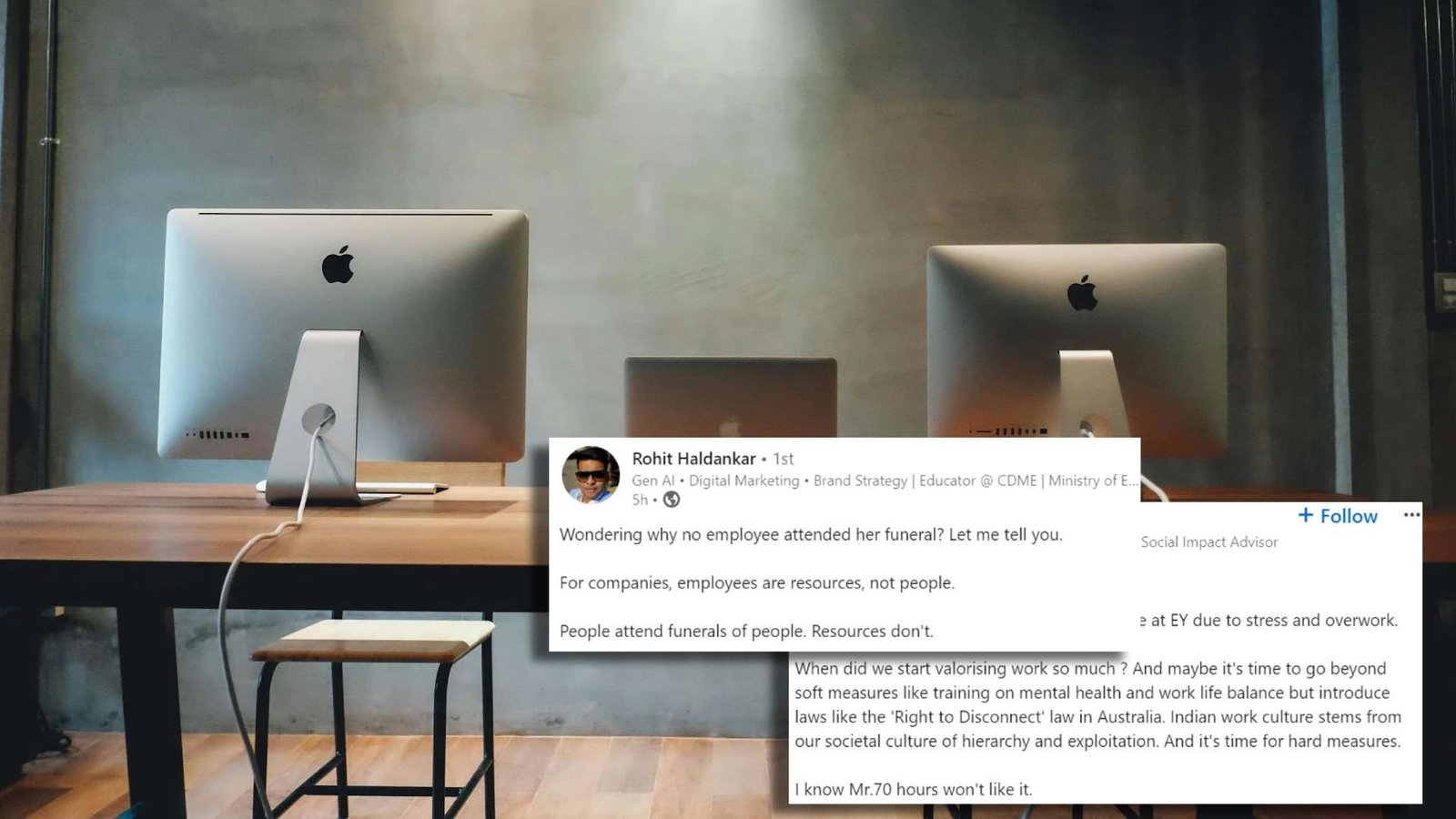
The article examines a high-profile claim from a mother whose daughter, Anna, reportedly died due to overwork within a multinational professional services firm, EY (Ernst & Young). The mother alleges a culture of overwork and a lack of response or accountability from the company following Anna’s passing. The case has ignited a broader conversation across India about workplace practices, employee wellbeing, and the demand for a legal right to disconnect—an explicit policy that would prohibit or restrict after-hours work communications and obligations.
The narrative emphasizes the emotional impact on families of employees who endure extreme workloads, particularly in sectors known for demanding schedules and intense client-facing responsibilities. It also tracks the online response, including social media discussions and calls for reforms that would protect workers from burnout and create clearer boundaries between professional and personal life.
The piece situates Anna’s story within a wider context of labor rights debates in India, where there is growing advocacy for formalized limits on working hours, mandatory rest periods, and protections for workers’ mental health. It notes that while several countries have implemented “right to disconnect” laws or guidelines, India remains in the early stages of considering similar measures, with policymakers and industry groups weighing potential benefits and practical challenges.
Overall, the article aims to present a balanced account, outlining the allegations, the possible implications for EY, and the broader societal debate about how to align corporate practices with employee wellbeing without compromising productivity or service delivery.
In-Depth Analysis
The core claim centers on the alleged cause of death and the workplace conditions that may have contributed to Anna’s situation. The mother’s public statements describe a work environment characterized by prolonged hours, high pressure, and insufficient support or recognition for burnout and fatigue. Critics argue that such an environment can erode physical and mental health, reduce morale, and ultimately affect the quality of service a firm provides to its clients.
Supporters of the right to disconnect argue that after-hours expectations create a climate where employees feel compelled to remain available, respond to emails, or participate in work-related discussions regardless of personal time. They contend that unchecked availability encroaches on employees’ ability to recover, pursue personal responsibilities, and maintain social and familial connections, which in turn can impact long-term productivity and job satisfaction.
From EY’s perspective, large professional services firms operate across multiple jurisdictions with varying labor laws, cultural expectations, and client demands. They may emphasize the importance of client service, flexibility, and the business need for responsiveness, while also claiming to offer comprehensive benefits, professional development, and performance-based incentives. The tension between these priorities and an employee welfare framework is a recurring theme in many cases of burnout and turnover in the industry.
Media coverage of such incidents often revolves around several recurring questions: What were the specific working hours and practices experienced by Anna? Did the firm have formal policies addressing after-hours communication, fatigue management, or mental health support? Were there internal channels for reporting concerns, and were those concerns acknowledged or actioned appropriately? How did managers respond to Anna’s situation, and what steps, if any, were taken to assist her or address systemic issues within the organization?
In analyzing the broader implications, observers point to the need for stronger governance around work-life balance within high-pressure professional environments. Advocates stress that companies should not only comply with legal requirements but also adopt best practices for employee wellness, including mental health resources, transparent reporting on employee welfare metrics, and proactive steps to prevent burnout. The conversation also touches on the role of media in shaping public perception and encouraging accountability, as well as the potential regulatory responses that could formalize protections for workers.
Critics of rapid reform warn that sweeping changes could have unintended consequences, such as reducing flexibility, increasing administrative burdens on firms, or impacting service delivery timelines. Proponents of measured reform argue that targeted policies—such as explicit “right to disconnect” provisions, clearer overtime rules, and mandatory rest periods—could strike a balance between client needs and employee wellbeing. The discussion thus encompasses legal, economic, and cultural dimensions, with stakeholders including employees, employers, policymakers, labor unions, and industry bodies contributing to the discourse.

*圖片來源:description_html*
The article also reflects the emotional dimension of family experiences with workplace tragedy. It highlights the importance of sympathy, transparency, and accountability in corporate communications, especially when an employee is lost to circumstances linked to work pressure. In such cases, families seek acknowledgment, clarity, and systemic changes to prevent recurrence, while the company faces reputational considerations and potential legal scrutiny.
Finally, the piece considers the potential pathways forward for India. Policy makers could explore guidelines that encourage employers to adopt enforceable disconnect mechanisms, mental health support services, and mandatory reporting of employee welfare initiatives. Industry groups and corporate leaders could lead by example, implementing robust wellness programs, flexible work arrangements, and clearer policies around after-hours work. The goal, as outlined by proponents, is to foster an environment where high professional standards can be maintained without compromising the health and well-being of employees.
Perspectives and Impact
Employee Welfare and Corporate Responsibility: The incident amplifies ongoing debates about corporate responsibility to protect employee health. If verified, it could lead to calls for more stringent internal policies at multinational firms operating in India, with a focus on burnout prevention, clear escalation channels for concerns, and robust bereavement and support protocols.
Legal and Regulatory Considerations: A broader push for a “right to disconnect” could gain momentum as public sentiment grows. Policymakers may consider regulatory frameworks that define permissible after-hours expectations, require rest breaks, or mandate mental health resources. Any regulatory move would need to balance economic competitiveness, client service obligations, and the rights of workers.
Industry and Cultural Dynamics: The professional services industry often emphasizes responsiveness and long hours as signals of commitment and capability. The ongoing dialogue could catalyze cultural shifts within firms, encouraging more sustainable work practices, better workload management, and transparent communication about demands placed on employees.
Public Perception and Reputation: Media narratives and social media conversations shape how firms are viewed by clients, prospective employees, and investors. Firms that publicly commit to employee wellbeing and substantiate those commitments with measurable outcomes may strengthen their reputations, while those perceived as neglecting welfare risk reputational damage and talent attrition.
Mental Health and Societal Norms: The discourse intersects with broader mental health discussions in India, where stigma and resource constraints have historically limited access to care. Enhanced attention to mental health in the workplace could contribute to wider societal progress, including improved access to services and greater awareness of occupational stress as a legitimate health concern.
Economic Implications: Reforms aimed at improving work-life balance could carry cost implications for firms, including investments in wellness programs, human resources training, and process changes to prevent burnout. Conversely, healthier workforces may yield long-term productivity gains, reduced turnover, and improved client satisfaction.
Global Context: The topic resonates beyond India, as many multinational corporations review their global policies on work hours, disconnect guidelines, and employee wellbeing. Comparative analyses with practices in other countries could inform a more cohesive, evidence-based approach to managing workload and protecting staff.
Key Takeaways
Main Points:
– Allegations of a toxic work culture and its alleged link to a worker’s death have sparked calls for a “right to disconnect” in India.
– The case underscores concerns about overwork, burnout, and the emotional toll on families of employees.
– There is a growing demand for clearer policies, better corporate accountability, and stronger welfare measures in high-demand professions.
Areas of Concern:
– Lack of transparency regarding working hours, after-hours expectations, and bereavement responses.
– Potential gaps in mental health support and accessible resources for employees.
– The risk of reputational damage and talent attrition for firms associated with perceived overwork.
Summary and Recommendations
The incident has spotlighted a critical and pressing issue in modern workplaces: balancing client service and corporate performance with the health and wellbeing of employees. If the allegations hold, they underscore the need for transparent corporate practices, robust mental health support, and policies that delineate clear boundaries between work and personal life. A broader movement toward a “right to disconnect” in India would require careful formulation to preserve business functionality while protecting workers from burnout and enabling healthier work cultures.
Companies, especially those with multinational operations, should proactively adopt and publish comprehensive disconnect policies, ensure accessible mental health resources, and implement regular wellness assessments. Training for leadership on recognizing signs of burnout, providing timely support, and fostering an environment where employees can raise concerns without fear of retaliation can contribute to more sustainable work practices. Regulators and policymakers might consider codifying protective measures that guarantee reasonable work hours and rest, while also encouraging transparency and accountability in corporate reporting on employee welfare.
In short, the dialogue sparked by Anna’s case offers an opportunity for meaningful reform that could improve workplace health, protect families, and ultimately enhance both employee well-being and organizational performance.
References
- Original: https://in.mashable.com/tech/82410/mother-slams-eys-toxic-work-culture-over-daughters-death-by-overwork-internet-demand-right-to-discon
- Additional references:
- [To be added by the publisher with 2-3 relevant sources related to workplace burnout, right to disconnect policies, and EY’s corporate governance in India]
- [Industry reports on work-life balance and mental health resources in professional services]
- [Indian labor law updates or regulatory proposals related to working hours and employee welfare]

*圖片來源:Unsplash*