TLDR
• Core Points: Plan, research, and budget carefully; verify authenticity; choose trusted sellers; consider maintenance and resale value; balance family finances with personal luxury.
• Main Content: A practical guide to purchasing a preowned ladies’ Rolex, emphasizing financial planning, due diligence, and long-term value.
• Key Insights: Preowned luxury watches can hold value, but require careful verification, budgeting, and ongoing care to preserve investment.
• Considerations: Authenticity, service history, condition, provenance, and total ownership costs; impact on household finances.
• Recommended Actions: Set a budget, identify trusted sellers, inspect the watch or obtain certification, factor maintenance, and monitor market values.
Content Overview
Buying a preowned ladies’ Rolex blends aspiration with prudent financial planning. For many, a Rolex signals achievement, elegance, and enduring quality. When the objective is to acquire a timepiece that complements a busy family life and a careful household budget, a strategic approach matters more than impulse. This article outlines a professional, balanced method to purchase a preowned ladies’ Rolex while preserving financial stability, avoiding common pitfalls, and ensuring a purchase that can endure for years.
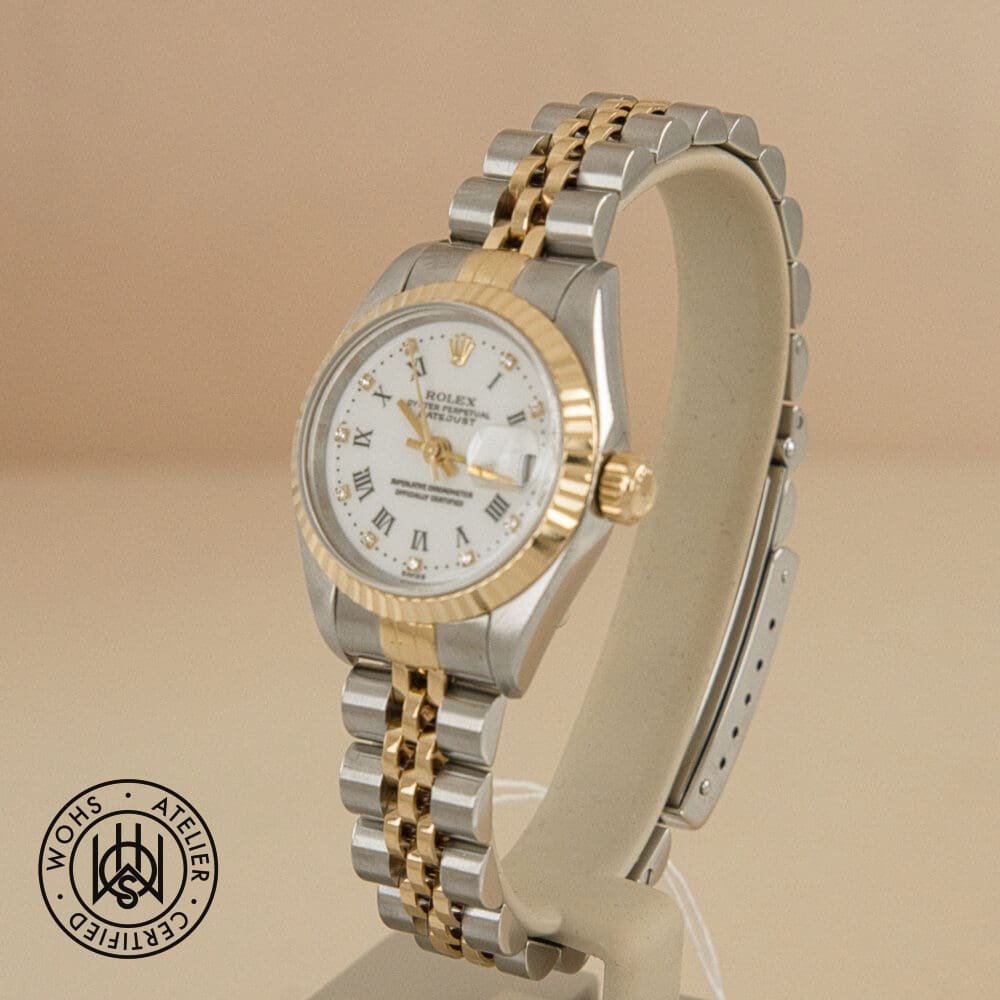
In the realm of luxury watches, Rolex remains a benchmark for precision engineering, iconic design, and strong resale potential. A ladies’ Rolex—whether a classic Datejust, a smaller Oyster Perpetual, or a modern investment piece—can serve as a personal symbol of accomplishment while functioning as a practical accessory for daily wear. Importantly, buying preowned rather than new can offer substantial savings and a broader selection, but it also introduces risks that require careful navigation. The goal is to find a reliable example that aligns with personal taste and family financial priorities.
This guide addresses key steps: establishing a realistic budget, understanding ownership costs beyond the sticker price, assessing authenticity and condition, selecting reputable sellers, and planning for maintenance and potential resale. It is written to be accessible to readers who may be new to luxury watch acquisition, as well as to those who want a structured approach that minimizes financial disruption to household life.
In setting expectations, potential buyers should recognize that preowned market prices vary with model, reference number, age, condition, and included accessories. A well-documented history, factory service records, original box and papers, and a clear provenance can significantly influence value and buyer confidence. While a preowned Rolex can hold or even appreciate in value under certain market conditions, there are no guarantees, and price movements can be cyclical. A measured approach—rooted in budgeting, research, and professional appraisal when needed—helps safeguard both the purchase and the family finances.
This article also highlights the practical realities of ownership: regular servicing, potential wear or restoration needs, and the importance of proper storage and insurance. By thinking through these dimensions before purchase, buyers can reduce risk and improve the likelihood that their investment remains a source of personal satisfaction and long-term value.
In-Depth Analysis
The process of acquiring a preowned ladies’ Rolex begins with a clear financial framework. Before visiting dealers or browsing online marketplaces, define a maximum total cost of ownership. This includes the purchase price, sales taxes where applicable, potential shipping or authentication fees, and the cost of future maintenance. For many families, setting a cap that keeps monthly or quarterly household expenses stable is essential. A practical approach is to create a dedicated allocation—perhaps a separate savings fund or a short-term financing plan—that is specifically earmarked for this purchase. This ensures that the watch does not destabilize essential family expenditures such as housing, education, or healthcare.
Authentication and provenance are central to a successful preowned purchase. The Rolex brand carries robust counterfeit risk in the secondary market. Therefore, buyers should demand verifiable documentation: original purchase receipts, service records, and any accompanying certificates. When possible, obtain a guaranteed appraisal from an independent, reputable watchmaker or an authorized service center. Reputable sellers—authorized dealers in the preowned market, established auction houses, and well-reviewed independent retailers—tend to provide stronger assurances of authenticity and post-purchase support. Exercise caution with sellers who offer prices that seem anomalously low or vague in terms of provenance.
Condition assessment is another critical dimension. The watch’s exterior condition should be inspected for signs of polishing, replaced parts, or water damage. The functionality of the movement, crown, and chronographs (if present) should be tested. For models with precious metals or gemstones, verify that the material composition matches the brand’s specifications and that stones are securely set. A professional inspection is advisable, particularly for higher-value pieces. Request a detailed report, ideally including high-resolution photos that document the dial, case back, bracelet, clasp, and movement if possible. Hidden issues such as water ingress or non-original parts can significantly impact value and reliability.
Model selection matters, too. In the preowned space, popular ladies’ Rolex models include the Datejust, Oyster Perpetual, Milgauss, Pearlmaster, and certain Explorer and Day-Date references in smaller sizes. Each model has distinct maintenance profiles, bracelet options ( Jubilee, Oyster, or President), and potential service considerations. Some models may offer more favorable long-term resale trajectories, depending on overall demand and condition. It can be beneficial to consult experienced collectors or watch gurus who can contextualize the specific reference within broader market trends.
Budgeting for maintenance and insurance is essential, given ongoing ownership costs. Even watches in excellent condition require periodic servicing to maintain performance and value. Rolex recommendations typically include a service interval every five to seven years, depending on usage and year of manufacture. Servicing can involve movement work, water resistance testing, gasket replacement, polishing, and documentation. While exact costs vary by region and service center, potential owners should set aside a maintenance reserve—often a few hundred to several thousand dollars over a decade for a well-cared-for piece. Insurance is another important facet: insuring the watch against theft, loss, or damage can be prudent, especially for high-value pieces stored or worn in busy environments. The premium can depend on the watch’s appraised value, location, and coverage terms.

*圖片來源:Unsplash*
Market research is a continuous activity that strengthens confidence in a preowned purchase. Track market values for the specific model and reference numbers you consider. Comparable listings across reputable platforms—consignment shops, auction results, and dealer inventories—provide a practical sense of fair pricing. Price negotiation is a common and accepted part of the process, but it should be done with courtesy and supported by documentation. Buyers should be prepared to walk away if a deal fails to meet their criteria for authenticity, condition, or price. In some cases, alternative models or earlier vintages may offer better value propositions or a stronger sense of ownership history.
From a family-finance perspective, timing the purchase to align with personal financial milestones can help minimize disruption. For example, coordinating with a planned savings period, a tax refund, or a discretionary bonus can make the acquisition feel more manageable. Conversely, attempting to finance a luxury timepiece with high-interest debt could impose unnecessary strain on household cash flow. If financing is considered, compare terms across lenders and ensure that monthly obligations remain sustainable within the overall family budget. Some buyers opt for short-term, interest-bearing solutions only if the long-term value and enjoyment clearly justify the cost.
Ethical and sustainable considerations increasingly influence decisions in luxury goods. Buyers may prefer views on the watch’s lifecycle, including the retailer’s commitment to responsible sourcing, refitting, and resale. Some collectors place value on provenance and the ability to trace the watch’s journey from its original purchase to the present. These considerations can add a layer of meaning to the purchase beyond aesthetics and status, aligning the acquisition with broader values about sustainability and responsible consumption.
Lastly, practical daily-life considerations should shape selection. A ladies’ Rolex, due to its size and weight, should be comfortable for regular wear and align with the wearer’s lifestyle. The bracelet size, clasp comfort, and readability of the dial under different lighting conditions can influence satisfaction and long-term enjoyment. For many, the watch is not solely an investment; it is a functional companion for daily routines, formal events, and family moments alike. Ensuring the chosen piece complements wardrobe choices and daily activities can amplify the perceived value of the purchase, both emotionally and financially.
Perspectives and Impact
The preowned luxury watch market has grown and matured, with more buyers seeking a carefully curated blend of heritage, craftsmanship, and financial prudence. The decision to buy a preowned ladies’ Rolex intersects personal identity, family budgeting, and consumer education. As consumers become more discerning, the market has responded with greater transparency, improved authentication processes, and expanded access through reputable platforms. For some buyers, a preowned Rolex represents not only a timekeeping instrument but a tangible connection to moments in life—milestones, celebrations, and personal achievements—while still functioning as a potential store of value.
The broader implications touch on consumer behavior and wealth management. High-value purchases, even when planned, can influence household budgets and financial goals. A disciplined approach—grounded in research, professional opinions, and clear financial boundaries—can serve as a model for future discretionary spending. Moreover, as the luxury resale market evolves, buyers may find that certain references hold up better over time due to demand dynamics, maintenance records, and brand reputation. This evolution underscores the importance of choosing models with robust aftercare support and a history of reliable performance.
Future considerations include shifts in the luxury watch market driven by changes in consumer preferences, economic conditions, and potential regulation of resale practices. Advances in authentication technologies, such as blockchain-backed provenance or digital certificates, could further reduce risk for buyers. Additionally, the role of insurance and secure storage will continue to matter as households increasingly diversify their investment exposures.
Key Takeaways
Main Points:
– Establish a clear total-cost framework before buying.
– Prioritize authenticity, provenance, and documented service history.
– Assess condition and verify model specifications with reputable experts.
– Budget for ongoing maintenance and insurance beyond the purchase price.
– Align timing with personal finances and avoid high-interest debt.
Areas of Concern:
– Counterfeits and misrepresented provenance in the preowned market.
– Hidden restoration or movement issues that affect reliability.
– Long-term ownership costs that exceed initial expectations.
Summary and Recommendations
Purchasing a preowned ladies’ Rolex can be a rewarding experience when approached with discipline and prudeness. Start by defining a sustainable total-cost target that considers purchase price, taxes, shipping, authentication, and future servicing. Seek authenticating documentation and obtain professional evaluations when possible. Choose reputable sellers with transparent histories and robust return policies. Evaluate the specific reference in terms of design, bracelet, and wear, and consider how well it fits your lifestyle. Plan for maintenance, insurance, and potential resale, recognizing that the market for luxury watches fluctuates but can offer meaningful value when handled thoughtfully. Finally, ensure that the purchase supports harmonious family finances, aligning with broader financial goals and personal satisfaction alike.
References
– Original: abeautifulspace.co.uk
– [Add 2-3 relevant reference links based on article content]

*圖片來源:Unsplash*