TLDR
• Core Points: Sofas in 2026 serve as style anchors, prioritizing comfort, sustainability, modular versatility, and expressive finishes to reflect personal identity.
• Main Content: The trends combine ergonomic design, eco-conscious materials, modular configurations, bold textures, and technology-enhanced living spaces.
• Key Insights: Consumer demand centers on longevity, adaptability, and emotional resonance, with social media amplifying trend diffusion.
• Considerations: Balance style with durability, ensure proper sizing for spaces, and consider maintenance for high-traffic settings.
• Recommended Actions: Choose modular, comfortable pieces with sustainable fabrics, test proportions in-room, and mix neutrals with statement textures or colors.
Content Overview
The year 2026 marks a shift in how we perceive the sofa—from a purely functional seating option to a cornerstone of interior storytelling. In contemporary homes, the sofa is expected to deliver more than comfort; it should convey style, adaptability, and personality while maintaining practical resilience for busy households. This article synthesizes seven viral sofa trends observed across design-forward platforms, showrooms, and consumer adoption patterns. By examining materials, construction, configuration, finishes, and embedded technology, we uncover how designers and homeowners are rethinking the living room as a dynamic, multi-use space. The discussion remains objective, drawing on observable shifts rather than fleeting fads, and offers actionable guidance for readers who want to integrate these trends thoughtfully into their homes.
In-Depth Analysis
Trend 1: Comfort-First Silhouettes with Architectural Flair
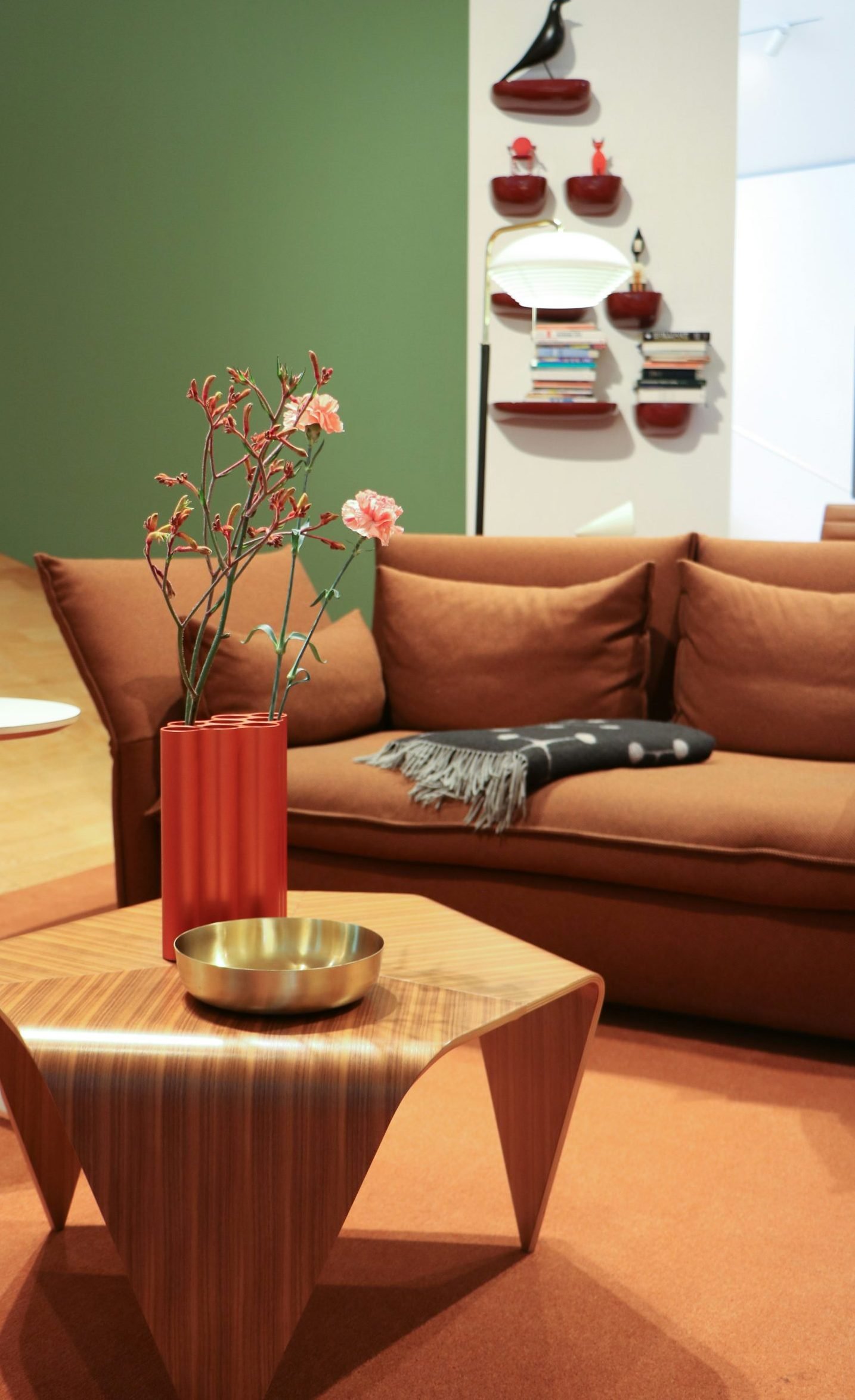
In 2026, sofas are designed to be deeply comfortable without sacrificing visual impact. Deep, inviting cushions, plush seating, and generous armrests coexist with clean, architectural lines. The balance between softness and silhouette creates a versatile anchor in living rooms that function as family spaces, media hubs, and occasional work nooks. Designers emphasize chair- or bench-like seats combined with low profiles and structured frames, achieving a modernist equilibrium between coziness and formality. Materials lean toward high-density foam cores wrapped in durable upholstery that resist compression over time. Color palettes range from warm neutrals to saturated hues, allowing homeowners to tune the mood of the room without compromising comfort.
Trend 2: Sustainable and Reclaimed Materials
Environmental considerations have increasingly influenced sofa construction. Recycled and responsibly sourced materials—such as certified upholstery fabrics, recycled steel mechanisms, and sustainably harvested wood frames—are becoming standard rather than premium options. Soy-based foams and natural latex are common in cushion cores to offer a balance of resilience and comfort. People are more attuned to lifecycle impacts, prompting brands to publish transparent material sourcing and end-of-life options. In addition, durability and repairability are prioritized to extend product longevity, reducing the need for replacement and waste.
Trend 3: Modular Systems for Flexible Living
Modularity continues to rise in popularity as living spaces evolve to accommodate remote work, hobby areas, and occasional guests. Modular sofas enable homeowners to reconfigure seating layouts easily, creating intimate conversation nooks or expansive social arrangements as needed. Components such as armless sections, chaise extensions, corner units, and ottomans can be rearranged or expanded with minimal effort. This trend aligns with new living patterns that demand adaptable environments—whether it’s video calls, collaborative work, or casual entertaining. The modular approach also supports smaller urban apartments where footprint efficiency matters.
Trend 4: Bold Textiles and Tactile Finishes
Texture takes center stage in 2026, with designers layering tactile fabrics that invite touch and interaction. Bouclé, nubby weaves, velvet, and boucle variants provide depth and visual interest, while performance-oriented textiles withstand everyday wear. Finishes like exposed seams, visible stitching, and contrast piping add subtle, artisanal cues. Color execution often favors rich earth tones, moody jewel tones, or two-tone combinations that emphasize seam lines and silhouette. The result is a sofa that acts as a tactile focal point within a room, offering both comfort and an expressive aesthetic.
Trend 5: Statement Details: Contrasting Arms, Exposed Frames, and Color Accents
Statement details help a sofa stand out as a design feature rather than a mere backdrop. Designers experiment with contrasting arm configurations (high vs. low, wide vs. slim), visible wooden or metal frames, and accent finishes such as metallic legs or painted bases. Color accents, whether through contrasting cushions or two-tone upholstery, enable homeowners to personalize their sofa without repainting entire walls. These details contribute to a curated look that can anchor a room or harmonize with other bold furniture pieces.
Trend 6: Integrated Technology and Smart Comfort
Technology is increasingly woven into the fabric of sofas without undermining aesthetics. Features such as built-in USB charging ports, wireless charging pads, and discreet Bluetooth-enabled controls for lighting or small devices enhance usability. Some designs integrate massaging or heat-therapy options at the periphery of the seat or backrest, offering a spa-like relaxation experience for home offices and media rooms alike. The key priority is preserving a clean, uncluttered appearance while delivering practical conveniences that align with contemporary tech-enabled lifestyles.
Trend 7: Clean Lines with Mixed Materials
A modern minimalism persists, characterized by clean, uninterrupted lines paired with mixed material accents. Concrete, metal, wood, and glass influences translate into sofa frames and supporting surfaces, producing a refined contrast against soft upholstery. This trend enables designers to harmonize a sofa with diverse interior emphases—mid-century modern, industrial chic, or Scandinavian lightness—by leveraging texture variation and material interplay. The result is a versatile anchor that can bridge disparate design moods within a single space.
Cross-Cutting Considerations
– Proportion and space: Larger sofas can anchor expansive living rooms but may overwhelm smaller spaces. Measure room dimensions carefully and consider modular configurations that adapt to seating needs throughout the day.
– Maintenance: High-pile fabrics and intricate textures may require regular care to prevent wear. Choose fabrics with stain resistance and durability for high-traffic areas or households with children and pets.
– Sustainability: Prioritize certifications such as third-party textile sustainability standards and responsible manufacturing practices. Understand repair options and availability of replacement parts to extend product life.
– Budget and value: Higher-end materials and customizable configurations offer longevity but require upfront investment. Balance budget with expected usage and room design goals.
– Color strategy: Neutrals provide flexibility and longevity, while bold textiles serve as focal points. Patterns can add energy but may trend; consider timeless textures to maintain usefulness beyond current fashion cycles.

*圖片來源:Unsplash*
Perspectives and Impact
The 2026 sofa trends reflect broader evolutions in how people live, work, and entertain at home. The rise of remote work and hybrid schedules has increased demand for seating that adapts from casual lounging to productive work sessions. This has translated into modular designs that can morph as needed, and into finishes that preserve a room’s aesthetic regardless of function. The emphasis on comfort aligns with a growing recognition of the home as a sanctuary—an environment that supports mental well-being as well as physical relaxation.
Sustainability, once a niche concern, now informs major purchasing decisions. Consumers seek products with verifiable environmental credentials and longer lifespans, favoring materials that can be repaired or updated rather than discarded. This shift pushes manufacturers toward more transparent supply chains and measurable durability, with a premium placed on responsible waste management and recycling practices.
Textural and tactile experimentation signals a return to craft and material storytelling. Bouclé, velvet, and other luxurious yet practical fabrics invite users to engage with furniture on a sensory level, enhancing the perceived value of the piece. When combined with clean lines and mixed materials, these sofas offer versatility that accommodates diverse interior styles—from rustic to contemporary—without sacrificing coherence in the room’s overall design language.
Social media platforms continue to accelerate the diffusion of these trends, entrenching certain silhouettes, fabrics, and configurations as aspirational benchmarks. This rapid dissemination means designers must balance trend-driven aesthetics with timeless elements to avoid short-lived purchases. For consumers, it underscores the importance of choosing pieces that offer adaptability, resale value, and enduring appeal beyond a single season.
Future implications point toward continued integration of technology with comfort, more sophisticated modular ecosystems, and an even greater emphasis on sustainable materials and circular design. As the sofa remains a focal point of social interaction within the home, its evolution will likely track broader shifts in housing, work-life balance, and cultural aesthetics. The ongoing challenge for designers and manufacturers will be to deliver pieces that are not only stylish and comfortable but also responsibly produced, easily maintained, and capable of evolving with the homeowner’s changing needs.
Key Takeaways
Main Points:
– Sofas in 2026 prioritize comfort, architecture, and personal expression.
– Modularity enables adaptable living spaces and scalable configurations.
– Sustainable sourcing and repairability are central to purchase decisions.
Areas of Concern:
– Balancing bold aesthetics with durability and maintenance.
– Ensuring furniture proportions suit small rooms and diverse layouts.
– Managing price sensitivity while meeting longevity expectations.
Summary and Recommendations
For readers aiming to align their living spaces with the 2026 sofa trends, a practical approach centers on selecting modular, comfortable pieces crafted from sustainable materials. Start with a reliable foundation—choose a sofa with a timeless silhouette and durable frame—then layer in texture and color through cushions, throws, and accents. Consider fabrics with stain resistance and easy maintenance for busy households, and look for options that allow reconfiguration to accommodate changing needs, such as hosting guests or creating a home office corner.
Prioritize transparency in materials and manufacturing practices, and favor brands that offer repairability or replacement parts to extend the product’s life. When possible, test the scale within your room using furniture templates or room planning tools to ensure proper proportions and flow. Finally, balance neutrals with strategic pops of texture or color to keep the space vibrant yet enduring.
By combining comfort, sustainability, flexibility, and tactile richness, you can create a living room that remains fashionable while serving as a resilient and welcoming hub for everyday life.
References
- Original: abeautifulspace.co.uk
- [Add 2-3 relevant reference links based on article content]

*圖片來源:Unsplash*