TLDR
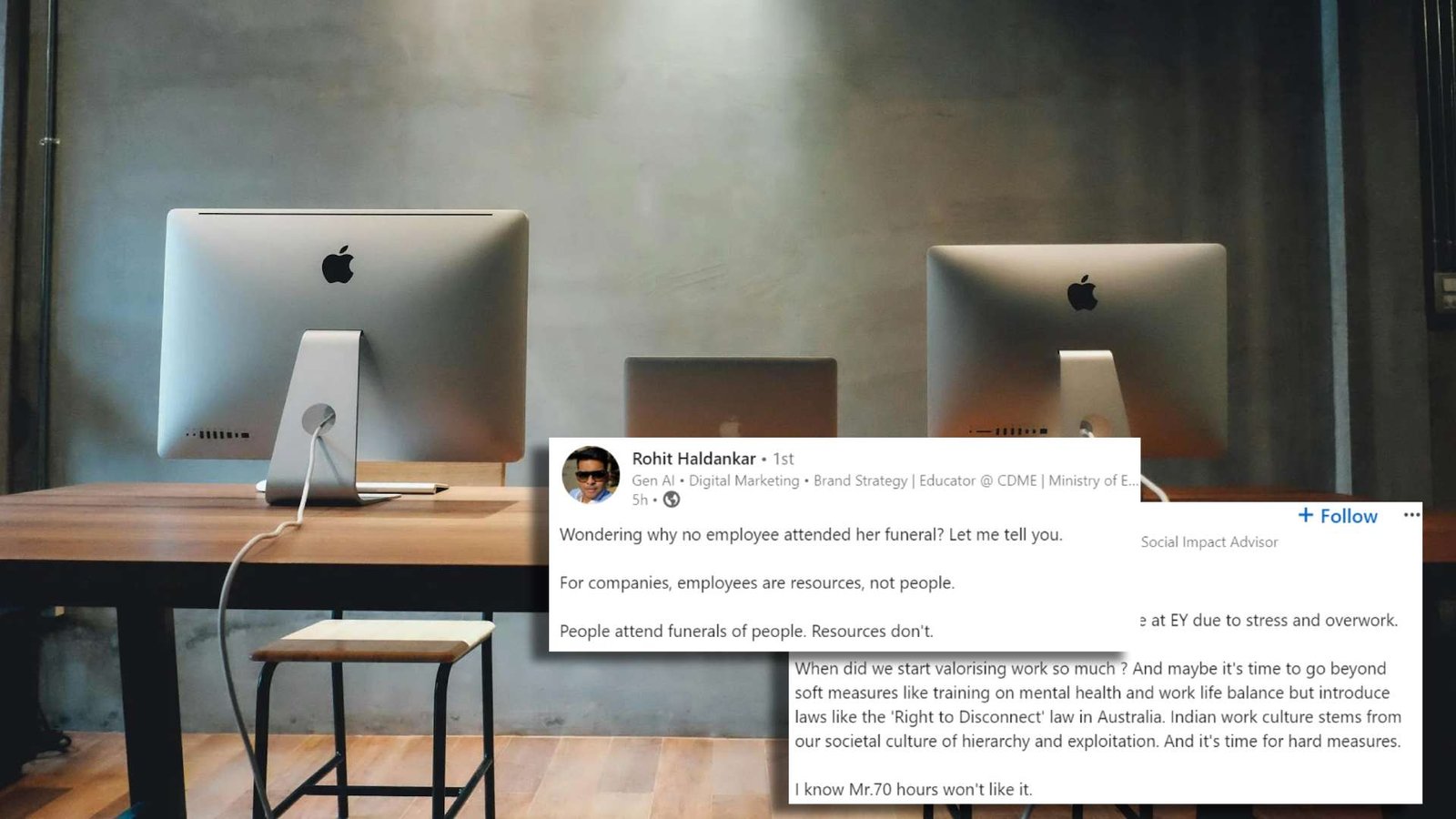
• Core Points: A mother alleges EY’s demanding, long-hours culture contributed to her daughter Anna’s death by overwork; online discourse calls for India’s “Right to Disconnect” law.
• Main Content: The case centers on EY India employee Anna, whose family asserts excessive workloads and pressure led to fatal outcomes, prompting public criticism of corporate work norms.
• Key Insights: Employee mental health, corporate responsibility, and regulatory gaps intersect as social media amplifies calls for workplace reforms and clearer boundaries.
• Considerations: Verification of claims, corporate accountability, and potential policy responses require careful, fact-based evaluation.
• Recommended Actions: Stakeholders should explore enforceable work-hour limits, mental health support, whistleblower protections, and transparent reporting.
Content Overview
The discourse surrounding workplace culture in India intensified as a mother publicly criticized Ernst & Young (EY) over what she describes as a toxic environment that pressured her daughter, Anna, into excessive overtime. The case has sparked broader conversations about burnout, mental health, and the degree to which multinational firms operating in India impose demanding workloads on young professionals. As online communities debate the potential need for a formal “Right to Disconnect” — a policy that would allow employees to disengage from work communications outside designated hours — the incident has become a focal point for evaluating corporate responsibility and labor standards in a rapidly growing economy. While EY has faced scrutiny, supporters of the company may argue that long hours are often tied to high-stakes work and client demands, whereas critics contend that such practices can be detrimental to workers’ health and well-being. The unfolding narrative highlights the tension between corporate performance expectations and the need for sustainable, humane work environments.
In-Depth Analysis
The core of the discussion rests on a personal testimony from a mother who alleges that her daughter’s death was linked to overwork within EY’s Indian operations. The narrative emphasizes several recurring themes found in contemporary debates over corporate culture in professional services firms:
Overtime and workload intensity: Critics argue that professional services firms, including EY, often require long hours, tight deadlines, and high-pressure environments that can erode work-life balance. In the Indian context, where young graduates frequently enter demanding roles with steep expectations, this pressure may be amplified by competition, performance metrics, and client deliverables.
Mental health and support systems: The case draws attention to the availability and effectiveness of mental health resources within multinational organizations. Advocates for change emphasize confidential counseling, proactive burnout detection, and culturally sensitive support structures as essential components of a healthy workplace.
Corporate accountability: The personal account has prompted scrutiny of EY’s internal policies, managerial practices, and how well the firm communicates work expectations to employees. Critics call for transparent grievance channels, independent investigations into claims of toxic culture, and accountability for management decisions that contribute to employee distress.
The role of social media and public discourse: The viral nature of the issue underscores how public opinion, consumer expectations, and shareholder concerns can shape corporate reputations. When death or serious harm is alleged to be connected to workplace conditions, stakeholders—ranging from policymakers to industry peers—tend to demand clearer standards and stronger protections for workers.
Regulatory and policy considerations: The broader debate in India includes the potential adoption of a Right to Disconnect policy, which would give workers legal grounds to disengage from work communications after hours. Proponents argue that such protections can reduce burnout, improve job satisfaction, and foster healthier organizational cultures. Opponents may raise concerns about the impact on client service and performance, suggesting that any policy must balance employer flexibility with worker protections.
Verification and nuance: In reporting cases like this, it is crucial to distinguish between causation and correlation. Overwork can be a contributing factor to health crises, but establishing a direct causal link requires thorough medical and investigative evaluation. Employers, regulators, and media outlets face the challenge of presenting nuanced, evidence-based narratives that avoid sensationalism while acknowledging reported experiences.
Industry implications: If the allegations reflect a broader trend, they could influence recruitment strategies, training curricula, and retention policies across the Indian professional services sector. Firms might increasingly invest in workload management, burnout prevention, and mental health resources to attract and retain talent in a competitive market.
The narrative is complex and multifaceted. While the family’s statements highlight perceived failures in workplace culture, it is essential for third-party observers to seek corroborating information, acknowledge diverse perspectives, and consider both the human impact and the structural factors at play. EY and other firms may respond with public statements, internal policy reviews, or commitments to enhance employee well-being, depending on the outcomes of internal inquiries and external scrutiny.
Perspectives and Impact
The broader impact of this discourse extends beyond a single family’s experience. Several stakeholders are involved:

*圖片來源:description_html*
Employees: Many workers in high-pressure professional services roles report experiences of extended work hours and performance-driven cultures. The case may resonate with those facing similar pressures, prompting introspection about personal boundaries, career goals, and well-being.
Employers: Corporations, especially multinational firms with offices in India, may reassess their work-hour policies, client management approaches, and support systems. Firms could consider implementing formal “disconnect” guidelines, flexible scheduling, mandatory break periods, and enhanced mental health resources to prevent burnout and reduce turnover.
Regulators and policymakers: The public conversation could catalyze regulatory discussions about the need for standardized limits on after-hours work and safeguarding employee mental health. A potential Right to Disconnect policy would require careful design to address sector-specific variances, enforcement mechanisms, and exemptions for critical roles.
Public discourse and media: The case underscores how social media can amplify concerns about workplace culture. Media coverage may influence public perception of EY and similar firms, which can have knock-on effects for brand image, client trust, and investor sentiment.
Social and cultural considerations: In India, cultural norms surrounding work ethic, ambition, and professional achievement can intersect with modern expectations for work-life balance. The debate reflects evolving attitudes toward acceptable working standards in a country with a rapidly expanding economy and a growing wave of young professionals entering high-stress roles.
Mental health advocacy: The incident adds to a broader global conversation about mental health in the workplace. It may encourage organizations to prioritize preventive measures, destigmatize seeking help, and incorporate mental health metrics into performance and HR practices.
The evolving discussion invites stakeholders to consider practical steps that can address the root causes of burnout while preserving the ability of firms to deliver high-quality services to clients. Appreciating the nuanced realities on the ground—where personal responsibility, corporate culture, and systemic factors intersect—will be essential to crafting effective solutions.
Key Takeaways
Main Points:
– A family asserts that excessive workload and demanding work culture at EY contributed to severe distress leading to tragedy.
– The case has sparked a national conversation in India about workers’ right to disconnect and mental health support in the corporate sector.
Areas of Concern:
– Potential gaps in mental health resources, early intervention, and employee welfare policies within large firms.
– The need for transparent investigations into allegations of toxic work environments and accountability for leadership decisions.
– Balancing client service expectations with sustainable work practices across industries.
Summary and Recommendations
The incident at the heart of this discussion raises critical questions about how modern workplaces balance ambition with well-being. While it is essential to respect due process and verify claims with careful investigation, the broader public interest lies in ensuring that professional environments support employees’ physical and mental health. If verified, the allegations call for robust reforms that could include:
- Implementing and enforcing explicit work-hour policies: Clear guidelines on maximum weekly hours, on-call expectations, and mandatory rest periods can help prevent chronic overwork.
- Strengthening mental health support: Accessible confidential counseling, stress management resources, and proactive burnout screening should be standard in large firms, with culturally appropriate outreach.
- Establishing transparent grievance mechanisms: Employees must have safe, independent channels to report concerns about workplace culture without fear of retaliation.
- Exploring Right to Disconnect frameworks: Policymakers might consider adaptable models that allow reasonable disengagement from work communications after hours, with carve-outs for critical roles and urgent client needs.
- Measuring and reporting well-being metrics: Companies should systematically track employee satisfaction, burnout indicators, turnover rates, and other health-related metrics to inform policy changes and demonstrate accountability.
- Engaging external oversight: Independent reviews or third-party audits can help assess corporate culture, governance practices, and the effectiveness of wellness programs.
Ultimately, the goal is to create professional environments that maintain high performance while protecting employees’ health and dignity. If organizations, regulators, and civil society collaborate constructively, it is possible to establish norms and safeguards that prevent similar tragedies and promote a more humane approach to professional life.
References
- Original: https://in.mashable.com/tech/82410/mother-slams-eys-toxic-work-culture-over-daughters-death-by-overwork-internet-demand-right-to-discon
- Additional references: [1] National policies on worker rights and disconnect practices; [2] Studies on burnout and mental health in high-demand industries; [3] Corporate responsibility guidelines for workplace well-being

*圖片來源:Unsplash*