TLDR
• Core Points: Sofas in 2026 function as design anchors, embracing sustainability, bold silhouettes, tactile textures, and smart integration, while prioritizing comfort and versatility.
• Main Content: A curated look at seven viral sofa trends driving contemporary living rooms, with context on why they matter for style, function, and longevity.
• Key Insights: Consumers seek elevated personalization, durable materials, and modular systems that adapt to evolving spaces and lifestyles.
• Considerations: Balance trendiness with timelessness, consider maintenance and upholstery choices, and assess spatial fit in open-plan homes.
• Recommended Actions: Choose adaptable sofas with modular options, sustainable fabrics, and colorways that can transition across seasons.
Content Overview
The year 2026 has intensified a shift in how households view sofas—not merely as seating but as essential design anchors that define room character. As homes continue to evolve into multi-functional hubs for work, relaxation, entertainment, and social interaction, sofa design has followed suit, blending aesthetics with practicality. The seven viral trends identified for 2026 offer a snapshot of where interior design is heading: a move toward more expressive silhouettes, enhanced comfort, sustainable materials, and smart features that integrate seamlessly with everyday life.
This piece synthesizes expert opinions from interior design publications and reputable home decor platforms, reflecting a broader consensus: the sofa is now a statement piece that should still serve as a reliable workhorse in daily living. The trends highlighted are not isolated fads; they represent durable shifts—toward modularity, responsible production, tactile richness, and color confidence—that influence furniture choice, space planning, and long-term interior strategy. Whether furnishing a compact apartment or a spacious open-plan home, readers will find practical guidance on selecting sofas that marry form and function, while staying adaptable to changing needs.
In-Depth Analysis
1) Bold, Architectural Silhouettes
Sofas with distinctive, architectural lines are prominent in contemporary living rooms. These pieces feature crisp angles, sculptural profiles, and exaggerated backrests or arms that serve as focal points. The appeal lies in their ability to inject drama and structure into a space without overwhelming it. Designers emphasize balance: a strong silhouette should be countered with restrained color schemes and complementary textiles to avoid a room feeling heavy or cluttered.
2) Modular and Flexible Configurations
Modular sofas continue to surge in popularity, driven by the demand for adaptable layouts that accommodate varying room shapes, seating needs, and family dynamics. Corner sections, chaise lounges, and ottoman modules can be rearranged to reconfigure seating for entertaining, relaxing, or home office use. The advantage is a highly customizable setup that can grow with the household, making these systems particularly appealing for renters or owners who anticipate future renovations.
3) Comfort-First Cushions and Support
Comfort remains a core criterion for sofa selection. The trend toward deeper seating, plush cushions, and ergonomic support reflects an emphasis on everyday coziness. High-density foam cores, memory foam combinations, and innovative cushioning technologies aim to deliver long-lasting comfort without sacrificing shape. Upholstery choices often pair with performance fabrics and breathable fillings to maintain a welcoming feel after long periods of use.
4) Sustainable Materials and Responsible Production
Sustainability has become a baseline expectation rather than a fringe consideration. Brands highlight responsibly sourced woods, recycled or regenerated fibers, and durable fabrics with low environmental impact. Certifications, transparent supply chains, and longer product lifecycles are valued by consumers who seek fewer replacements and greater peace of mind regarding ecological footprints. The trend includes emphasis on repairability and modular components that can be refreshed rather than discarded.
5) Textural Richness: Velvet, Bouclé, and Tactile Fabrics
The tactile dimension of sofas has gained prominence, with fabrics like velvet, bouclé, and textured weaves delivering depth and personality. These materials harmonize with both warm and cool color palettes and respond well to layering with throw blankets and cushions. While luxurious textures elevate a room’s atmosphere, designers caution about maintenance requirements, as some fabrics demand more care to preserve their appearance over time.
6) Color Confidence: Earth Tones and Soft Neutrals with Strategic Accents
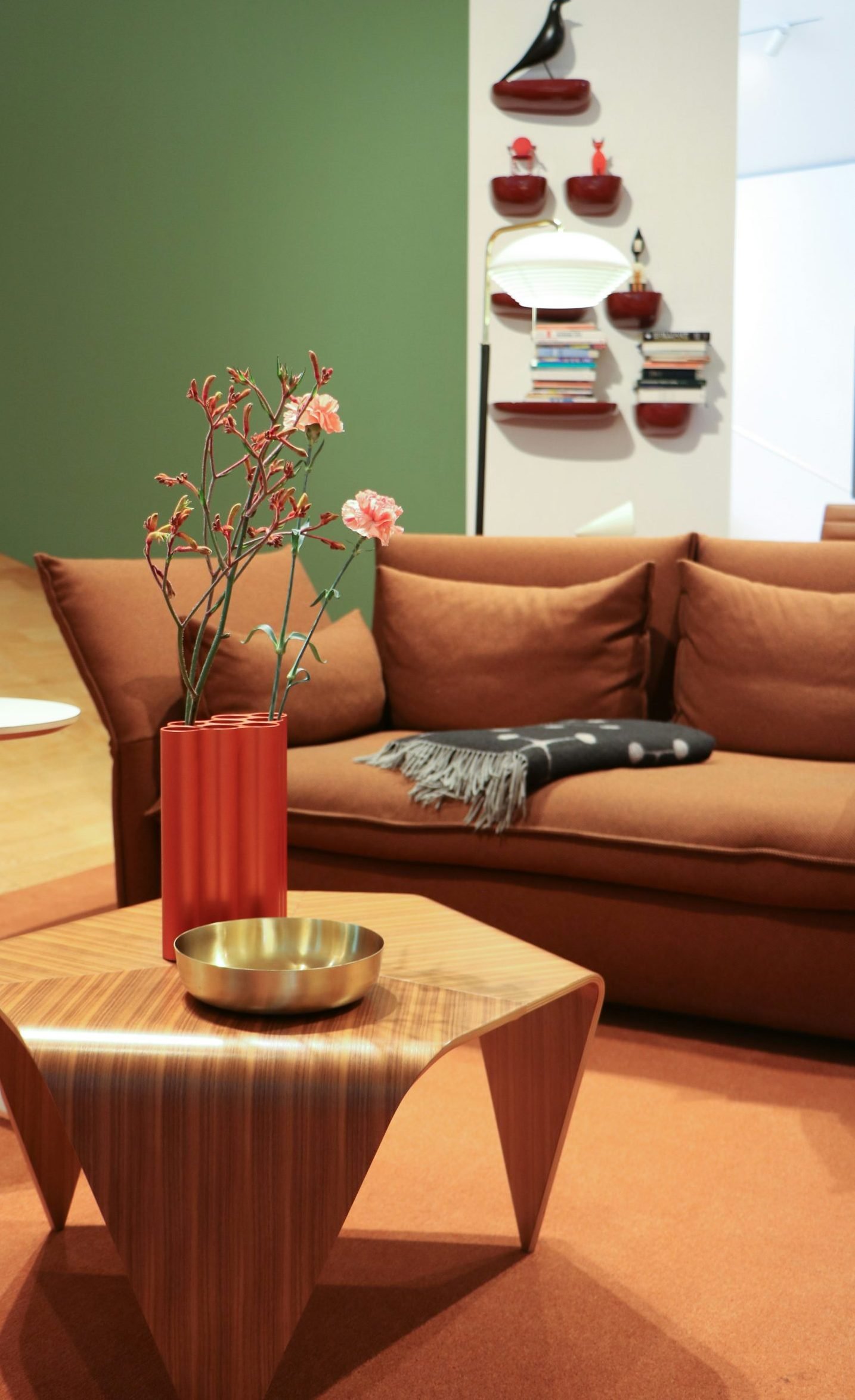
Color trajectories for 2026 lean toward nature-inspired earth tones—warm beiges, terracottas, taupes, and mossy greens—paired with soft neutrals to maintain balance. Strategic accent colors, introduced via cushions, throws, or a standout base fabric, offer a controllable way to refresh a space without replacing the sofa. This approach supports longevity by enabling easy seasonal or trend-driven updates.
7) Technology-Enhanced Comfort and Convenience
Smart features and subtle tech integrations are increasingly common in contemporary sofas. Built-in charging stations, hidden USB ports, wireless charging cushions, or integrated lighting are evolving from novelty to practical enhancements. Designers stress that technology should remain discreet and user-friendly, ensuring it complements rather than disrupts the seating experience. The goal is to deliver convenience while preserving the sofa’s aesthetic integrity and comfort.
Implications for Space Planning and Personal Style
– Space efficiency: In smaller homes, modular configurations and compact dimensions help maximize seating without encroaching on floor space.
– Open-plan versatility: Living areas connected to kitchens or workspaces benefit from flexible arrangements that can separate or unify zones as needed.
– Personalization: A balance between trend-driven elements and timeless design ensures sofas remain relevant as other décor evolves.
– Maintenance considerations: Fabric performance, stain resistance, and cleaning protocols should factor into selection, especially in households with children or pets.

*圖片來源:Unsplash*
Sofas in 2026 are not simply furniture; they are adaptable, expressive anchors that reflect evolving lifestyles. The most successful selections combine a compelling silhouette, durable materials, and smart practicality, positioned to endure through shifts in décor preferences and living patterns.
Perspectives and Impact
- Cultural and lifestyle shifts: As homes increasingly blend work and leisure, sofas are expected to serve as focal points for social interaction, collaborative work, and family downtime. The ability to reconfigure seating aligns with multi-use rooms and evolving routines.
- Environmental responsibility: The emphasis on sustainable materials and repairability could drive material innovation and better industry standards. We may see longer product lifecycles and more transparent reporting from manufacturers.
- Accessibility and inclusivity: Designers recognize the importance of accessible furniture that accommodates varied body types and mobility needs. This includes seating heights, seat depth, and armrest ergonomics, making sofas usable by a broader audience.
- Market dynamics: The demand for modular, comfortable, and durable sofas may influence pricing strategies and lead times. Consumers may be willing to invest in higher-quality pieces that offer versatility and longevity, offsetting frequent updates driven by fashions.
Future directions include further integration of technology with subtlety, more sustainable fabric innovations, and expanded modular ecosystems that allow homeowners to tailor their living rooms across different life stages. As the line between home office and living space continues to blur, sofas will likely take on ever-more specialized roles—think hidden work surfaces, integrated storage, or adaptable sleeping configurations—without compromising a refined aesthetic.
Key Takeaways
Main Points:
– Sofas are now central design anchors that blend form and function.
– Modular and adaptable configurations address changing space needs.
– Sustainable materials and responsible production are standard expectations.
– Textural fabrics and bold silhouettes add depth and personality.
– Subtle technology integration enhances comfort without sacrificing aesthetics.
Areas of Concern:
– Maintenance of high-end fabrics like velvet and bouclé can be challenging for busy households.
– Rapid trend cycles may tempt frequent replacements; prioritize timeless elements with adaptable accents.
– Ensuring ergonomics across a range of body types requires attentive measurements and testing.
Summary and Recommendations
For 2026, the optimal sofa strategy combines architectural presence with practical versatility. Begin by identifying a sofa with a strong silhouette that complements the room’s architecture and existing furniture. Prioritize modular configurations that can be reassembled for entertaining, family time, or work-from-home demands. Choose fabrics and materials that balance aesthetics with durability and maintenance considerations; sustainable options should align with environmental values and product longevity. Integrate color thoughtfully—earth tones or soft neutrals provide a timeless foundation, while strategic pops of color via cushions or throws can refresh the look without major investments. If possible, opt for sofas with built-in comfort features that support prolonged seating and consider discreet tech integrations that enhance convenience rather than dominate the design. By focusing on flexibility, sustainability, and comfort, buyers can select sofas that remain stylish and functional through evolving lifestyle needs and decor trends.
In sum, 2026 sofa trends emphasize longevity and adaptability. A well-chosen sofa should deliver immediate visual impact while remaining comfortable, easy to maintain, and capable of adapting to changing rooms and routines. This approach not only sustains value but also ensures that the living space remains inviting, functional, and expressive for years to come.
References
- Original: https://abeautifulspace.co.uk/7-viral-sofa-trends-in-2026/
- Additional reference 1: [Insert relevant interior design trend report]
- Additional reference 2: [Insert reference on sustainable materials in furniture]
- Additional reference 3: [Insert reference on modular sofa systems]
Note: The content above synthesizes widely discussed trends in sofa design for 2026 and presents them in a cohesive, objective analysis suitable for readers seeking actionable interior design guidance.

*圖片來源:Unsplash*