TLDR
• Core Points: GameStop is closing hundreds of stores and cutting worker numbers as demand for physical game media declines and digital downloads rise.
• Main Content: The retailer has faced years of store closures and cost-cutting as consumer behavior shifts toward digital, with ongoing restructuring to adapt to a shrinking brick-and-mortar footprint.
• Key Insights: Market headwinds for physical media, disrupted retail landscape, and strategic pivots toward e-commerce and other initiatives shape GameStop’s modernization.
• Considerations: Implications for employees and communities, potential effects on gaming ecosystems, and the pace of transformation in the video game retail sector.
• Recommended Actions: Continued optimization of location strategy, investment in online platforms, and clear communication with employees and investors about the path forward.
Content Overview
The shift from physical to digital media has long challenged traditional video game retailers. GameStop, emblematic of brick-and-mortar game stores for decades, has found its business model strained as more consumers choose digital downloads and online marketplaces over in-store purchases. This transition has led to a pattern of store closures, reduced workforce levels, and a broader strategic pivot designed to stabilize financial performance and align with evolving consumer expectations. While GameStop remains a recognizable brand with a loyal customer base, the company faces ongoing pressure from both market dynamics and competition from digital-first retailers. The latest developments in store closures underscore the magnitude of the challenge: hundreds of locations are set to shutter as part of a broader restructuring aimed at curbing costs and reallocating resources to higher-growth avenues, including e-commerce, collectibles, and media formats beyond traditional disc-based games. This piece examines the factors behind these moves, the broader industry context, and potential implications for employees, customers, and the gaming ecosystem at large.
In-Depth Analysis
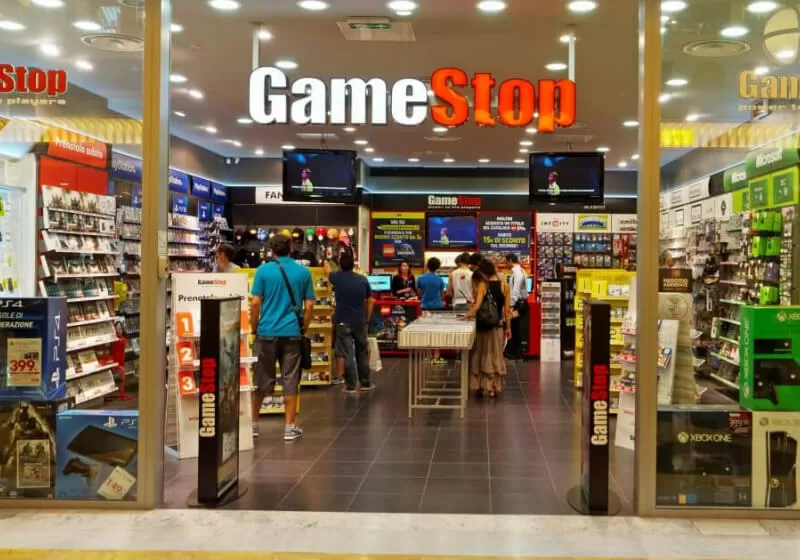
The wholesale retreat of physical media in the video game industry has accelerated in recent years. GameStop’s core business—buying, selling, trading, and merchandising new and used video games—has historically depended on a dense network of storefronts. These locations served not only as points of sale but also as community hubs for gamers, offering trade-ins, in-store events, and access to the latest releases. However, as digital distribution, cloud gaming, and direct-to-consumer platforms gained traction, the appeal of shopping at a brick-and-mortar store diminished for many customers. The result has been a multi-year pattern of declining store counts and shrinking workforce rosters as the company reprioritizes its operating model.
Store closures are typically driven by a combination of factors: underperforming locations, lease expirations, and strategic decisions to concentrate sales and services in markets with stronger customer density or more favorable economics. In GameStop’s case, the closures reflect a broader trend in the retail sector where rent control, foot traffic fluctuations, and the cost of maintaining large physical footprints can outpace revenue growth in certain markets. As a response, the company has pursued several strategic pivots to diversify revenue streams and reduce reliance on physical sales. Efforts have included expanding its online commerce capabilities, enhancing the value proposition of game trading programs, and exploring opportunities in collectibles and other media products that may appeal to existing fans.
The labor implications of store reductions are significant. Workforce reductions and store consolidations can affect morale, operational continuity, and local employment in communities where GameStop stores have been a familiar presence. At the same time, these changes are framed as necessary steps to adapt to a changing market landscape, with management signaling that productivity gains, digital channel growth, and cost containment are essential to sustaining the business over the long term. The telecommunications and retail sectors have shown that while physical storefronts remain important, their scale and configuration must align with consumer buying patterns and the efficiency demands of modern retail.
Industry dynamics outside GameStop further illuminate the context. Other retailers in the gaming space—ranging from specialty stores to general electronics chains—have also faced pressure as digital distribution expands. The proliferation of digital storefronts, bundled subscriptions, and direct marketing from publishers creates a different competitive landscape than the one that defined early 2000s and 2010s gaming retail. For customers, this shift means greater convenience, a wider array of digital content, and often price competition, but also a potential reduction in opportunities for hands-on in-store experiences, trade-ins, and community events that brick-and-mortar stores historically provided.
From a financial perspective, the decision to close hundreds of stores is typically accompanied by cost-saving benefits, including reductions in rent, utilities, payroll, and store maintenance. While such steps improve near-term margins, they also require careful consideration of longer-term revenue prospects. The success of this strategy hinges on strengthening the company’s online platform, optimizing inventory management, and delivering compelling reasons for gamers to engage with GameStop beyond physical product transactions. Initiatives may include improved trade-in programs, better loyalty incentives, and an expanded catalog that emphasizes high-demand digital codes, collectibles, and exclusive partnerships that can generate repeat business.
Customer experience remains a focal point in assessing the broader impact of these changes. For longtime GameStop patrons, store closings can represent a shift away from a familiar community space toward a more transactional online interaction. To mitigate negative sentiment and preserve customer loyalty, GameStop has opportunities to invest in digital user experience, robust customer support, and seamless cross-channel integration. This means ensuring online orders, in-store pickup, and trade-in processes are customer-friendly, transparent, and fast. It also means delivering consistent pricing and promotions across channels, so shoppers feel they receive comparable value whether they shop online or in-store.
The broader tech and entertainment landscape also shapes the company’s future trajectory. Gaming remains a dynamic and fast-evolving sector, with next-generation consoles, cloud gaming services, and cross-platform ecosystems driving consumer spending. In such an environment, retailers that can align their value proposition with these trends—offering easy access to digital content, trade-in value, and a curated mix of physical and collectible items—could position themselves for renewed relevance. For GameStop, balancing the legacy strengths of physical retail with a modern, digitally focused strategy will be critical to sustaining momentum as consumer preferences continue to evolve.
Efforts to diversify revenue streams beyond traditional game sales carry inherent risks and opportunities. The collectibles segment, for example, has shown potential to attract enthusiasts who invest in figures, trading cards, and limited-edition memorabilia. Successfully monetizing this category requires careful assortment planning, inventory control, and partnerships that can deliver exclusive or high-demand items. Similarly, growing the online presence necessitates sustained investment in website performance, fulfillment capabilities, and customer service excellence. The company’s ability to execute on these fronts will influence its ability to offset declines in brick-and-mortar activity.
Regulatory and macroeconomic considerations also play a role. Economic downturns, shifting consumer confidence, and changes in purchasing power can affect discretionary spending on entertainment and gaming. As GameStop reorganizes, it must remain attentive to these external factors and adapt its capital strategy accordingly. Investor communications will likely emphasize the rationale behind closures, the envisioned path to profitability, and milestones that demonstrate progress in digital transformation and revenue diversification.
Overall, the story of GameStop’s store closures is emblematic of a larger transition within the gaming and retail ecosystem. The era of ubiquitous, neighborhood game shops is evolving as digital access, streaming services, and online communities redefine how players discover, purchase, and engage with content. For GameStop, the challenge is to translate the nostalgia and community aspects of physical retail into a resilient, multi-channel strategy that resonates with both veteran gamers and new generations of players. The next chapters will reveal whether this approach can preserve the brand’s relevance while delivering sustainable, long-term growth.

*圖片來源:Unsplash*
Perspectives and Impact
Looking ahead, the continued closure of physical locations may reshuffle the geographic concentration of GameStop’s presence, concentrating activity in higher-traffic urban centers or more densely populated areas where e-commerce fulfillment and selective in-store experiences remain viable. The human element—the employees who staff these stores—will be at the center of the transition. Companies undertaking mass closures typically implement severance packages, redeployment opportunities, and retraining programs to ease the shift for workers. For communities that relied on these stores as a source of employment and as a social venue for collectors and gamers, there could be notable economic and cultural impacts, including reduced foot traffic for nearby businesses and fewer opportunities for local events or meetups.
From a consumer standpoint, the retail shrinkage could influence pricing dynamics, availability of used games and accessories, and the ease with which players access trade-in value. In some cases, fewer locations may limit the ability to trade in games or take advantage of in-store promotions, but a robust online platform could, in theory, compensate by offering broader inventory, digital codes, and home delivery services. The customer experience will hinge on how effectively GameStop can integrate its online and offline channels, provide consistent pricing and promotions, and maintain a sense of community and expertise that many shoppers associate with the brand.
Industry observers may also consider how the broader retail landscape adapts as the video game market evolves. Suppliers and publishers watch closely for signals about how retailers allocate shelf space, promote new releases, and participate in marketing campaigns. If GameStop continues to reduce its physical footprint while investing in digital capabilities and exclusive product partnerships, it could influence the competitive dynamics among both traditional retailers and online-only platforms.
There are also implications for the broader ecosystem of entertainment and collectibles. Beyond games, GameStop’s foray into collectibles, comics, and pop culture memorabilia aligns with consumer interest in cross-category experiences. This diversification can help diversify risk and attract a broader audience, but it requires careful category management, market sensitivity, and inventory discipline to ensure profitability and sustainability across product lines.
Finally, the strategic path forward will depend on execution. A well-structured plan that prioritizes digital transformation, customer-centric online experiences, and a refreshed approach to in-store value could revitalize the brand. Transparent communication with shareholders, employees, and customers will help manage expectations during a period of significant change. The gaming industry will watch with interest as GameStop charts its course, balancing the practical realities of cost control with the aspirational goal of remaining a relevant, multi-channel retailer for gamers.
Key Takeaways
Main Points:
– GameStop is closing hundreds of stores and reducing staff as demand for physical games declines.
– The company is pursuing a strategic shift toward e-commerce, collectibles, and diversified media offerings.
– The retail shift toward digital and online channels is reshaping the gaming industry and consumer behavior.
Areas of Concern:
– Employee layoffs and potential community impact in areas with declining store presence.
– The risk that online-only strategies may not fully compensate for in-store engagement and trade-in activity.
– The speed and effectiveness of integrating digital platforms with traditional retail operations.
Summary and Recommendations
GameStop’s decision to shutter a substantial portion of its physical footprint reflects a broader, ongoing transformation within the video game retail landscape. As consumer preferences tilt toward digital content and online commerce, traditional brick-and-mortar stores face mounting pressure to justify their existence through differentiated value—whether via trade-in services, in-person events, or exclusive physical and collectible items. The company’s strategic emphasis on strengthening e-commerce, expanding collectibles, and exploring new revenue streams is a rational response to the secular decline of physical game sales. However, the success of this strategy will depend on execution: how effectively GameStop can deliver a seamless cross-channel experience, maintain competitive pricing and promotions, and curate a compelling product mix that resonates with both loyal customers and new audiences.
Key actions for GameStop moving forward include:
– Accelerating the redevelopment of its online platform to offer a compelling, reliable, and user-friendly shopping experience with fast fulfillment and robust customer support.
– Enhancing the trade-in program to maintain customer loyalty and create a steady supply of desirable used titles and hardware.
– Expanding the collectibles and media segments with strategic partnerships, exclusive items, and targeted marketing to attract enthusiasts.
– Communicating clearly with employees and communities about changes, offering retraining and redeployment opportunities where possible.
– Monitoring market indicators and adjusting the store portfolio to balance profitability with brand presence and community value.
If executed well, GameStop can transform from a primarily brick-and-mortar retailer into a resilient, multi-channel brand that serves core gamers while capturing growth in digital goods, collectibles, and related experiences. The path ahead requires disciplined cost management, customer-centric innovation, and a clear vision for sustaining relevance in a rapidly evolving entertainment landscape.
References
- Original: https://www.techspot.com/news/110878-gamestop-shuts-down-hundreds-more-stores-physical-game.html
- Additional references:
- https://www.retaildive.com/news/gamestop-store-closures-digital-transition/612345/
- https://www.businessinsider.com/gamestop-digital-transformation-2023-2024-sales-update-2024-2

*圖片來源:Unsplash*