TLDR
• Core Points: Sofas are evolving from mere seating to design anchors, with bold silhouettes, sustainable materials, adaptable configurations, and integrated technology influencing living spaces in 2026.
• Main Content: This piece explores seven sofa trends driving interior aesthetics, comfort, and functionality, and offers practical guidance for homeowners and designers.
• Key Insights: Trend adoption balances fashion with practicality, emphasizing longevity, modularity, sustainability, and expressive color palettes.
• Considerations: Costs, maintenance, space constraints, and the need for cohesive styling with existing decor.
• Recommended Actions: Assess room layout, prioritize modular systems, select durable fabrics, and plan for future adaptability.
Content Overview
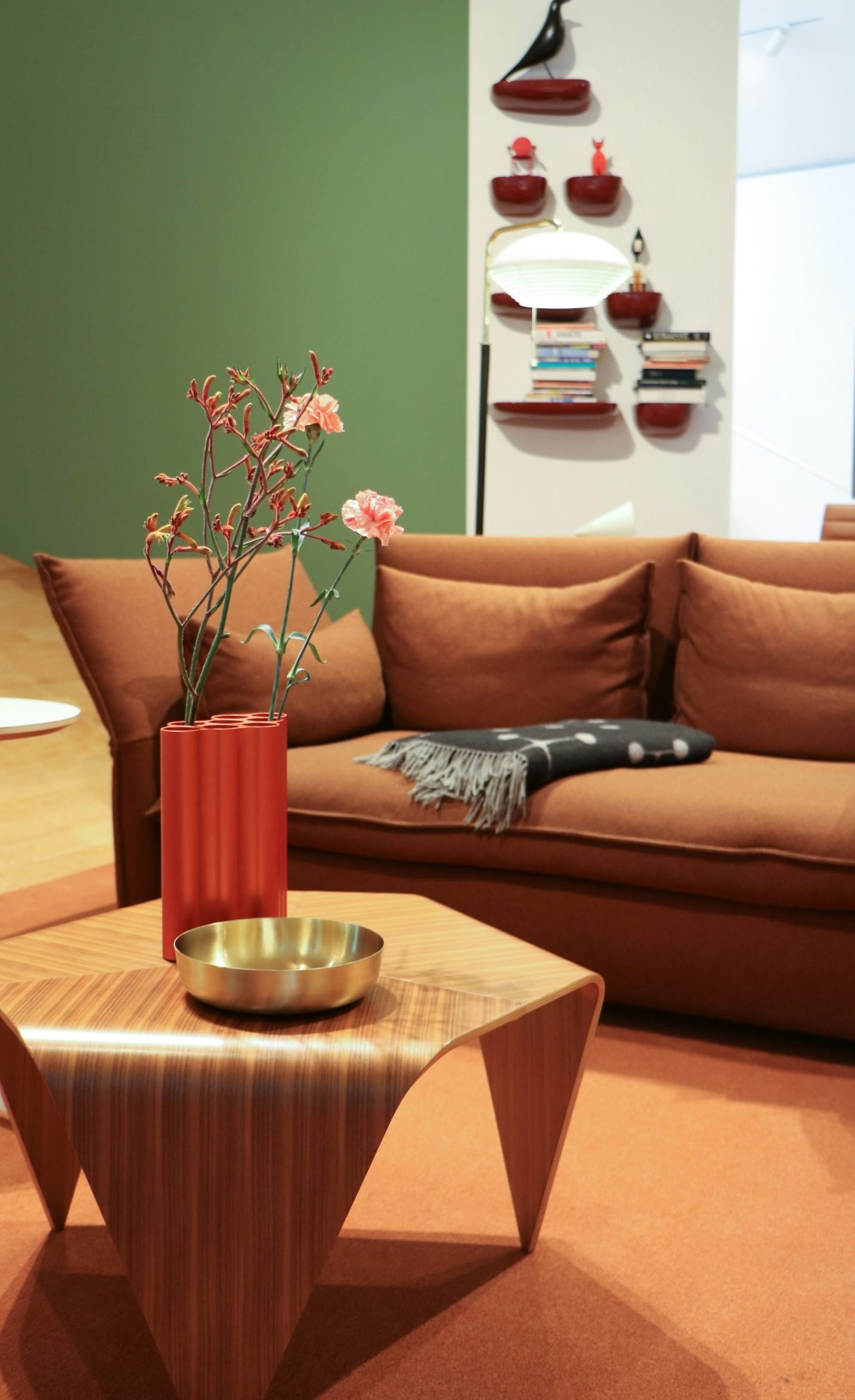
Sofas have long been the centerpiece of living rooms, but in 2026 they are increasingly treated as the backbone of interior design. The sofa you choose today can set the tone for a space’s aesthetic, comfort, and function for years to come. As consumer preferences shift toward more personalized and enduring solutions, designers and homeowners are gravitating toward pieces that blend form and function with sustainable practices. The seven trends outlined below capture how contemporary sofas are evolving—from shape and texture to technology integration and ecological considerations.
First, there is a clear move toward bold, statement silhouettes. Designers are embracing oversized forms, sculptural curves, and unexpected angles that serve as focal points within a room. These sofa shapes not only offer generous seating but also act as artful elements that anchor color schemes and spatial dynamics. Second, the cushion and upholstery approach has shifted toward performance fabrics and tactile textures. Fabrics that resist stains, wear, and sunlight while providing a pleasing feel under the touch are increasingly prioritized, especially in households with children or pets. Third, modularity remains a dominant theme. Flexible configurations allow owners to adapt seating to different rooms, occasions, and social arrangements. This adaptability extends to sectional systems that can be reconfigured or expanded as needs change.
Fourth, sustainability has moved from a niche consideration to a standard criterion. Ethically sourced materials, low-emission production, and durable construction are central to contemporary sofa design. Fifth, color and finish trends show a move toward warm, earthy palettes and nuanced neutrals with occasional bold accents. The goal is to create inviting, timeless looks rather than fleeting trends. Sixth, integrated technology is becoming more common. Built-in charging capabilities, concealed speakers, and smart upholstery features are enhancing convenience without compromising aesthetics. Finally, proactivity in maintenance and care—such as easy-clean frames and removable, washable covers—helps preserve investment value over time.
The following sections provide a deeper exploration of these dynamics, offering context, practical considerations, and guidance for selecting sofas that align with modern living while remaining adaptable to changing needs.
In-Depth Analysis
Sofas as Design Anchors
In contemporary interiors, the sofa functions as a design anchor—a piece that sets the room’s scale, mood, and functionality. Large-format sofas with generous seating encourage social gatherings and family interaction, while sculptural shapes can double as a visual anchor that dictates the room’s flow. The trend toward statement sofas means that buyers increasingly consider not just comfort, but also the chair’s silhouette, seam detailing, and overall presence. When selecting a sofa, measure the space carefully and consider how the piece interacts with coffee tables, rug sizing, and traffic patterns. A well-chosen, bold sofa can reduce the need for additional decor, as its form becomes visually self-sufficient.
Performance and Durability
Sofas in 2026 emphasize performance fabrics and durable construction. Materials engineered for stain resistance, moisture repellence, and colorfastness help homes maintain a clean, polished look with less upkeep. For households with children or pets, performance fabrics are not optional but essential. In addition to fabric tech, frame quality matters: kiln-dried hardwood frames, reinforced joinery, and high-quality springs or cushions ensure longevity. Investors in a sofa should ask about fabric warranty, cleaning protocols, and the repairability of components to extend the piece’s life.
Modularity and Flexibility
Modular seating systems offer unparalleled adaptability. Sectionals composed of individual modules can be rearranged to fit changing room dimensions, hosting needs, or lighting conditions. This flexibility is particularly valuable in open-plan living spaces where room functions evolve over time. People also seek sofas with integrated ottomans, hidden storage, or reconfigurable backrests to convert a living area into a coworking or lounging zone as needed. The culinary of modularity is not just about function; it’s about enabling a space to transform without costly moves or reproductions.
Sustainability and Ethical Considerations
Sustainable design is now a baseline expectation, not a niche option. Brands are scrutinizing supply chains, prioritizing certified woods, recycled or renewable materials, and low-impact dyeing processes. Longevity is also a sustainability strategy—sofas built to last, with replaceable cushions and covers, reduce waste and improve total cost of ownership. Consumers are increasingly willing to invest in higher-quality, eco-conscious options that align with broader environmental values.
Texture, Color, and Finish
Color psychology and tactile experience play a significant role in sofa selection. Earth tones and warm neutrals remain versatile, while rich accent hues provide personality without overpowering a room. Texture—from plush boucles to sleek, washed leathers—adds depth and comfort. The pairing of different textures across cushions, throws, and surrounding furnishings is a current trend that creates layered, inviting spaces. Additionally, there is a growing interest in two-tone or mixed-material sofas that blend leather, fabric, and metal accents to create a nuanced, contemporary look.
Technology Integration
Smart features are moving beyond novelty to practicality. Wireless charging pads, integrated USB-C ports, and concealed speakers are becoming standard in some higher-end models. These features support modern living where devices are central to daily routines. Aesthetics remain critical, so manufacturers are integrating tech in ways that do not disrupt the sofa’s silhouette—concealed compartments, hidden electronics, and modular components that allow easy upgrades.

*圖片來源:Unsplash*
Maintenance and Care
The practicality of maintenance informs durable design. Removable, washable, or stain-resistant covers are highly valued for ease of cleaning. For leather options, care products, conditioning, and protective finishes help maintain appearance and extend life. Buyers should consider the cleaning regimen and whether covers are machine washable or require professional cleaning. Warranties and repair services also influence the long-term satisfaction of a sofa purchase.
Size, Scale, and Space
Room dimensions drive sofa selection. In smaller spaces, compact, multifunctional pieces with clean lines prevent crowding while maintaining comfort. In larger rooms, oversized or sectional configurations create a social nucleus that anchors seating areas with appropriate proportions to coffee tables and area rugs. The trend toward bolder silhouettes must be balanced with the room’s architectural features, lighting, and traffic flow to avoid overwhelming the space.
Accessibility and Inclusivity
Inclusive design is increasingly important in contemporary homes. Sofas that accommodate varied postures, heights, and mobility needs enhance usability for a broad range of occupants. Features such as easy-to-climb seating, armless configurations for accessibility, and modular components that can be adjusted or reconfigured by different users contribute to a more versatile living space.
Market Availability and Customization
Across markets, consumers have access to a broader array of customization options. From fabric choices to cushion firmness and leg finishes, buyers can tailor a sofa to their exact preferences. This customization comes with longer lead times for some orders, so planning ahead is advisable. Consumers should balance desire for personalization with space constraints, budget, and anticipated use.
Aesthetic Trends in Context
The evolving sofa trends reflect broader shifts in interior aesthetics: minimalism evolving into warm, lived-in luxury; maximalist textures with restrained color palettes; and a growing emphasis on comfort as a daily priority rather than a weekend luxury. As technology and sustainability mature, sofas may become more modular, repairable, and adaptable than ever before. The design conversation is moving toward pieces that can be easily reconfigured, refreshed with new textiles, or repurposed as living needs change.
Future Implications
Looking ahead, the sofa will likely continue to integrate more sophisticated materials and smarter functionality. Advances in recycled or bio-based textiles, low-emission upholstery foams, and modular systems could further enhance sustainability and adaptability. Industry developments may also emphasize circular economy practices—take-back programs, repair services, and end-of-life recycling for sofa components. Designers and manufacturers who prioritize modularity, durability, and ethical sourcing are likely to remain at the forefront of the market.
Perspectives and Impact
- Household and lifestyle dynamics: As work-from-home and hybrid living patterns persist, flexible seating configurations can support dual-use spaces, such as living areas that transition to home offices. Users will seek sofas that accommodate long hours of sitting with ergonomic considerations, integrated charging, and adaptable back support.
- Environmental and ethical implications: Demand for sustainable and responsibly sourced furniture will continue to rise. Consumers may favor brands with transparent supply chains, durable materials, and repairability. The industry could respond with standardized eco-labels and more robust warranties that reflect true longevity.
- Economic considerations: Higher-quality, customizable sofas may come with steeper upfront costs, but total ownership costs could be lower due to longer lifespans. This shift challenges price-centric buying habits and encourages a value-based purchasing approach centered on durability and versatility.
- Cultural and stylistic shifts: The visual language of interiors is moving toward warm, inviting environments that blend modern silhouettes with traditional comforts. This bridging of styles supports diverse design tastes and can accommodate evolving personal preferences over time.
- Technological trajectories: As smart home ecosystems expand, sofa-integrated technologies may become more common and affordable. The key challenge will be delivering seamless integration without compromising comfort or aesthetics.
Key Takeaways
Main Points:
– Sofas function as design anchors with bold silhouettes and versatile configurations.
– Performance fabrics and durable construction are essential for longevity.
– Sustainability, modularity, and thoughtful detailing guide contemporary choices.
Areas of Concern:
– Higher upfront costs for premium, sustainable options.
– Maintenance and care requirements for long-lasting performance.
– Lead times and customization logistics for personalized pieces.
Summary and Recommendations
For those seeking to align with 2026 sofa trends, a practical approach emphasizes balance between aesthetics, function, and longevity. Start by assessing space layout and identifying a central seating focal point that can anchor the room. Favor modular configurations that can adapt to changing needs, and prioritize performance fabrics and robust frames to withstand daily use. Embrace sustainable sourcing by researching brands with transparent supply chains and eco-friendly materials, while selecting colors and textures that create warmth and depth without sacrificing timeless appeal. Finally, consider built-in or concealed technology options that enhance convenience while preserving the sofa’s visual integrity. By prioritizing adaptability, durability, and ethical considerations, buyers can invest in sofas that remain stylish and functional through evolving trends and life stages.
References
- Original: https://abeautifulspace.co.uk/7-viral-sofa-trends-in-2026/
- Additional references to current design trends and sustainability practices can include design journals, furniture industry reports, and reputable interior design sources that discuss modular seating, performance fabrics, and eco-conscious manufacturing.

*圖片來源:Unsplash*