TLDR
• Core Points: A structured month-long prompt list for January junk journaling to nurture creativity and build a sustainable journaling habit.
• Main Content: Practical prompts organized for daily use, with context, tips, and reflective prompts to encourage consistent practice.
• Key Insights: This guide emphasizes accessibility, low-cost supplies, and journaling as a trigger for creative thinking and mindful reflection.
• Considerations: Users should adapt prompts to their own style and materials; consistency matters more than complexity.
• Recommended Actions: Start with a small setup, bookmark the prompts, and commit to a daily or near-daily journaling routine throughout January.
Content Overview
January often represents a fresh start, a natural time to cultivate new habits and explore personal creativity. This article presents a curated collection of 31 junk journal prompts designed to spark inventive thinking and sustain a steady journaling practice throughout the month. Junk journaling, which blends found paper materials, inexpensive supplies, and personal reflection, offers an approachable entry point for beginners and seasoned journalers alike. The prompts aim to lower the barrier to entry by focusing on simple, doable activities that require minimal investment while still encouraging meaningful exploration.
The prompts are not rigid assignments but flexible invitations to engage with everyday experiences, sensory details, and personal memory. They can be adapted to fit different journal formats, whether a traditional notebook, a pocket notebook, a scrapbook, or a digital journaling space that supports image and text collaboration. The overarching goal is to foster a habit of daily or near-daily creative expression, turning journaling into a reliable routine that can improve focus, reduce stress, and nurture self-awareness.
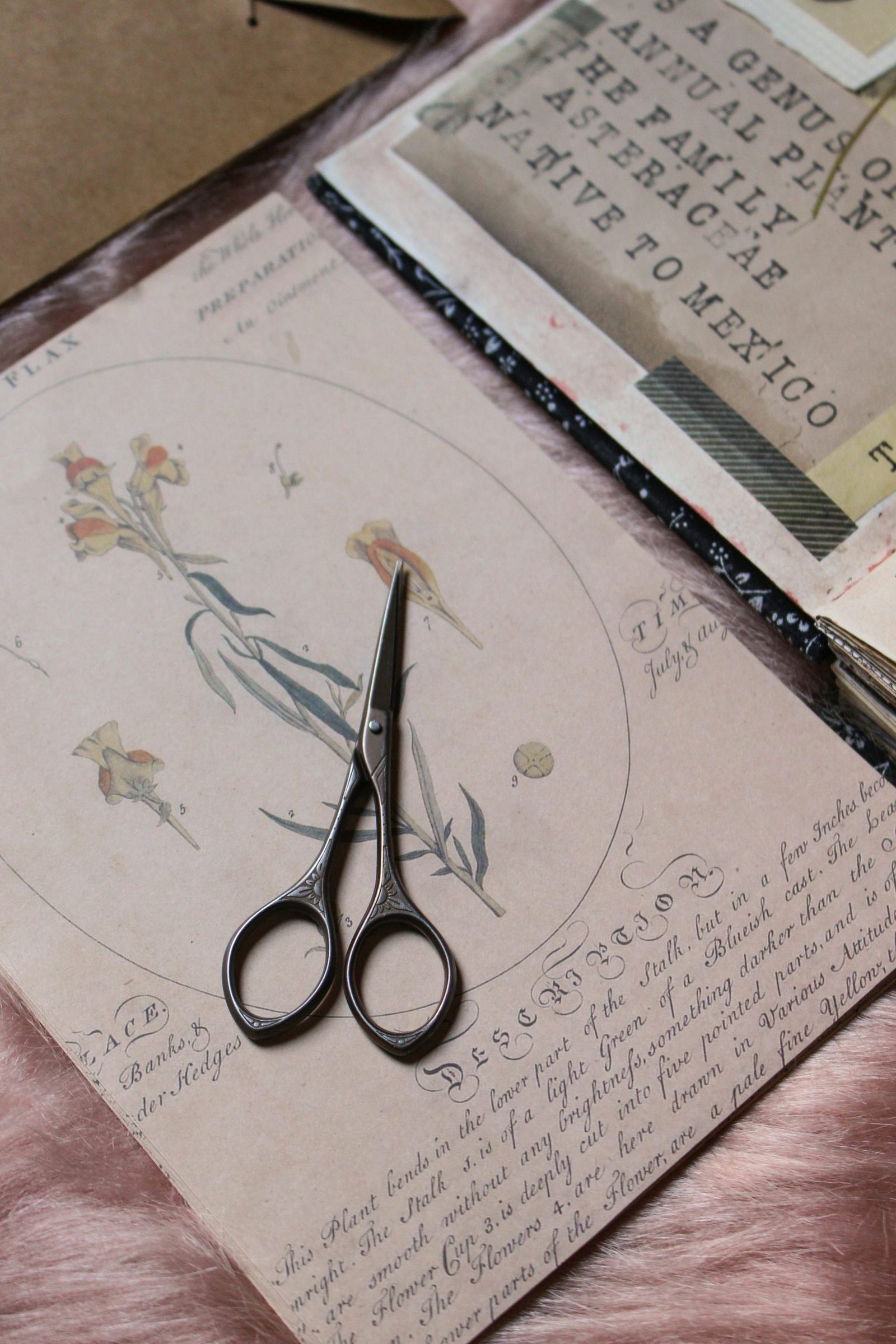
In addition to the prompts themselves, the article offers practical guidance on using junk journaling as a creative practice. This includes tips on collecting materials (newspaper clippings, envelopes, washi tape, fabric scraps, dried flowers, ticket stubs, and other found items), organizing pages, and pairing prompts with small exercises that can be completed in short sessions. The emphasis is on mindful engagement with materials and prompts, rather than perfection in the final product. By encouraging experimentation, playfulness, and personal interpretation, the guide positions junk journaling as a versatile tool for creativity, reflection, and personal growth.
In-Depth Analysis
The core concept presented is straightforward: leverage a month-long sequence of prompts to establish a reliable journaling routine. The approach prioritizes accessibility and consistency. Each prompt is crafted to be approachable, requiring minimal specialized supplies, which makes it easier for newcomers to begin without a significant upfront investment. For more experienced journalers, the prompts offer opportunities to push creativity in new directions by layering techniques, textures, and materials.
A central benefit highlighted is the habit-forming potential of daily creative practice. Habits form through repetition and small, manageable tasks, and the January prompts are designed with this principle in mind. By breaking the month into 31 discrete prompts, readers have a clear path forward. This structure reduces decision fatigue—the common barrier where the abundance of options leads to inaction. Instead, users can approach each day with a simple intention: engage with the prompt and create something, even if it’s a modest page spread or a quick visual note.
The article also emphasizes the personal, subjective nature of journaling. There is no single “right” way to complete a prompt; the focus is on personal interpretation, memory, and sensory experience. This flexibility aligns with the ethos of junk journaling, where improvisation and resourcefulness are valued. Through this lens, prompts can be adapted to accommodate varying levels of time, materials, and energy, making the practice sustainable over the long term.
From a materials standpoint, junk journaling benefits from the resourcefulness of using everyday items. The prompts encourage experimenting with found materials, which can enrich the tactile dimension of the journal. The act of transforming simple scraps into meaningful pages can reinforce the sense of agency and creativity. The article underscores the value of mindful collecting—when and why to save certain items—and suggests organizing strategies that help maintain momentum during the month.
The tone of the content remains objective and practical. It does not promise dramatic artistic breakthroughs overnight but frames journaling as a constructive routine with intrinsic value. Readers are encouraged to set realistic goals, track progress, and reflect on the impact of the practice on mood, focus, and creative thinking. By focusing on process rather than product, the prompts become a tool for ongoing self-discovery.
Future implications of adopting a January junk journaling habit include improved introspection, enhanced observational skills, and the development of a personal visual language. The routine can also serve as a springboard for broader creative projects, such as planning a larger art journal, scrapbooking a family moment, or documenting a personal goals journey. As readers gain confidence, they may find themselves naturally incorporating more complex techniques or expanding their material repertoire, while still maintaining the core principle of accessibility and consistency.

*圖片來源:Unsplash*
Perspectives and Impact
Adopting monthly prompts like the January junk journal list can influence creative behavior in meaningful ways. For beginners, it lowers the entry barrier, turning journaling into a daily ritual rather than a daunting task. The routine creates a dependable framework that can translate into other areas of life, such as journaling about goals, reflections on reading, or documenting the small details of daily life that might otherwise be forgotten.
From a psychological perspective, regular journaling supports emotional regulation and cognitive clarity. Writing and visual composition foster a sense of mindfulness and can help individuals organize thoughts, reduce rumination, and capture fleeting inspirations before they dissipate. The use of tangible materials—paper, glue, cuts, and textures—engages the senses, which can strengthen memory encoding and retrieval. This multisensory engagement is particularly valuable in an era dominated by digital, ephemeral content.
The prompts also offer an inclusive framework that can accommodate different cultural backgrounds, personal experiences, and accessibility needs. Because the approach relies on simple, everyday materials, it can be adapted to fit varying budgets and skill levels. The flexibility of junk journaling allows for personalization, enabling users to infuse their pages with meaningful symbols, language, and imagery that reflect their unique identities and experiences.
In terms of long-term impact, sustaining a journaling habit might influence personal growth trajectories. Consistent creative practice can foster resilience, improve problem-solving skills, and promote a habit of reflective learning. By documenting responses to prompts over time, individuals can observe patterns in their thoughts and creative preferences, which can inform future artistic or journaling endeavors. The broader implication is that small, regular creative actions can compound into lasting benefits for well-being and personal development.
Potential limitations include non-uniform engagement. Some days may feel rushed, leading to abbreviated responses, while others may inspire more elaborate explorations. The prompts should be treated as flexible invitations rather than rigid obligations to ensure sustained participation. Readers may also seek additional prompts or variations to maintain interest, which can be addressed by building a small personal prompt library or rotating themes across months.
Looking ahead, the January prompts could be adapted into complementary formats, such as printable pages, digital templates, or community challenges. A shared space where participants post their pages could foster accountability and inspiration. Collaboration with other junk journaling enthusiasts might yield new techniques, such as color theory explorations, texture rubbings, or mixed-media experiments, further enriching the practice.
Key Takeaways
Main Points:
– A 31-prompt layout provides structure to build a consistent junk journaling habit during January.
– Prompts emphasize accessibility, using inexpensive or found materials to encourage experimentation.
– The practice centers on process, reflection, and personal interpretation rather than achieving a flawless final product.
Areas of Concern:
– Some readers may find the prompts too simple or time-constrained on busy days.
– There is a potential risk of material waste if prompts encourage excessive consumption of supplies.
– Without community or accountability, motivation may wane for some participants.
Summary and Recommendations
The January junk journal prompts offer a practical framework for cultivating daily creativity through a low-barrier, flexible approach. By combining simple prompts with accessible materials, the program invites beginners to begin journaling without fear of inadequacy while giving seasoned practitioners a blueprint for sustained exploration. The emphasis on process over perfection supports a healthy, mindful creative practice that can extend beyond January into other months and projects.
Recommended actions:
– Prepare a small, dedicated journaling kit with basic supplies and a few found items to reduce friction on busy days.
– Print or bookmark the 31 prompts and create a simple calendar to track daily engagement.
– Allow for adaptation: modify prompts to suit your style, time constraints, and available materials.
– Consider sharing progress with a friend or online community to boost accountability and inspiration.
– Reflect weekly on how journaling affects mood, focus, and creativity to reinforce the habit’s value.
References
- Original: https://abeautifulspace.co.uk/31-january-junk-journal-prompts-to-spark-creativity-all-month-long/
- Related resources: Explore beginner-friendly junk journaling guides, inexpensive supply lists, and community challenges to expand your practice.

*圖片來源:Unsplash*