TLDR
• Core Points: Poetcore embraces warm, reflective interiors inspired by poetry, literature, and vintage textures to create a tranquil, study-like living space.
• Main Content: The article presents nine practical ideas to cultivate a literary ambiance in the living room, blending color, texture, lighting, furnishings, and personal ephemera.
• Key Insights: Personal mementos, tactile materials, and curated bookish accents can transform a space into a poetry-infused retreat while maintaining livability.
• Considerations: Balance between aesthetic and practicality, budget awareness, and accessibility of literary items for everyday use.
• Recommended Actions: Audit your space for warm textures, incorporate book-inspired decor, and layer lighting to evoke contemplative mood.
Content Overview
The concept of poetcore centers on crafting living spaces that feel like living poems—warm, reflective, and rich with texture and storytelling. A poetcore-inspired living room aims to evoke a literary mood through careful selections of color palettes, materials, furniture, and decor that remind occupants of favorite poems, authors, or literary eras. The design philosophy emphasizes tactile experiences: the softness of textiles, the natural tones of wood and stone, vintage or handmade pieces, and an arrangement that invites slow, thoughtful engagement rather than high-energy socializing. The resulting space should feel like a retreat where inspiration is near at hand, yet it remains a functional area for daily life, conversation, and relaxation. In practice, achieving a poetcore aesthetic involves nine core ideas that blend aesthetic rigor with personal storytelling, ensuring the room remains inviting rather than overly precious.
In-Depth Analysis
1) Warm, Bookish Color Palette
A poetcore living room relies on a color scheme that feels comforting and intimate. Earthy neutrals—creamy beiges, warm taupes, soft browns—are complemented by muted greens, desaturated blues, and occasional charcoal accents. The aim is to create a backdrop that makes the room feel intimate, like the pages of a well-loved volume. Paint choices should favor low-sheen finishes to reduce glare, enabling softer light diffusion. Wall colors can be paired with textiles that echo the palette, ensuring cohesion across furniture, curtains, and cushions. The color strategy supports a contemplative mood and makes book spines pop as focal points.
2) Texture-Rich Materials
Texture is central to poetcore. Layering tactile materials—linen, wool, velvet, tweed, sisal, jute—adds depth and inviteability to the space. Upholstery in natural fabrics creates a sense of warmth and comfort while remaining durable for everyday use. Textured throws and cushions can be swapped seasonally to refresh the room without a full redesign. Rough-hewn wood furniture, ceramic ware, and stone accents contribute to a grounded, artisanal feel. The juxtaposition of soft textiles with harder surfaces mirrors the contrasts found in poetry: gentle cadence against sharper imagery.
3) Furniture with Narrative Undertones
Furniture selections should feel curated rather than generic. Consider pieces that evoke literary memory or vintage charm—a leather club chair that invites long reads, a carved wood coffee table with visible grain, a writing desk repurposed as a sideboard, or bookshelves with a weathered finish. The idea is not to imitate a library but to weave literary inference into the room’s structure. Furniture should invite lingering, potentially through comfortable seating arrangements that foster intimate conversations or solitary reading nooks.
4) Thoughtful Lighting for Reading and Reflection
Lighting shapes mood as much as color and texture. Layered lighting—overhead ambient, task lighting for reading, and accent lighting to highlight collections—helps achieve a poetcore ambiance. Warm temperature bulbs (around 2700–3000K) create a glow reminiscent of candlelight. Floor lamps with adjustable arms and table lamps with soft, diffused shades can frame reading corners. Dimming options enable transitions from bright daytime use to contemplative evening reading. The light quality should be flattering to book pages and artwork, supporting a thoughtful atmosphere rather than stark illumination.
5) Literary Accents and Curated Collections
A poetcore room benefits from curated bookish and literary accents. Displaying a curated shelf of favorite titles, poetry collections, or antique volumes can serve as both decor and inspiration. Consider unique bookends, vintage library cards, wax-sealed envelopes, or handwritten notes embedded within shelves. Art can reflect literary themes—line-drawn portraits of poets, typographic prints, or abstract pieces inspired by verse. The goal is to create visual storytelling that nods to literature without overloading the space with obvious cues.
6) Personal Ephemera and Memory Objects
Personal items that tell a story help ground the poetcore aesthetic in real life. Travel postcards, pressed flowers, handwritten letters, and family artifacts can be integrated into shelves or vignette displays. The key is selective curation—choose pieces with genuine meaning or provenance. By weaving personal objects into the room, the space becomes a living journal, inviting visitors to discover stories and memories as they move through the space.
7) Quiet Corners for Reading and Reflection
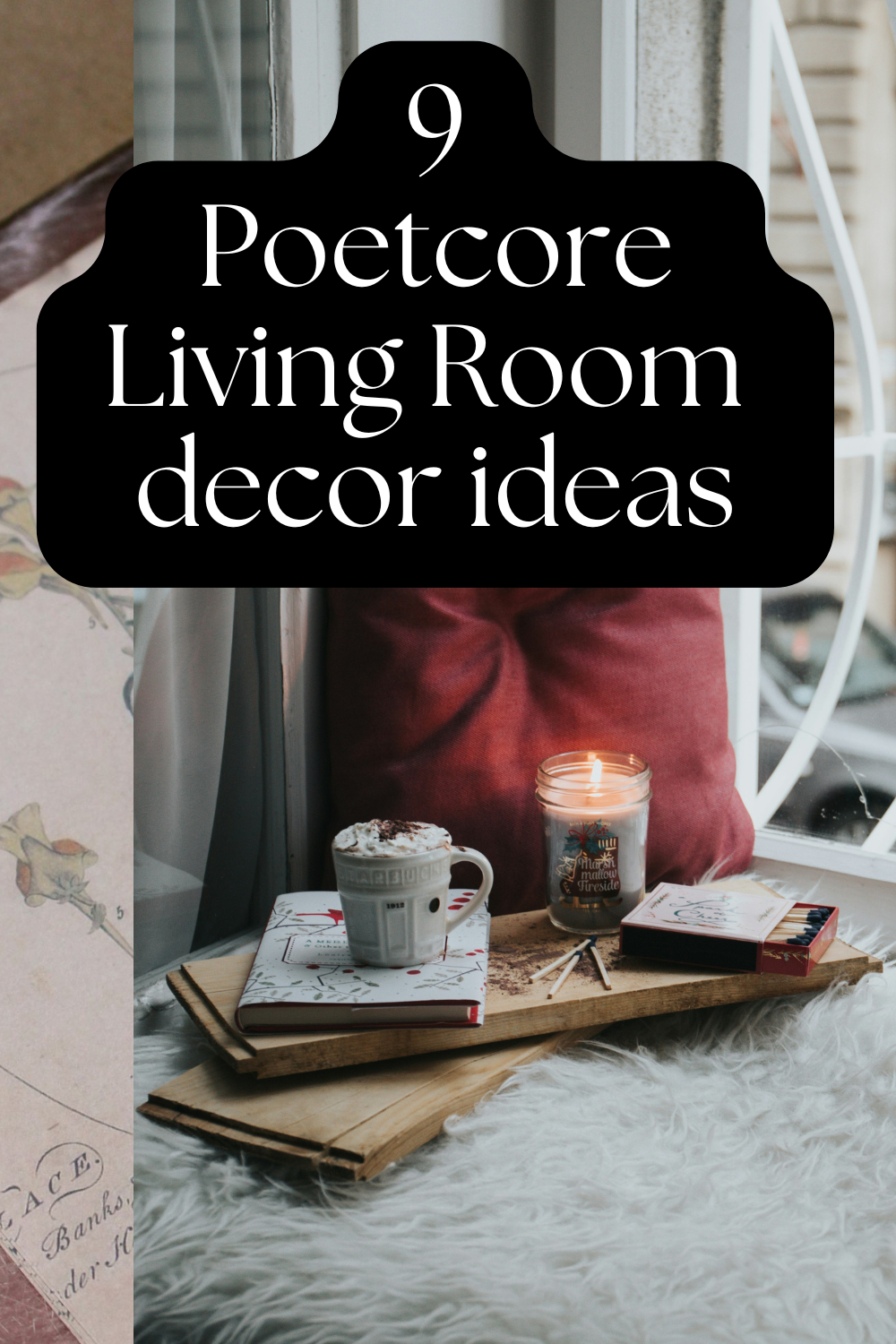
A poetcore living room should include intentional, quiet corners that invite immersion in a book or a moment of contemplation. Create a reading nook with a comfortable chair, a small side table for a drink or notebook, and a soft throw within reach. Position seating to face a window or a sheltered view to encourage focus and mindfulness. Even small changes—like a single plant, a candle, or a small rug—can transform a corner into a sanctuary.
8) Plants and Natural Elements
Greenery and natural textures soften the room and connect the aesthetic to the natural world often described in poetry. Consider a mix of low-maintenance leafy plants, trailing vines, and a few dried botanical arrangements. Planters with matte ceramic finishes or woven baskets add to the tactile experience. Plants improve air quality and bring life into the space, aligning with the poetcore ethos of living spaces as living texts.

*圖片來源:Unsplash*
9) Configurations that Encourage Time-Scaled Use
The layout should support slow, extended use rather than quick, transactional activities. Arrange furniture to create intimacy and conversation zones, but also provide open spaces for movement and spontaneous reading. Avoid clutter by maintaining clear pathways and giving prominent display surfaces a restrained amount of items. The arrangement should support a sense of flow, mirroring the rhythm of poetry—moments of pause, reflection, and gentle momentum.
In synthesizing these ideas, the poetcore living room becomes a place where literature, memory, and everyday life intersect. The design prioritizes warmth, tactility, and narrative depth. It is not about recreating a library or a museum-like display but about fashioning a space that invites quiet engagement with words, ideas, and the textures of everyday life. A poetcore room communicates a reader’s sensibility: a home that feels like a living poem, where every detail contributes to a larger, lyrical narrative.
Perspectives and Impact
The poetcore approach to living room design emphasizes the importance of storytelling in interior spaces. By privileging texture, color, and objects with literary resonance, such rooms encourage occupants to slow down and engage with their surroundings more deliberately. This design philosophy aligns with broader trends in mindful living and biophilic design, which stress the value of human-centered spaces that support well-being and cognitive rest. The impact extends beyond aesthetics: a poetcore room can influence daily routines, inviting journaling, reading rituals, and reflective practices that contribute to mental health and emotional balance.
Looking ahead, poetcore may intersect with other contemporary styles, such as sustainable interiors that emphasize upcycling and responsible sourcing of textiles and furniture. The aesthetic can adapt to varied cultural references, expanding the canon of literary-inspired decor to include global poets, regional authors, and multilingual displays. As homes become increasingly multifunctional—serving work, study, and leisure—the poetcore framework offers a flexible template. It can be scaled from compact living rooms to larger open-plan spaces, providing a coherent mood that does not overwhelm the sense of practicality required for daily life.
But as with any stylized approach, a careful balance is essential. The appeal of a literary interior lies in its sincerity: the items gathered should reflect real interests, favorites, and memories rather than a generic projection of “poet-like” charm. The sustainability and accessibility of decor elements—secondhand books, ethically sourced textiles, and locally crafted furniture—are important considerations for readers who value environmental responsibility and personal authenticity. The poetcore concept remains a useful lens through which to reinterpret ordinary spaces as intimate, narrative-rich environments that celebrate words, memory, and human connection.
Key Takeaways
Main Points:
– Poetcore centers on warmth, texture, and literary storytelling within living spaces.
– A balanced mix of color, materials, and curated literary objects creates a contemplative atmosphere.
– Personal ephemera and reading-focused zones cultivate a living poem in the home.
Areas of Concern:
– Risk of over-ornamentation diminishing livability.
– Budget constraints may limit authentic material choices.
– Maintaining accessibility while preserving a literary ambiance.
Summary and Recommendations
To implement a poetcore-inspired living room, start with a warm, cohesive color palette and layer texture-rich fabrics to create a soft, inviting backdrop. Introduce furniture with narrative appeal—pieces that feel storied rather than generic—and arrange seating to encourage relaxed, intimate gatherings or solitary reading sessions. Build a curated literary display using a mix of favorite titles, vintage objects, and personal keepsakes, ensuring items have genuine meaning rather than decorative gimmicks. Lighting should be layered and adjustable, supporting both reading and ambient mood. Incorporate plants and natural elements to ground the space and enhance sensory experience. Finally, design the layout to support time-scaled use, enabling periods of quiet reflection alongside everyday activities.
In the end, a poetcore living room is more than a decor style. It is a philosophy of space—one that invites you to slow down, engage with language and memory, and inhabit a room that feels like a living poem.
References
- Original: https://abeautifulspace.co.uk/poetcore-living-room-decor-9-ideas-for-a-literary-aesthetic/
- Additional references:
- Aesthetic and interior design perspectives on literary-inspired spaces
- Mindful living and biophilic design resources
- Articles on creating reading nooks and texture-rich interiors

*圖片來源:Unsplash*