TLDR
• Core Points: Poetcore decor blends warmth, storytelling, and literary-inspired accents to create a reflective living space.
• Main Content: Nine practical ideas—from color palettes to textures and accessories—that cultivate a literary, cozy living room ambiance.
• Key Insights: Thoughtful layering of textiles, vintage books, and intimate lighting can transform a room into a narrative-rich retreat.
• Considerations: Balance between ornament and simplicity; ensure maintenance of a calm, uncluttered environment.
• Recommended Actions: Curate books and textures, choose soft lighting, and incorporate personal ephemera to reflect your literary taste.
Content Overview
Poetcore Living Room Decor explores a design approach that emphasizes comfort, contemplation, and narrative cues within a living space. The concept draws inspiration from poetry, literature, and the act of reading, translating these ideas into a tangible environment that feels warm, reflective, and personally meaningful. The article outlines nine actionable ideas to achieve a literary aesthetic in a living room, focusing on elements such as color, texture, typography, and curated objects. While rooted in interior design principles, the guidance remains accessible to a broad audience, encouraging readers to express their individual love of literature through careful selections rather than ostentatious displays. The resulting spaces are intended to invite quiet moments, reading rituals, and conversations, all anchored by a cohesive narrative thread.
In-Depth Analysis
The poetcore style centers on creating a living room that feels like a living poem. The design framework emphasizes a balanced blend of warmth and intellectual engagement. Here are the core ideas typically recommended for achieving this aesthetic:
1) Color Palette that Echoes Literature
A poetcore space often relies on soft, earthy tones combined with deeper accents. Think warm beiges, muted creams, soft browns, and hints of charcoal or navy. The goal is to evoke the atmosphere of a quiet library or a sunlit study, where light wood, stone, and fabric textures interact to produce a serene, contemplative mood. The palette should be cohesive across walls, furniture, and textiles, providing a neutral canvas that makes literary objects stand out.
2) Texture and Layering
Interest arises from tactile variations. Layered textiles—plush throws, chenille cushions, and wool rugs—add depth and invitation. Natural materials such as linen, cotton, wool, and wood contribute to a sense of authenticity. Textural contrasts help define zones within an open-plan space, guiding the eye and encouraging lingering moments with a book.
3) Lighting as a Narrative Device
Lighting in poetcore is functional and atmospheric. A mix of ambient, task, and accent lighting supports reading while creating mood. Warm, dimmable bulbs, brass or matte-black fixtures, and softly shaded lamps can mimic the glow of a reading lamp at a favorite corner. Consider layered lighting that highlights book collections, artwork, and architectural details without creating harsh contrasts.
4) Books as Core Elements
Books are more than objects; they are the heart of poetcore. Displaying volumes with varied heights and spine colors can create a visual rhythm reminiscent of poetry stanzas. Use open shelves, stackable stacks, and coffee-table displays to form editorial-like book nooks. The selection should reflect personal taste, including poetry, classics, and world literature, while ensuring accessibility for daily use.
5) Typography and Written Art
Typography becomes decor in its own right. Framed quotes, typographic prints, and book-themed wall art can reinforce the literary theme. Choose fonts with warmth and personality, ensuring readability and a balanced graphic presence. Integrate handwritten notes or marginalia-inspired visuals to evoke a sense of intimate engagement with text.
6) Furniture with Quiet Presence
Select furniture pieces that exude comfort without overpowering the room. Low-profile sofas, cushioned armchairs, and generous seating arrangements invite conversation and reading alike. The form should prioritize ergonomics and cosiness, with wood or upholstered textures that harmonize with the overall color scheme.
7) Personal Ephemera and Souvenirs
Personal artifacts—handwritten letters, vintage postcards, or meaningful mementos—humanize the space. Displayed thoughtfully, these items reinforce the narrative quality of the room, suggesting a lived life of reading, travel, and reflection. The key is restraint: curate a few meaningful pieces rather than allowing a cluttered arrangement.
8) Art and Wall Elements
Art in poetcore often leans toward evocative imagery, subtle abstraction, or literary-inspired motifs. Choose pieces that resonate with your literary sensibility yet complement the room’s color and texture. Consider gallery-style wall groupings or single statement works that stimulate contemplation without overpowering other elements.
9) The Ritual of the Space
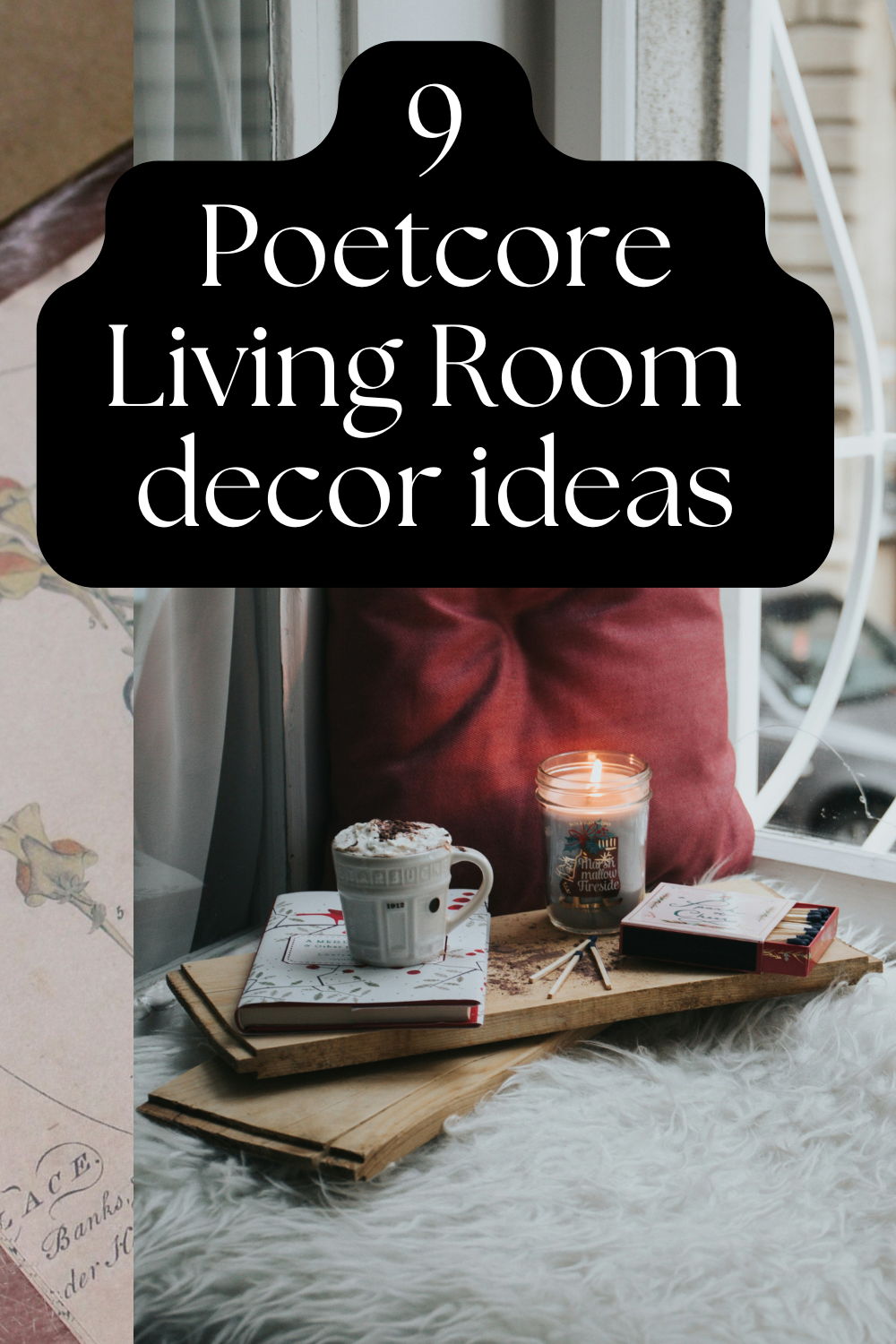
Beyond aesthetics, poetcore invites ritual. A dedicated reading corner, a small side table for a cup of tea, and a comfortable chair can transform a room into a sanctuary. The arrangement should support daily moments—reading, writing, or reflection—encouraging a slower, more intentional pace of life.

*圖片來源:Unsplash*
The article emphasizes achievable steps: start with a cohesive foundation (color and texture), then layer in books, typography, and personal items to create an intimate, poetry-inspired living space. The tone remains practical and accessible, encouraging readers to curate deliberately rather than over-decorate, ensuring the result is a calm, inviting environment suitable for reading and conversation.
Perspectives and Impact
Poetcore as a design philosophy reflects a broader cultural interest in spaces that value mental well-being, reflection, and intellectual engagement. By foregrounding literature and personal narrative in the home, this approach intersects interior design with storytelling. The impact of such spaces includes increased opportunities for daily reading rituals, slower-paced living, and more meaningful social interactions around literature and conversation.
As designers and homeowners experiment with poetcore, potential future developments may include:
- Cross-cultural literary influences: Incorporating poetry translations, global poets, or regional literary motifs to broaden the narrative scope of living spaces.
- Sustainable storytelling: Using reclaimed wood, recycled textiles, and ethically sourced books to align the aesthetic with environmental values.
- Digital-literary hybridization: Integrating multimedia elements (e-readers, audio poetry, etc.) in a way that complements the tactile pleasure of physical books.
- Custom typography: Commissioning or designing typography-based wall art to tailor quotes and literary motifs to individual spaces.
Overall, poetcore encourages environments that nurture imagination, memory, and conversation. By combining function with narrative, these rooms serve as daily reminders of literature’s power to shape perception and mood.
Key Takeaways
Main Points:
– Poetcore blends warmth, texture, and literary references to create a contemplative living space.
– Books are central, not merely decorative; they drive color, texture, and focal points.
– Lighting, typography, and personal artifacts reinforce the literary narrative.
Areas of Concern:
– Overloading with motifs can feel busy; restraint is essential.
– Maintenance of a calm, uncluttered environment requires deliberate curation.
– The style should remain accessible and personal rather than prescriptive.
Summary and Recommendations
To implement a poetcore living room, begin with a cohesive foundational palette of warm neutrals complemented by deeper accents. Embrace texture through layered textiles and natural materials, and make books a visual and functional centerpiece. Integrate typography and literary art in a way that supports the room’s narrative without competing with the seating and flow. Use lighting to create a reading-friendly, intimate atmosphere, and curate personal ephemera that speaks to your literary journey. Finally, design a dedicated reading nook or ritual space that encourages daily moments of reflection and conversation. This approach yields a calm, inviting room that feels both lived-in and thoughtfully curated, inviting occupants to engage with literature in a tangible, everyday way.
References
- Original: https://abeautifulspace.co.uk/poetcore-living-room-decor-9-ideas-for-a-literary-aesthetic/
- Additional references:
- https://www.apartmenttherapy.com/poet-core-design
- https://www.interiordesign.net/projects/poetcore-inspired-living-rooms
- https://www.housebeautiful.com/room-decorating/living-room/
Forbidden:
– No thinking process or “Thinking…” markers
– Article must start with “## TLDR”
This rewritten article preserves the original concepts in a complete, readable form while ensuring an objective tone, practical guidance, and a structured, magazine-style presentation.

*圖片來源:Unsplash*