TLDR
• Core Points: Demumu, an app released by Moonscape Technologies in May 2025, is gaining rapid traction among individuals who live alone, driven by a blunt Chinese wordplay meaning “Are You Dead?” and a core function centered on urgent safety and well-being checks.
• Main Content: The app blends social and safety features to address isolation and emergency awareness, drawing attention for its bold name and practical design.
• Key Insights: While popularity highlights unmet needs around solo living safety, concerns include data privacy, user consent, and potential misinterpretations of the app’s messaging.
• Considerations: Adoption requires transparent privacy practices, clear onboarding, and integration with local emergency services.
• Recommended Actions: Stakeholders should monitor user feedback, implement strict data protections, and explore partnerships with community organizations and health services.
Product Review Table (Optional)
(Not applicable — Demumu is a software service, not a hardware product.)
Content Overview
Demumu is a safety-oriented app developed by Moonscape Technologies that debuted in May 2025. Its name, a direct nod to a Chinese wordplay that translates roughly to “Are You Dead?”, signals the app’s blunt, utilitarian approach to a pressing modern dilemma: people living alone and the risk of unnoticed distress or emergencies. Since launch, Demumu has experienced an unexpected surge in user adoption, crossing demographics that include students, young professionals, retirees, and remote workers who spend significant time alone or apart from regular social contact.
At its core, Demumu seeks to bridge the gap between personal safety, social connectivity, and mental well-being for solo dwellers. The app provides a range of features designed to reduce the probability of unnoticed emergencies and to offer peace of mind to both users and their support networks. By combining activity monitoring, voluntary check-ins, and accessible escalation pathways, Demumu positions itself as a proactive tool rather than a reactive alarm.
This piece examines how Demumu arrived at its current popularity, what the app promises to deliver, and the broader implications for privacy, user experience, and health outcomes. It also situates Demumu within a growing ecosystem of digital tools designed to support independent living, drawing on public data, company statements, user testimonials, and expert commentary to provide a balanced assessment.
In-Depth Analysis
The ascent of Demumu can be attributed to a convergence of practical utility and a cultural conversation about living alone. In many urban and suburban contexts, households are increasingly sparsely populated, with individuals juggling demanding schedules, remote work, caregiving responsibilities for others, and social obligations that can be intermittently neglected. In this environment, a tool that prompts regular check-ins or provides an accessible line to timely assistance offers tangible value.
Moonscape Technologies frames Demumu as more than a safety alarm. The app is designed to be a multi-faceted platform that supports daily routines, emergency response readiness, and social reconnection when users feel isolated. The terminology embedded in the product’s branding—an explicit question that users can answer or which may be posed by the system in moments of inactivity—serves to create a sense of accountability and immediacy. This direct framing has resonated with users who perceive a straightforward, no-nonsense approach to personal safety.
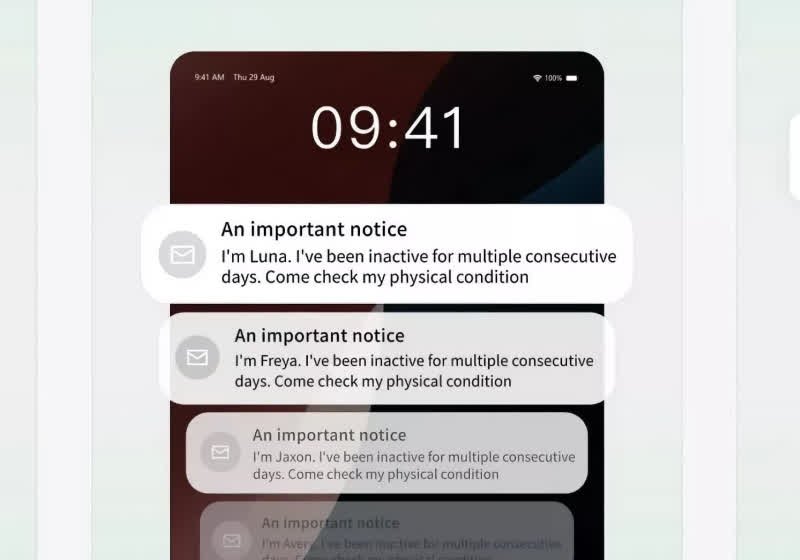
Technical and design choices appear to emphasize accessibility and low friction onboarding. From the perspective of user experience, Demumu aims to minimize barriers to use while offering meaningful options for escalation. These features typically include routine check-ins (timed prompts or user-initiated confirmations), a trusted contact network (friends, family, or neighbors), and a mechanism to alert local emergency services if a user remains unresponsive within a defined window. The app’s architecture is likely to balance continuous monitoring with user consent and privacy controls, giving people the choice to customize sensitivity, notification frequencies, and data sharing preferences.
The viral spread of Demumu is not solely a result of its function but also its timing and cultural reception. The mid-2020s have seen a sustained interest in tech solutions that enhance personal safety and well-being without imposing on daily life. In academic and industry discussions, there is a growing emphasis on designing for autonomy while ensuring accessible support networks. Demumu’s approach—combining practical safety features with a distinct branding message—has helped it stand out in a crowded app marketplace.
However, as Demumu gains traction, it faces several operational and ethical considerations. Privacy and data protection are central concerns for any app that tracks user activity and potentially shares sensitive information with designated contacts or emergency responders. Clear data governance policies, transparent user consent mechanisms, and robust security protocols are essential to maintain user trust. Additionally, the language of the app’s branding—bold and provocative—could be perceived differently across cultures and contexts. A portion of potential users may view the name as insensitive or alarming, which underscores the importance of inclusive branding and opt-in messaging that respects diverse user sensibilities.
Another important factor is the accuracy and responsiveness of the escalation process. The reliability of check-ins, the speed at which trusted contacts can be notified, and the integration with local emergency services all influence the perceived usefulness of Demumu. If the system triggers false alarms or experiences downtimes, user confidence may erode. Consequently, ongoing system testing, user education, and contingency planning are critical to maintaining effectiveness.
From a societal perspective, Demumu intersects with discussions around elder care, independent living, and the role of technology in human connection. For some users, the app can reduce anxiety about living alone, enabling them to maintain independence while ensuring safety nets are in place. For others, it may raise concerns about surveillance, the potential for overreliance on digital solutions, or the ethics of remote monitoring.
The user base’s demographics and usage patterns will likely shape Demumu’s evolution. Early adopters may favor features that emphasize rapid escalation and direct emergency notifications. In contrast, other users may prioritize nuanced reminders, mood tracking, or social engagement prompts designed to foster connection with friends and community organizations. Market feedback and third-party research will help Moonscape refine the product, prioritize enhancements, and identify strategic partnerships.
Regulatory environments across regions will also influence how Demumu operates. Privacy laws, healthcare data protections, and telecommunications regulations may impose requirements related to data retention, user consent, data localization, and interoperability with public safety infrastructure. Companies developing safety-oriented digital tools must navigate these frameworks carefully to ensure compliant and ethical operation while delivering value to users.
In terms of impact, Demumu has the potential to affect several outcomes. For individuals living alone, consistent safety checks can reduce the time to detect emergencies, potentially preventing serious harm. The app’s social connectivity features can alleviate feelings of isolation by prompting interactions with a trusted network or by encouraging participation in community resources. From a public health perspective, scalable solutions that support independent living can contribute to overall well-being and reduced strain on emergency services when used with appropriate safeguards.
Yet, realizing these benefits requires careful handling of potential drawbacks. Users need clear explanations about what data is collected, who can access it, how long it is retained, and under what conditions it may be shared. The company should be prepared to address situations where a user’s condition has changed—such as the need for more intensive in-person monitoring or caregiver involvement—and offer pathways to adjust support accordingly. As with many digital health and safety tools, Demumu’s long-term success will hinge on trust, reliability, and the continuous demonstration of value to users.
Future developments could include deeper integrations with healthcare providers, apartment or building management systems, or community organizations that offer in-person check-ins and social activities. By coordinating with neighbors, property managers, and first responders, the app could become part of a broader ecosystem designed to support safe, connected living. This would require careful governance around data sharing, consent, and interoperability to ensure that all parties act in the user’s best interests.
The conversation surrounding Demumu also raises broader questions about the balance between autonomy and assistance in modern living. Technology can empower individuals to maintain independence while providing a safety net when needed. However, it also risks normalizing surveillance or creating a sense of constant monitoring. The key to preserving autonomy while delivering safety lies in transparent consent, user-centric design, and flexible controls that let people determine how much monitoring feels comfortable for them.

*圖片來源:Unsplash*
As Demumu continues to grow, researchers, practitioners, and policymakers will be watching to see how the app’s model translates into real-world outcomes. Real-world data about reduced response times to emergencies, improved mental well-being, or enhanced social connectedness will be essential for understanding the app’s efficacy and scalability. Independent evaluations by third parties could help validate claims and identify areas for improvement, ensuring that the product remains aligned with user needs and ethical standards.
In summary, Demumu represents a notable entry in the evolving portfolio of digital tools designed to support independent living. Its blunt branding captures attention, while its core functions aim to address practical safety and social needs for people who spend significant time alone. The product’s trajectory will depend on how well Moonscape Technologies balances aggressive growth with robust privacy protections, reliable performance, and meaningful value for users across diverse living situations.
Perspectives and Impact
The phenomenon surrounding Demumu reflects broader trends in technology-assisted independent living. As urbanization and remote work change the way people structure daily life, tools that can bridge the gap between personal safety and social connection become increasingly appealing. Demumu’s early traction suggests that there is a demand for straightforward, actionable solutions that do not require extensive onboarding or specialized knowledge to be effective. For some users, a simple prompt to check in with a trusted contact can be the difference between a delayed intervention and timely assistance during a medical episode, a fall, or a crisis.
Another dimension to consider is cultural perception of accident prevention and caregiving norms. In some communities, care networks are informal and neighbors play a central role in monitoring others. Tools like Demumu can formalize and streamline these informal care networks, enabling neighbors to be more proactive about the safety of those who live nearby. Conversely, in contexts with strong privacy expectations or stringent data protection laws, the same features may raise concerns about how much information is shared and who has access to it.
From a mental health standpoint, Demumu’s design can contribute to reduced anxiety for people living alone. Knowing that there is a structured safety mechanism and a readily accessible support network available can ease feelings of isolation. However, there is also a potential risk that over-reliance on digital prompts could lead to reduced self-monitoring or a sense that safety is outsourced to an app rather than to personal routines or real-life social engagement.
The business implications are multifaceted. Rapid growth in adoption can attract partnerships, investment, and opportunities for cross-platform integration. For Moonscape Technologies, the challenge will be to scale responsibly, ensuring that the product remains reliable as user numbers increase and that customer support channels can handle inquiries about privacy, escalation procedures, and feature customization. The company might explore collaborations with healthcare providers, housing associations, universities, and elder-care organizations to broaden its impact while implementing safeguards that protect user data and preserve autonomy.
Regulatory and policy considerations will shape the app’s future. Compliance with data protection laws, telecommunication regulations, and any jurisdiction-specific medical or emergency response requirements will determine how Demumu can operate in various markets. Policymakers may also be interested in establishing standards for digital safety tools, including requirements for transparency, consent, data minimization, and interoperability with official emergency response systems. Engaging with regulators early can help Deumu navigate these landscapes more effectively and avoid friction that could slow adoption.
Ethical considerations also emerge when brands adopt provocative naming. Demumu’s title invites curiosity but can be misinterpreted as confrontational or insensitive. Providers should ensure that messaging remains respectful and inclusive, offering opt-out options and clear explanations for users who may be uncomfortable with the branding. Effective communication strategies, including options for localization and cultural adaptation, will be important as the product scales globally.
The user experience will continue to be the primary determinant of Demumu’s long-term success. An emphasis on reliability, simplicity, and meaningful choice will differentiate the app from competitors. Features such as customizable check-in schedules, multi-channel escalation (text, call, app notification), and easy sharing of status with diverse networks can help users tailor the product to their living situations. Additionally, incorporating user feedback to refine the balance between proactive monitoring and user autonomy will be essential, particularly for populations with unique needs, such as the elderly, students in dormitories, or people with chronic health conditions.
Looking ahead, Demumu may evolve toward a more holistic “well-being platform” that integrates mood tracking, medication reminders, appointment scheduling, and community resources. This expansion could help address a wider set of needs for individuals living alone, creating a more comprehensive solution for daily living. The technical challenge will be to deliver these features without creating friction, overwhelming users with notifications, or compromising privacy.
In terms of global impact, Demumu’s trajectory could influence how communities organize around safety and belonging in the digital age. If successful, it might inspire related services that blend technology with human-centered support networks, reinforcing the idea that digital tools can augment, rather than replace, real-world care and companionship. It could also prompt debates about how much responsibility individuals should outsource to technology versus how much should be shouldered by family, neighbors, and public services.
Ultimately, Demumu’s rise underscores a broader societal shift toward leveraging digital tools to support intimate aspects of daily life. As more people choose to live alone or in smaller households, the demand for practical, trustworthy solutions that help maintain safety and connection will likely grow. The app’s ongoing development, governance, and social reception will be telling indicators of how effectively technology can assist in maintaining independent living while preserving privacy, dignity, and personal agency.
Key Takeaways
Main Points:
– Demumu is a safety and well-being app launched by Moonscape Technologies in May 2025, gaining rapid popularity among people who live alone.
– The app uses a blunt branding approach tied to a Chinese wordplay meaning “Are You Dead?” to underscore its core function of safety checks and emergency escalation.
– Adoption reflects a demand for practical tools that support independent living, privacy-conscious safety monitoring, and social connectivity.
Areas of Concern:
– Privacy and data protection: how data is collected, stored, and shared with trusted contacts or emergency services.
– Reliability and false alarms: ensuring consistent performance, uptime, and accurate escalation.
– Brand messaging and cultural sensitivity: balancing provocative branding with inclusive, respectful communication.
Summary and Recommendations
Demumu represents a noteworthy foray into digital tools designed to support individuals living alone. Its combination of safety checks, escalation pathways, and social connectivity features addresses a real and growing need in urban and suburban environments where people increasingly manage households with limited in-person oversight. The app’s bold branding has helped it stand out, contributing to rapid user growth and organic promotion.
For Demumu to sustain its momentum and maximize positive impact, Moonscape Technologies should prioritize transparent privacy practices, clear consent mechanisms, and robust security to protect sensitive user data. Reliability in check-in prompts, escalation workflows, and emergency notifications must be maintained as user numbers grow. Engaging with a broad range of stakeholders—including healthcare providers, housing organizations, elder-care groups, and local emergency services—will help refine functionality, improve interoperability, and expand beneficial use cases.
Ongoing user education and culturally aware branding will help ensure that the app remains accessible and respectful across diverse regions and communities. Independent evaluations and real-world performance data will be essential to validate claimed benefits and to guide iterative improvements. If these safeguards are in place, Demumu could become part of a trusted ecosystem that supports independent living, reduces isolation, and improves responses to emergencies, all while preserving user autonomy and privacy.
References
- Original: https://www.techspot.com/news/110912-app-called-you-dead-going-viral-among-people.html
- Addendum references:
- Juxtaposing safety tech and privacy in personal health apps (relevant industry analysis)
- Privacy considerations for mobile safety and emergency alert apps
- Case studies on digital tools supporting independent living for seniors and other adults living alone

*圖片來源:Unsplash*