TLDR
• Core Points: Microsoft closes traditional employee libraries, including the Redmond campus facility, as part of a pivot to AI-powered learning experiences.
• Main Content: The move reflects a broader corporate shift toward digital, AI-assisted education and information access, with changes to library operations and staffing.
• Key Insights: The decision signals how large technology employers are recalibrating knowledge resources around AI tools, on-demand content, and digital collaboration.
• Considerations: Balancing AI-enabled learning with maintaining access to curated knowledge, preserving employee culture, and managing transition for staff.
• Recommended Actions: Establish clear communication, provide retraining and transitional roles, and invest in AI-assisted information portals that preserve institutional memory.
Content Overview
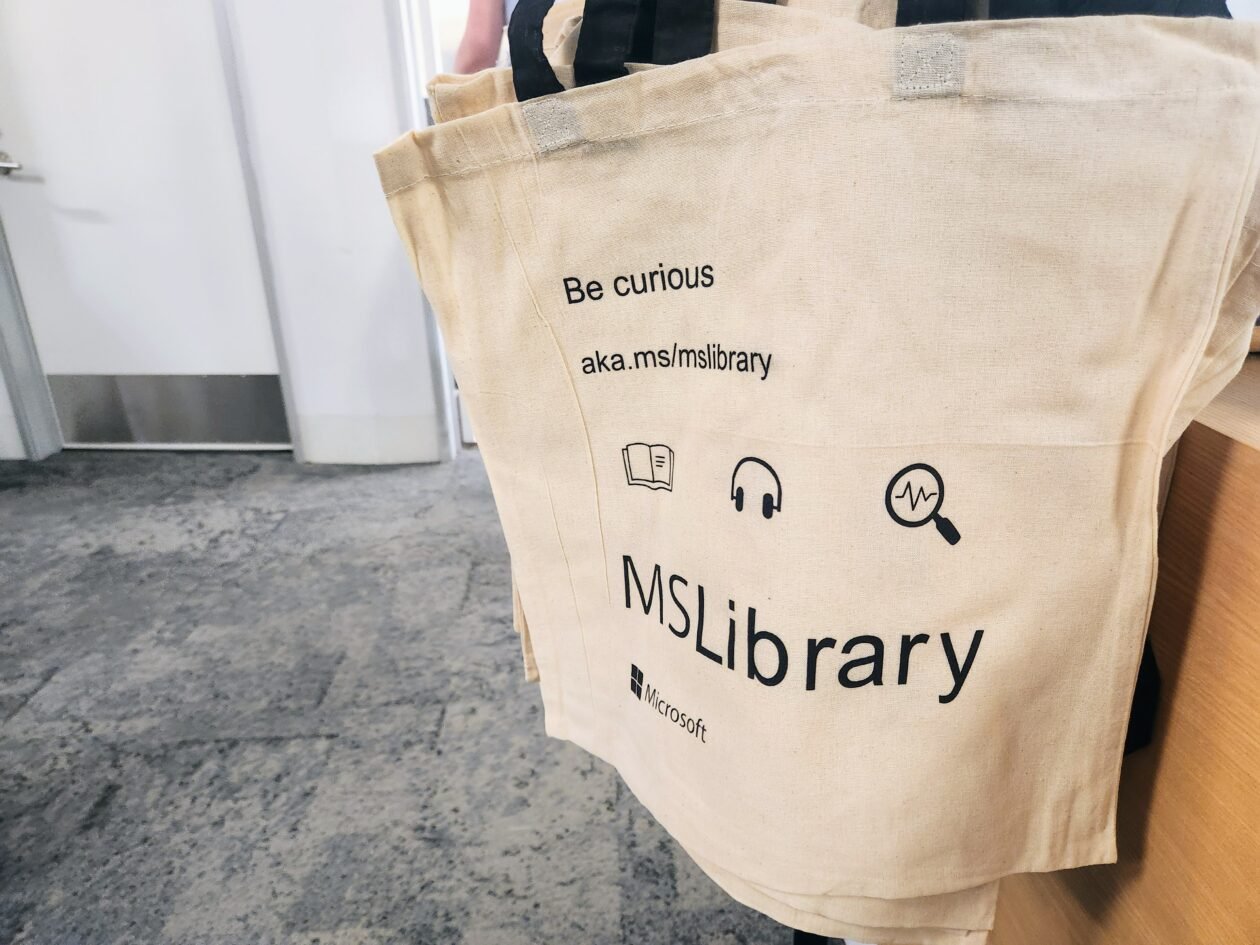
Microsoft is quietly reorganizing how its employees access knowledge and learning resources by phasing out its traditional on-site libraries. Among the facilities affected is the longstanding Redmond campus library, a fixture where authors historically gave talks and employees browsed books. The company frames the closure as part of a broader transition toward AI-powered learning experiences designed to enhance access to information, skills development, and collaboration. While exact timelines and staffing changes may vary by location, the overarching strategy reflects a shift from physical volumes and in-person browsing to digital platforms, AI-assisted search, and personalized learning pathways.
The Redmond library, along with other employee libraries, has been a hub for discovery and knowledge-sharing, hosting author talks, training sessions, and spontaneous conversations that helped shape internal culture and product development. The transition underscores Microsoft’s strategic emphasis on artificial intelligence as a driver for learning and productivity. Employees are expected to increasingly rely on digital resources, virtual libraries, and AI-enabled tools to locate materials, track learning progress, and access up-to-date information. The move aligns with a broader industry pattern in which large technology firms rethink physical spaces in favor of scalable, software-based learning ecosystems.
This shift does not necessarily imply a retreat from knowledge culture. Instead, Microsoft appears to be reimagining how employees engage with information, prioritizing speed, personalization, and accessibility. Digital learning experiences—powered by AI—promisingly offer curated content, recommended readings, and adaptive training modules tailored to individual roles and career trajectories. Yet the change also raises questions about preserving communities that historically coalesced around physical libraries, as well as ensuring continuity for librarians and support staff who may be reassigned or redeployed.
In summary, Microsoft’s closure of traditional libraries marks a notable reorientation in corporate learning infrastructure. By channeling resources toward AI-enabled digital environments, the company aims to streamline information access, accelerate skill development, and support a workforce navigating rapid technological change. The unfolding transition will influence not only how Microsoft employees learn but also how other companies balance the benefits of AI-driven education with the cultural and logistical value of physical learning spaces.
In-Depth Analysis
Microsoft’s decision to shutter traditional on-site libraries, including the Redmond campus facility, signals more than a simple cost-cutting measure. It reflects a calculated move to reframe learning as an inherently digital, AI-assisted experience. The library, long a cornerstone of employee development and knowledge exchange, has historically served as a physical locus for information curation, book lending, lectures, and author visits. By closing or consolidating these spaces, Microsoft is reallocating resources toward a centralized digital learning architecture that emphasizes artificial intelligence, data-driven recommendations, and real-time access to information.
Key drivers behind this transition likely include the rapid advancement of AI capabilities and the rising demand for immediate, context-aware content. AI-powered learning platforms can assimilate vast repositories of internal and external materials, compress information into digestible formats, and deliver personalized recommendations based on an individual’s role, project needs, and learning history. For a company with a sprawling global workforce and a continuous cycle of product updates, the ability to surface relevant knowledge quickly can translate into reduced time to competency, smoother onboarding, and more consistent execution across teams.
From an organizational perspective, this shift may also be about scalability and efficiency. Traditional libraries require space, staffing, cataloging, acquisitions, and ongoing maintenance. In a world where information evolves rapidly, AI-enabled portals can automatically tag, index, and update resources, ensuring employees access the most current materials. Digital learning ecosystems can also integrate with performance management and project tools, enabling interoperability between learning experiences and everyday workflows.
However, the move is not without potential drawbacks. The physical library has historically fostered serendipitous learning—unplanned discoveries triggered by book arrangements, displays, or conversations with librarians. The social dimension of libraries, including interactions with visiting authors and informal knowledge sharing, is harder to replicate in a purely digital environment. Microsoft will need to consider how to preserve community-building aspects of learning, perhaps by scheduling virtual author sessions, live Q&A with subject matter experts, or hybrid events that blend digital access with occasional in-person gatherings.
Job implications for staff historically anchored in library services also merit attention. Librarians and support personnel possess institutional memory, cataloging expertise, and knowledge of internal processes that can be challenging to replace entirely with AI. Proactive workforce planning—upskilling, redeploying talent to digital learning design, curation, or content production roles—will be essential to mitigate potential disruption and preserve organizational continuity.
On the technology side, the transition hinges on robust content governance and data privacy. As Microsoft leans into AI-driven learning, governance becomes critical to ensure content accuracy, minimize bias in AI recommendations, protect proprietary information, and comply with internal and external data policies. A successful platform will require curated internal resources, high-quality metadata, and clear provenance for materials. Open access versus proprietary materials must be navigated carefully, balancing knowledge democratization with security and competitive considerations.
The broader implications extend beyond Microsoft. Other large technology employers watch such moves closely as they confront similar questions: How much of the library function should be automated or digitized? What is the right balance between AI-enabled personalization and human expertise? How can companies sustain a culture of continuous learning while managing the costs and logistical complexities of physical spaces? The choices Microsoft makes could influence industry norms, supplier relationships, and the future design of corporate learning infrastructures.

*圖片來源:Unsplash*
From a learner’s perspective, AI-powered digital learning experiences offer several potential benefits. Personalization means material can be tailored to individual career paths, current projects, and knowledge gaps. On-demand access reduces dependency on fixed schedules or location-based resources, enabling learning to occur in a more flexible, continuous manner. Integration with collaboration tools can support knowledge sharing across teams, while analytics can help employees monitor progress and identify areas for improvement. For managers and HR leaders, these capabilities can provide richer data about skill development and organizational capability gaps.
Nevertheless, the effectiveness of AI-driven learning depends on thoughtful implementation. To realize benefits, Microsoft must ensure that the digital learning ecosystem remains inclusive, accessible, and aligned with employee needs. This includes supporting diverse learning styles, accommodating accessibility requirements, and offering alternative pathways for those who prefer traditional formats. It’s also important to maintain high standards for source material quality, ensure that AI recommendations do not inadvertently pigeonhole learners, and provide channels for feedback and correction when information is outdated or incorrect.
The move also intersects with broader debates about the future of work and the role of physical spaces in corporate life. Some employees may miss the tactile and social aspects of libraries, while others may appreciate the convenience and breadth of digital resources. If the transition is executed with transparent communication, opportunities for staff input, and a clear roadmap for new learning modalities, it can minimize disruption and help preserve organizational culture. This evolution aligns with shifting expectations around employee development in tech-forward companies, where continuous learning and rapid adaptation are valued traits.
As Microsoft navigates this transition, monitoring metrics will be essential. Indicators such as time-to-competency for new hires, engagement with digital learning portals, completion rates of AI-recommended courses, and user satisfaction with AI-driven search and discovery will inform refinement of the platform. Ongoing content curation, feedback loops, and periodic audits of AI recommendations can help sustain quality and relevance over time. The company may also invest in partnerships with external content providers or universities to supplement in-house resources, ensuring that employees have access to a broad and credible range of materials.
In conclusion, Microsoft’s closure of its traditional campus libraries represents a strategic pivot toward AI-powered digital learning experiences. While this shift promises greater accessibility, personalization, and scalability, it also requires careful attention to community building, workforce implications, governance, and content quality. If thoughtfully executed, the transition could set a precedent for how large organizations reconcile the benefits of digital learning with the social and cultural value that physical libraries historically provided.
Perspectives and Impact
- Industry Trends: Microsoft’s move mirrors a broader trend among tech giants to reimagine learning ecosystems through AI and digital platforms. As AI tools mature, on-demand knowledge discovery can scale across large organizations more efficiently than maintaining extensive physical libraries. Other companies may follow suit, leading to a shift in how corporate knowledge is curated, delivered, and consumed.
- Employee Experience: For many workers, digital learning can unlock greater flexibility and customization. Yet there is a risk that reduced in-person access to curated resources may diminish spontaneous mentorship, informal networks, and cross-department exposure. Balancing digital enablement with opportunities for human connection will be a critical design consideration.
- Librarian Roles and Knowledge Management: Librarians bring expertise in information architecture, metadata standards, and user support. The transition may transform these roles rather than eliminate them, with professionals moving into digital content curation, knowledge stewardship, and learning experience design. Clear career pathways and retraining programs will be important to retain institutional knowledge.
- Governance and Security: The shift necessitates strong governance around data privacy, content provenance, and AI biases. Companies must ensure that AI recommendations remain accurate, up-to-date, and aligned with corporate policies. Secure access controls and audit trails will be essential to protect sensitive information while enabling agile learning.
- Future Implications: If successful, AI-powered learning can shorten onboarding times, improve skill alignment with business needs, and support continuous upskilling in a fast-changing landscape. It may also encourage a more modular approach to content that users can assemble into personalized curricula, potentially reshaping performance reviews and career development discussions.
Key Takeaways
Main Points:
– Microsoft is closing traditional employee libraries as part of a pivot to AI-powered digital learning experiences.
– The Redmond campus library is among facilities affected, reflecting a broader shift in corporate learning infrastructure.
– The transition emphasizes personalization, accessibility, and scalability through AI-enabled platforms, with attention to governance and workforce impacts.
Areas of Concern:
– Potential loss of serendipitous learning and in-person community building associated with physical libraries.
– Workforce disruption for librarians and staff historically supporting library services; need for retraining and redeployment.
– Content quality, AI bias, data privacy, and security in a digital, AI-driven knowledge ecosystem.
Summary and Recommendations
Microsoft’s move away from traditional on-site libraries toward AI-powered digital learning experiences marks a strategic reorientation of how employees access knowledge. The initiative aims to leverage AI to deliver personalized, on-demand content that accelerates skill development and aligns with a fast-evolving technology landscape. While the digital approach offers clear advantages in scalability, speed, and customization, it also raises important questions about preserving cultural elements of learning, maintaining human expertise, and safeguarding information governance.
To maximize success, Microsoft should adopt a comprehensive transition plan that includes: clear, transparent communication about timelines and expected outcomes; retraining and redeployment programs for librarians and library staff; investment in high-quality, curated internal content; robust governance to manage data privacy, provenance, and AI bias; and innovative programs to preserve community and collaboration aspects, such as virtual author talks, live Q&A sessions, and hybrid events. Measuring impact will require tracking metrics such as onboarding efficiency, course engagement, learning outcomes, and employee satisfaction with the new digital learning ecosystem. By balancing digital innovation with attention to cultural and human factors, Microsoft can cultivate an effective, scalable learning environment that meets the needs of a dynamic workforce while sustaining the institutional memory that physical libraries historically supported.
References
- Original: https://www.geekwire.com/2026/microsoft-campus-library-closes-in-broader-shift-to-ai-powered-digital-learning-experiences/
- Additional references:
- Articles on corporate digital learning strategies and AI-enabled knowledge management
- Industry analyses of AI’s impact on corporate libraries and learning ecosystems

*圖片來源:Unsplash*