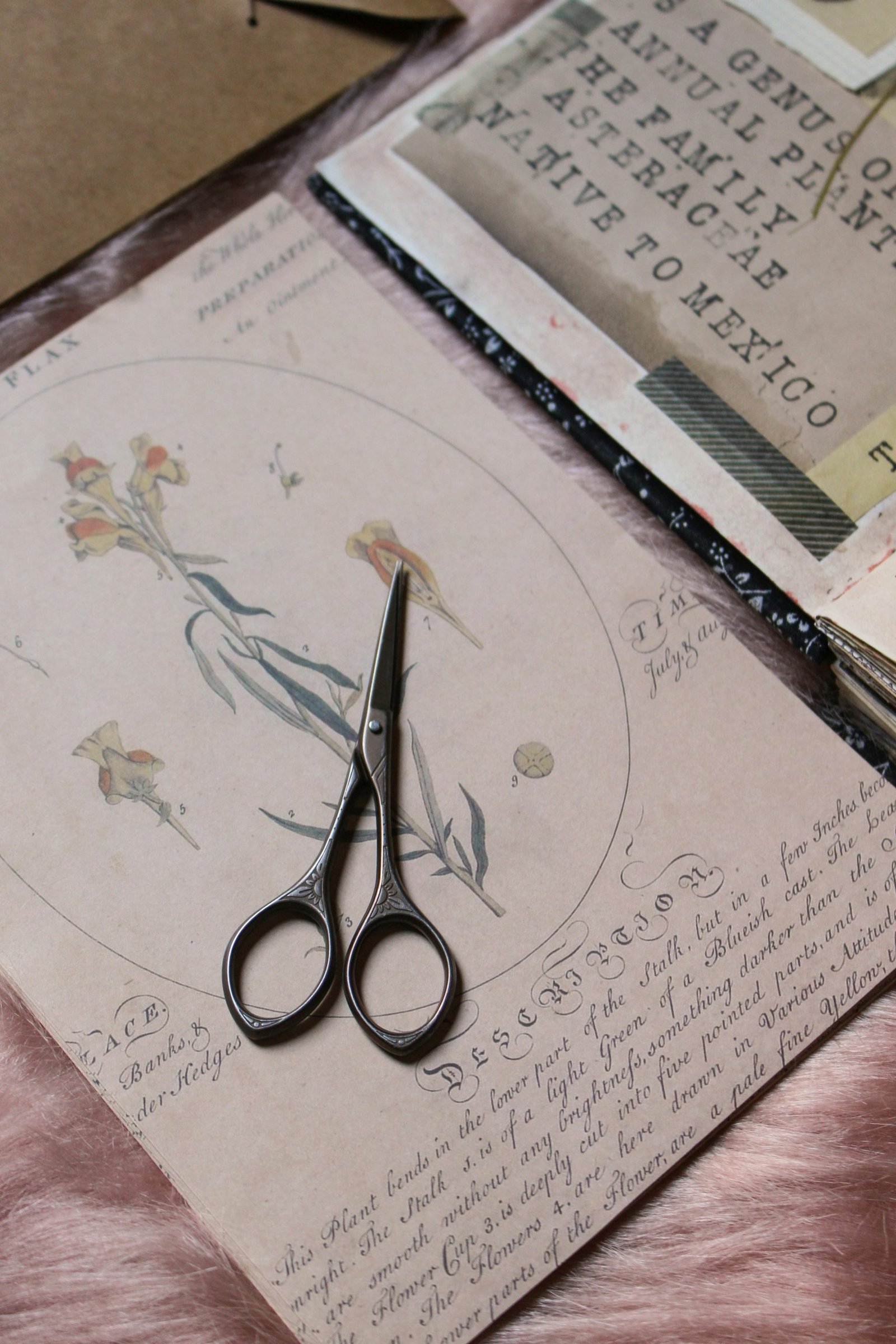
TLDR
• Core Points: A month-long set of 31 prompts designed to ignite creativity and foster a steady junk journaling habit.
• Main Content: Daily prompts blend reflection, imagination, and mixed-media practices to keep journaling engaging.
• Key Insights: The prompts encourage varied approaches—memory, observation, experimentation, and personal storytelling.
• Considerations: Balance between structure and flexibility helps sustain momentum; customize prompts to fit personal themes.
• Recommended Actions: Try a prompt each day, track responses, and adapt prompts to fit available materials and time.
Content Overview
January marks a prime opportunity to establish or reinforce a journaling routine, especially when using a junk journal—a practice that embraces imperfections, found materials, and creative experimentation. The month-long collection of 31 prompts provides a structured yet flexible framework aimed at sparking inspiration in everyday life. Each day presents a unique prompt designed to push your creative boundaries, whether you are new to junk journaling or looking to deepen an existing habit. The intention is not to produce a perfect page every day, but to cultivate a regular practice that captures moments, ideas, textures, and memories in playful, tangible ways.
The prompts are deliberately varied to accommodate different moods, time constraints, and material availability. Some prompts encourage straightforward writing, others invite collage, doodling, or the incorporation of ephemera like tickets, receipts, and scraps of fabric. By blending textual prompts with tactile, visual prompts, the approach helps maintain momentum and reduces the draw toward perfectionism. This balance is especially valuable for creators who want to develop a consistent journaling routine without feeling overwhelmed by a demand for technical skill.
In addition to personal expression, junk journaling can serve as a tool for mindfulness, organization, and creative problem-solving. The prompts can guide you to reflect on the past month, notice daily patterns, and experiment with new composition techniques. The result is a diverse archive of pages that reflect growth, curiosity, and an evolving relationship with materials.
In constructing a month-long plan, readers are encouraged to adapt the prompts to their life circumstances. If certain prompts feel too time-consuming, they can be shortened or paired with a companion task, such as photographing a page or creating a quick collage during a break. Conversely, when time allows, some prompts can be expanded into more elaborate spreads featuring layers, textures, and mixed-media elements. The overarching goal is to reinforce a steady, enjoyable journaling habit rather than to complete a fixed set of outcomes.
This article synthesizes a curated set of prompts and offers guidance on implementing them effectively. It integrates practical suggestions about materials, layout ideas, and ways to track progress, along with tips for staying motivated across an entire month. Whether your aim is to document personal memories, explore color and texture, or simply enjoy the therapeutic act of making, these prompts can serve as a reliable compass for January creativity.
In-Depth Analysis
The January prompts function as a structured micro-challenge, encouraging daily engagement with journal-making practices. Each prompt is crafted to be approachable yet evocative, inviting you to explore different facets of creativity. For example, a prompt might ask you to record a memory associated with a specific color, to translate a moment from your day into a visual spread, or to construct a page using only found or recycled materials. This variety helps prevent creative stalling, a common pitfall in long-form journaling, by offering fresh angles and focusing techniques.
A central advantage of junk journaling is the emphasis on process over product. The prompts take advantage of this philosophy by prioritizing exploration: experimenting with layering adhesives, combining handwriting with printed text, and integrating textures such as fabric, washi tape, or magazine imagery. The activity becomes less about producing polished pages and more about documenting an evolving practice. Over time, the pages themselves narrate a journey—one that captures not only events but also the tactile and sensory experiences of making.
Implementation considerations are essential to ensure the prompts are usable across varied lifestyles. Readers should consider factors such as available space, travel constraints, and access to supplies. A flexible approach—substituting prompts or substituting materials—helps maintain continuity. The prompts are designed to accommodate such adaptability, enabling practitioners to maintain consistent engagement even when circumstances change.
To maximize effect, journaling sessions can be scheduled at consistent times, creating a routine that aligns with personal rhythms. Starting a session with a brief warm-up—such as a quick doodle or a list of small intentions—can ease into the broader prompt. Keeping a lightweight kit on hand, including basic writing tools, glue, scissors, and a modest selection of papers or found materials, lowers barriers to participation. The practice also benefits from reflective reviews, where you revisit earlier pages to observe growth, shifts in style, or recurring motifs.
From a technical perspective, the prompts are deliberately language-friendly and adaptable for different levels of artistic confidence. They encourage readers to articulate thoughts in writing while simultaneously engaging visual expression. This dual approach can improve cognitive flexibility, as words and images work together to convey meaning. Moreover, the act of curating materials and arranging a page fosters decision-making skills, such as prioritization, composition, and balance.

*圖片來源:Unsplash*
The broader implications of adopting a month-long journaling routine extend into daily life. Regular creative activity can improve mood, reduce stress, and enhance mindfulness. By interacting with ordinary objects and small memories, practitioners cultivate attentional focus and a sense of intentionality. The process can lead to improved observation skills, helping individuals notice subtle details in their environments and experiences. In terms of skill development, consistent practice supports incremental growth in areas like letterforms, color theory, and design fundamentals, all of which can be applied to other creative projects.
Perspectives and Impact
Looking ahead, the practice of monthly junk journaling enriched by daily prompts holds potential for continued growth beyond January. New prompts can be developed to sustain momentum into subsequent months, expanding into themes such as “Texture and Material Exploration,” “Memory Mapping,” or “Narrative Collage.” The adaptability of junk journaling means it can be tailored to personal interests, from travel journaling to fan communities or professional note-taking. As communities form around shared journaling practices, participants can exchange ideas, swaps for materials, and inspiration, creating a social dimension to an inherently solitary activity.
The impact of maintaining a regular journaling habit extends into cognitive and emotional realms. Daily creative engagement reinforces neuroplasticity and fosters a routine that can buffer against burnout. For those who use journaling as a reflective tool, the month-long prompts provide a structured means of processing experiences, emotions, and aspirations. The practice can also serve as a bridge between past and future selves, enabling a more cohesive sense of identity through documented moments, choices, and interpretations.
From a design perspective, the prompts emphasize accessibility and inclusivity. They encourage writers and artists at varying skill levels to participate without fear of judgment or the pressure of perfection. This democratization of creativity aligns with broader movements toward accessible artmaking, where the value lies in participation and growth rather than in product quality. As digital and physical journaling practices intersect, hybrid approaches—such as photographing pages for sharing online or digitizing prompts for mobile apps—could attract new audiences and sustain interest.
Future implications point to enhanced educational utility as well. Educators might integrate prompts into classroom projects to foster reflective writing, visual literacy, and collaborative artmaking. The framework could be adapted for structured curricula or community art programs, offering a scalable model for nurturing creativity in people of all ages. In the broader cultural landscape, such journaling practices contribute to a growing appreciation for hands-on, low-cost creativity that honors resourcefulness and personal expression.
Key Takeaways
Main Points:
– A month-long set of 31 prompts supports daily junk journaling and creativity.
– Prompts blend writing, collage, and found-material techniques to maintain engagement.
– The approach emphasizes process, accessibility, and personal storytelling over polish.
– Flexibility is built into the framework to accommodate different schedules and materials.
– Regular practice yields benefits for mood, mindfulness, and creative skills.
Areas of Concern:
– Some readers may struggle with time constraints or material access.
– There is a risk of inconsistency if prompts feel repetitive or demanding.
– beginners might need additional guidance on basic journaling techniques.
Summary and Recommendations
January junk journaling prompts offer a structured yet flexible pathway to cultivate a daily creative habit. By combining textual prompts with tactile, mixed-media exploration, the set encourages ongoing engagement without demanding perfection. The prompts’ strength lies in their adaptability: readers can tailor each day to their time, space, and material availability, ensuring continuity throughout the month. This approach supports skill development in writing, composition, color usage, and material curation, while also fostering mindfulness and personal reflection.
To maximize impact, readers should approach the prompts with a mindset oriented toward experimentation rather than product perfection. Establish a lightweight journal kit, set a consistent time for daily sessions, and allow room for both rapid, small pages and longer, more elaborate spreads when time permits. Consider keeping a brief journal of insights or lessons learned from each day to track progress and motivate continued practice beyond January.
Ultimately, the 31 January junk journal prompts serve as a practical catalyst for creativity, helping individuals establish a healthy, sustainable journaling routine. Whether used as a personal self-care ritual, a source of inspiration for other art projects, or a method for organizing thoughts and memories, this month-long plan offers a versatile framework that can be adapted to countless creative journeys.
References
– Original: https://abeautifulspace.co.uk/31-january-junk-journal-prompts-to-spark-creativity-all-month-long/
– Additional references can be added here to support practical journaling methods, material ideas, or mindfulness benefits.

*圖片來源:Unsplash*