TLDR
• Core Points: Microsoft is shutting its traditional employee libraries, including the Redmond campus, signaling a move toward AI-powered learning and digital resources.
• Main Content: The company is ending longstanding physical, in-person library operations to prioritize AI-enabled educational tools, data-driven knowledge delivery, and scalable digital learning experiences.
• Key Insights: The decision reflects broader corporate trends toward AI-assisted training, surfacing questions about access, culture, and the role of physical spaces in learning.
• Considerations: Stakeholders should consider workforce upskilling, data governance, accessibility, and preserving archival and community functions.
• Recommended Actions: Communicate the transition clearly, provide alternatives for knowledge access, invest in AI training programs, and preserve select archival materials where feasible.
Content Overview
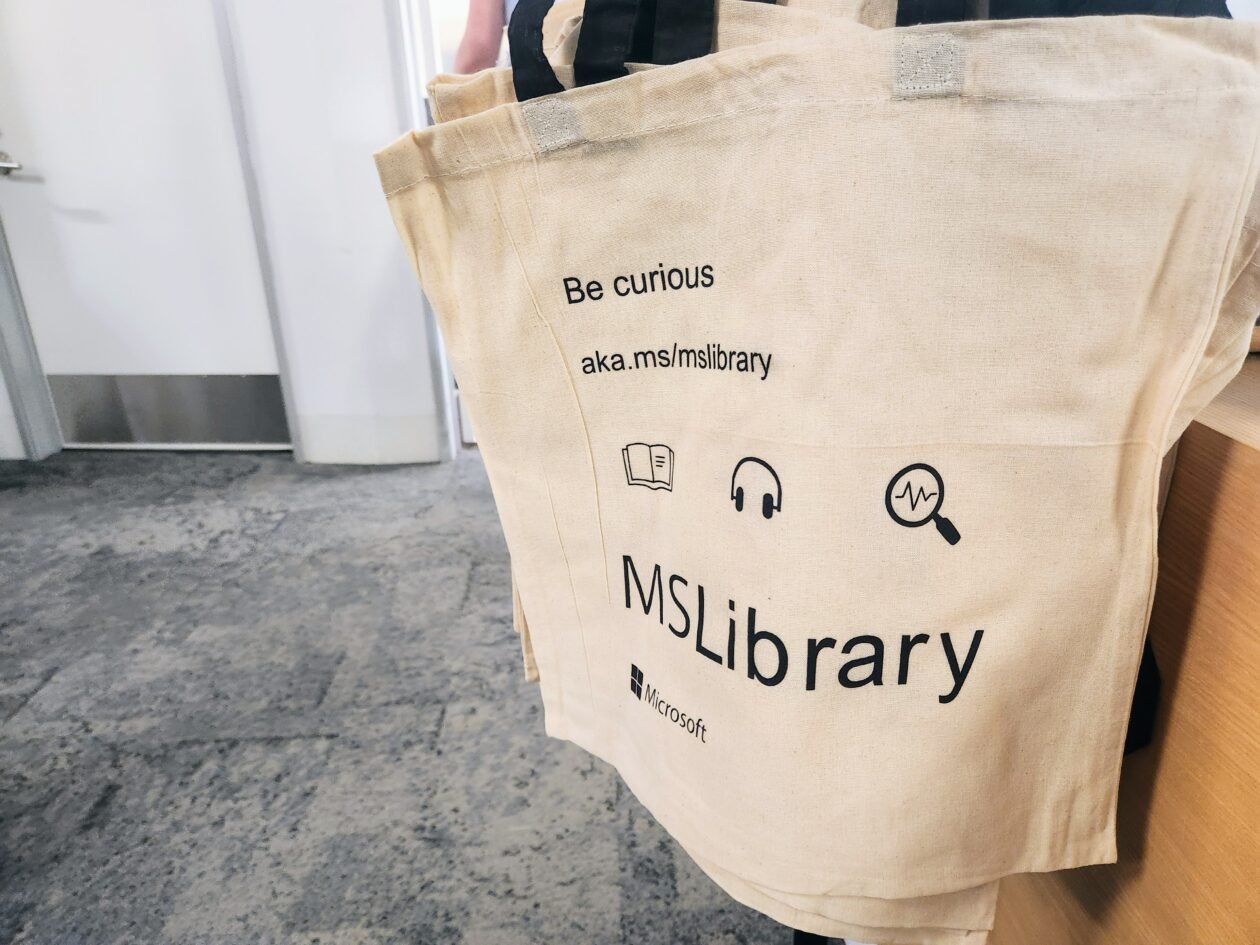
Microsoft has announced the closure of its traditional employee libraries, a notable shift away from longstanding physical hubs of learning and knowledge sharing on its campuses. The Redmond facility, one of the company’s most recognizable library spaces, has been a site where authors spoke, employees browsed books, and colleagues gathered for learning sessions. The closure signals Microsoft’s broader strategic pivot toward AI-powered digital learning experiences designed to scale knowledge access across its workforce.
The move aligns with an industry-wide trend where large employers are reimagining how they deliver training and professional development in the era of artificial intelligence. Rather than relying primarily on physical stacks of books and in-person programs, companies are exploring AI-assisted tutoring, personalized learning paths, dynamic content curation, and on-demand expertise. Microsoft’s approach emphasizes digital resources, algorithmically driven recommendations, and immersive tools that can adapt to individual employee needs, potentially reducing the friction of finding relevant information in vast corporate knowledge bases.
While the decision is framed as modernization and scalability, it also raises questions about how employees will access curated information, the availability of human-led learning experiences, and the preservation of community spaces that libraries historically supported within corporate culture. The Redmond campus has carried a legacy beyond books, serving as a venue for author talks and a physical gathering point for staff—an environment that fostered informal mentorship, collaboration, and cross-disciplinary dialogue. As the company transitions, it seeks to balance the efficiencies of digital learning with the intangible benefits of in-person engagement.
This transformation should be viewed within the broader context of Microsoft’s investment in AI research, enterprise software ecosystems, and professional development platforms. The company has a history of integrating cutting-edge technologies into its learning offerings, and the current strategy reflects a continued emphasis on harnessing AI to deliver scalable, personalized learning experiences at a global scale.
In-Depth Analysis
Microsoft’s decision to close traditional employee libraries is rooted in a multifaceted assessment of how employees access knowledge in a rapidly changing technological landscape. In recent years, enterprise learning has increasingly incorporated digital channels, cloud-based documentation, and AI-driven content curation. The closure of on-site physical libraries aligns with a vision to centralize and modernize learning resources in a digital ecosystem that can be accessed from anywhere, at any time, and tailored to individual roles and career goals.
Key drivers behind this shift include:
AI-Enabled Personalization: AI-powered learning platforms can analyze an employee’s job requirements, prior training, performance indicators, and interests to deliver personalized content recommendations. This capability can reduce time-to-competency, especially in a company with thousands of employees across disparate businesses and geographies.
Scalable Knowledge Access: Physical libraries are constrained by space and staffing. Digital libraries, supplemented by AI search, natural language processing, and semantic understanding, offer scalable access to vast repositories of internal documents, best practices, and technical manuals. This scalability is particularly valuable in a multinational corporation with diverse product lines and regulatory considerations.
Dynamic Content and Updates: AI-enabled systems can rapidly incorporate new information, updates, and evolving standards. This agility helps ensure that employees work with the most current guidance, code snippets, security protocols, and compliance requirements without delays inherent to physical circulation and curation.
Data-Driven Insights: Digital learning platforms can capture engagement metrics, learning pathways, and outcomes, enabling better measurement of training effectiveness. Managers and HR departments can use these insights to refine curricula, identify skill gaps, and allocate resources strategically.
Community and Culture Considerations: Libraries have historically served as social and intellectual hubs—spaces for author talks, workshops, and informal collaboration. The closure of physical spaces may reduce spontaneous interactions that sparked cross-functional learning and mentorship. Microsoft—like other tech giants—must balance the efficiency of digital learning with preserving environments that nurture curiosity, creativity, and collegial exchanges.
Communication surrounding the transition has likely highlighted the value proposition of AI-driven digital learning—namely, faster access to relevant content, adaptive learning experiences, and the ability to deploy standardized training across a global workforce. However, stakeholders may also raise concerns about potential inequities in access to technology, the depth of understanding gained from hands-on interactions, and the preservation of institutional memory captured in physical collections.
From a strategic perspective, Microsoft’s library closure can be seen as part of a broader modernization effort that integrates AI across various functions, including education, documentation, engineering, and customer enablement. The company’s investments in AI research and product ecosystems position it to deliver an increasingly cohesive suite of learning tools designed to be interoperable with developers’ tools, product documentation, and enterprise workflows. The shift also reflects a recognition that the way employees learn—whether to acquire new competencies, stay current with product updates, or understand new regulatory requirements—may be optimally served by AI-assisted digital experiences rather than traditional brick-and-mortar facilities.
In evaluating the impact, several dimensions warrant attention:
Accessibility and Inclusion: Digital learning platforms must be accessible to all employees, including those with disabilities or limited bandwidth. Microsoft must ensure that AI recommendations are equitable and do not inadvertently bias learning pathways toward certain groups or roles.
Content Governance: With AI-driven content curation, organizations need robust governance to ensure accuracy, security, and compliance. Access to sensitive internal documents must be controlled, and automated summaries or translations must be auditable.
Transition Support: Effective change management is critical. Employees accustomed to physical libraries may require guidance, training, and transitional resources to adapt to new digital tools. A phased rollout, pilot programs, and feedback loops can ease the adaptation process.
Preservation of Knowledge Assets: While libraries as physical spaces may close, the underlying knowledge assets—books, journals, manuals, and case studies—often exist in digital form or can be digitized. Microsoft may choose to preserve essential archives through digital repositories or select curated collections that maintain scholarly and historical value.
Community Spaces and Mental Models: The physical library’s role as a gathering place for authors, experts, and peers can be difficult to replicate entirely online. Supplemental strategies—such as virtual author talks, live Q&A sessions, mentorship programs, and regional learning hubs—could help preserve some of the community-building benefits.

*圖片來源:Unsplash*
Economic Considerations: The cost-benefit calculus favors reducing real estate, maintenance, and inventory management associated with physical libraries. However, capital reallocation toward AI-enabled learning platforms, data infrastructure, and content acquisition may be required to sustain or enhance learning outcomes.
Security and Privacy: As the learning ecosystem becomes more digitized, ensuring secure access, data privacy, and safe handling of proprietary information becomes paramount. Microsoft will need to enforce strong authentication, encryption, and monitoring to maintain trust.
The broader implications extend beyond Microsoft. A growing number of large employers are reevaluating the role of physical knowledge spaces in favor of scalable digital capabilities powered by artificial intelligence. The trend could redefine workforce development, talent mobility, and organizational knowledge management across industries. Yet it also invites scrutiny over whether digital platforms can fully reproduce the experiential benefits of hands-on learning, informal mentorship, and the serendipity of in-person interactions.
In considering the long-term trajectory, Microsoft’s move could influence its competitive posture by accelerating upskilling and enabling faster onboarding for new hires. As AI-driven learning tools evolve, companies that successfully integrate these technologies with human-centric coaching and collaborative experiences may achieve higher engagement and retention. Conversely, a misalignment between digital offerings and employee needs could hamper morale or widen skill gaps if learning content is not properly curated or accessible.
Ultimately, the transition presents both opportunities and risks. It underscores the importance of investing in robust digital infrastructure, thoughtful change management, and continuous evaluation of learning outcomes. If executed with attention to accessibility, governance, and community-building, the shift toward AI-powered digital learning experiences could become a catalyst for more nimble, evidence-based, and scalable professional development across the enterprise.
Perspectives and Impact
Experts and industry observers are watching Microsoft’s library closure as a bellwether for how AI-enabled learning could reshape corporate education. Proponents argue that AI-powered platforms can deliver highly personalized content, rapidly update materials to reflect the latest product changes, and enable employees around the world to access the same high-quality resources without the delays associated with physical libraries. This can translate into more efficient onboarding, better retention of technical knowledge, and a workforce better prepared to respond to market shifts.
Critics, however, warn that reducing or eliminating physical learning spaces could erode opportunities for spontaneous collaboration, mentorship, and serendipitous insights that often arise in shared environments. The social dimensions of learning—where colleagues meet for informal exchanges, share tacit knowledge, or discuss emerging ideas near a library’s shelves—may be harder to replicate in a fully digital setting. To address these concerns, Microsoft might invest in complementary strategies, such as virtual town halls, live discussion forums, rotating on-site “learning lounges” in regional offices, and partnerships with external institutions to maintain a broad spectrum of learning experiences.
From a workforce perspective, the transition highlights the evolving skill requirements for employees. AI-assisted learning can streamline competency development, but it also places greater emphasis on digital literacy, data interpretation, and the ability to evaluate AI-generated recommendations. Organizations may need to redesign roles, update performance metrics, and create new pathways for career progression that align with AI-enabled capabilities. At the same time, human-in-the-loop learning—coach-led guidance, expert facilitation, and peer-driven knowledge sharing—remains essential to deepen understanding and apply knowledge in practical contexts.
Policy and governance considerations come into play as well. As companies shift toward digital repositories and AI-curated content, establishing clear policies around data ownership, consent, and usage rights is crucial. Companies must ensure that sensitive project information, proprietary methodologies, and strategic documents are protected while still enabling employees to benefit from widely available knowledge. Compliance with regulatory regimes and industry standards remains a priority, particularly in sectors with stringent information-handling requirements.
Looking ahead, industry analysts suggest that the move could accelerate the standardization of corporate learning architectures. If Microsoft’s digital learning stack proves effective, other enterprises may follow suit, adopting similar AI-powered platforms to harmonize training across disparate business units and regions. This could foster a more cohesive corporate culture with consistent knowledge baselines. However, heterogeneity in job functions and regions means that localization and cultural adaptations will need to be integrated into any global learning strategy.
There is also an innovation dimension. AI-enabled learning systems can surface expert content, identify emerging skills, and create proactive learning nudges that anticipate workforce needs. These capabilities can drive experimentation and continuous improvement in product development, cybersecurity, customer success, and other mission-critical domains. By enabling faster skill acquisition and more precise knowledge transfer, such systems may shorten time-to-value for new initiatives and strategic programs.
The closure also invites reflection on the role of physical libraries in the digital era. While the immediate functional purpose of lending books may be waning, libraries historically serve as custodians of knowledge, culture, and curiosity. Microsoft’s approach raises the question of whether portions of those roles can be preserved through digital equivalents—curated digital archives, virtual talks, and interactive learning environments—that preserve the essence of the library experience while leveraging AI to scale access.
In sum, the transition embodies a strategic reorientation toward AI-enabled learning at scale, coupled with a recognition that digital platforms can deliver personalized, up-to-date content more efficiently across a global workforce. The success of this shift will hinge on thoughtful implementation, inclusive design, and ongoing measurement of outcomes to ensure that employees remain empowered, engaged, and able to navigate an increasingly complex knowledge landscape.
Key Takeaways
Main Points:
– Microsoft is closing its traditional employee libraries, including the Redmond campus facility.
– The move signals a broader shift toward AI-powered, scalable digital learning experiences.
– The company aims to balance digital innovation with preserving community and mentorship aspects.
Areas of Concern:
– Potential loss of spontaneous in-person collaboration and informal mentorship.
– Ensuring equitable access to AI-driven learning and guarding against biases.
– Governance, security, and privacy challenges in digital content curation.
Summary and Recommendations
Microsoft’s decision to discontinue traditional employee libraries marks a significant milestone in its ongoing modernization efforts and its commitment to AI-enabled learning. By prioritizing digital resources and AI-assisted personalization, the company seeks to deliver scalable, up-to-date, and globally accessible training that can adapt to diverse roles and rapid product evolution. This transition, while offering clear efficiency and consistency benefits, also necessitates careful attention to the social and cultural dimensions of learning, as well as rigorous governance and accessibility standards.
To maximize positive outcomes, Microsoft should consider a phased and transparent transition plan that includes clear timelines, milestones, and channels for employee feedback. Providing robust alternatives for knowledge access—such as virtual library portals, live expert sessions, and regional learning hubs—will help preserve community-building opportunities. Continued investment in upskilling initiatives, digital literacy, and AI ethics training will support employees as learning becomes more data-driven and automated. Maintaining a selective digital archive of historically significant materials or facilitating partnerships with academic and public libraries can help preserve institutional memory and scholarly value.
Ultimately, the success of this transition will depend on a holistic approach that couples advanced AI-powered learning tools with human-centric support, secure governance, and deliberate efforts to maintain the social fabric of learning within the organization. If implemented thoughtfully, the shift could serve as a model for scalable, evidence-based professional development in a world where AI increasingly shapes how knowledge is accessed and applied.
References
- Original: www.geekwire.com
- Additional references (for context on AI-enabled corporate learning trends):
- https://www.mckinsey.com/business-functions/m1-learning-and-development
- https://www.gartner.com/en/documents/3985123-ai-enabled-learning-and-development
- https://www.educause.edu/news/2023/ai-in-higher-education-and-workforce-development

*圖片來源:Unsplash*