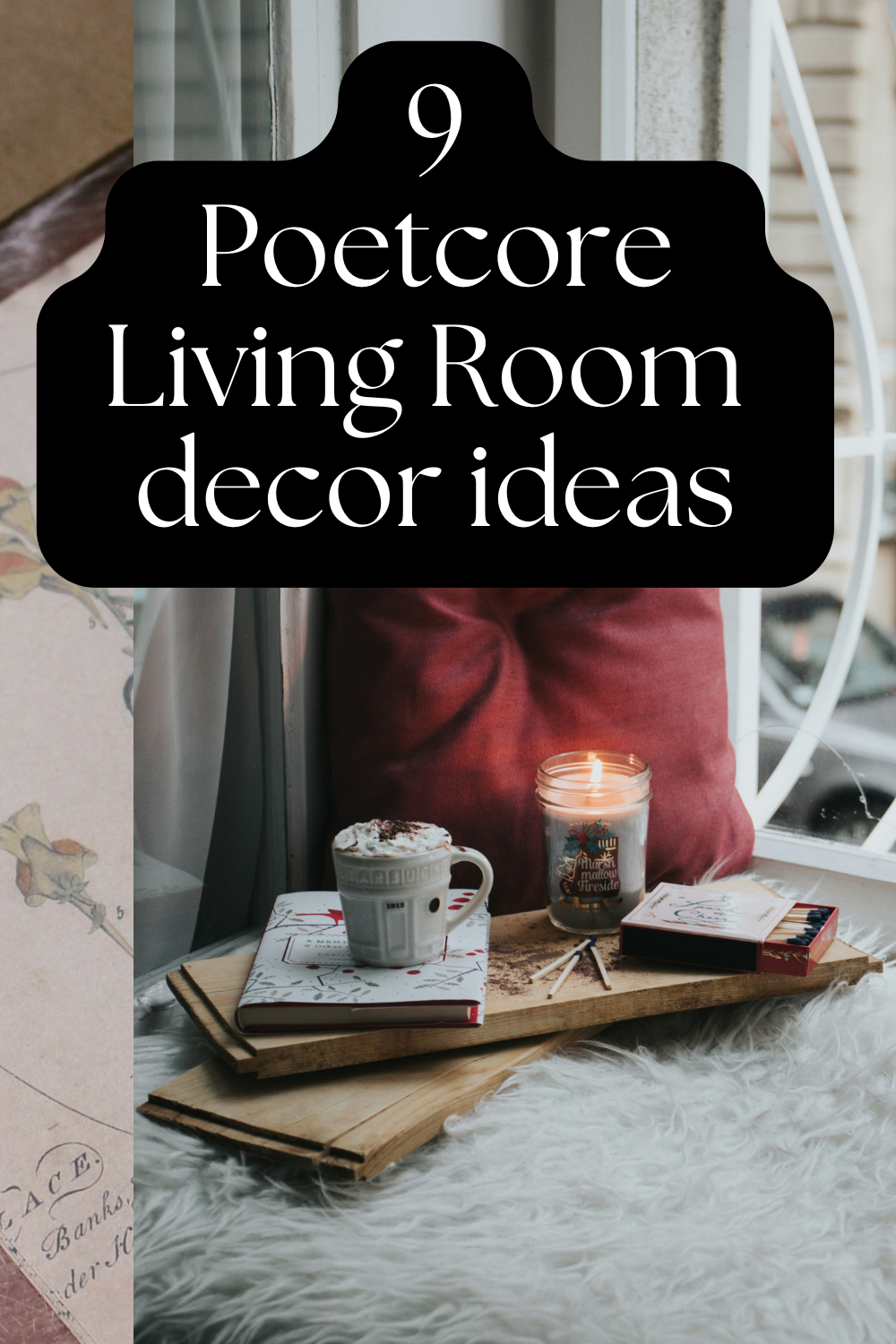
TLDR
• Core Points: Aesthetic blends vintage charm, warm tones, and literary-inspired accents to craft a contemplative living space.
• Main Content: Practical guidance to curate a poetically influenced living room with color, textures, furniture, lighting, and decor that evoke a reflective, bookish ambiance.
• Key Insights: Subtle layering, personal artifacts, and thoughtful arrangement create a space that feels like poetry—cozy, timeless, and inviting.
• Considerations: Balance between ornament and function; durability of materials; personal reading habits and space constraints.
• Recommended Actions: Audit current decor, identify literary motifs to highlight, source warm textures, and plan a cohesive lighting strategy.
Content Overview
The concept of poetcore centers on transforming a living room into a sanctuary that reads as a poem in interior form. This approach emphasizes warmth, reflection, and a sense of quiet storytelling through design elements. Rather than adopting a rigid style, poetcore invites homeowners to curate a space that nods to literary themes—publisher’s margins, handwritten notes, vintage book stacks, and subtle vintage furniture—while ensuring comfort and practicality for daily living. The article outlines nine ideas to achieve this aesthetic, focusing on color palettes, textures, furniture proportions, lighting, and meaningful accessories. The goal is to create a living area that feels intimate, personal, and conducive to reading, conversation, and contemplation.
In-Depth Analysis
Creating a poetcore-inspired living room begins with foundational choices that set the mood. A warm, neutral base serves as the canvas, with soft creams, earthy beiges, and gentle taupes forming the walls and larger upholstery. This palette provides a quiet backdrop that allows literary accents to stand out without competing for attention. Layering in richer tones—deep browns, moss greens, or muted blues—through textiles, cushions, and drapery adds depth and a sense of aged charm reminiscent of a well-loved library.
Textile selection plays a pivotal role in poetcore. Consider materials such as wool, linen, cotton velour, and boucle for seating and throws. These textures invite touch and comfort, reinforcing the room’s contemplative character. For seating, proportion matters: comfortable, approachable furniture with rounded edges and a slightly lower profile promotes a relaxed, approachable atmosphere inviting long reading sessions and conversation. A well-placed armchair—preferably in a corner with good natural light—becomes a focal point for reading and journaling.
Lighting design in poetcore emphasizes warmth and intimacy. Soft ambient lighting from layered sources—overhead fixtures, table lamps, and floor lamps with warm-tone bulbs—creates a glow that feels both nostalgic and nurturing. Dimmable options help tailor the mood from bright daytime reading to dusk-time reflection. Consider incorporating a shaded lamp or warm incandescent bulbs (or warm LED equivalents) to avoid clinical brightness. Accent lighting can highlight treasured belongings, such as a vintage bookshelf, a cherished manuscript, or an art piece chosen for its literary resonance.
Books and book-inspired decor are central to the aesthetic. Display a curated collection of carefully selected volumes on open shelving or a bar-height display for easy access and visual interest. The arrangement should feel organic rather than overly methodical; include a few occasional-use books stacked horizontally with small decorative objects resting atop. When possible, integrate elements that reference specific poets, authors, or eras—perhaps a framed quotation in a tasteful typeface, a vintage letterpress print, or a poster featuring a favorite line of poetry. This reinforces the literary mood without overwhelming the space.
Art and wall treatments in poetcore are intentionally restrained to sustain a calm atmosphere. A single, thoughtfully chosen artwork or a series of small, related pieces can anchor a wall without turning it into a gallery. If you prefer prints, select pieces with quiet color schemes and lyrical subject matter—gentle landscapes, botanical studies, or abstract forms reminiscent of ink and manuscript textures. Consider using a gallery wall that follows an undulating rhythm rather than strict symmetry, mirroring the organic flow of prose.
Textural accents extend beyond textiles to surfaces and accessories. A coffee table with a warm wood tone, a marble-top side table, or a brass-accented console can offer tactile interest. Items like a vintage inkwell, a porcelain tea set, or a meaningful keepsake can serve as conversation starters and tactile anchors for the room. Layering different textures—soft textiles, wood grains, and metallic elements—creates a tactile landscape that invites readers to linger.
Plants have a nuanced role in poetcore, offering life and a breath of color without overpowering the literary focus. Choose greenery with soft shapes and a restrained palette, such as a fiddle-leaf fig, a peace lily, or a group of small succulents. Planters in matte ceramic or ceramic glaze with subtle color ties help maintain cohesion with the overall aesthetic. The goal is to introduce a touch of nature that complements the literary vibe rather than competing with it.
Storage solutions in a poetcore room should emphasize accessibility and orderliness. A well-organized bookshelf not only serves a practical purpose but also contributes to the room’s charm. Hidden storage under benches or in ottomans can keep clutter out of sight while preserving the clean, reflective aesthetic. Consider a functional storage piece that doubles as seating or a display shelf—an elegant nod to form meeting function.

*圖片來源:Unsplash*
Flooring and rug choices influence the room’s warmth and acoustics. A soft, low-pile rug in a warm hue can anchor seating and reduce noise, supporting a serene environment ideal for reading. Natural fiber rugs, such as jute or sisal, can add texture without overpowering the color scheme. If you install a rug with a literary pattern, keep it subtle to avoid competing with other elements in the space.
Personal rituals and small, meaningful details are essential to poetcore. Display a well-loved mug, a favorite teapot, or a journal that invites daily use. A small tray with a collection of tokens from life—pressed flowers, tickets from travel, or handwritten letters—can become a visual narrative of personal stories. These items should feel intentional rather than cluttered, enhancing the space’s sense of memory and meaning.
The overall layout should nurture conversation and quiet study alike. Arrange seating in a way that encourages eye contact and easy circulation. A central coffee table can function as a staging ground for book chats or tea ceremonies, while side chairs or a loveseat can accommodate intimate conversations. The arrangement should feel balanced, with negative space allowing for a restful pace.
Finally, the poetcore approach is flexible enough to adapt to different spaces and lifestyles. It does not dictate a rigid theme but rather a mood that blends literature, comfort, and thoughtful details. By prioritizing warmth, texture, companionship of books, and subdued artistry, a living room can feel both timeless and current—a sanctuary for readers and thinkers, a place where poetry comes alive in everyday life.
Perspectives and Impact
The poetcore concept intersects with broader design movements that emphasize comfort, storytelling, and sustainability. By prioritizing soft textures, accessible storage, and natural materials, poetcore aligns with demand for warm, livable interiors that support daily routines, reading habits, and reflective moments. The approach may influence how homeowners think about space planning, encouraging the inclusion of built-in shelving, multipurpose furniture, and tactile surfaces that invite touch and exploration.
Looking forward, poetcore could evolve with trends in sustainable materials, vintage-inspired recreations, and technology that supports quiet living spaces. As urban lifestyles shift, demand for intimate, library-like rooms may grow, providing retreats from screens and noise. The movement also invites a personal curation mindset—encouraging people to collect meaningful artifacts, memory-laden books, and cherished objects that tell a story and shape the room’s atmosphere.
Potential considerations include ensuring accessibility and inclusivity in older interiors, balancing aesthetic with ergonomics for long reading sessions, and choosing materials that age gracefully. With careful planning, poetcore can remain relevant by emphasizing timeless design principles—comfort, proportion, texture, and meaningful storytelling—over passing fads.
Key Takeaways
Main Points:
– Poetcore centers on warm, reflective spaces that feel like poetry through color, texture, and literary accents.
– Textiles, lighting, and thoughtfully displayed books play pivotal roles in establishing the mood.
– Personal artifacts and memories infused into decor strengthen narrative and emotional resonance.
Areas of Concern:
– Overloading with decor can distract from comfort; maintain balance between ornament and function.
– The chosen materials should age well and suit daily use to preserve the space’s integrity.
– Lighting must be adaptable to support reading without creating glare or harsh shadows.
Summary and Recommendations
To craft a poetcore living room, begin with a warm, neutral base and layer in textures that invite touch and comfort. Select seating that encourages long reading sessions and intimate conversation, guided by soft, layered lighting to evoke a timeless, contemplative mood. Build a book-focused display with curated volumes and literary accents, ensuring the arrangement remains approachable and not overly curated. Incorporate art and wall treatments that hint at poetry and prose without overwhelming the senses. Use natural materials, subtle greenery, and meaningful objects to tell a personal narrative, while maintaining practical storage to keep the space serene and functional. By combining these elements with mindful geometry and proportion, a living room can become a literature-inspired retreat—an everyday space where poetry feels alive.
References
Original: https://abeautifulspace.co.uk/poetcore-living-room-decor-9-ideas-for-a-literary-aesthetic/
Additional references:
- https://www.apartmenttherapy.com/poetcore-inspired-decor
- https://www.designsponge.com/2020/02/poetique-living-room-ideas.html
- https://www.housebeautiful.com/room-decorating/living-room/g3520/reading-nook-ideas/

*圖片來源:Unsplash*