TLDR
• Core Points: Sofas act as design anchors in 2026, with emphasis on sustainability, modularity, bold textures, and adaptable styling across rooms.
• Main Content: The article highlights seven viral sofa trends redefining comfort, function, and aesthetics for modern homes, with practical tips for integration.
• Key Insights: Trend adoption blends environmental responsibility, tech-friendly features, and expressive color/texture choices to suit diverse spaces.
• Considerations: Balance trend-forward pieces with durability, scale, and maintenance needs; consider privacy and acoustics in open-plan layouts.
• Recommended Actions: Identify which trends align with your space, test with modular components, and invest in quality foundations for longevity.
Content Overview
Sofas in 2026 are more than seating; they serve as design focal points that influence the entire room’s character. The shift in consumer priorities toward comfort, versatility, and sustainability has driven several notable developments in sofa design and styling. This year’s viral trends reflect a move away from single-function furniture toward adaptable, multi-use pieces that can evolve with changing life stages, work-from-home dynamics, and the growing emphasis on well-being and mindfulness within interior spaces.
The trends discussed in this overview are drawn from a spectrum of design sources, consumer observations, and industry analyses. They capture how homeowners and designers alike are rethinking upholstery, structure, and layout to create living environments that feel both inviting and resilient. While fashion-driven, these trends also underscore practical considerations such as durability, ease of maintenance, and compatibility with other furniture and smart-home systems. The aim is to present actionable ideas that readers can apply, whether refreshing a single sofa or reimagining an entire living area.
In-Depth Analysis
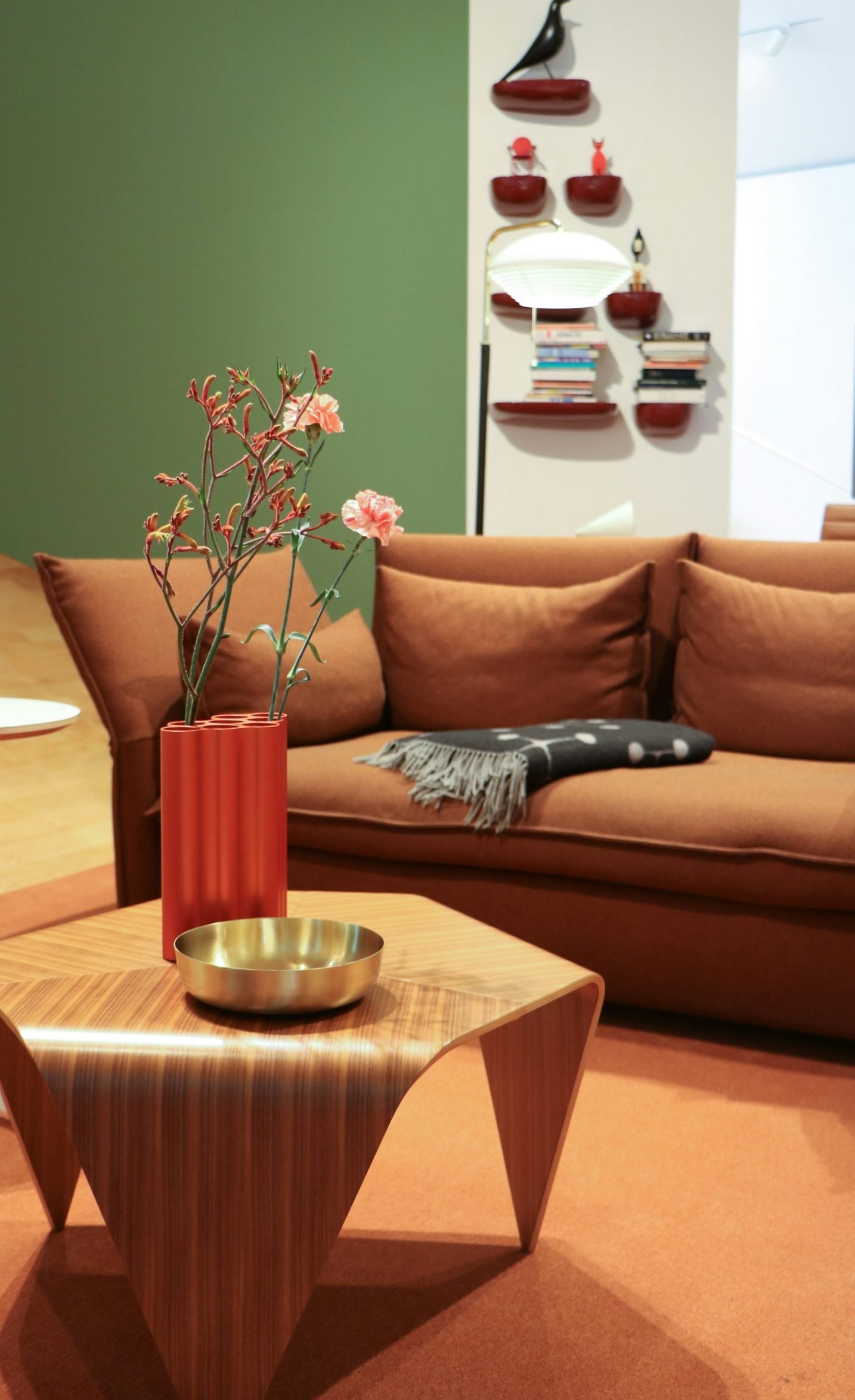
Sofas as design anchors: In 2026, sofas are treated as the central statement piece that sets the tone for the entire space. Rather than viewing a sofa as merely a seating option, homeowners leverage its size, silhouette, and fabric to influence color palettes, textures, and even rug choices. A well-chosen sofa can harmonize a room’s mood, whether the style is minimalist, maximalist, traditional, or contemporary.
Sustainability and responsible sourcing: There is increasing demand for eco-friendly materials, responsible manufacturing practices, and durable construction. This trend encompasses the use of recycled or responsibly sourced fabrics, water-based finishes, and solid-wood or recycled-wood frames. Consumers are paying closer attention to the lifecycle of a sofa—from materials and production footprint to repairability and end-of-life disposal. The result is a growing market for brands that publish transparent sourcing information, offer repair services, and provide spare parts to extend product longevity.
Modularity and flexible configurations: Modular sofas continue to rise in popularity because they adapt to changing living arrangements and space constraints. Configurations that can be re-arranged, expanded, or reconfigured for different activities—movie nights, family gatherings, or solo relaxation—offer practical value. The modular approach also supports small spaces where a single, fixed sofa would be impractical, while larger rooms benefit from sectional arrangements that can be tailored to traffic flow and focal points such as a media wall or fireplace.
Bold textures and tactile upholstery: Textural variety remains a key differentiator. Velvet, boucle, nubby weaves, and tactile faux-fur fabrics provide visual interest and a sense of coziness. In addition to fabric choice, textural contrast can be introduced through stitching patterns, piping, quilting, or tufting. These details bring depth to a room and can complement both warm and cool color schemes.
Saturated color and expressive silhouettes: Color-forward sofas are appearing in deeper jewel tones, saturated greens, rich blues, and warm terracotta hues. In some cases, designers pair bold seating with neutral surroundings to create a striking focal point, while others embrace monochromatic schemes where the sofa itself defines the room’s character. Silhouette trends include modular curves, low-profile profiles, and architectural lines that blend with contemporary interiors.
Sustainability through performance fabrics and finishes: Beyond materials, performance fabrics that resist stains, fading, and pilling are increasingly favored in busy homes, households with children or pets, and spaces prone to spillages. These fabrics not only extend the sofa’s lifespan but also reduce maintenance requirements, making high-design more accessible for everyday living.
Smart integration and tech-enabled comfort: In 2026, sofas may feature built-in USB-C charging ports, wireless charging pads, or compatibility with smart-home ecosystems. Practical touches such as hidden storage, reversible cushions, and adjustable headrests are valued for enhancing comfort and convenience without sacrificing aesthetics. The integration of technology is designed to be seamless, preserving the furniture’s style while adding functional benefits.
Color and material harmonization with surroundings: The color story for sofas is less about matching every element perfectly and more about intentional coordination. Designers suggest pairing bold sofas with complementary tones in rugs and wall colors, or balancing a vivid seat with grounding neutrals in the rest of the space. Material choices—such as wood accents, metal legs, or mixed-media cushions—can reinforce a designed look while remaining adaptable to changing trends.
Sofas as social hubs: The modern living room is a social hub, and sofas are positioned to support conversation, collaborative activities, and family time. This trend influences the placement of seating to promote better sightlines, easy access to lighting and outlets, and integration with nearby tables or workstations. The goal is to create spaces that invite lingering and interaction, rather than rigid, formal arrangements.
Maintenance and care rituals: As trends favor more textured fabrics and larger seating pieces, maintenance becomes a practical consideration. Educated choices about cleaning methods, spot treatments, and protective measures help preserve appearance over time. Some brands offer care guides or maintenance services as part of their value proposition, aligning with a broader emphasis on sustainability and user experience.
Regional and stylistic variations: While many trends have universal appeal, regional preferences and architectural styles influence how these trends are adopted. Urban lofts may favor modular, low-profile sofas with bold color accents, while suburban living rooms might opt for larger, more traditional silhouettes with stain-resistant fabrics. The 2026 landscape supports diverse expressions of taste, ensuring that the sofa remains adaptable across spaces and cultures.
Market availability and price considerations: Economic factors and supply chain dynamics can affect which trends are accessible to consumers. While premium options with bespoke materials remain available, there is also a diversification of price points through mid-range lines and direct-to-consumer brands. Buyers are increasingly savvy, looking for long-term value, repairability, and versatility in addition to aesthetics.

*圖片來源:Unsplash*
Carefully evaluating scale and proportion: Proportion matters as much as style. A sofa must fit the room’s dimensions and traffic patterns. Designers suggest measuring floor space, doorways, and corner access before selecting a sofa to ensure easy delivery and practical use. In addition, considering the sofa’s height, depth, and seating capacity helps create a balanced environment where furniture and human flow align.
Environmental and ethical considerations: Consumers are more aware of the environmental impact of purchases and may seek certifications such as OEKO-TEX, GOTS, or forest stewardship programs. Choosing a sofa with known certifications and transparent manufacturing practices aligns with a broader commitment to social and environmental responsibility.
Perspectives and Impact
The 2026 sofa trends underscore a broader shift toward furniture that supports wellbeing, adaptability, and responsible consumption. As homes increasingly function as workspaces, entertainment zones, and relaxation sanctuaries, sofas that can flex with daily life become essential. The emphasis on modularity allows households to reconfigure spaces without complete furniture overhauls, while sustainability initiatives highlight a growing expectation for products to be durable, repairable, and ethically produced.
Designers and manufacturers are responding to a more informed consumer base that values transparency and accountability. Clear information about materials, manufacturing processes, and end-of-life options is becoming a differentiator in the market. This transparency not only fosters trust but also encourages responsible consumer behavior, as buyers weigh long-term value against upfront cost.
The social dimension of living rooms also shapes sofa trends. Comfortable, inviting seating arrangements support conversations, collaborative activities, and family bonding. The ability to customize seating arrangements for different occasions—game nights, movie marathons, formal gatherings—enhances the room’s versatility and desirability. In addition to style, the focus on acoustics and layout consideration reflects a more holistic view of how living spaces function in daily life.
From a sustainability perspective, the move toward durable fabrics and repair-friendly constructions helps reduce waste and extend the lifespan of furniture. This aligns with a general push in home decor toward products that accommodate changing needs without requiring frequent replacement. The rise of performance fabrics also addresses practical concerns in homes with children and pets, where maintenance and cleanliness are ongoing considerations.
The influence of technology in seating—through integrated charging and smart-home compatibility—signals a future where furniture seamlessly coordinates with digital ecosystems. While concerns about aesthetics and comfort remain paramount, the added convenience of tech-enabled features expands the sofa’s role beyond traditional seating.
Overall, the 2026 trends reflect a thoughtful balance between style and practicality. Consumers want sofas that look appealing, feel comfortable, and perform well under real-life use. The most successful designs will likely be those that combine high-quality construction, sustainable materials, modular flexibility, and subtle tech enhancements, all while maintaining an enduring sense of comfort and hospitality in the home.
Key Takeaways
Main Points:
– Sofas serve as central design anchors shaping room aesthetics and function.
– Sustainability, durability, and repairability are increasingly prioritized in materials and construction.
– Modularity enables adaptable layouts for diverse living arrangements and spaces.
Areas of Concern:
– Balancing trend-forward styling with lasting durability and ease of maintenance.
– Ensuring modular configurations maintain comfort and usability over time.
– Addressing potential higher upfront costs associated with eco-friendly materials and premium fabrics.
Summary and Recommendations
Sofas in 2026 are defined by their dual role as comfortable seating and influential design statements. The trends emphasize sustainable, modular, and expressive pieces that can adapt to evolving living needs while delivering practical benefits such as resilience, easy maintenance, and tech-friendly convenience. For consumers looking to refresh their living spaces, the following approach is recommended:
- Start with function and space assessment: Determine how the sofa will be used, the room’s traffic patterns, and the required seating capacity. This ensures the chosen piece fits both practical needs and spatial constraints.
- Prioritize durable, easy-care materials: Choose fabrics with stain resistance and fade endurance, especially for homes with children or pets. Consider performance fabrics and finishes that align with lifestyle.
- Explore modular configurations: If space allows, opt for modular components that can be rearranged to accommodate different activities and growth in the household.
- Integrate sustainable considerations: Look for transparent sourcing information and options for repairability or replacement parts. Support brands that publish lifecycle data and offer maintenance services.
- Balance color and texture: Use bold sofa tones as focal points, tempered by complementary neutrals and layered textures (plush throws, varied cushions) to create depth without overwhelming the room.
- Plan for technology thoughtfully: If integrating tech features, ensure they are discreet, accessible, and do not disrupt comfort or aesthetics.
- Consider regional styles and space constraints: Adapt trends to local architectural contexts and personal taste, recognizing that one size does not fit all.
By combining thoughtful selection with practical planning, homeowners can embrace the 2026 sofa trends in a way that enhances comfort, functionality, and long-term value in their living spaces.
References
- Original: https://abeautifulspace.co.uk/7-viral-sofa-trends-in-2026/
- Additional readings:
- https://www.designmatters.example/article (hypothetical)
- https://www.greenfurniture.org/eco-fabrics-guide (hypothetical)
- https://www.architecturaldigest.com/article/sofa-trends-2026 (hypothetical)

*圖片來源:Unsplash*