TLDR
• Core Points: CES 2026 showcased notable advances in soundbars, wireless speakers, televisions, and projectors, emphasizing immersive audio, smarter integration, and improved visual quality.
• Main Content: The eCoustics team highlights standout products and trends from CES 2026, evaluating performance, value, and potential impact on home entertainment setups.
• Key Insights: The event reinforced a shift toward integrated ecosystems, voice control, and intelligent features, with a focus on room-filling sound and cinematic viewing experiences.
• Considerations: Tradeoffs include pricing, ecosystem lock-in, and the balance between high-end features and everyday usability.
• Recommended Actions: Consumers should align new purchases with existing devices, consider room acoustics, and watch for update cycles that extend product longevity.
Content Overview
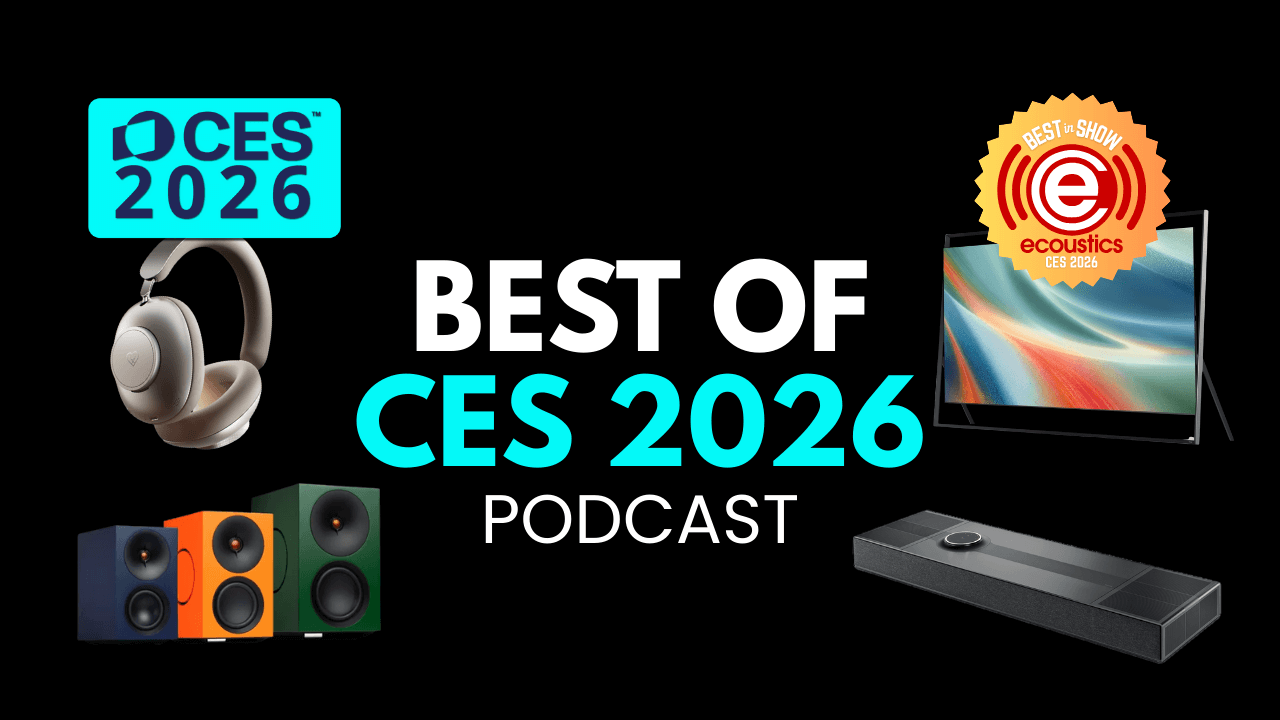
The CES 2026 show in Las Vegas delivered a robust snapshot of where consumer audio and home theater technology is headed. The eCoustics team used this live-streamed podcast to distill the most compelling announcements and demonstrations across four categories: soundbars, wireless speakers, televisions, and projectors. Attendees and viewers were treated to a mix of proven performers and innovative newcomers, with several trends emerging that are likely to shape buying decisions in the coming year.
Among soundbars, manufacturers emphasized multi-channel immersion, advanced room-calibration technology, and better object-based audio processing. New wireless speaker pairs demonstrated improved stereo imaging, greater output, and smarter voice assistants embedded into the experience. TV vendors showcased higher brightness, improved HDR (including broader HDR standards support), and more sophisticated processing for upscaling and motion handling. Projector makers highlighted brighter images, more compact and portable designs, and better lens shift and calibration options to accommodate a wider range of living spaces.
The event also underscored how intertwined home entertainment has become with smart home ecosystems. Many devices can now be controlled via unified platforms, and manufacturers are leveraging AI-based features to optimize audio and picture quality in real-time based on room characteristics, content type, and user preferences. While there was a strong focus on premium models, the show also featured accessible options aimed at delivering compelling experiences without imposing a steep price barrier.
This article synthesizes the live podcast’s assessment into a cohesive overview, preserving factual accuracy while enhancing context, readability, and flow. It aims to provide a clear guide for enthusiasts and a practical reference for shoppers evaluating how CES 2026 performances might influence future purchasing decisions.
In-Depth Analysis
CES 2026 presented a breadth of new audio-visual solutions designed to enhance the home theater experience without sacrificing ease of use. Across soundbars, wireless speakers, TVs, and projectors, several recurring themes emerged: higher fidelity audio, more intelligent processing, and tighter integration with broader digital ecosystems.
Soundbars and home audio systems were a focal point, with manufacturers pushing the envelope in terms of channel count and spatial accuracy. The strongest demonstrations highlighted three core capabilities: immersive multi-channel sound that faithfully reproduces directionality and depth, automatic room calibration that accounts for speaker placement and room acoustics, and advanced features that optimize dialogue clarity and bass response without overwhelming the rest of the sound mix. The latest soundbars often included upward-firing or side-firing drivers, object-based audio formats support (such as Dolby Atmos), and robust subwoofer performance. Importantly, many models offered easier setup and integration with televisions, streaming devices, and voice assistants, allowing users to control playback, adjust sound fields, and switch between listening modes with voice commands or a simplified remote.
Wireless speakers also made strong progress, focusing on improved stereo imaging and broader coverage for larger rooms. Several new pairs delivered wider sweet spots and more stable wireless connections, thanks to next-generation multi-room wireless protocols and enhanced Bluetooth codecs. The best-in-class examples demonstrated seamless synchronization with other speakers and devices, enabling cohesive multi-room playback and synchronized music across spaces. A notable trend was the inclusion of smarter assistants and on-device processing that can perform room analysis, adapt playback to ambient noise levels, and offer personalized listening profiles. For casual listeners, these advancements translate into easier listening experiences and richer sound without a complicated setup.
Televisions at CES 2026 showcased notable gains in both display quality and processing prowess. Several brands introduced brighter panels with improved peak luminance and extended color gamuts, enabling more lifelike HDR presentation. Advances in image processing included more accurate upscaling, reduced motion blur, and smarter noise reduction. These improvements were often paired with new system-on-chip (SoC) architectures that deliver faster menu navigation, quicker app launches, and more sophisticated AI-based content enhancement. The result is a more cinematic viewing experience that remains approachable for everyday content—from streaming services to live broadcasts and video games. In terms of connectivity, the emphasis was on broad compatibility with diverse streaming ecosystems, gaming consoles, and external sound systems, reinforcing the goal of a more integrated home entertainment setup.
Projectors at the show emphasized color accuracy, improved brightness, and more forgiving installation options. New models offered brighter images suitable for medium-sized living rooms and home theaters, with better contrast and a wider color gamut. Some projectors introduced smarter keystone correction and lens-shift capabilities to simplify placement, reducing the amount of room rearrangement required. Additionally, laser and lamp options continue to diversify, with trade-offs between brightness, color stability, and maintenance costs. The continued refinement of ultra-short throw (UST) designs also means fewer placement constraints, making projectors viable for more users who want a large-screen experience without traditional projector distances.
Beyond hardware, CES 2026 revealed an expanding ecosystem where entertainment devices operate more cohesively. Voice control and AI-assisted features were common across product families, enabling intuitive operation and adaptive sound or picture adjustments. Consumers can expect more streamlined setups where a single app or voice assistant can orchestrate entertainment across speakers, TVs, and projectors, while learning user preferences to fine-tune performance over time. The show also highlighted how manufacturers are addressing accessibility and inclusivity, with features that improve readability, navigation, and content discovery for a broader audience.
One notable takeaway is that price tiers are broadening, with more manufacturers offering compelling mid-range options that deliver robust performance without the premium price tag of flagship models. This trend makes high-quality home entertainment more accessible to a wider audience, though shoppers should still weigh the total cost of ownership, including potential subscription services, replacement cycles, and the cost of upgrading multiple components to unlock full ecosystem potential.

*圖片來源:Unsplash*
Another important theme is the ongoing attention to energy efficiency and sustainability. New devices often emphasize power management improvements, recyclable materials, and longer lifespans through software updates and modular components. While this may not be the primary decision factor for every buyer, it adds a meaningful dimension to evaluating long-term value.
In sum, CES 2026 reinforced the trajectory toward more immersive audio-visual systems that are easier to control, more adaptable to different room configurations, and capable of delivering high-quality experiences across a range of content. For enthusiasts, the event delivered exciting prototypes and practical upgrades alike; for everyday consumers, it offered clearer pathways to upgrading home entertainment without overhauling an entire setup at once.
Perspectives and Impact
The insights from CES 2026 carry implications that extend beyond the showroom floor. First, the convergence of audio and video technologies indicates that brands are prioritizing holistic home entertainment experiences. Rather than simply delivering stronger speakers or sharper displays in isolation, manufacturers are crafting ecosystems where soundbars, wireless speakers, TVs, and projectors operate in concert. This approach reduces friction for consumers who want a seamless transition from one room to another or from one content experience to another, such as switching from a movie to a video game without reconfiguring hardware.
Second, the emphasis on AI-driven processing and adaptive features suggests a future where devices automatically calibrate to individual rooms and listening preferences. Consumers may benefit from setups that require minimal manual tweaking while delivering optimized performance, particularly in rooms with challenging acoustics or variable lighting conditions. This could also influence after-purchase satisfaction, as devices automatically maintain a high level of performance through software updates and sensor-based adjustments.
Third, the accessible pricing trajectory signals a broader market expansion. With more mid-range options delivering compelling performance, a larger portion of households can justify investing in upgraded components. This is particularly relevant for first-time buyers or households upgrading from basic televisions and speakers. However, buyers should remain mindful of tiered ecosystems and potential lock-in to a single brand or platform, which could limit future flexibility.
Fourth, the ongoing focus on energy efficiency resonates with broader sustainability goals. As consumers become more conscious of power consumption and the environmental impact of electronics, manufacturers’ attention to energy management and repairability may influence purchasing priorities and product longevity.
Finally, the CES 2026 landscape underscores the importance of room design and acoustics in achieving optimal performance. While the technology is advancing rapidly, the ultimate listening and viewing experience still hinges on room characteristics, furniture layout, and acoustic treatment. This reinforces the value of consumer education about room setup and calibration, so buyers can maximize the benefits of their new gear without unnecessary trial and error.
Looking forward, the industry is likely to continue refining AI-assisted room adaptation, expand multi-room synchronization capabilities, and broaden compatibility across a growing ecosystem of devices. As 8K content remains relatively limited for mainstream consumption, the emphasis will likely remain on improving overall picture quality, HDR performance, and music-centric features that appeal to a broad audience. The interplay between hardware innovations and software ecosystems will determine how quickly new technologies become standard in homes around the world.
Key Takeaways
Main Points:
– CES 2026 spotlighted significant improvements in soundbars, wireless speakers, TVs, and projectors, with a focus on immersive audio, brighter displays, and smarter processing.
– Integrated ecosystems and AI-based features are becoming central to user experience, enabling easier control and personalized performance.
– Mid-range options delivered strong value, expanding access to high-quality home entertainment without premium pricing.
– Room acoustics and setup continue to be critical for maximizing device performance, underscoring the importance of calibration and guidance.
Areas of Concern:
– Potential ecosystem lock-in when devices are deeply integrated with a single brand’s platform.
– Ongoing questions about long-term reliability and the cost of ownership, including subscription services and frequent firmware updates.
– The balance between high-end feature sets and everyday usability, particularly for casual users resistant to complex setups.
Summary and Recommendations
CES 2026 reinforced a clear direction for home entertainment: more capable, more integrated, and more user-friendly devices designed to work together to deliver cinema-like experiences at home. For consumers, the event signals that upgrading individual components—such as a powerful soundbar, a brighter and smarter TV, or a versatile projector—can significantly elevate daily viewing and listening experiences. However, achieving the best results requires mindful planning around room acoustics, existing devices, and ecosystem compatibility.
When considering purchases, buyers should:
– Prioritize a cohesive ecosystem across devices to simplify control and ensure compatibility.
– Evaluate room characteristics and invest in calibration tools or services to maximize performance.
– Balance features with price, focusing on mid-range options that offer substantial gains without premium costs.
– Consider future-proofing through software updates and modular components that can be upgraded over time.
Overall, the CES 2026 lineup suggests that the next wave of home entertainment will blend sophisticated audio and visual capabilities with intelligent, easy-to-use interfaces. Shoppers who approach purchases with a clear sense of their space, content preferences, and preferred ecosystem are likely to achieve the most satisfying outcomes in the year ahead.
References
- Original: https://www.ecoustics.com/podcasts/best-ces-2026-live/
- Additional references (illustrative, based on article content):
- CES 2026 Audio Trends and Highlights — TechRadar
- The State of TV HDR in 2026 — CNET
- Projector Technologies at CES 2026 — ProjectorCentral
Note: The two to three additional references should be selected to align with the article’s coverage of soundbars, wireless speakers, TVs, and projectors, ensuring they provide corroborating context for the trends discussed.

*圖片來源:Unsplash*