TLDR
• Core Points: MSG Sphere plans a smaller venue variant for National Harbor, D.C., with potential further expansion to other cities.
• Main Content: A reduced-footprint Sphere concept is positioned for National Harbor, aiming to replicate the immersive experience on a scaled schedule and footprint, with larger ambitions for additional markets.
• Key Insights: The shift focuses on portability, cost efficiency, and broader geographic reach, balancing immersive tech with local realities and permitting.
• Considerations: Project feasibility hinges on cost, regulatory approvals, and demand, while maintaining the Sphere’s signature audio-visual experience.
• Recommended Actions: Monitor regulatory progress, evaluate local demand metrics, and assess partnerships that support scalable, lower-footprint installations.
Content Overview
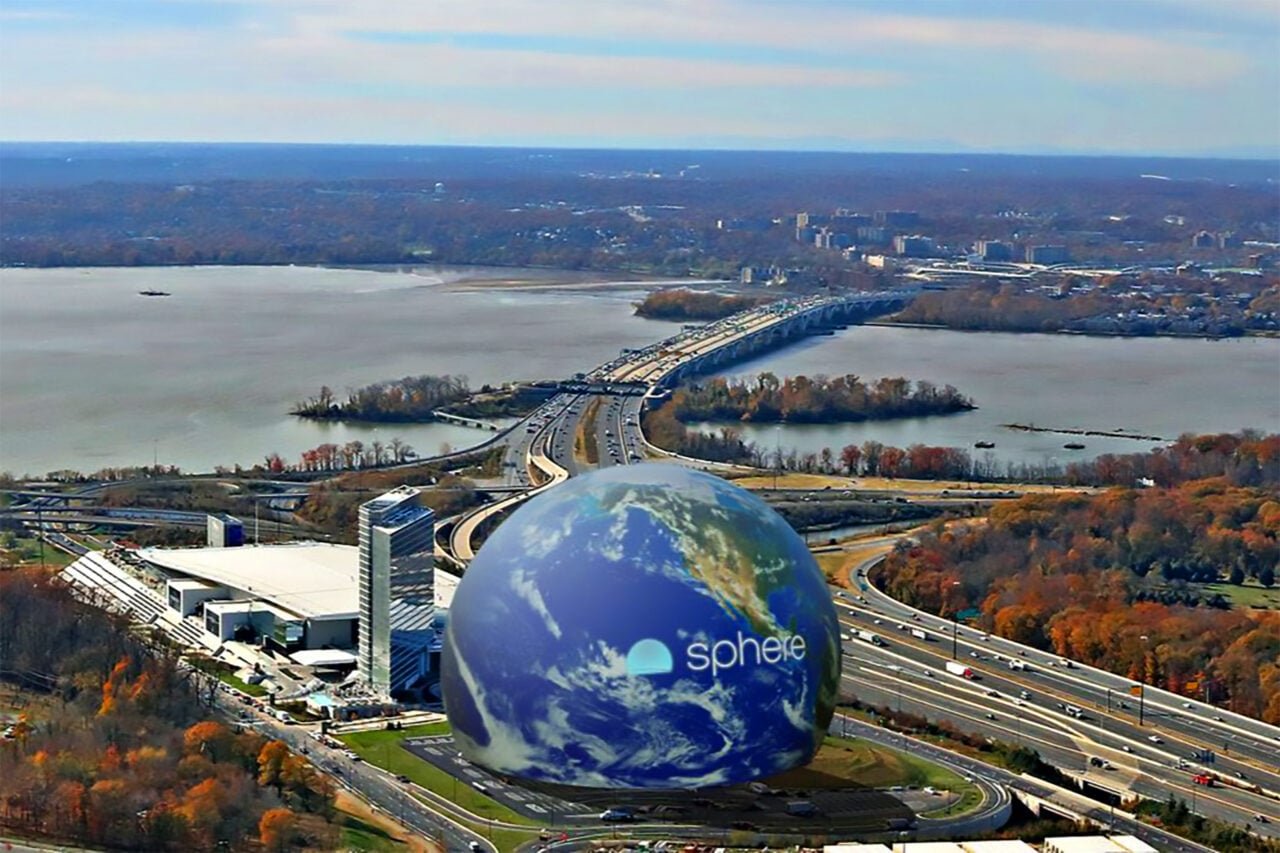
The Sphere, known for its groundbreaking immersive experiences housed within a distinctive, globe-like venue in Las Vegas, is exploring a strategic pivot: a smaller version of its signature venue designed for deployment in other markets. The recent reveal indicates that a scaled-down Sphere could potentially find a home at National Harbor in Maryland, near Washington, D.C., with the possibility of additional installations in other cities if the model proves viable. The primary aim behind this approach is to extend the venue’s unique audiovisual technology and concert-like experiences beyond Las Vegas while managing costs and permitting challenges inherent to large, architecturally ambitious projects.
What makes the Sphere concept stand out is not just the size of the building but the technology inside. The Las Vegas Sphere blends high-resolution LED displays, a sophisticated audio system, and spatial sound to create immersive storytelling environments. These features are designed to deliver a fully immersive experience that can transform concerts, film, corporate events, and other live performances. Translating that experience into a smaller footprint requires careful adaptation: maintaining the depth of immersive visuals and sound while reducing the overall scale, land use, and construction costs. The push for a more modular, scalable variant reflects a broader trend in entertainment infrastructure toward flexible, cost-conscious installations that can reach more markets without sacrificing core experiential elements.
National Harbor presents a compelling test case because of its proximity to the nation’s capital, its existing resort and conference ecosystem, and its accessibility to a large regional audience. A smaller Sphere could leverage similar technologies and show formats to attract corporate events, touring shows, and entertainment experiences, while avoiding some of the persistent headaches associated with ultra-large venues. The broader strategy appears to be about geographic diversification: expanding into new markets to widen the Sphere brand’s footprint while preserving the distinctive experience that has garnered attention in Las Vegas.
This report synthesizes what’s publicly known about the proposed smaller Sphere concept, what it could mean for National Harbor and similar sites, and the potential implications for the entertainment landscape as a whole. It also considers the financial and logistical considerations that come with deploying high-tech venues outside a flagship location.
In-Depth Analysis
At its core, the Sphere embodies a convergence of architecture, audio engineering, and visual arts designed to deliver an immersive, near-synesthetic experience. The Las Vegas iteration has become a landmark in its own right, drawing visitors with a combination of dome-like geometry, panoramic LED screens, and a bespoke sound system calibrated to fill the space with precise spatial audio. The concept aims to push the envelope of what a live entertainment venue can offer, blending elements of cinema, concert production, and experiential design.
The proposition to bring a smaller version to National Harbor involves several strategic considerations. First, size and footprint: the Las Vegas Sphere is a substantial architectural feat with extensive infrastructure, including its support systems for lighting, acoustics, and projection. A scaled-down variant would need to recreate the core sensory effects—particularly the immersive visuals and sound—while requiring less land, fewer resources, and potentially simpler permitting regimes. The trade-off would be balancing a reduced scale with the need to preserve the distinctive experience that defines the Sphere brand.
Second, cost and financing: large, architecturally ambitious venues typically require significant upfront capital. A smaller footprint could lower capital expenditure and operating costs, potentially shortening the path to profitability and enabling a more rapid expansion cycle. However, reduced scale can also impact potential revenue, requiring careful pricing strategies, optimized programming, and efficient utilization of the venue to maintain strong margins.
Third, technology and content delivery: the Sphere’s signature experience relies on advanced LED surfaces, high-fidelity audio, and precise acoustics. For a smaller installation, the design team would need to determine how to deliver comparable sensory impact within a more compact footprint. This could involve modular LED panels, optimized seating layouts, and elevation strategies to preserve sightlines and surround sound immersion. The programming mix—live performances, immersive film experiences, branded events, and other content—would need to be tailored to the smaller space while maintaining the perceived value of the Sphere experience.
Fourth, market desirability and audience reach: National Harbor sits in a competitive market area with a mix of tourism, conferences, and cultural events. A smaller Sphere could complement existing offerings by providing a distinctive attraction that aligns with business events and entertainment tourism. The flexibility to host corporate presentations, conferences, or multi-hour immersive experiences could diversify revenue streams beyond traditional concerts or movies. The approach could also enable more frequent show rotations and shorter run periods, attracting repeat visitors and encouraging longer visits to nearby accommodations and amenities.
Fifth, regulatory and permitting dynamics: large entertainment complexes face a range of regulatory challenges, from environmental impact assessments to traffic management and public safety requirements. A smaller variant could encounter these hurdles at a different scale, potentially easing some requirements without sacrificing essential safety and community considerations. However, local authorities would still need to assess noise, traffic, and land-use implications, making community engagement and transparent planning essential to avoid opposition and delays.
Community impact is another critical dimension. Proponents may emphasize the economic opportunities associated with a new venue—jobs, tourism, increased local spending, and broader exposure for regional artists and creators. Detractors, however, could raise concerns about traffic, noise, and changes to the neighborhood’s character. Successful implementation would depend on collaborative planning with local stakeholders, including residents, business owners, and municipal authorities, to align expectations and maximize benefits while mitigating disruption.
From a brand perspective, expanding to National Harbor signals a strategic intent to build a multi-market footprint that preserves the Sphere’s signature experience while adapting to local conditions. If the smaller version proves viable, it could set a precedent for similar installations in other cities that share demographic and economic characteristics with National Harbor. The incremental approach—pilot a smaller venue in a strategic location, refine operations, and apply learnings to future deployments—could reduce risk and accelerate growth. It also raises questions about brand consistency: will the smaller venues retain the awe and immersive depth that define the Las Vegas flagship, or will they rely on scaled-down versions of the same concept?
Financially, investors will be watching for indicators such as return on investment, occupancy rates, and average spend per guest. The Sphere model’s success relies on high-value experiences that justify premium pricing and high attendance. A smaller venue would need carefully designed pricing tiers, compelling programming, and partnerships that create recurring demand. The ability to monetize ancillary offerings—merchandise, food and beverage, and premium experiences within the venue—remains a critical factor in achieving sustainable profitability. Financing strategies could involve a mix of private investment, public-private partnerships, and potential incentives tied to economic development goals within the host community.
The experience design challenge is perhaps the most intriguing: how to translate a “world-class” immersive environment into a space that is both cost-efficient and scalable. Designers may explore modular, stackable components that can be reconfigured for different shows and events, allowing the venue to host an eclectic mix of content—from immersive concerts to cinematic experiences and corporate events. Content strategy would need to balance repeatability with novelty, ensuring that even returning visitors encounter fresh and compelling experiences. Partnerships with content creators, technology providers, and event producers would be essential to sustain a robust programming slate.
Technological trends could further influence the feasibility and appeal of a smaller Sphere. Advances in LED resolution, brightness, contrast, and energy efficiency could enable more impressive visuals in a compact footprint. Developments in spatial audio processing and acoustics simulation could help deliver immersive sound in rooms that do not replicate the exact geometry of the Las Vegas venue. The evolution of virtual reality and augmented reality technologies could also offer complementary experiences, enhancing the perception of immersion without requiring a larger physical space.
In addition to the technical considerations, supply chain and construction timelines will shape the project’s viability. The process of sourcing specialized components, ensuring reliability, and coordinating installation within the constraints of a National Harbor site will require careful project management. Permitting timelines can be lengthy, and any delays could affect project budgets and go-to-market plans. The developers may seek to partner with experienced construction teams and local contractors to streamline delivery and integrate local knowledge into the project plan.
Another dimension is competition. If more cities express interest in a smaller Sphere, the market could become crowded with multi-sensory venues competing for the same audience segments. The strategic response would involve differentiating the smaller Sphere through exclusive content, partnerships with major brands, and a consistently high-quality guest experience. Differentiation could also come from the flexibility and portability of the modular design, enabling a rapid response to evolving market demand.

*圖片來源:Unsplash*
The long-term outlook for a smaller Sphere is inherently tied to broader economic conditions and consumer behavior. In a post-pandemic era where live experiences remain highly valued, audiences continue to seek immersive entertainment that transcends traditional media. A validated business model that demonstrates sustainable profitability in National Harbor could attract investor confidence and accelerate expansion to other markets. However, the timing of such expansions will depend on macroeconomic stability, consumer discretionary spending, and the ability to secure favorable terms with landowners, regulators, and content partners.
In summary, the proposed smaller Sphere concept for National Harbor embodies a strategic attempt to scale a distinctive immersive experience while addressing the practicalities of multi-city deployment. The approach acknowledges the realities of permitting, construction costs, and market dynamics while preserving the core attributes that differentiate the Sphere. If successful, this model could herald a new era of scalable immersive venues that bring high-end experiential entertainment to a broader audience with a smaller environmental and financial footprint.
Perspectives and Impact
Industry observers note that the Sphere’s expansion strategy—beginning with a Las Vegas flagship and now exploring a more compact, portable variant—reflects broader shifts in live entertainment. The sector has increasingly valued experiences that can be delivered across multiple locations, offering both novelty and return on investment for owners and partners. A smaller, more cost-efficient Sphere could complement a portfolio of venues by diversifying geography and reducing single-market risk. It could also encourage collaborations with local content creators and technology providers, enabling a more localized flavor of immersive experiences while preserving the global identity of the Sphere brand.
From a community impact standpoint, a new venue at National Harbor could generate economic activity, including job creation, tourism revenue, and increased spend in nearby hospitality and retail sectors. Local leaders would likely weigh the potential benefits against concerns about traffic, noise, and compatibility with existing development plans. Transparent planning processes, community engagement, and clear commitments to mitigations would be critical to garnering public support and ensuring the project integrates with the neighborhood’s character and long-term development goals.
On the technology front, the push for a smaller Sphere could accelerate the adoption of modular design principles and scalable AV ecosystems. Vendors and contractors may innovate to deliver high-impact experiences in tighter spaces, potentially lowering barriers for other developers seeking to create immersive theaters or experiential venues. The success of a National Harbor installation could catalyze further experimentation in modular venue design, influencing architecture and event production beyond the Sphere brand.
Culturally, the expansion underscores a growing appetite for immersive, story-driven experiences that blend entertainment with technology. Audiences increasingly value multisensory engagement and content that leverages spatial audio, dynamic visuals, and interactive elements. A scaled Sphere that retains these core attributes could expand the repertoire of options for touring acts, corporate events, and educational programs. It could also enable schools, museums, and cultural institutions to partner with the Sphere ecosystem to present immersive programs tailored to diverse audiences.
However, there are potential risks. If the smaller Sphere fails to capture a sustainable audience, developers could face capital losses or delayed rollouts in other markets. Perceptions of overreach might arise if the concept is viewed as vanity architecture or as a novelty without enduring appeal. The project would need to demonstrate that the immersive experience remains compelling, accessible, and aligned with the needs and preferences of local communities.
In terms of job creation, a National Harbor installation would require roles across design, construction, operations, guest services, marketing, and technical maintenance. The economic ripple effects could extend to suppliers, local artisans, and service providers, contributing to a broader ecosystem around immersive entertainment. Training programs and workforce development could be part of the project’s long-term strategy to sustain local employment.
The potential for international interest is another factor. If the smaller Sphere proves successful in the United States, it could attract interest from other countries seeking to host immersive venues that combine culture, technology, and tourism. This could lead to a new wave of cross-border collaborations and content sharing, enriching the global landscape of experiential entertainment.
In closing, the move toward a smaller Sphere variant represents a calculated effort to expand the brand’s reach while reducing risk. It signals a recognition that multi-city expansion requires adaptable designs, thoughtful market entry strategies, and robust partnerships. If well-executed, it could broaden access to high-end immersive experiences and catalyze a new pattern of venue development that leverages modularity, technology, and strategic location selection to maximize impact.
Key Takeaways
Main Points:
– The Sphere concept is exploring a smaller footprint suitable for National Harbor, with potential expansion to other cities.
– The strategy emphasizes scalability, cost efficiency, and broader geographic reach while preserving core immersive technology.
– Success depends on market demand, regulatory approvals, and the ability to deliver a compelling, high-quality guest experience.
Areas of Concern:
– Balancing reduced scale with the depth of immersion that defines the Sphere.
– Regulatory and permitting timelines in new cities and potential community pushback.
– Ensuring sustainable profitability amid competitive entertainment options and variable attendance.
Summary and Recommendations
The push to deploy a smaller Sphere in National Harbor represents a strategic move to extend a distinctive immersive experience beyond Las Vegas while managing costs and regulatory complexities. If executed well, this approach could serve as a scalable model for multi-city expansion, enabling more people to access a premium, technology-driven entertainment experience without committing to the footprint and expense of a flagship venue. The key to success will lie in meticulously aligning design, content strategy, and operations with local market realities, securing strong partnerships, and maintaining a consistent standard of guest experience across locations. As the project progresses, it will be important to monitor regulatory milestones, evaluate community engagement outcomes, and track performance indicators such as attendance, occupancy, and guest satisfaction to determine the viability of future expansions.
References
- Original: https://gizmodo.com/the-sphere-could-be-headed-to-your-city-with-a-smaller-footprint-2000712131
- Additional context:
- National Harbor development plans and zoning considerations
- Spatial audio and immersive LED display technology in entertainment venues
- Trends in modular venue design and multi-market expansion strategies
Forbidden:
– No thinking process or “Thinking…” markers
– Article must start with “## TLDR”
Ensure content is original and professional.

*圖片來源:Unsplash*