TLDR
• Core Points: Netflix plans a redesigned mobile app launching later this year to enable rapid iteration and testing, led by co-CEO Greg Peters, as it doubles down on vertical video formats.
• Main Content: Redesign aims to improve development agility and user experience, reflecting Netflix’s emphasis on vertical video and mobile-first strategies.
• Key Insights: The move signals a broader shift to experiment-driven product development and a more flexible app architecture to support ongoing updates.
• Considerations: The overhaul will need to balance performance, battery impact, and onboarding for users accustomed to the current interface.
• Recommended Actions: Monitor rollout progress, gather user feedback on vertical video experiences, and assess impact on engagement and retention metrics.
Content Overview
Netflix has announced a forthcoming redesign of its mobile app, set to launch later this year. The primary objective of the update is to give the streaming platform greater latitude to iterate, test, evolve, and improve its service in real time. Co-CEO Greg Peters emphasized that the redesign will enable Netflix to pursue a more dynamic product development cycle, allowing the team to experiment with features, refine the user experience, and respond more quickly to user feedback and market demands.
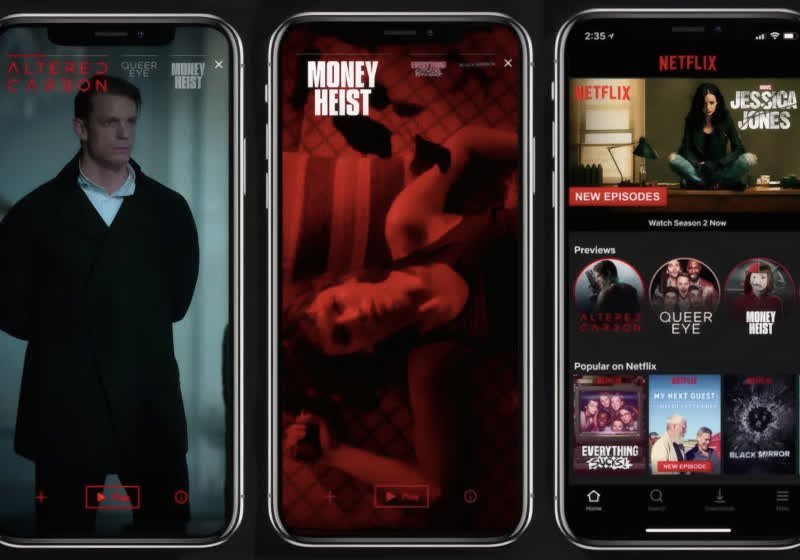
The broader context for this redesign is Netflix’s ongoing emphasis on vertical video and a mobile-first approach. In recent years, vertical video—content optimized for portrait viewing on smartphones—has become an increasingly important format for social media, companion screens, and on-the-go consumption. Netflix’s strategy appears to align with this trend by prioritizing mobile usability and visual presentation that naturally fits a vertical orientation. The company has been exploring various formats and interfaces to improve discovery, streaming efficiency, and content navigation on smaller screens, while aiming to preserve the high-quality experience users expect from its platform.
The forthcoming redesign is described by Netflix as a means to “iterate, test, evolve, and improve”—a framing that underscores a shift toward more modular development and continuous improvement. The update is expected to affect not only the aesthetic aspects of the app but also how features are launched, tested, and rolled out to users. By adopting a more flexible architecture, Netflix intends to shorten development cycles, enable more frequent updates, and respond to user behavior and preferences with greater agility.
The news of the redesign comes alongside ongoing investments in product excellence and user experience, which remain central to Netflix’s competitive strategy in a crowded streaming market. As subscribers increasingly install and rely on mobile apps for content discovery, viewing, and management, the ability to push incremental improvements without requiring large, disruptive releases can translate into smoother updates, reduced friction, and enhanced engagement over time.
While specific design details and feature sets for the redesign have not been disclosed in full, observers and analysts expect enhancements aimed at improving navigation, search, content discovery, and personalization within a vertical-video-centric interface. The goal is to create a more intuitive, efficient, and responsive mobile experience that aligns with how users typically interact with smartphones today.
In addition to its focus on mobile redesign, Netflix’s broader product strategy continues to emphasize personalization, faster content delivery, and a seamless cross-device experience. The company has historically prioritized high-quality streaming, curated recommendations, and adaptive streaming technologies. The upcoming app redesign represents another step in this ongoing effort to optimize how users find and enjoy content across devices, with a particular emphasis on the mobile experience where many users engage with Netflix on a daily basis.
Overall, the redesign signals Netflix’s intent to maintain momentum in a competitive streaming landscape by enabling continuous improvement and a more user-centric mobile experience. As the rollout proceeds, stakeholders will be watching for measurable outcomes in user satisfaction, engagement metrics, and retention rates, as well as how well the vertical-video approach resonates with the platform’s diverse audience.
In-Depth Analysis
Netflix’s decision to redesign its mobile app and pursue a more agile development framework marks a notable shift in how the company manages product updates. By stating that the redesigned app will permit the streamer to “iterate, test, evolve, and improve,” Netflix signals a commitment to a more accelerated and feedback-driven approach to software development. This aligns with broader industry trends toward continuous delivery and modular architectures, which can help large platforms stay responsive to user behavior and market shifts without undergoing lengthy, monolithic releases.
A mobile-first strategy is increasingly critical for Netflix as a growing share of its user base consumes content on smartphones and tablets. Vertical video formats are particularly well-suited to portrait-oriented screens and quick-cut viewing sessions that characterize many on-the-go moments. The redesign could integrate features that streamline discovery and viewing in vertical mode, potentially including touch-friendly navigation, faster loading times, and more prominent search and recommendation surfaces optimized for mobile use. By prioritizing mobile usability, Netflix aims to reduce friction for new and existing subscribers, helping to sustain engagement in an environment where users have numerous competing entertainment options.
From a technical standpoint, the emphasis on iteration and testability implies a more modular app architecture. Such a design would support A/B testing, feature flagging, and rapid rollback capabilities, enabling Netflix to assess how specific changes impact user behavior and system performance without subjecting the entire user base to unstable updates. This approach can lead to incremental improvements that accumulate over time, reducing the risk and cost associated with large, infrequent updates and the potential for major compatibility issues across devices and operating system versions.
The role of co-CEO Greg Peters in articulating the plan underscores the strategic importance Netflix assigns to product development agility. Peters has been involved in multiple aspects of Netflix’s operations, including product strategy and content decisions. His emphasis on iteration and improvement reflects a broader cultural shift inside the company toward data-informed decision-making, rapid experimentation, and a willingness to adjust the product based on observed user interactions and feedback loops.
However, this redesign also presents several challenges and considerations. First, any major mobile app overhaul must balance performance and battery consumption. New interfaces and features designed to facilitate testing and iteration could inadvertently increase resource usage, which would be unacceptable to users who expect smooth, efficient performance, especially during playback. Netflix will need to optimize for a wide range of devices, including older smartphones and those with limited processing power or memory, to avoid alienating segments of its audience.
Second, onboarding and user adaptation pose potential risks. A redesigned app can alter navigation paths and discovery flows, which may confuse long-time users accustomed to the existing interface. Netflix would need to implement gradual rollouts, clear in-app guidance, and robust support to minimize friction and maintain retention. Communicating the rationale for changes and providing easy pathways to feedback will be key to maintaining trust and engagement during the transition.
Third, the shift toward vertical video may influence content presentation and cultural expectations. While vertical formats can enhance mobile viewing, not all content translates seamlessly to portrait orientation. The company might need to invest in optimization strategies for different genres, including action-heavy or cinematic content where aspect ratio and framing are critical. Balancing vertical-first design with flexible viewing options could be essential to preserving content fidelity and user satisfaction across a diverse catalogue.
Fourth, the competitive landscape for streaming platforms remains intense. Competitors like Amazon Prime Video, Disney+, and others are also investing in mobile experiences, with varying degrees of emphasis on mobile-first design, personalized recommendations, and streamlined navigation. Netflix’s redesign could help differentiate its mobile experience by delivering a more responsive and test-driven product development process, but it will have to demonstrate clear value through measurable improvements in engagement, session duration, and subscriber retention.
The broader implications for Netflix’s product strategy include a potential normalization of frequent, smaller updates. Rather than waiting for quarterly or semi-annual feature releases, Netflix could deploy a series of micro-updates, each validated by user data. This approach can shorten feedback loops and enable the company to test niche features that target specific user segments, such as early adopters or power users, while still maintaining stability for the wider audience.
From a user experience perspective, the redesign presents an opportunity to refine content discovery and personalization pipelines. By leveraging data on viewing habits, device type, and interaction patterns, Netflix can tailor the mobile interface to surface relevant suggestions, optimize the placement of controls, and reduce the effort required to find and begin watching content. A smoother onboarding journey and more intuitive controls could contribute to higher take rates for new features and, ultimately, greater overall satisfaction with the platform.

*圖片來源:Unsplash*
Finally, the move to a more agile, testable mobile app can have ecosystem-level effects. Third-party developers and analytics partners may benefit from clearer instrumentation, enabling more precise measurement of user interactions and more reliable experimentation. This could lead to richer datasets and better-informed decisions about features, content curation, and marketing strategies. At the same time, Netflix must maintain a careful stance on data privacy and security as the app becomes more dynamic and datadriven, ensuring that experimentation does not compromise user trust or violate platform policies.
Overall, Netflix’s redesigned mobile app signals a strategic preference for adaptability and user-centered refinement. If executed effectively, the update could deliver tangible improvements in how users discover and enjoy content on mobile devices, while also supporting a culture of continuous improvement that helps Netflix stay competitive in a rapidly evolving streaming market. Observers will be watching closely to see how the redesign translates into real-world outcomes, including changes in engagement metrics, retention, and the propensity of users to adopt new features and participate in ongoing testing initiatives.
Perspectives and Impact
The redesign initiative reflects a broader industry trend toward continuous product evolution powered by data-driven experimentation. In a market where consumers can switch between streaming services with relative ease, maintaining an edge increasingly hinges on delivering a consistently refined and responsive user experience. Netflix’s emphasis on iteration and vertical video represents a deliberate attempt to align the product more closely with how modern mobile users interact with digital media.
From a content strategy standpoint, the mobile app redesign could influence how Netflix presents its catalog and recommends content. A more agile interface can accommodate frequent tweaks to sections like “Trending Now,” “Continue Watching,” and “Top Picks for You,” enabling a more dynamic personalization algorithm to surface relevant titles based on current viewing patterns. The vertical video emphasis may also affect promotional placements and artwork presentation, as thumbnails and trailers are optimized for portrait screens.
The user audience for Netflix is diverse, spanning various age groups, regions, and device configurations. A successful mobile redesign must balance the needs of casual viewers who expect quick access to popular content with power users who rely on precise search and granular controls. Accessibility considerations will be essential, ensuring that the redesign remains usable for people with visual, motor, or cognitive differences. Features such as scalable text, high-contrast modes, and intuitive gesture-based navigation can help ensure broad usability.
From a business model perspective, a more agile development approach can have cost implications. While frequent updates can improve user satisfaction and reduce churn, they also require ongoing investment in infrastructure, analytics, and quality assurance to maintain stability and performance. Netflix will need to manage development timelines, testing coverage, and release coordination across multiple mobile platforms and operating system versions. The company’s ability to measure the impact of each incremental change will be crucial for determining where to allocate resources and how to balance experimentation with core reliability.
The broader industry impact could include a shift in how competing services structure their own mobile apps. If Netflix demonstrates measurable gains from rapid iteration and a vertical-first interface, rivals may adopt similar strategies to enhance mobile engagement. This could lead to a new wave of mobile-centric design principles within the streaming sector, with publishers, device manufacturers, and app developers paying closer attention to how media consumption occurs on smartphones and tablets.
In the longer term, the redesign may influence Netflix’s product roadmap in meaningful ways. If the mobile experience proves effective at boosting engagement, it could prompt further investments in mobile-first features, such as offline viewing optimizations in limited bandwidth environments, more seamless cross-device synchronization, and improved integration of social and interactive features within the mobile app. Conversely, if the rollout reveals shortcomings—such as navigation complexity, slower response times, or reduced discoverability—Netflix may need to recalibrate its approach, refine implementation details, or revert certain aspects while preserving the benefits of a more modular, testable architecture.
The commitment to vertical video also aligns with broader media consumption trends, as portrait-oriented content and mobile-native experiences continue to gain traction. For Netflix, this could translate into more content formats optimized for vertical viewing, including trailers, behind-the-scenes clips, and interactive previews that engage users during short sessions. How the platform handles licensing, content rights, and technical constraints for vertical formats will be important considerations as the company scales this approach.
Ultimately, the redesign’s success will hinge on measurable outcomes. Netflix will likely monitor a combination of quantitative metrics—such as daily active users, session length, completion rates, search success, and feature adoption—as well as qualitative indicators gathered through user feedback and usability testing. A clear value proposition for the mobile redesign would be demonstrated if these metrics show improved ease of use, faster access to desired content, and higher satisfaction scores among a broad cross-section of users.
Key Takeaways
Main Points:
– Netflix is redesigning its mobile app to enable more rapid iteration, testing, evolution, and improvement.
– The update emphasizes vertical video and a mobile-first approach, reflecting changing user behavior.
– The redesign necessitates careful attention to performance, onboarding, and accessibility to avoid alienating users.
Areas of Concern:
– Potential increases in resource use and impact on battery life.
– Risks related to user confusion or disruption during the transition.
– Balancing vertical-first design with content fidelity across genres.
Summary and Recommendations
Netflix’s plan to redesign its mobile app signals a strategic shift toward accelerated, data-driven product development with a stronger emphasis on vertical video. By enabling more rapid iteration and testing, Netflix aims to stay ahead in a competitive streaming landscape where mobile engagement is increasingly critical. The move has the potential to improve discovery, personalization, and overall user satisfaction if implemented thoughtfully, with a focus on performance, accessibility, and clear communication to users about changes.
For stakeholders and teams within Netflix, the following recommendations can help maximize the positive impact of the redesign:
– Prioritize performance optimization and battery efficiency in the new mobile interface, especially for devices with lower hardware capabilities.
– Implement a phased rollout with robust in-app tutorials, contextual guidance, and easy pathways for user feedback to minimize onboarding friction.
– Maintain flexibility in the UI to accommodate both vertical-first content presentation and the traditional landscape viewing for content where aspect ratio is essential.
– Use feature flags and A/B testing to isolate the impact of individual changes on engagement, retention, and satisfaction metrics.
– Monitor key metrics closely after deployment, including content discovery efficiency, time to first play, session length, and repeat usage rates.
– Ensure strong accessibility support and inclusive design across all mobile devices and regions.
– Communicate transparently with users about ongoing updates, seeking feedback to refine future iterations.
In conclusion, Netflix’s redesigned mobile app represents a strategic initiative to improve agility, enhance the mobile user experience, and capitalize on the growing prominence of vertical video. If the rollout delivers tangible benefits without compromising performance or user trust, the update could set a new standard for streaming apps and influence how the industry approaches mobile-first product development in the years ahead.
References
- Original: https://www.techspot.com/news/111009-netflix-redesign-mobile-app-pushes-further-vertical-video.html
- Additional context: Industry commentary on mobile-first design, vertical video trends, and continuous delivery in large-scale apps
- Related sources:
- Analysis on mobile app redesign strategies and A/B testing best practices
- Reports on vertical video adoption in streaming and social platforms
Forbidden:
– No thinking process or “Thinking…” markers
– Article starts with “## TLDR” per requirements

*圖片來源:Unsplash*