TLDR
• Core Points: Poetcore blends warm textures, vintage touches, and contemplative objects to evoke poetry in living spaces.
• Main Content: Nine actionable decor ideas—layered textures, bookish accents, muted palettes, personal mementos, ambient lighting, artful walls, nature-inspired elements, cozy seating, and purposeful organization—create a literary atmosphere.
• Key Insights: Aesthetic centers on storytelling through objects, tactility, and quiet color; balance between heritage and modernity sustains readability of space.
• Considerations: Scale and maintenance matter; avoid clutter by curating a focused collection of meaningful pieces.
• Recommended Actions: Audit your current decor, select a poetcore focal point, and gradually introduce texture, literature-inspired accents, and soft lighting.
Content Overview
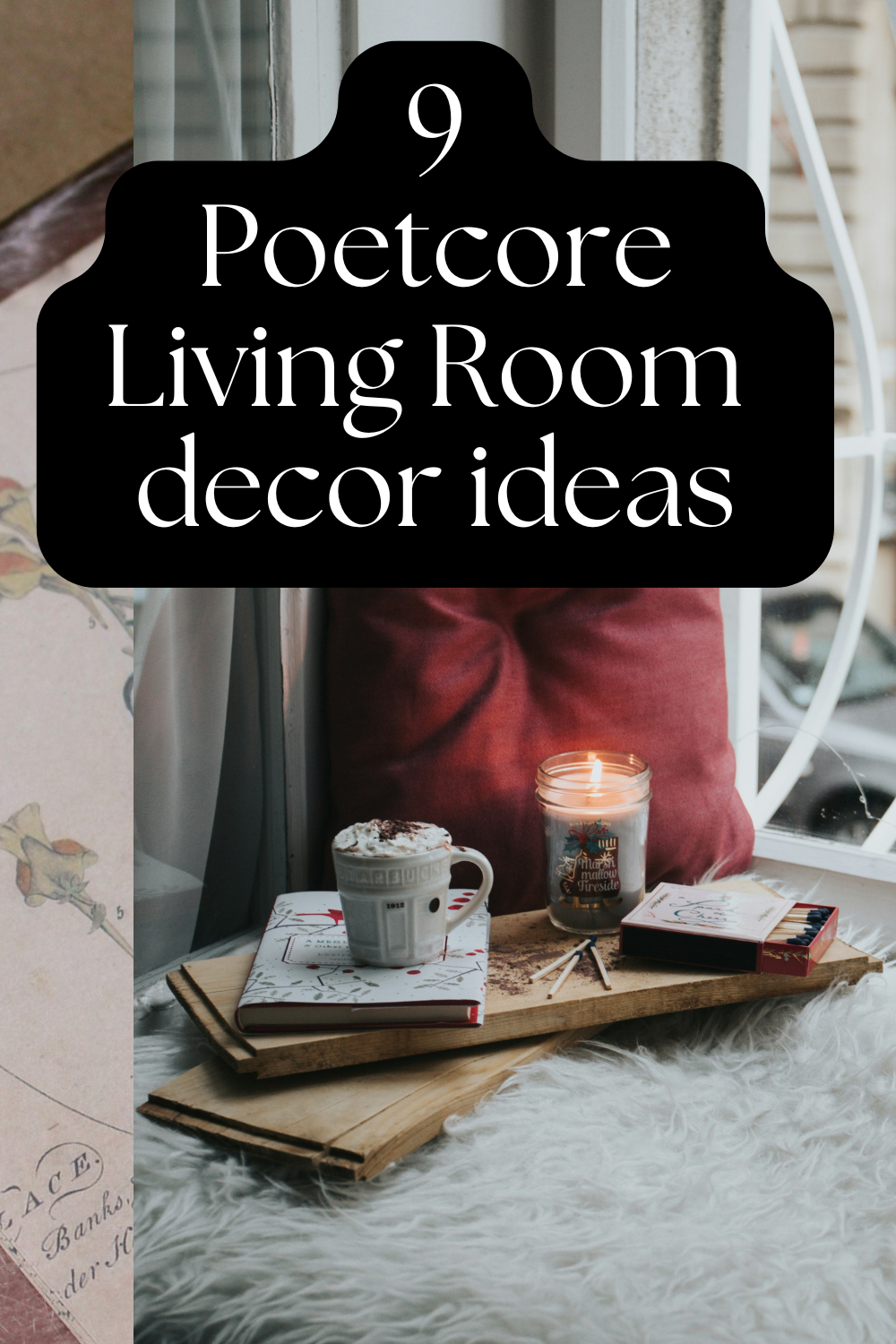
Poetcore living room décor is a design philosophy that invites spaces to feel like poetry—warm, reflective, and inhabited by ideas. The concept emphasizes narrative through everyday objects, textures, and arrangements that encourage lingering, reading, and contemplation. Although rooted in literary sensibility, poetcore remains practical for modern homes, balancing comfort with an artful, storytelling-driven aesthetic. This article outlines nine concrete ideas to help homeowners craft a living room that echoes poetic mood and intellect without sacrificing practicality or cohesion.
The foundation of poetcore rests on creating a warm, inviting environment. The living room becomes a page where memory, literature, and day-to-day life intertwine. By paying attention to materials, color, lighting, and display choices, you can cultivate a space that feels thoughtful, intimate, and uniquely yours. The approach avoids ostentation in favor of quiet detail—soft textures, vintage and handmade pieces, cherished books, and art that invites pause. With intention, a living room can reflect a personal library, a memory-filled retreat, and a comfortable hub for conversations that drift into literature, philosophy, and imagination.
Below are nine strategies that translate literary vibes into tangible décor, along with practical tips to implement them in a real-world setting.
In-Depth Analysis
1) Layered Textures and Warm Materials
A poetcore living room prioritizes tactile richness. Mix fabrics such as linen, wool, boucle, velvet, and cotton to create depth on sofas, chairs, and throws. Rich textures invite touch and comfort, which is central to a space that encourages lingering and reading. Earthy wood tones, stone, and ceramic surfaces further ground the room and provide a natural canvas for storytelling through objects. Use a combination of soft furnishings—gentle cushions, throws, and a rug with a subtle pattern—to establish a cocoon-like atmosphere. The idea is not to overwhelm with texture but to orchestrate a harmony that feels both lived-in and thoughtful. Consider natural partitions or open shelving to display a rotating selection of books, plants, and artisanal objects that change with seasons or mood.
2) Bookish and Literary Accents
Books are the lifeblood of poetcore. Beyond merely stacking shelves, curate a display that honors your reading journey. Arrange books by color, height, or theme to create a gallery-like backdrop. Integrate elegant bookends, vintage zakka-style trinkets, or handmade bookmarks as decorative elements. Use a few favorite titles front-and-center to signal the space’s literary intent. Consider creating a dedicated reading nook with a comfortable chair, a small side table, and a focused light so reading becomes a ritual rather than a task. If possible, preserve some worn, beloved volumes with leather bindings or antique dust jackets to evoke a sense of history and storytelling tradition.
3) Muted, Thoughtful Color Palettes
Poetcore favors soft, contemplative color schemes. Think warm neutrals—creamy whites, warm beiges, stone grays—and gentle earthy tones like sage, taupe, and terracotta. These hues provide a quiet backdrop that allows textures, patterns, and books to take center stage. Avoid stark contrasts or overly bright accents that disrupt the room’s reflective mood. When introducing color, do so with small, considered pops: a cushion, a throw, or a piece of art that carries a literary or poetic cue. The goal is cohesion, where color acts as a subtle whisper rather than a shout.
4) Personal Mementos and Symbolic Objects
In poetcore, personal artifacts carry narrative weight. Display items that tell a story or evoke memory: a travel postcard collection, antique photograph frames, handwritten letters, or a vintage typewriter that doubles as sculpture. These pieces function as tangible anecdotes that add depth to the space. The key is curation: select items with meaning and arrange them in a way that creates a cohesive micro-narrative across shelves, side tables, and mantels. Rotate items seasonally to keep the room feeling fresh while preserving its core literary essence.
5) Ambient and Narrative Lighting
Lighting shapes mood and readability in a poetcore room. Use layered lighting to create zones for reading, conversation, and contemplation. A combination of warm overhead light, soft floor lamps, and table lamps with fabric or paper shades fosters a gentle, dreamlike glow. Consider adjustable lighting that can shift from bright for reading to dim for reflection. Decorative lighting elements—an antique lantern, a sculptural lamp, or string lights subtly arranged—add a sense of atmosphere without overpowering the space. Light should invite relaxation and reading rather than serve as a spotlight for display pieces.
6) Artful Walls and Quiet Gallery Walls
Walls in a poetcore living room act as a backdrop for narrative rather than a hang-all for decor. Choose art that resonates with literary themes—exquisite line drawings, abstract works with lyrical flow, or photographic studies of libraries, rivers, or forests. Frame a small selection of poems, favorite quotes, or calligraphic prints to create a gallery that feels intimate and considered. Avoid overcrowding; instead curate a few strong pieces that dialogue with the room’s color palette and texture. The wall should whisper rather than shout, contributing to the room’s reflective mood.
7) Nature-Inspired Elements
Nature imagery grounds a poetcore space in earthly reality while supporting a contemplative mood. Integrate houseplants with sculptural forms, dried botanicals, or botanical prints. A terrarium or a lush fern can soften corners and add life without distracting from the literary focus. Scented elements—such as subtle botanical candles or a small vase of fresh flowers—can enrich the sensory experience, reinforcing the sense of a living, breathing space. When selecting natural accents, consider materials with organic textures and muted tones to maintain harmony with the overall palette.
8) Cozy, Purposeful Seating
Seating should invite long conversations and quiet reading alike. Prioritize comfort and intimacy over a showroom aesthetic. A deep sofa with a generous presence, a pair of comfortable armchairs, and a small, accessible coffee table support daily rituals of reading and conversation. Arrange seating to encourage eye contact and easy flow, with clear sightlines to natural light and book shelves. Add a soft rug to define the seating area and help absorb sound, enhancing the room’s contemplative ambience. Small side tables for tea, notebooks, or a journal encourage readers to linger.

*圖片來源:Unsplash*
9) Intentional Organization and Thoughtful Displays
Poetcore is as much about order as it is about mood. Clear, purposeful organization supports a calm, cognitive space that invites reflection. Establish zones for reading, display, and conversation. Use baskets or bins to conceal clutter while keeping essential items within reach. Rotate decorative objects and books periodically to keep the room fresh without losing its cohesive voice. A tidy but lived-in arrangement fosters a sense of control and ease that aligns with the poetic temperament of the space.
Perspectives and Impact
Poetcore living room décor reflects a broader design movement that values storytelling and sensory richness over maximalism. It recognizes that spaces influence mood and thought, and it seeks to create environments that nurture imagination and quiet contemplation. This approach can influence how people experience daily life—turning the living room into a stage for reflection, a personal library, and a retreat from the bustle of modern life.
From a practical perspective, poetcore is highly adaptable. It can be implemented in compact apartments as well as larger homes by focusing on proportional balance, lighting layers, and a disciplined curation approach. The key is intentionality: every object should justify its place in the room beyond mere decoration. This mindset resonates with broader design trends that prioritize sustainability, craftsmanship, and personal storytelling, suggesting that the poetcore aesthetic may evolve alongside values that favor meaningful, well-crafted interiors.
Future implications include a growing interest in hybrid spaces that blend literature, art, and daily living. As people increasingly seek calm, meaningful environments, poetcore offers a framework to weave reading culture into everyday life. It also invites ongoing experimentation with display formats—vertical libraries, modular shelving, and multi-purpose furniture—that support a flexible, writerly living space.
Key Takeaways
Main Points:
– Poetcore centers on warmth, texture, and narrative through carefully chosen objects and display.
– Books, art, and personal mementos act as storytelling devices that define the space.
– A muted, cohesive color palette underpins the contemplative mood and readability.
Areas of Concern:
– Risk of clutter if curation is not disciplined.
– Over-focusing on vintage elements can make a space feel dated; balance with modern touches.
– Lighting must be layered to avoid a space that is either too dim for reading or too bright for reflection.
Summary and Recommendations
To achieve a poetcore living room, begin with a clear concept: a space that feels like a living poem—warm, thoughtful, and personal. Start by establishing a quiet color base of warm neutrals and soft earthy tones. Layer textures through textiles like linen, wool, and velvet, and introduce a curated book collection that doubles as art. Incorporate personal items that tell meaningful stories, ensuring each piece contributes to a cohesive narrative. Implement lighting that supports reading and reflection, combining overhead, ambient, and task lighting to create zones of mood and function. Populate walls with a few select pieces that echo literary themes and avoid visual noise. Bring in nature through plants and organic materials to anchor the space in the natural world. Finally, design seating that fosters intimate conversation and comfortable reading, with clear organization that reduces clutter.
With mindful curation and steady attention to texture, color, and narrative, a living room can become a poetcore sanctuary—an environment where words, memory, and daily life converge in a serene, enduring aesthetic.
References
- Original: https://abeautifulspace.co.uk/poetcore-living-room-decor-9-ideas-for-a-literary-aesthetic/
- Additional references:
- https://www.apartmenttherapy.com/poetcore-decor
- https://www.housebeautiful.com/room-decorating/poet-ambience-lit-lounges
- https://www.designsponge.com/poetic-interiors-guide
Forbidden:
– No thinking process or “Thinking…” markers
– Article must start with “## TLDR”
The rewritten article above preserves the core ideas of a poetcore living room while expanding into a full, coherent English piece with an objective, informative tone.

*圖片來源:Unsplash*