TLDR
• Core Points: DHS and ICE personnel increasingly maintain LinkedIn profiles despite fears of exposure; political rhetoric treats identity disclosure as criminalized, creating tension between transparency and safety.
• Main Content: Public professional profiles collide with safety concerns, prompting debate over privacy, security, and ethical considerations.
• Key Insights: Organizational culture, whistleblower protections, and public accountability shape how agents engage with social platforms.
• Considerations: Policy gaps, potential for misidentification, and the broader impact on recruitment and morale.
• Recommended Actions: Clarify disclosure policies, strengthen privacy safeguards, and monitor for misuse while maintaining transparency.
Content Overview
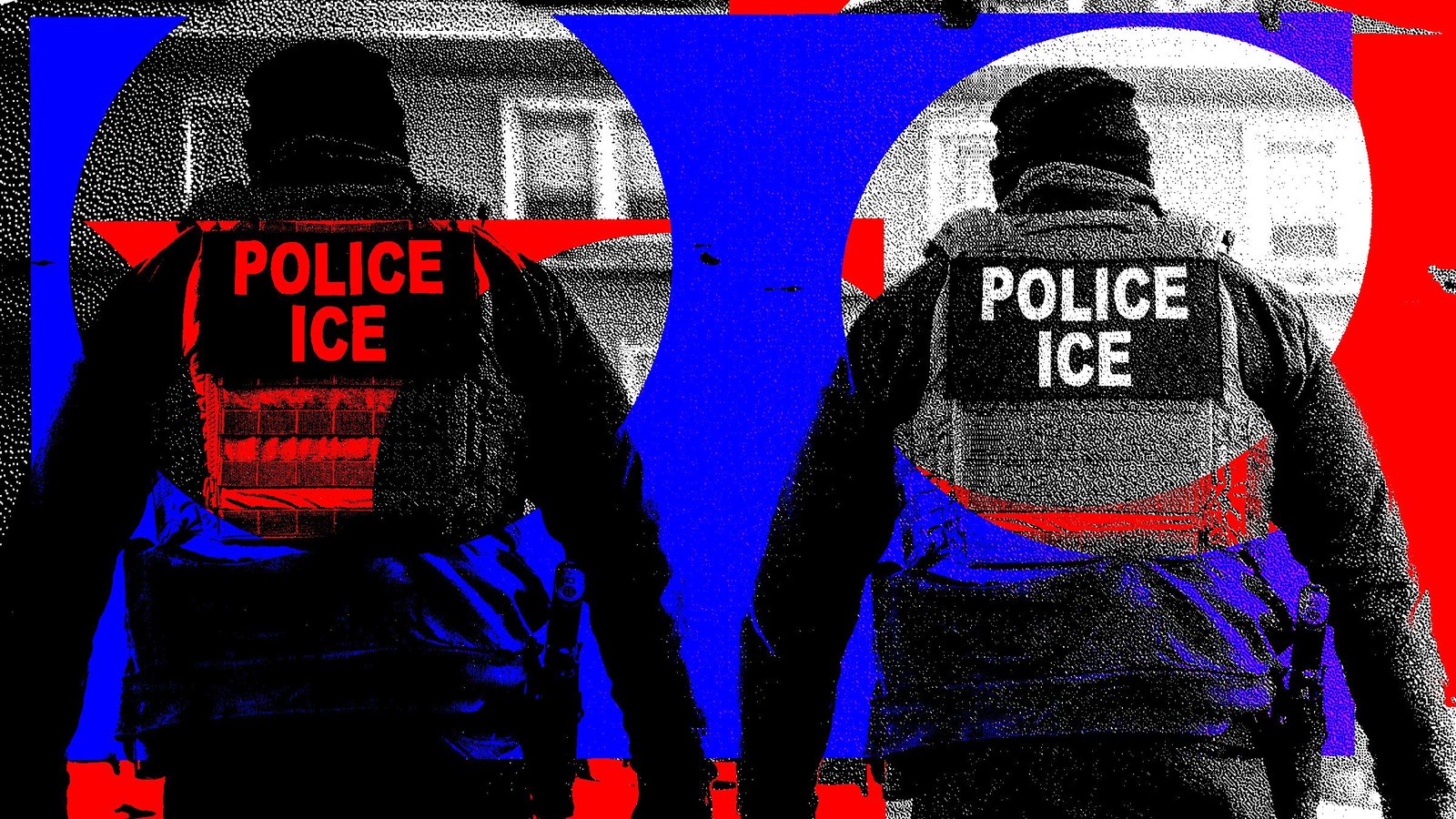
The debate over whether federal agents should publicly reveal their identities has intensified in recent years. Some lawmakers and advocates argue that disclosure fosters accountability and public trust; others warn that making agents easily identifiable could compromise safety, jeopardize investigations, or deter individuals from seeking federal employment. The tension is particularly salient for personnel at the Department of Homeland Security (DHS) and Immigration and Customs Enforcement (ICE), agencies frequently at the center of political controversy and public scrutiny.
In this context, several ICE and DHS employees have chosen to create or maintain professional profiles on LinkedIn and similar networks. These platforms offer a way for agents to present their roles, responsibilities, and expertise to the public, donors, and potential colleagues. They can also function as recruitment tools, enabling the agencies to highlight career pathways within a challenging field. Yet the act of publicizing one’s affiliation with federal law enforcement can expose individuals to online harassment, doxxing, or misrepresentation. It raises practical questions about how much personal and professional information should be shared, and under what circumstances, if any, disclosure is appropriate.
The political atmosphere around immigration enforcement compounds these questions. Some political figures have criticized the visibility of ICE personnel, suggesting that making agents’ identities easy to find could endanger them or their families. In certain cases, lawmakers have proposed or threatened legal penalties for identifying agents, framing such disclosures as a crime. This rhetoric introduces an additional layer of risk for agents who choose to maintain a public profile and for the organizations that encourage transparent career pathways.
This article does not advocate for a particular policy position; rather, it seeks to illuminate the complexities of public exposure for ICE and DHS staff, the potential consequences of doxxing, and the range of responses that agencies and individuals might consider. It also examines how the existence of public profiles intersects with broader questions about government transparency, accountability, and the safety of public servants who enforce contested laws.
In weighing the decision to publicize professional identity, several factors come into play. On one hand, public profiles can enhance legitimacy and allow the public to understand the qualifications and scope of enforcement work. On the other hand, they can increase vulnerability to online threats, doxxing campaigns, or targeted harassment. The balance between these considerations is nuanced and must account for the diverse roles within ICE and DHS, from frontline investigators to policy and administrative staff.
The underlying issue also concerns how federal agencies manage communications about personnel. If profiles are used responsibly, they can provide useful context about the mission and operations of the agencies, while limiting sensitive or operational details. If mismanaged, however, such profiles could inadvertently reveal tactical information or blur boundaries between official communication and personal expression.
In this environment, policy guidance, internal controls, and counter-doxxing measures become important. Agencies may need to delineate what information is appropriate to share publicly, how to handle inquiries related to personnel, and how to respond to threats or misuse. For individual employees, ongoing awareness of online safety best practices, privacy settings, and the potential impact of public disclosures on family or colleagues is essential.
This topic also intersects with recruitment and morale. Public visibility can attract candidates who value transparency and mission alignment; it can also deter applicants who fear for their safety or who are concerned about political backlash. Organizations must weigh these factors when designing workforce branding and outreach strategies.
In summary, the existence of public professional profiles among ICE and DHS personnel illustrates a broader conversation about transparency, safety, and accountability in government, particularly in domains that are politically charged. The situation underscores the need for clear policies, robust privacy and security measures, and thoughtful leadership to navigate the delicate balance between openness and protection for public servants.
In-Depth Analysis
The act of publicly identifying government employees has long been a point of contention. Proponents of transparency argue that when agencies showcase the expertise and backgrounds of their personnel, they enable the public to better understand the enforcement landscape, the qualifications involved, and the legitimacy of the agency’s work. In the case of ICE and DHS, public profiles could help communicate the scope of investigations, the follow-through of due process, and the complexity of immigration enforcement in a modern, multi-jurisdictional environment. For researchers, journalists, and civil society advocates, such transparency can support accountability by providing verifiable information about who is working on specific programs, the kinds of cases handled, and the career trajectories within the enforcement apparatus.
However, there is a flip side to this coin: the safety risks associated with public disclosure. Doxxing—the publication of private or identifying information with the intent to harass or threaten—poses tangible dangers. Even when profiles are limited to professional details, the potential for doxxing remains, particularly in the high-stakes arena of immigration enforcement where public sentiment can be highly polarized. The possibility of misidentification is another concern. In complex investigations, individuals may interact with many agents across different offices and roles. A public profile that links to a specific case or operation could inadvertently reveal sensitive information or create confusion if the person’s role is misunderstood.
Regulatory and policy frameworks surrounding public disclosure of federal employees’ identities vary. Some agencies maintain guidelines about what can be publicly shared, how to handle inquiries, and how to respond to threats. Others lack comprehensive, uniformly applied policies, leaving individual officers or staff to navigate the boundary between professional representation and personal safety on their own. The absence of a universal standard creates inconsistency across the workforce and increases the risk that profiles could reveal more than intended, or that individuals withdraw from public-facing communications due to fear of harassment.
The political dimension cannot be ignored. Immigration policy remains a highly contested arena in American politics. When policymakers threaten to criminalize the exposure of agents’ identities or condemn media and public reporting that highlights personnel, it adds a chilling effect. Agents may self-censor or avoid engaging with media, stakeholders, or the public. This can hinder the agency’s ability to explain its work, justify its priorities, or report on successes and challenges. It can also complicate recruitment, as potential applicants weigh the risks of being publicly associated with a controversial agency in a charged policy environment.
From a workforce perspective, the decision to maintain a public profile involves trade-offs. For some, public visibility is a professional asset—an opportunity to network, recruit, and demonstrate expertise. For others, it is a liability that could expose family members to risk or invite targeted harassment. Agencies need to recognize this diversity in risk tolerance and provide appropriate protections and accommodations. This includes clear guidance on privacy settings, the handling of personal data, and support mechanisms for employees who face online threats or abuse.

*圖片來源:Unsplash*
Operationally, the use of public profiles must be managed to prevent inadvertent disclosures that could affect investigations. For example, even seemingly innocuous information, such as a profile’s stated duties or a description of a particular unit, could be interpreted by adversaries in ways that hamper ongoing work. Agencies should consider implementing restrictions on operationally sensitive details, while still allowing staff to present their credentials and work history in a way that is informative but not compromising.
The broader implications for civil liberties and public accountability are complex. Public exposure of federal personnel intersects with the right of the public to understand how enforcement is carried out and who is responsible for it, while also protecting the privacy and safety of individuals who serve in roles that are often controversial by nature. Balancing these competing considerations requires thoughtful policy design, ongoing stakeholder engagement, and mechanisms for monitoring and addressing abuses.
One potential path forward involves tiered levels of disclosure. For example, early career professionals could share foundational information about roles and areas of focus, while more senior personnel or those involved in sensitive operations might opt for more restricted profiles. Another approach is to implement standardized, agency-wide guidance that clearly defines what is permissible to disclose publicly, how to handle inquiries, and how to respond to cyber threats or harassment. Training programs on online safety, privacy settings, and responsible social media use could be integrated into onboarding processes and ongoing professional development.
Organizations could also enhance accountability by establishing formal channels for reporting abuse or improper conduct online, with clear procedures for investigation and remediation. By providing robust support for employees who face online threats, agencies can reduce the deterrent effect of public exposure and encourage responsible, transparent engagement where appropriate. This support might include legal resources, cybersecurity services, mental health resources, and clear lines of communication for reporting harassment or doxxing attempts.
Moreover, the public-facing narratives crafted by ICE and DHS personnel can influence public perception and trust. When agents are visible and articulate their experiences and qualifications in a responsible manner, it can humanize the enforcement process and foster understanding of the complexities involved in immigration policy. Conversely, if public visibility is perceived as risky or mismanaged, it can erode trust and reinforce a sense of secrecy surrounding enforcement activities. The challenge is to cultivate a communications approach that is transparent without compromising safety or operational integrity.
Future implications for the field involve evolving norms around public professional profiles. As digital platforms continue to mature and as new privacy technologies and checks emerge, there may be more sophisticated ways to balance visibility and security. For ICE and DHS, this could mean adopting standardized profiles that emphasize professional credentials and public-service commitments while limiting personal identifiers, or deploying centralized communications channels that present consistent information about personnel and programs. The dynamic nature of online engagement means that policy and practice will need to adapt as threats evolve and as public expectations around government transparency shift.
Perspectives and Impact
From a civil liberties viewpoint, the practice of doxxing public servants is concerning. Even when information shared on professional networks is accurate and intended for legitimate purposes, it creates a pathway for individuals with extremist or criminal motives to target a person’s private life. The risk is not only to agents but to their families and colleagues who may inadvertently become collateral damage in online campaigns. The potential for violence, intimidation, or reputational harm underscores the need for robust protective measures and careful consideration of what is appropriate to share publicly.
Security researchers and privacy advocates may argue for stricter controls on what can be publicly linked to a government employee, particularly in enforcement domains that attract heated political debate. They may propose privacy-by-default policies, greater separation between personal and professional digital footprints, and enhanced training on digital security practices. On the other side, proponents of transparency contend that public servants owe accountability to the citizenry and that openness about who enforces laws and how they do so can improve governance and legitimacy.
Lawmakers and policy makers face a nuanced calculus. They must weigh the benefits of visibility against realistic safety risks. Policymaking in this space could involve clarifying what constitutes disallowed disclosures (for example, doxxing, doxxing facilitation, or publicizing sensitive operational details) and establishing penalties for individuals or platforms that facilitate such activities. It might also entail supporting public-interest journalism that responsibly documents the human elements of immigration enforcement without compromising security or safety.
For the workforce, the implications are practical. Clear, consistent policies help employees understand their rights and responsibilities. Training on digital literacy, privacy hygiene, and risk assessment can empower staff to make informed decisions about whether to maintain public profiles and how to manage their information online. Support structures for those who face threats or harassment should be accessible and effective. Such measures contribute to a healthier workplace culture, where professionals feel valued and protected when engaging with the public in professional capacities.
The long-term impact extends to recruitment and retention. If the public-facing model remains ambiguous or perceived as unsafe, potential applicants—especially those who value open government and professional integrity—might hesitate to join the agencies. Conversely, a thoughtfully designed system that prioritizes safety while enabling legitimate transparency could attract candidates who are comfortable with public accountability and who view strong communications as a core part of public service.
Key Takeaways
Main Points:
– Public professional profiles by ICE and DHS personnel raise questions about transparency, safety, and accountability.
– The risk of doxxing and targeted harassment complicates the decision to share identify-related information publicly.
– Policy guidance and organizational support are critical to balancing openness with personal and operational security.
Areas of Concern:
– Inconsistent policies across agencies and units.
– Potential misidentification or leakage of sensitive operational details.
– Chilling effects on recruitment and public engagement due to safety fears.
Summary and Recommendations
The question of whether ICE and DHS personnel should publicly reveal their affiliations on professional networks sits at the intersection of transparency, safety, and political sentiment. While public profiles can enhance legitimacy, humanize law enforcement work, and aid recruitment, they also expose individuals to real risks in the digital age. The current landscape indicates a need for clearer, more consistent policies that define what is appropriate to disclose, how to manage online presence, and how to respond to threats and harassment.
Recommendations for policymakers and agency leaders include:
– Develop and publish uniform guidelines on public professional disclosures for DHS and ICE personnel, including allowed content, privacy practices, and risk mitigation.
– Implement tiered disclosure options that accommodate different roles and risk profiles, with more restricted visibility for sensitive positions.
– Strengthen support mechanisms for employees who face online threats, including cybersecurity resources, legal counsel, and mental health support.
– Invest in training for staff on digital hygiene, privacy settings, and responsible engagement on professional networks.
– Create centralized oversight for public-facing personnel profiles to ensure consistency, accuracy, and security considerations.
By pursuing these steps, agencies can strive for a balance that honors public accountability and transparency while safeguarding the safety and well-being of the individuals who guard immigration policy and enforcement. The dialogue around this issue reflects broader tensions in modern governance: how to remain answerable to the public while protecting those who perform high-stakes, often unpopular work.
References
– Original: https://www.wired.com/story/ice-agents-are-doxing-themselves/
– Additional references to be added (2-3), drawing on policy discussions, privacy and security considerations in public sector personnel engagement, and related commentary on doxxing and public-facing profiles in government contexts.

*圖片來源:Unsplash*