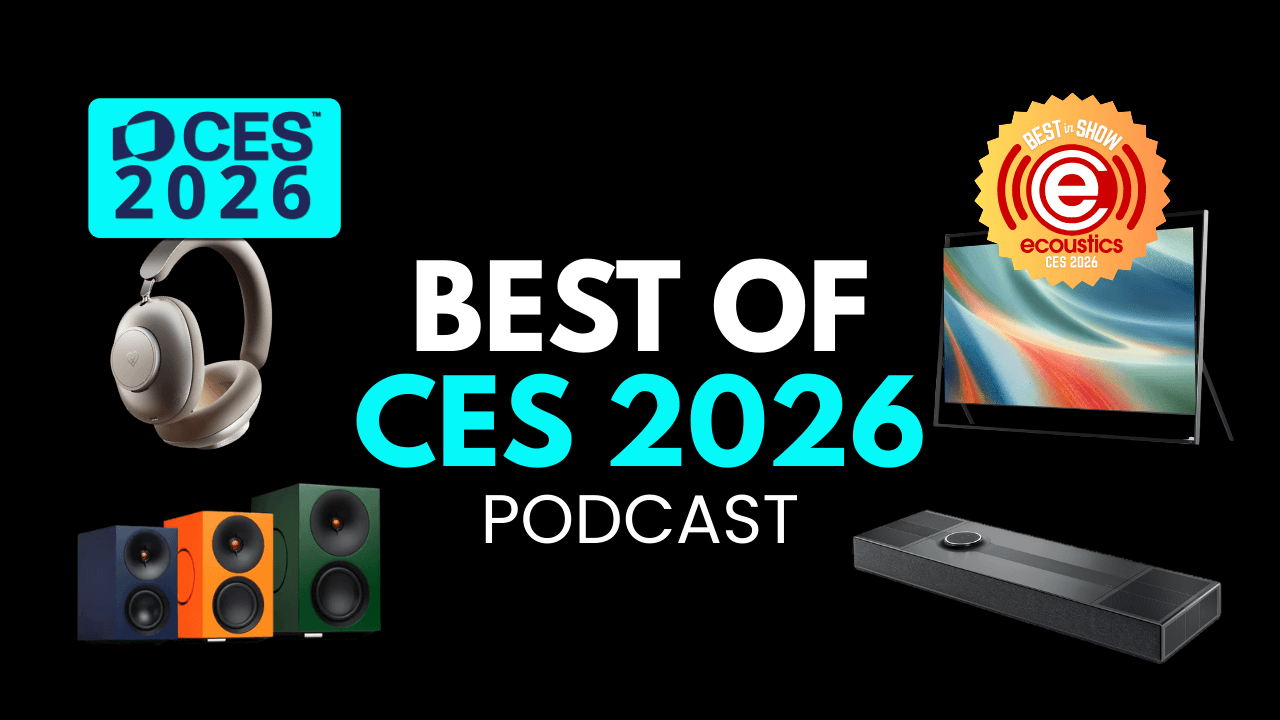
TLDR
• Core Points: CES 2026 showcased leading advances in soundbars, wireless speakers, TVs, and projectors, emphasizing immersive audio, display quality, and smart integration.
• Main Content: The live stream podcast from eCoustics analyzes standout products and trends from CES 2026 in Las Vegas, offering insights on performance, design, and value.
• Key Insights: The event highlighted improved room-filling sound, advanced HDMI/HDMI-ARC/eARC capabilities, and brighter, more color-accurate displays, with a tilt toward AI-assisted tuning and ecosystem compatibility.
• Considerations: Consumers should weigh setup complexity, compatibility with existing gear, service/app requirements, and price-to-performance balance across brands.
• Recommended Actions: Review updated receiver and speaker ecosystems, test new processing and room calibration features, and compare display technologies across the top contenders before purchase.
Content Overview
The CES (Consumer Electronics Show) in Las Vegas consistently serves as a bellwether for what’s next in home entertainment technology. The 2026 edition did not disappoint, delivering a wide array of innovations across soundbars, wireless speakers, televisions, and projectors. The eCoustics team joined a crowded floor of manufacturers and journalists to examine what stood out—from more powerful and precise sound to brighter and more color-accurate displays, and from smarter integration to more user-friendly experiences.
In this podcast, the editors provide a structured take on the best products and the most impactful trends observed at CES 2026. They weigh performance, design, value, and practicality, with attention to how these devices fit into real-world living spaces. The discussion balances enthusiasm for new capabilities with a pragmatic eye on setup complexity, compatibility, and long-term usability. Throughout, the emphasis is on how advances in audio processing, display technology, and smart features translate into tangible improvements in home cinema, gaming, and everyday media consumption.
The overarching themes include: better room-filling sound from compact or aesthetically refined form factors; improvements in display brightness, contrast, and color fidelity, including high dynamic range and wide color gamut; smarter sound calibration and room optimization aided by more accessible software and sensing technologies; and an ecosystem approach where devices work coherently across brand lines through standardized connections and platforms. The podcast also considers price ranges, expected reliability, and the practical considerations consumers face when upgrading their home entertainment stacks.
In-Depth Analysis
CES 2026 reinforced a trend toward compact, aesthetically minimal sound reinforcement that does not compromise bass and spatial accuracy. Several manufacturers demonstrated soundbars with multi-driver configurations and sophisticated digital signal processing (DSP) that can emulate multi-speaker setups in larger rooms. The best-in-class models delivered clear dialogue, expansive width and height cues, and even some degree of perceived surround without a dedicated rear speaker array. Notably, several systems supported high-bandwidth audio formats and feature-rich processing pipelines, including dynamic range management, object-based audio decoding, and adaptive room calibration. The result is a more convincing cinematic experience from a single bar or a compact speaker array, which remains a highly desirable proposition for living spaces with limited room to accommodate multiple speakers.
Wireless speakers at CES 2026 demonstrated that the line between portable Bluetooth devices and room-filling audio systems is increasingly blurred. High-output wireless speakers offered strong low-end performance, robust battery life, and multi-room capabilities. A growing number of models integrated Wi-Fi, Bluetooth, and sometimes proprietary mesh networking to maintain stable streaming across multiple rooms. The integration with voice assistants and smart home platforms continued to improve, making these devices easier to control and synchronize with other home electronics.
Televisions showcased at CES 2026 pushed brightness and color accuracy to new heights, with several models featuring mini-LED or microLED backlighting, high peak brightness, and improved HDR performance. The display quality improvements were complemented by more sophisticated processing engines capable of upscaling content, smoothing motion without introducing artifacts, and delivering consistent color across wide viewing angles. The adoption of HDMI 2.1 features—high frame rate support, enhanced audio return channel (eARC), and variable refresh rates—was as prominent as ever, underscoring a continued push toward gaming-friendly and cinema-grade experiences within the living room.
Projectors, including both traditional lamp-based and solid-state light source designs, offered compelling options for home theaters and dedicated media rooms. Innovations centered around brightness efficiency, lamp-life longevity, and more compact form factors without sacrificing image clarity. Some models leveraged advanced color accuracy and improved lens hardware to deliver large images with minimal color distortion and keystone issues. The convergence of projector tech with streaming services and smart home platforms suggests a future where large-screen experiences are accessible without requiring a dedicated media room.
Beyond specific products, the episode highlights several macro trends shaping the market. First is the ongoing refinement of room calibration and sound optimization software. Modern systems increasingly rely on intelligent analyzers and room-mitting features that tailor performance to the user’s space, often with minimal manual input. Second is the emphasis on ecosystem compatibility. Viewers are not only buying devices but constructing interoperable networks that function across brands, connected through common standards and robust smart-home integration. Third is a focus on value, as manufacturers strive to deliver premium experiences without exorbitant prices, using more efficient components and smarter processing to extract peak performance from mid-range hardware.
However, the podcast also notes potential caveats. Many of the most impressive setups require frequent software updates and access to online services, which can raise concerns about long-term reliability and privacy. Some products rely heavily on proprietary apps or cloud-based tuning tools, which may complicate setup or limit flexibility for users who prefer a more device-centric approach. Finally, while performance improves can be striking, the complexity of these systems can vary; new buyers must navigate features such as automatic calibration, voice control, streaming platform compatibility, and the nuances of audio formats.

*圖片來源:Unsplash*
The editors conclude that CES 2026 did not merely present incremental updates; it showcased a broader shift toward smarter, more capable, and more accessible home entertainment systems. The best gear combines high fidelity with ease of use, scalable from compact soundbars to immersive multi-channel arrangements, and paired with displays that deliver vivid, nuanced visuals. Buyers are advised to consider the total ecosystem, not just a single device, ensuring that future upgrades can be integrated smoothly.
Perspectives and Impact
The innovations highlighted at CES 2026 carry implications beyond immediate consumer preferences. First, manufacturers are aligning their audio and video hardware with room analytics and AI-driven tuning that democratize high-fidelity listening experiences. This democratization could reduce the need for expert room setups, especially for casual listeners who still demand clear dialogue, convincing ambient sound, and a cinematic feel. Second, the push toward higher-brightness, more color-accurate displays with improved HDR capabilities will push content creators and streaming platforms to lock in standards that exploit these enhancements. This alignment can raise expectations for future media and broaden access to high-end home entertainment.
From a market perspective, price pressure remains a defining force. While premium models push the envelope, many brands are targeting mid-range segments with compelling value propositions. The balance between performance and cost will determine how quickly consumers adopt these technologies across households with varying budgets. Third, the growing importance of ecosystem compatibility suggests that brands may increasingly support cross-brand interoperability to keep consumers in a given “home theater” network, rather than locking users into a single brand’s lineup. This trend could influence product design decisions, software update strategies, and the emphasis on standard protocols and compatibility guarantees.
In terms of future implications, the CES coverage implies a trajectory toward more seamless and less obtrusive home theater experiences. Consumers can anticipate better-calibrated audio that adapts to room acoustics, more lifelike imagery on large displays, and fewer compatibility headaches when integrating multiple devices. The industry’s ongoing focus on AI-assisted tuning and user-friendly interfaces should make high-end features more accessible to the average consumer, expanding the market for sophisticated audio-visual setups without requiring specialized technical knowledge.
The coverage also raises questions about privacy and data collection. As more devices rely on room sensing, voice commands, and cloud-based optimization, it becomes vital for manufacturers to communicate clearly about data handling, consent, and user control. Regulatory and consumer advocacy perspectives will likely influence how these features evolve, potentially encouraging more transparent privacy practices and customizable data-sharing options.
Overall, the CES 2026 findings point to a future where high-quality audio and video are more prevalent, easier to set up, and more interconnected. The merging of soundbar performance, wireless speaker ecosystems, advanced display technology, and projectors creates a holistic home theater experience that appeals to both cinephiles and casual viewers. The challenge for manufacturers will be to maintain clarity and reliability while continuing to innovate, ensuring that the best-in-class gear remains accessible and future-proof.
Key Takeaways
Main Points:
– Soundbars and compact systems now deliver significantly improved soundstage and dialogue clarity through advanced DSP and driver arrangements.
– Wireless speaker ecosystems are robust, with multi-room, high-quality streaming and seamless smart-home integration.
– Televisions showcase higher brightness, wider color gamut, and more accurate HDR, paired with sophisticated processing for edge-to-edge performance.
– Projectors offer bright, large-format images with better color fidelity and more compact form factors.
– AI-assisted room calibration and cross-brand compatibility are central to upcoming products.
Areas of Concern:
– Dependence on apps and cloud services for optimal performance may affect reliability and privacy.
– Some setups can be complex; consumers must assess ease of use versus feature richness.
– Price-to-performance balance remains a key consideration for mid-range buyers.
Summary and Recommendations
CES 2026 reinforced the notion that the home theater landscape is maturing toward integrated, intelligent, and scalable systems. The most compelling products combined high-fidelity audio with practical usability, delivering immersive experiences without requiring extensive custom installation. For consumers, the takeaway is to consider not only the standout features of a single device but how the entire ecosystem will function together in a real living space. When evaluating soundbars, wireless speakers, TVs, and projectors in the coming months, prioritize systems that offer robust room calibration, open or well-supported ecosystem integration, and a clear path for future upgrades.
For prospective buyers, a practical approach is to map out the room, assess sources of content, and determine what you value most—dialogue clarity, immersive surround, or large-scale picture quality. Then compare devices within similar price bands to identify which options deliver the best balance of performance, usability, and long-term reliability. Finally, consider trying in-store demonstrations or at-home trials to gauge how well a device adapts to your space and listening preferences.
In short, CES 2026 suggests a bright horizon for home entertainment, with smarter tuning, richer visuals, and more flexible, interconnected systems that can elevate everyday viewing and listening experiences.
References
- Original: https://www.ecoustics.com/podcasts/best-ces-2026-live/
- Additional references:
- https://www.ces.com
- https://www.rtings.com
- https://www.avsforum.com

*圖片來源:Unsplash*