TLDR
• Core Points: A campsite with a quality pool enhances safety, relaxation, socialization, and family-friendly activities, while boosting accessibility, weather resilience, and overall enjoyment.
• Main Content: Pools offer a reliable recreation option, extend visit duration, improve value, and provide opportunities for fitness, learning, and community engagement.
• Key Insights: A well-managed pool improves safety, hygiene, and accessibility, making camping appealing across seasons and to diverse guests.
• Considerations: Quality maintenance, lifeguard presence, and environmental impact are essential considerations for pool-equipped campsites.
• Recommended Actions: When booking, verify pool standards, hours, and safety features; consider your group’s needs and weather plans.
Content Overview
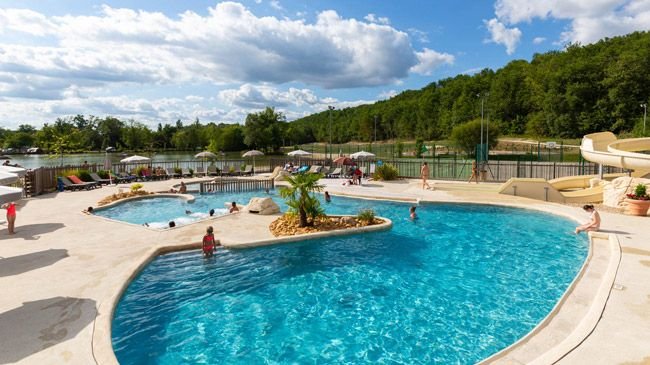
Choosing a campsite with a great swimming pool can transform an outdoor trip from a simple overnight stay into a well-rounded vacation experience. Pools are not merely about splashing around; they contribute to safety, accessibility, social interaction, and family-friendly entertainment. A quality pool offers a predictable childcare and recreation option regardless of weather, enabling campers to enjoy the outdoors while still accessing the comforts typically found in a resort setting. For families, couples, and solo travelers alike, a well-maintained pool can elevate the overall value of a campsite and encourage longer stays, more frequent visits, and a broader range of activities.
In addition to the obvious leisure benefits, pool-equipped campsites often implement thoughtful design elements to maximize usability and safety. Features such as shaded lounging areas, gradual-entry pools, kid-friendly sections, clean changing facilities, and clear signage contribute to a more welcoming environment. These amenities support different ages and swimming abilities, making it easier for parents to supervise children and for water lovers of all levels to enjoy themselves. By offering a reliable place to cool off during hot conditions, pools can also reduce heat-related stress and dehydration, contributing to healthier overall experiences.
Beyond recreation, pools can support social and community-building aspects of camping. Communal poolside spaces encourage interaction among guests, from families sharing a quiet afternoon by the water to groups planning evening gatherings around a hot tub or a communal BBQ area nearby. The presence of a pool can also influence the pacing of a campsite stay, nudging visitors toward longer visits or longer stays by providing a central hub for daily activities. For travelers who view camping as a social experience, a pool can be a focal point that draws people together, fosters conversations, and creates lasting memories.
From a financial perspective, a campsite that offers a pool may present higher upfront maintenance costs and utility usage. However, these costs are often offset by higher occupancy rates, longer minimum stays, and the ability to attract a broader audience, including families and travelers seeking more resort-like amenities. Pools can also diversify activities during shoulder seasons, when weather may be less predictable for outdoor exploration yet still suitable for swimming and poolside recreation.
The following sections explore the benefits of selecting a campsite with a great swimming pool, touching on safety, accessibility, family suitability, extended stay potential, seasonal resilience, and community impact. Throughout, the emphasis remains on accurate, balanced considerations—recognizing both the positive contributions pools can make to the camping experience and the responsibilities that come with operating a pool in a campground setting.
In-Depth Analysis
A high-quality swimming pool at a campsite serves multiple practical purposes that align with the needs of diverse campers. Safety is a primary consideration; well-designed pools incorporate features such as non-slip decking, gradual entry points, clearly marked depth indicators, lifeguard coverage during peak hours, and regularly maintained chemical levels. These elements collectively reduce risk and increase trust among guests, especially families with young children or inexperienced swimmers. Clear safety protocols and well-trained staff contribute to a more secure environment, allowing parents to relax while children engage in water-based play.
Hygiene and water quality are other critical aspects. Reputable campsite pools adhere to rigorous cleaning and filtration schedules. Visible cleanliness in changing rooms, shower facilities, and pool decks reinforces guest confidence. The provision of towels, sun protection options, and shaded seating helps maintain a pleasant and sanitary environment. When guests perceive cleanliness and consistency, they are more likely to extend their stay and recommend the campsite to others.
Accessibility considerations are essential for inclusivity. A great pool should accommodate a range of abilities, featuring accessible entry points, easy-to-use flotation devices, and clear signage. Design elements that accommodate families with toddlers, seniors, or guests with limited mobility expand the pool’s appeal and ensure that everyone can participate in recreational water activities safely.
Family-friendliness is often a deciding factor for parents choosing a campsite. Pools with kid-friendly sections, shallow entries, water features, and supervised play areas provide a structured environment for children to learn swimming, build confidence, and socialize with peers. Supervised swim times or family-oriented events by the pool can create trust and a sense of community among families staying at the campsite.
From an operations perspective, pools can influence guest behavior in advantageous ways. A pool offers an anchor activity that can encourage longer stays, particularly during shoulder seasons when weather may be less predictable for hiking or outdoor adventures. Guests might structure a day around poolside time, meals near pool facilities, or evening gatherings in adjacent social spaces. This holistic approach to campground design often translates into higher occupancy rates and improved guest satisfaction scores.
Pools also interact with the broader environment and sustainability considerations. Responsible management includes energy-efficient pumps, solar heating where feasible, and careful water conservation practices. Some sites integrate rainwater harvesting or advanced filtration to minimize environmental impact while maintaining pool quality. These practices appeal to eco-conscious travelers and align with broader trends toward sustainable camping experiences.
The social dimension of pool use should not be underestimated. Pool areas often become informal gathering spots where guests swap tips, share travel stories, and coordinate activities. This sense of community can be especially valuable for solo travelers or newcomers who are seeking to connect with others during their stay. Poolside events, such as family movie nights, barbecue evenings, or group aqua aerobics classes, can foster a welcoming atmosphere and enrich the camping experience.

*圖片來源:Unsplash*
Finally, it is essential to consider what a pool-equipped campsite does not guarantee. A pool does not automatically ensure a perfect stay; travelers should still prioritize other factors such as site cleanliness, campground noise levels, proximity to essential amenities, and the availability of shade and wind protection. Prospective guests should research pool hours, any usage restrictions, closure dates for maintenance, and policies regarding guests’ safety gear or floatation devices. A balanced assessment helps campers set realistic expectations and choose a site that aligns with their priorities.
Perspectives and Impact
Looking at broader trends, pools at campsites reflect a shift toward more versatile, amenity-rich camping experiences. This evolution aligns with the needs of multi-generational travelers who seek relaxation, social interaction, and opportunities for low-intensity activities alongside traditional outdoor adventures. As more families prioritize safety and comfort, the presence of a pool can become a differentiator when comparing campsites. Campgrounds that invest in high-quality water features often see increased guest loyalty and stronger word-of-mouth referrals, especially among households that value structured child-friendly recreation.
From an economic standpoint, the decision to install and maintain a pool requires careful budgeting. Initial construction or renovation costs can be substantial, and ongoing expenses for water treatment, energy, and staffing must be accounted for in pricing strategies. However, pools can contribute to revenue diversification by supporting day passes, poolside concessions, or tiered access for premium sites. Marketing campaigns that highlight family-friendly amenities, pool safety standards, and convenient access to other campground facilities can broaden appeal to a wider audience.
Seasonality also plays a role in the effectiveness of a pool as a camping amenity. In regions with warm summers and mild shoulder seasons, a pool can extend the usable period of the campsite, creating a predictable recreational draw even when outdoor hiking conditions might be less favorable. In cooler climates, heated or covered pools may provide a longer swimming season, albeit with higher energy costs. Campsites may also rotate activities to align with pool availability, offering aqua aerobics, water games, or twilight swims as part of a broader event calendar.
From a community and public health perspective, well-managed pools contribute to local recreational opportunities. They can serve as safe, supervised spaces for families and visitors who wish to learn swimming or practice basic water safety skills. Partnerships with local swim clubs or certified instructors can enhance the pool’s value while supporting community health initiatives and water safety education.
Looking ahead, the continued integration of technology could further enhance the pool experience. Online booking for pool times, mobile alerts about maintenance or closures, and digital maps showing pool facilities and safety equipment can streamline guest planning. Energy-efficient and sustainable innovations, such as solar heating or advanced filtration with reduced chemical usage, will likely become more common as campers increasingly expect responsible, eco-friendly amenities.
Key Takeaways
Main Points:
– A well-maintained pool enhances safety and hygiene, boosting guest confidence.
– Pools provide accessible recreation for all ages, improving inclusivity and family appeal.
– A pool can extend stay length, diversify activities, and support higher occupancy and loyalty.
Areas of Concern:
– Ongoing maintenance costs and resource usage require careful budgeting.
– Safety supervision and clear policies are essential to prevent accidents.
– Environmental impact and energy use should be managed responsibly.
Summary and Recommendations
Choosing a campsite with a great swimming pool offers tangible benefits that extend beyond simple leisure. The right pool can improve safety, accessibility, and family-friendly appeal while supporting longer stays and broader appeal across seasons. However, these advantages come with responsibilities. Campsites must invest in ongoing maintenance, safety oversight, and environmentally sustainable practices to ensure the pool remains a positive feature rather than a liability.
For travelers, when evaluating campsites, consider the pool as a central amenity but weigh it alongside other factors such as cleanliness, location, noise levels, shade, and proximity to essential facilities. Verify pool hours, rules for flotation devices, and maintenance schedules before booking. If you value structured family activities or prefer a resort-like camping experience, a pool-equipped campsite can significantly enhance your trip. For campground operators, the clear takeaway is that a well-designed, well-managed pool can differentiate a site, drive longer stays, and foster a sense of community—provided that safety, hygiene, and sustainability are prioritized.
Ultimately, the goal is to create a balanced camping experience where water-based recreation complements hiking, cycling, wildlife viewing, and other outdoor pursuits. A thoughtfully integrated pool can be a valuable asset that amplifies enjoyment, supports health and safety, and helps campers build lasting memories.
References
- Original: https://abeautifulspace.co.uk/7-benefits-of-choosing-a-campsite-with-a-great-swimming-pool/
- Additional references:
- https://www.campspot.com/articles/advantages-campsites-pools
- https://www.americancamps.org/resources/water-safety-tac
- https://www.lenexa.gov/portal/index.aspx?path=/sites/parks/PoolSafety

*圖片來源:Unsplash*