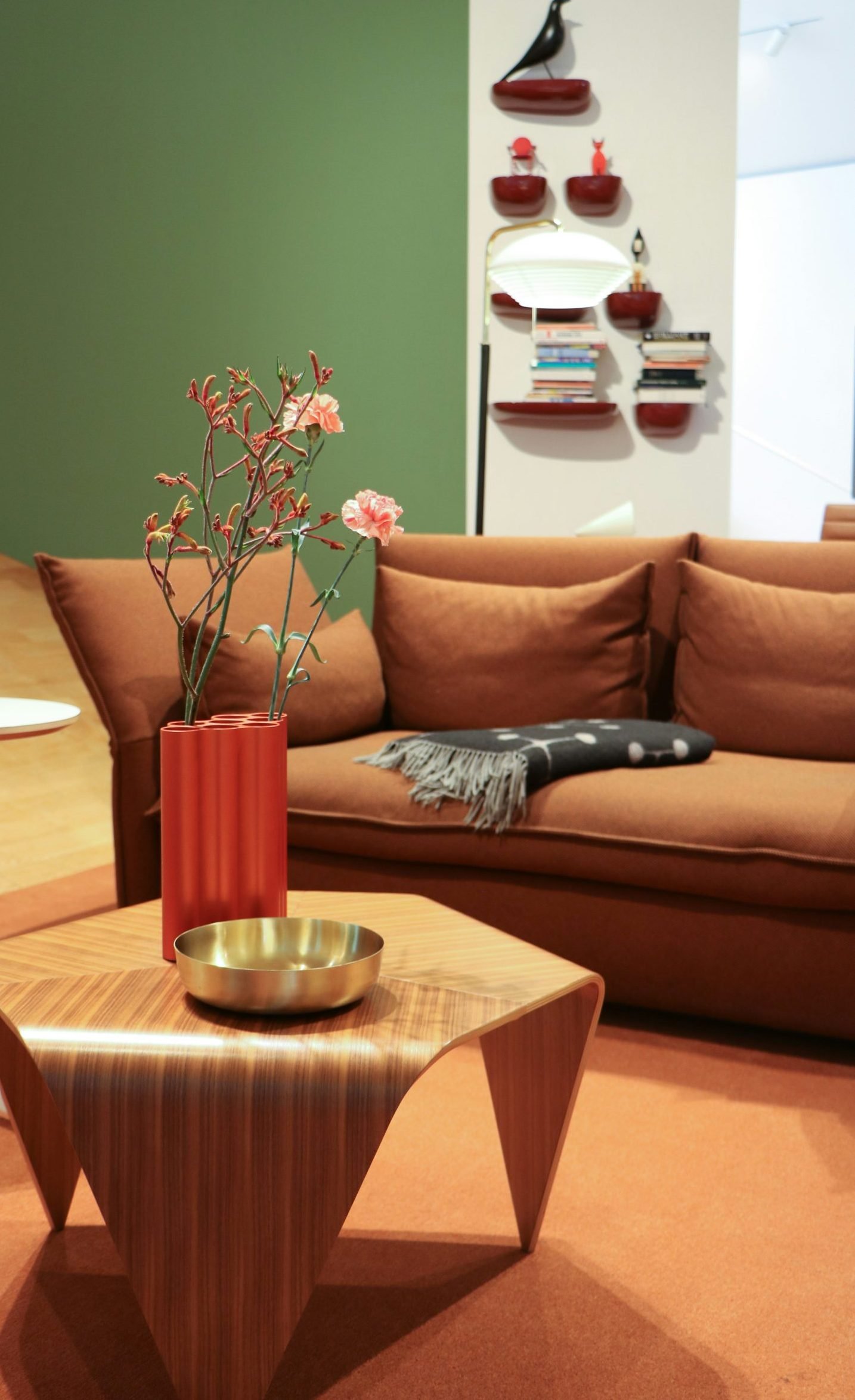
TLDR
• Core Points: Sofas are evolving beyond function into design statement pieces, with trends emphasizing comfort, sustainability, bold color, modularity, and mixed materials.
• Main Content: The 2026 sofa landscape blends practicality with expressive aesthetics, prioritizing durability, adaptable configurations, and wellness-focused materials.
• Key Insights: Personalization, smart integration, and global influences shape contemporary seating, while price and accessibility remain crucial considerations.
• Considerations: Environmental impact, fabric maintenance, and long-term style longevity should guide purchases.
• Recommended Actions: Assess room layout, test comfort and scale, verify fabric and warranty, and choose modular options for flexibility.
Content Overview
Sofas in 2026 have shed pure functionality as their sole purpose and emerged as central design anchors in living spaces. A Beautiful Space highlights a shift toward pieces that combine comfort, resilience, and distinct personality. The sofa market now emphasizes sustainable materials, modular configurations, and adaptable aesthetics that can transition across different interior styles. With more consumers prioritizing wellness and multi-use spaces, manufacturers are responding with fabrics that feel gentle on the skin and are easy to clean, while still looking sophisticated and current.
This evolution represents a broader trend in interior design where the sofa is no longer a standalone item but a keystone element that informs the entire room’s color palette, texture, and mood. In 2026, buyers should expect sofas that can flex with changing needs—whether hosting guests, supporting remote work, or creating cozy home theaters. The result is a more intentional purchasing approach: one that weighs comfort, longevity, environmental impact, and the ability to customize or reconfigure over time.
In-Depth Analysis
The 2026 sofa trends foreground several key themes that designers and retailers are embracing, each addressing evolving consumer lifestyles and broader societal shifts.
1) Comfort-Driven Engineering
Manufacturers are prioritizing ergonomic support, plush cushions, and breathable upholstery. Sofas are expanding in depth and seat height to accommodate longer lounging sessions without compromising posture. Hidden or low-profile armrests, transitional curves, and seat springs designed for durability contribute to a more comfortable experience that can be enjoyed for hours. In addition, seating tends to incorporate modularity that allows users to reconfigure sections for lounging, socializing, or working from home.
2) Modularity and Configurability
Modular sofas remain a dominant force, enabling flexible layouts for open-plan living areas, small apartments, or multi-purpose rooms. Users can mix and match modules—single-seat units, chaise longues, corner sections, and storage-backed pieces—to tailor the setup to their space. This adaptability makes these sofas ideal for evolving living arrangements, family growth, or frequent redecoration cycles. The modular approach also supports easier transport and reassembly, reducing relocation friction for renters and homeowners alike.
3) Sustainable Materials and Ethical Production
Environmental considerations are integral to purchase decisions. Brands highlight responsibly sourced woods, recycled or bio-based foams, and low-VOC finishes. Performance fabrics with stain resistance, moisture-wicking properties, and durability are favored to extend lifespan and reduce replacement frequency. Consumers increasingly seek transparent supply chains and certifications that verify ethical labor practices, reinforcing the connection between furniture choices and broader sustainability goals.
4) Bold Colors, Textures, and Personal Expression
Color palettes for sofas have become more expressive, moving beyond neutrals to include rich earth tones, jewel tones, and saturated hues. Textural variety—corduroy, boucle, velvet, and tactile weaves—adds depth and visual interest, allowing sofas to anchor a room or act as a vibrant focal point. Designers encourage pairing bold sofas with calmer surroundings or using accent pieces and artwork to balance the composition.
5) Mixed Materials and Craftsmanship
A combination of materials— wood, metal, ceramic, and varied fabrics—creates visual contrast and tactile interest. Exposed wood legs, metal frames, and stitched detail work as signature touches. Craftsmanship is celebrated through visible seams, hand-stitched accents, and thoughtful hardware that blends subtlety with character. The result is a sofa that communicates quality and a curated design story.
6) Wellness-Oriented Upholstery
Fabric choices now emphasize skin comfort and air quality. Breathable fabrics and anti-microbial treatments address health and comfort concerns, particularly for households with children or allergy-prone individuals. Easy-to-clean surfaces remain essential, with removable covers or washable components that simplify maintenance without sacrificing aesthetics.
7) Integrated Tech and Smart Home Compatibility
Even seating is getting smarter. Subtle innovations include built-in USB ports, wireless charging pads, and hidden speakers or massage options in higher-end models. The emphasis remains on seamless integration rather than overt tech styling, ensuring that tech-enabled sofas still feel timeless and comfortable rather than gimmicky.
8) Scale and Proportion for Modern Living
With rooms varying in size and shape, designers emphasize proportionality. Slim profiles for narrow rooms, deeper seats for lounging, and modular pieces that can be arranged to maximize flow are common. The trend favors adaptable shapes that can complement both compact apartments and expansive living areas.
Market dynamics reflect these trends in several ways:
– Customization is increasingly accessible, with options to tailor leg finishes, fabric textures, and cushion fills.
– Delivery and assembly services have become more sophisticated, reflecting consumer expectations for convenience and reliability.
– Mid-range offerings are improving in quality, allowing more households to invest in a sofa that lasts beyond a few seasons.
– Secondhand and circular economy options are gaining traction, as consumers seek durable products that can be reupholstered or repurposed.
Potential challenges accompany these trends. The pursuit of high-end materials and modular configurations can lead to higher upfront costs. Additionally, ongoing supply chain volatility may affect availability of preferred fabrics or finishes. Finally, maintenance considerations—such as cleaning delicate fabrics or matching cushions over time—require careful selection and care routines.

*圖片來源:Unsplash*
Perspectives and Impact
The 2026 sofa trends have broad implications for households, interior design professionals, and the furniture industry. From a consumer perspective, sofas now function as long-term investments that shape the atmosphere and usability of living spaces. The emphasis on modularity aligns with changing household structures, where rooms must adapt to work, play, and rest without a total redesign. Consumers increasingly value sustainability not only as a moral or environmental statement but also as a practical decision—durable materials and repairable components can extend the product’s life, reducing waste and replacement frequency.
For designers, these trends encourage more versatile spatial planning. Shifted emphasis toward scale-appropriate proportions means designers must consider how a sofa interacts with other furniture, lighting, and traffic flow. The rise of bold colors and textures invites creative layering, providing opportunities to craft distinctive, evolving interiors without frequent full-room overhauls.
Industry implications include a push toward standardized modular components that make assembly easier and more cost-effective. This standardization can also enhance repairability and recycling options at end-of-life. The sustainable-material focus may drive demand for traceable supply chains and certifications, encouraging brands to invest in transparency and ethical labor practices. The tech integration trend suggests opportunities for collaboration between furniture makers and consumer electronics brands, yielding smarter, more coherent home ecosystems.
Future directions could see even greater emphasis on circular design, with sofas designed for disassembly and refurbishment. Innovations in upholstery science may bring fabrics that resist stains, odors, and wear without compromising comfort. Additionally, as remote work becomes more ingrained, sofas that flex into ergonomic workstations or multi-use zones may become standard rather than niche offerings.
Cultural influences also shape sofa design. Global aesthetics—such as minimalist Scandinavian influences, warm Mediterranean textures, or refined Asian-inspired silhouettes—continue to inform global collections. This cross-pollination broadens consumer choice and supports the creation of living spaces that feel both contemporary and grounded in diverse design traditions.
Economic considerations matter as well. While luxury models demonstrate the pinnacle of craftsmanship and customization, accessible pricing remains essential for broad market adoption. Brands that successfully balance price, durability, and style are likely to lead in 2026 and beyond. Consumers should weigh not only upfront costs but also long-term value, potential financing options, and warranty terms.
In terms of environmental impact, the shift toward sustainable materials and repairability could influence raw material markets and waste reduction strategies across the furniture industry. Circular-economy initiatives—such as trade-in programs, upcycling, and modular upgrades—may become more prevalent as consumers seek to extend product life and minimize waste.
Key Takeaways
Main Points:
– Sofas in 2026 function as design anchors with emphasis on comfort, durability, and modularity.
– Sustainable materials and ethical production practices are increasingly prioritized.
– Bold colors, textures, and mixed materials enable expressive, personalized interiors.
Areas of Concern:
– Higher upfront costs for premium materials and modular systems.
– Maintenance and care requirements for diverse fabrics.
– Availability and consistency of supply chains for desired finishes.
Summary and Recommendations
The sofa landscape in 2026 reflects a deliberate move toward versatile, comfortable, and sustainable seating that can adapt to evolving lifestyles. Buyers should prioritize modular configurations to maximize flexibility, select fabrics with proven stain resistance and ease of cleaning, and verify certifications for sustainability and ethical labor practices. Comfort remains paramount; test seat depth, back support, and reach when trying sofas in-store or via home trials. Consider the room’s proportions and plan for scale to ensure the sofa complements rather than overwhelms the space. Finally, look for thoughtful details—such as hidden storage, durable upholstery, and repairable components—that extend the sofa’s life and reduce long-term waste.
In short, today’s viral sofa trends encourage a pragmatic yet expressive approach to furniture: choose pieces that feel inviting and resilient, align with your values, and offer flexibility as life and spaces evolve.
References
- Original: https://abeautifulspace.co.uk/7-viral-sofa-trends-in-2026/
- Additional references:
- https://www.archdigest.com (Architectural Digest coverage on sofa trends and materials)
- https://www.dezeen.com (Design magazine discussing modular seating and sustainable fabrics)
- https://www.housebeautiful.com (House Beautiful articles on color, texture, and wellness-focused upholstery)

*圖片來源:Unsplash*