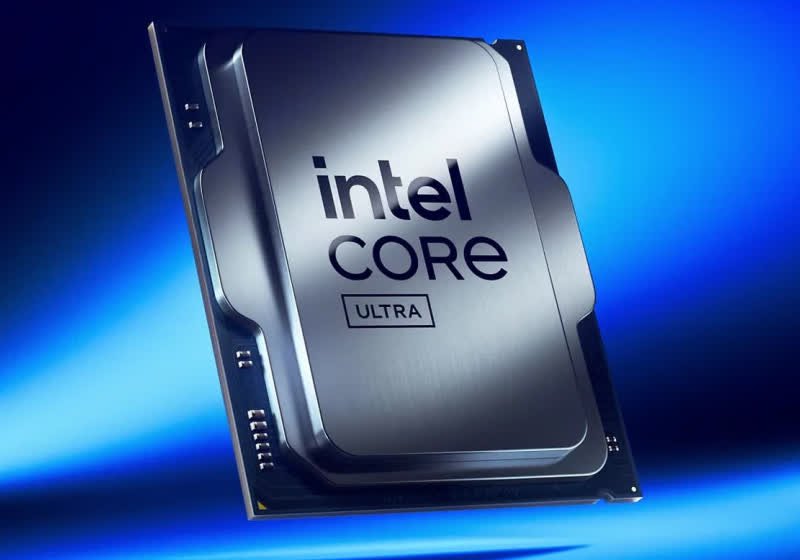
TLDR
• Core Points: Intel confirms Nova Lake desktop CPUs, likely Core Ultra 400, arriving by end of 2026 after Q4 2025 earnings call. Significant architectural overhauls anticipated.
• Main Content: Nova Lake marks Intel’s next-generation desktop line with notable architectural changes; timing tied to late-2026 release window.
• Key Insights: The move follows prior high-end leak reports; the architecture may introduce substantial performance and efficiency improvements, affecting competition with AMD Ryzen.
• Considerations: Exact specifications, process node, IPC gains, and compatibility remain speculative until Intel provides formal details.
• Recommended Actions: Monitor Intel communications and trusted leaks for concrete specifications; assess impact on platform pricing and adoption once announced.
Content Overview
In its fourth-quarter 2025 earnings call, Intel disclosed that it intends to bring a new family of desktop processors, codenamed Nova Lake, to market by the end of 2026. Industry watchers anticipate that these processors will be marketed under the Core Ultra 400 series, aligning with Intel’s ongoing strategy to replace aging families with more aggressively positioned successors. The revelation follows earlier reporting from credible hardware leakers and supply-chain observers who suggested that Nova Lake would feature a substantial architectural overhaul, signaling a major leap in performance, efficiency, and feature set for Intel’s mainstream high-end desktop (HEDT) ecosystem.
Intel’s leadership has historically used earnings discussions to outline roadmap milestones, even as broader market conditions and supply constraints influence the cadence of launches. The Nova Lake confirmation thus provides a concrete anchor for the company’s future planning, partnerships with motherboard and chipset manufacturers, as well as the marketing and developer ecosystems that hinge on new instruction sets, memory controls, and PCIe configurations. While the official launch date is set for late 2026, the interval invites a period of sustained speculation about process technology, core counts, power envelopes, and compatibility with existing platforms.
In-Depth Analysis
Nova Lake represents Intel’s attempt to reinvigorate its desktop processor lineup amid a competitive landscape dominated by AMD’s Ryzen family and other emerging silicon players. The exact architecture, manufacturing process, and accompanying platform capabilities remain under wraps, but several indicators and historical patterns provide a framework for educated analysis.
Architectural Overhaul: Early leaks and industry chatter point toward a meaningful redesign rather than a derivative evolution. In recent generations, Intel has periodically introduced new microarchitectures in annual or biennial cycles, with Core Ultra branding earmarked for higher-performance tiers. A substantial architectural overhaul could manifest as improved instruction-per-clock (IPC) throughput, enhanced branch prediction, and better memory subsystem efficiency. Expect discussions around cache hierarchy refinements, smarter prefetching, and potential changes to core design that optimize multi-threaded workloads, gaming, and content creation workloads.
Process Technology Considerations: Historically, Intel’s process decisions for mainstream desktop lines have revolved around planned node transitions. Nova Lake’s timing—late 2026—coincides with ongoing conversations about newer process nodes and potential packaging innovations. While it is not yet confirmed which node Intel will employ for Nova Lake, observers will be watching whether Intel introduces refinements such as elevated transistor density for higher clock ceilings, improved power efficiency, or hybrid/heterogeneous elements akin to prior Intel architectures. The choice of process could influence silicon yields, heat output, and motherboard compatibility, including power delivery and PCIe lane allocations.
Core Ultra Positioning and Performance Targets: The Core Ultra label has previously signified top-tier desktop performance within Intel’s consumer-branded hierarchy. Nova Lake’s positioning under the Core Ultra umbrella suggests a focus on enthusiasts, creators, and professionals who demand robust multi-threaded performance, strong gaming capabilities, and desktop platform longevity. Analysts anticipate a design that favors higher core counts, generous cache, and advanced AVX support, with attention to AI-augmented workloads possibly playing a role in the broader software ecosystem.
Platform and Ecosystem Implications: A major platform refresh often accompanies a new generation of CPUs. Anticipated changes include updated chipsets, potentially broader PCIe support (including PCIe 5.0 or 6.0, depending on the era’s standards), memory controller improvements, and enhanced I/O capabilities. Motherboard makers would need to introduce new socket designs or socket updates to accommodate Nova Lake, which can influence upgrade cycles for consumers and enterprise deployments. backwards compatibility considerations will be critical to gauge—whether existing LGA sockets remain viable with new chips or if a new socket necessitates complete platform refreshes.
Competitive Landscape: Intel’s Nova Lake rollout will be closely watched by AMD, NVIDIA, and other hardware players. If Nova Lake delivers a substantial uplift in single-thread performance or better efficiency at higher core counts, it could intensify price-performance competition in the desktop segment. Intel may also leverage software optimizations, platform features (such as improved AI acceleration or security features), and ecosystem partnerships to differentiate Nova Lake from competing offerings.
Supply Chain and Market Timing: The end-of-2026 target places Nova Lake after several milestone product releases and potential mid-cycle refreshes from competing manufacturers. The period offers Intel an opportunity to refine manufacturing yields, driver and BIOS support, and ecosystem readiness. However, the time horizon also implies that numerous market events—such as shifts in consumer demand, enterprise procurement cycles, and global component availability—could influence the reception of Nova Lake upon launch.
Leaks and Verification: Trusted leakers have historically provided early glimpses into core specifications, including potential core counts, cache sizes, and architectural features. While such leaks help set expectations, they remain speculative until official disclosures. As a result, the tech community will likely scrutinize any official Intel materials, developer guides, and benchmark previews released as the launch window approaches.
Overall, Nova Lake’s anticipated introduction reflects Intel’s ongoing strategy to offer aggressive performance tiers with up-to-date architectural features, while simultaneously managing supply, cost, and compatibility considerations. The late-2026 window provides Intel with a strategic timeline to address any early-market feedback from early samples and to align with motherboard ecosystem readiness, software optimizations, and channel partnerships.

*圖片來源:Unsplash*
Perspectives and Impact
The confirmation that Nova Lake is on track for a late-2026 release has several potential implications across stakeholders:
For Consumers: Enthusiasts and power users could benefit from a new generation offering higher performance ceilings and improved efficiency. If Nova Lake delivers strong IPC gains and favorable multi-thread performance, buyers may evaluate whether upgrading from previous generations offers compelling value, especially if platform costs are balanced by feature upgrades and longevity assurances.
For System Integrators and OEMs: OEMs and system builders may time new product introductions around Nova Lake to target high-end desktop configurations, workstation-class machines, and creative workstations. The potential for new chipsets, enhanced memory memory bandwidth, and expanded PCIe lanes could enable more capable prebuilt systems with longer forward compatibility.
For the Industry: The Nova Lake release contributes to the ongoing arms race in silicon design, where architectural innovations, power efficiency, and integrated accelerators increasingly matter. If Intel includes AI-optimized features or accelerators, it could influence developer priorities, software optimization efforts, and ecosystem investments.
For Market Dynamics: Intel’s roadmap addition might affect market expectations for price-to-performance curves within the desktop segment. Traders and analysts could re-evaluate competitive positioning and roadmap confidence, potentially impacting stock sentiment and supply chain strategies as launch timelines approach.
For Software and Developer Communities: A new generation often accompanies new instruction sets or optimizations. Developers may prepare to exploit any new capabilities in compilers, libraries, or runtime environments. This can lead to earlier adoption of optimizations across gaming engines, content creation suites, and scientific computing workloads.
For Compatibility and Upgrades: A major architectural shift often comes with new sockets or platform requirements. Users planning upgrades will weigh the benefits of adopting a new Nova Lake-based system versus refreshing an existing build, considering costs, software compatibility, and the anticipated lifespan of the new platform.
Overall, the Nova Lake announcement signals Intel’s continued commitment to refresh its high-end desktop offering with a view toward improved performance, efficiency, and feature breadth, while balancing the realities of a dynamic processor market and evolving developer needs.
Key Takeaways
Main Points:
– Intel confirms Nova Lake desktop CPUs, likely Core Ultra 400, targeting late 2026 release.
– The architecture is expected to be a substantial upgrade, based on prior leaks and industry expectations.
– The launch will influence platform ecosystems, adjacent product cycles, and competitive dynamics.
Areas of Concern:
– Exact specifications (core counts, clock speeds, cache, and process node) remain unconfirmed.
– Platform changes (socket compatibility, chipset features) are speculative until Intel’s official disclosures.
– Market conditions and supply chain factors could impact actual availability and pricing at launch.
Summary and Recommendations
Intel’s articulation of a Nova Lake roadmap for late 2026 establishes a clear anchor for the company’s desktop-high-end strategy. While details remain scarce, the indication of a significant architectural overhaul suggests a meaningful uplift in performance and efficiency, consistent with Intel’s pattern of delivering bold successors to its premium segments. For enthusiasts, professionals, and system builders, Nova Lake represents a potential upgrade target that could reshape purchase decisions in the latter half of the decade, particularly if new platform features, memory bandwidth enhancements, and AI-accelerated capabilities are realized. However, until Intel publishes concrete specifications, benchmarks, and compatibility notes, stakeholders should approach the Nova Lake timeline with measured expectations.
Looking ahead, the following considerations are prudent:
– Track official Intel communications for precise specifications, socket information, chipset details, and a defined launch window.
– Monitor independent previews, silicon design analyses, and vendor roadmap disclosures to triangulate performance expectations.
– Evaluate potential upgrade pathways in relation to existing hardware investments, including motherboard compatibility and total cost of ownership.
– Stay alert to competitive moves from AMD and others, as the Nova Lake rollout may prompt price adjustments, new promotions, or accelerated product cycles in the desktop market.
Ultimately, Nova Lake’s arrival will contribute to the ongoing evolution of desktop computing, inviting scrutiny of architectural innovations, platform capabilities, and the broader trajectory of high-performance personal computing.
References
- Original: techspot.com
- Additional context: Industry analyses and keynote summaries related to Intel’s roadmap and Core Ultra branding trends (to be appended with 2-3 relevant links as official disclosures become available).

*圖片來源:Unsplash*