TLDR
• Core Points: Tesla began offering certain driver-assistance features as optional, paid subscriptions, effectively charging monthly for capabilities the vehicle already possesses.
• Main Content: The move shifts access to features like Autopilot and its components from standard, included equipment to paid subscriptions, raising questions about ownership, value, and consumer rights.
• Key Insights: Subscription models for built-in car features may alter the long-term economics of vehicle ownership and could set industry precedents.
• Considerations: Consumer pushback, total cost of ownership, and regulatory scrutiny are potential outcomes as more automakers explore subscription-based access.
• Recommended Actions: Prospective buyers should evaluate total ownership costs and consider negotiating terms or choosing alternatives; current Tesla owners should review subscription plans and usage.
Content Overview
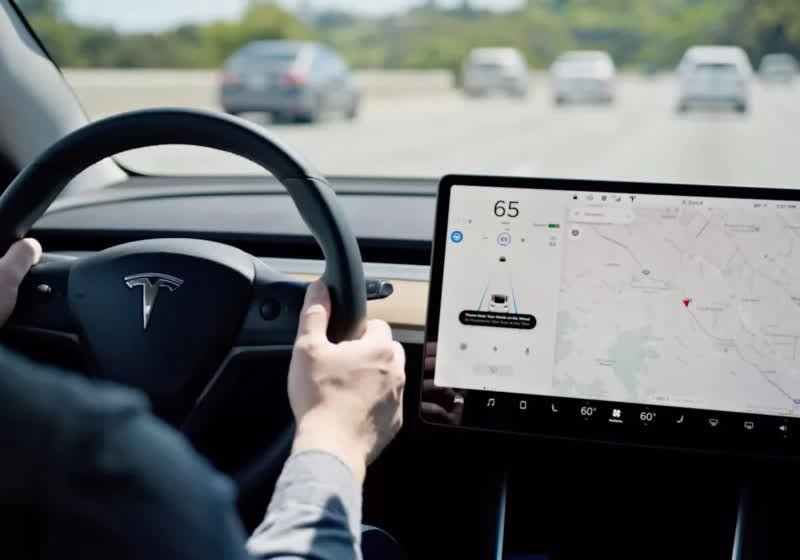
Autopilot has long stood as Tesla’s flagship driver-assistance system, combining Traffic Aware Cruise Control (which maintains speed and following distance) with Autosteer (which uses lane markings to steer and keep the car centered within its lane, including through curves). For more than a decade, Autopilot has been marketed as a core feature designed to enhance convenience and safety on the road. However, in recent years Tesla has introduced subscription-based access for certain Autopilot functionalities, signaling a shift from traditional ownership expectations toward ongoing, recurring fees. This approach means that some features that owners already possess when purchasing a vehicle could require monthly payments to continue using them. The implications of this policy change are wide-ranging, touching on consumer rights, total cost of ownership, and the broader business model of software-enabled cars.
In-Depth Analysis
Tesla’s Autopilot system has evolved from a standard dealer-installed feature to a software-driven platform that can be enhanced with additional capabilities through updates and paid subscriptions. The core components—Traffic Aware Cruise Control and Autosteer—have historically been bundled as part of the Autopilot suite or, in some configurations, available as part of Tesla’s broader driver-assistance package. The company has experimented with rolling features behind a paywall as subscriptions, rather than as permanent, once-off inclusions with the vehicle.
From a technical perspective, Autosteer relies on a network of sensors, cameras, and software algorithms that interpret lane markings and vehicle trajectories to assist with steering. Traffic Aware Cruise Control manages speed and following distance, adjusting motor output and braking as needed to maintain safe separation from vehicles ahead. When features are offered on a subscription basis, Tesla’s business model shifts toward software-as-a-service (SaaS) principles, seeking recurring revenue tied to ongoing software enhancements, feature unlocks, and remote capability enablement.
This approach raises several questions. First, it reframes a portion of the vehicle’s value proposition from a fixed, upfront cost to a variable, ongoing expense. For drivers who rely on Autopilot for daily commuting or long highway trips, monthly fees can accumulate and compound over time, potentially increasing the total cost of ownership well beyond the sticker price of the car. Second, subscriptions can complicate the line between “owner” and “user,” as access to certain safety and convenience features is contingent on payments rather than car hardware alone. Third, there are regulatory and consumer protection considerations. In some markets, consumer rights laws may require that features promised at purchase remain accessible without ongoing charges or provide clear disclosures about pricing changes.
Tesla has also faced broader questions around software updates, feature resets, and how different markets are treated. The company has historically used over-the-air (OTA) updates to improve performance, add features, and sometimes expand the scope of what Autopilot can do. The subscription model, however, effectively monetizes ongoing access to capabilities that users may assume are part of the vehicle’s inherent value. This has prompted responses from some customers who feel the model undercuts the long-term ownership experience.
Contextually, Tesla is not alone in exploring subscription-based access for car features. The broader automotive industry has seen similar experiments in connectivity services, premium driver-assistance capabilities, and software-defined features. These moves reflect a broader trend toward treating vehicles as platforms that can be continuously enhanced post-purchase, much like smartphones and other connected devices. Yet the shift also invites scrutiny regarding transparency, pricing fairness, and the balance between upfront cost and ongoing fees.
From a consumer perspective, the decision to subscribe often comes down to usage, reliability, and value for money. If Autopilot’s most impactful features—such as Autosteer in challenging driving conditions or Traffic Aware Cruise Control—are essential for safer and more convenient driving, paying a recurring fee might be a reasonable trade-off for some. For others, especially those who rarely use Autopilot or who drive in regions where such features are less critical, the subscription could represent unnecessary ongoing costs.
The debate also extends to resale value and knowledge asymmetry. Prospective buyers evaluating used Teslas must consider whether a vehicle’s Autopilot capabilities require future payments, and how that would affect resale price and buyer expectations. Dealers and manufacturers may need to provide clearer disclosures about which features are permanently enabled and which require ongoing subscriptions, to avoid post-sale misunderstandings.
Exploring alternatives, Tesla and other automakers may offer several models to address different consumer preferences. One model is to include Autopilot features as standard in certain trims or packages, with optional add-ons that can be subscribed to for enhanced functionality. Another model could be to offer tiered subscription levels that unlock progressively more advanced driver-assistance capabilities, allowing drivers to tailor the experience to their needs and budget. There is also the potential for time-limited trials or reduced introductory pricing to help owners assess value before committing to ongoing payments.
From a safety and usability standpoint, continuous software updates remain a core strength of Tesla’s approach. OTA updates enable feature refinement, improved object detection, and better decision-making in dynamic driving scenarios. Subscribers could benefit from ongoing improvements, but the question remains whether these enhancements justify ongoing costs, especially if core features are still available without subscription.
In terms of consumer protections, scrutiny from regulators and advocacy groups could prompt greater transparency around pricing, feature access, and the duration of subscriptions. Some jurisdictions may require clearer disclosures about what is included in a purchase versus what is unlocked through a paid plan. Tesla’s approach may also influence future negotiations between automakers and customers, with more emphasis on post-purchase software monetization.
The strategic rationale for subscription models includes revenue diversification, increased lifetime value per customer, and the ability to fund ongoing R&D and data-related services. For a company such as Tesla, which relies heavily on software-driven capabilities and data collection, subscriptions can help monetize continuous value creation. However, the model also risks alienating customers who feel that essential driving features are being gated behind a recurring fee, particularly if the basic functionality is perceived as subpar or inconsistent without the paid tier.
Looking forward, the implications of vehicle feature subscriptions could extend beyond Autopilot. If consumer tolerance for recurring access remains acceptable, more features—ranging from enhanced navigation and traffic data to safety-critical functions—could become pay-to-unlock services. This would further blur the line between hardware ownership and software access, reshaping consumer expectations and how manufacturers structure warranties, service plans, and customer support.
The conversation also intersects with insurance considerations. If drivers rely heavily on Autopilot due to the added safety margins, insurers might view the subscription status as part of the risk profile. Conversely, if a subscriber disables a feature due to cost, it could influence actual driving behavior and incident rates, complicating actuarial assessments.
In summary, Tesla’s move to monetize Autopilot features through subscriptions, including components that are already physically present in the vehicle, highlights a broader shift toward software-defined ownership. This approach aligns with industry trends toward continuous improvement and service-based monetization but also invites questions about value, transparency, and the long-term cost of ownership for customers. As more automakers experiment with similar models, the market will likely respond with a mix of consumer pushback, regulatory attention, and evolving business strategies that seek to balance innovation with fair access and predictable pricing for drivers.

*圖片來源:Unsplash*
Perspectives and Impact
The adoption of subscription-based access to built-in vehicle features marks a notable development in the automotive software landscape. On one hand, subscriptions enable carmakers to deliver ongoing improvements, security updates, and feature expansions without requiring a new hardware cycle. This can accelerate innovation and allow owners to benefit from the latest capabilities as soon as they are ready, rather than waiting for a future vehicle purchase. On the other hand, the model risks erecting a financial barrier to essential or highly beneficial safety features, potentially undermining the reliability and cost predictability that many customers expect from their investments in a modern vehicle.
From a policy standpoint, regulators may scrutinize whether essential safety features being locked behind subscription paywalls are in line with consumer protections and disclosure requirements. Some jurisdictions emphasize that the price of ownership should be transparent and that purchasers should have a clear understanding of what is included in the base vehicle versus what requires an additional, ongoing charge. Consumers may push back through public commentary, surveys, or regulatory avenues, urging manufacturers to separate core safety functionalities from optional enhancements when determining their pricing models.
Industry observers also note that subscription strategies could influence resale markets and leasing arrangements. If a vehicle’s Autopilot capabilities hinge on active subscriptions, prospective buyers in the second-hand market may encounter uncertainty regarding ongoing costs and feature availability. This could affect resale values and length of ownership, prompting more granular disclosures during vehicle appraisals and at vehicle transfer time.
Technically, the subscription approach leverages the same OTA framework used to push software updates to the vehicle’s systems. The difference lies in access control: whereas updates may improve performance or add features regardless of payment status, subscription models require ongoing validation of a user’s paid status to unlock specific functionalities. This raises questions about how feature deactivations are handled during lapses in payment, and what safeguards exist to prevent unintentional loss of important capabilities due to payment issues.
The broader implication for the auto industry is a potential shift toward service-oriented product design. Automakers could increasingly treat software features as ongoing services, akin to streaming media or cloud-based tools. This may incentivize more frequent, incremental feature releases and a continuous revenue stream, while still tying improvements to hardware that remains the property of the manufacturer or the dealer. Consumers would benefit from regular improvements and new capabilities, but the risk remains that essential features could be incrementally gated behind a series of subscriptions, complicating ownership economics and long-term budgeting.
For Tesla, the move aligns with a broader corporate strategy that emphasizes software, data utilization, and scalable monetization models. The company has built a reputation on rapid OTA updates and software-driven enhancements, and subscriptions extend this philosophy into ongoing revenue streams. Critics argue that this approach could undermine trust if perceived as monetizing basic driving capabilities, while supporters contend that subscriptions enable continuous improvements and keep features up-to-date with evolving safety standards and driving environments.
Future developments will likely include more refined pricing tiers, clearer disclosures, and perhaps differential pricing by region or trim. If Tesla or other automakers adopt more transparent models—such as guaranteeing a baseline set of features at no ongoing cost while offering optional paid enhancements—consumers may respond more positively. The industry could also see standardized guidelines around how and when features can be monetized post-purchase, potentially supported by consumer protection agencies or regulatory bodies seeking to balance innovation with fair access.
Ultimately, the debate centers on value, ownership, and the responsibility of carmakers to deliver safe and reliable features at a predictable price. Subscriptions for built-in Autopilot features represent a convergence of automotive engineering and software economics, illustrating how the car of the future is increasingly a platform for ongoing services rather than a single, static purchase.
Key Takeaways
Main Points:
– Tesla offers certain Autopilot features as optional, paid subscriptions, even for capabilities physically present in the vehicle.
– The shift toward subscription-based access changes the economics of ownership and has broad implications for value and transparency.
– Regulatory, consumer, and market responses will shape how these models evolve across the auto industry.
Areas of Concern:
– Total cost of ownership may rise due to recurring fees for features once thought part of the base vehicle.
– Transparency around pricing, access, and deactivation during nonpayment or payment lapses needs strengthening.
– Impact on resale value and buyer expectations in used-car markets.
Summary and Recommendations
Tesla’s introduction of subscription-based access for Autopilot features that are already built into the car marks a significant departure from traditional automotive pricing, aligning automotive software monetization with recurring revenue models common in digital services. This approach can drive continuous improvements and enable the company to fund ongoing research and development. However, it also raises concerns about fairness, ownership clarity, and the potential for unexpected costs over the vehicle’s lifespan.
For prospective buyers, it is prudent to carefully evaluate the total cost of ownership with and without subscriptions. When negotiating new purchases, consider seeking clarity on which Autopilot features come standard, which are available as optional subscriptions, and what the long-term financial implications are given expected usage patterns. For current Tesla owners, a review of available subscription plans, usage needs, and the potential impact on resale value is advisable. If value propositions are unclear or the pricing feels excessive, exploring alternative configurations or brands that adopt different access models may be warranted.
Ultimately, the industry’s trajectory toward software-defined features suggests that many automakers will continue experimenting with access models. The outcome will depend on balancing innovation with fair pricing, transparency, and consumer trust. Policymakers, regulators, and consumer advocates will play a critical role in shaping standards that ensure drivers understand the true cost of ownership and retain confidence in the safety and reliability of driver-assistance technologies.
References
- Original: https://www.techspot.com/news/111050-tesla-making-drivers-pay-monthly-features-car-already.html
- Additional context: Industry analyses on automotive software monetization and OTA update ecosystems
- Regulatory perspectives on consumer rights and vehicle feature access
Forbidden:
– No thinking process or “Thinking…” markers
– Article starts with “## TLDR”

*圖片來源:Unsplash*