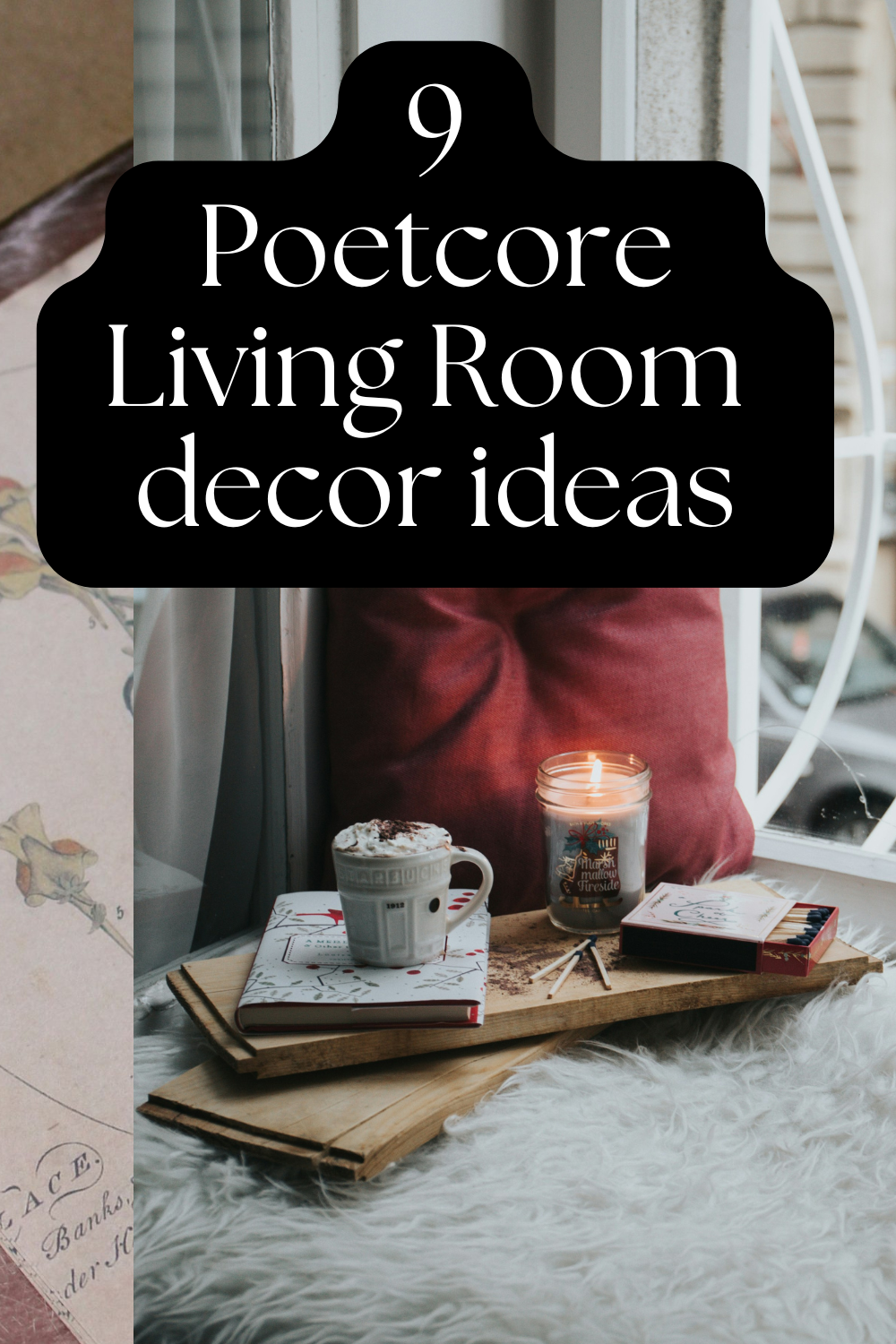
TLDR
• Core Points: Poetcore design blends warmth, reflection, and literary charm through curated textures, vintage accents, and soft lighting.
• Main Content: A practical guide to creating a living room that feels like poetry—with nine actionable decor ideas and thoughtful styling tips.
• Key Insights: The aesthetic emphasizes comfort, storytelling through objects, and a calm, contemplative atmosphere.
• Considerations: Balancing vintage and modern elements, sourcing sustainable materials, and ensuring a livable layout.
• Recommended Actions: Start with a neutral base, layer with textures and literary touches, and curate lighting for mood and readability.
Content Overview
Poetcore living room decor presents a approach to interior design that centers on the feeling of poetry—warmth, introspection, and a narrative-inspired space. This style invites you to curate a room as if it were a page of verse: each object chosen for meaning, texture, and atmosphere. The underlying idea is to create a room that encourages slow reading, thoughtful conversation, and quiet moments of reflection. By combining soft palettes, tactile materials, vintage and handmade pieces, and literary motifs, you can craft a space that feels both timeless and personal.
The concept draws on broader design movements that value comfort and storytelling, while adding a literary twist. It is not about copying bookish clichés, but about using subtle references—rhythms in typography, the aged glow of amber glass, the patina of wood, or the irregularities of handmade textiles—to evoke a narrative mood. The result is a living room that reads as a living story: a place where guests feel invited to linger, listen, and reflect.
Nine Ideas for a Poetcore Living Room
1) Establish a Quiet Color Field
– Start with a restrained color base: soft neutrals such as warm beiges, creamy whites, and gentle Greiges, punctuated by moments of deeper, contemplative hues like ink blue or charcoal.
– Use color to anchor the space and let textural elements do the talking. The goal is a calm field that supports relaxation and reading.
2) Layer Texture for Depth and Comfort
– Introduce a mix of textures: woolen throws, linen upholstery, nubby boucle, and tactile rugs.
– Texture adds warmth and invites touch, which is essential for a space intended for lingering and reflection.
– Consider tactile contrasts (smooth surfaces paired with rough, matte finishes with a subtle sheen) to keep the room visually engaging.
3) Curate a Literature-Inspired Collection
– Display books with care, not simply as storage. Use open shelves, stacked volumes, or a leaning ladder to create a literary vignette.
– Introduce art and props that nod to poetry and storytelling—handwritten notes, vintage typewriters, or framed quotes in elegant typography.
– Rotate selections periodically to keep the space feeling fresh while preserving its core identity.
4) Integrate Vintage and Handmade Objects
– Mix vintage finds with contemporary pieces to create a sense of history and personality.
– Look for items with character: a well-worn leather chair, a distressed wooden coffee table, a brass reading lamp, or a handmade ceramic vase.
– The imperfections of handmade or aged objects contribute to the poetry of the room.
5) Plan for Soft, Readable Lighting
– Lighting should be warm and layered to support reading and conversation.
– Combine ambient light (overhead fixtures with warm bulbs) with task lighting (table lamps, floor lamps) and accent lighting (small, focused lights on shelves or art).
– Dimmable options give control over mood and readability, mirroring the shifts in tone found in poetry.
6) Create Intimate Seating Arrangements
– Favor seating that encourages close conversations or solitary reading.
– Use a mix of seating types: a comfortable sofa, a pair of lounge chairs, and a nest of cushions on the floor or a small ottoman for a flexible reading zone.
– Scaled properly, the furniture fosters eye contact and personal connection while maintaining a relaxed atmosphere.
7) Emphasize Quiet Vertical and Horizontal Lines
– Let architectural lines play a subtle role: clean, unassuming profiles and low-contrast joins help maintain a serene look.
– Avoid overly ornate frames or busy patterns that disrupt the calm flow. Instead, choose simple, elegant shapes with a quiet presence.
8) Introduce Word-Driven Decor
– Include typography-based art, vintage book pages framed under glass, or calligraphic wall pieces.
– Small, meaningful quotes can be rotated into frames or printed on textiles like cushions or wall hangings.
– Ensure these elements are legible at a distance and contribute to the room’s poetic mood rather than competing with it.
9) Build a Cozy Reading Nook
– Create a dedicated corner for reading—a comfortable chair, a warm throw, a footstool, and a small side table for a cup of tea and a book.
– Add a dedicated light source and a small bookshelf or magazine rack to encourage sustained reading sessions.
– Keep the nook uncluttered to preserve its sense of sanctuary.
Practical Styling Tips and Considerations

*圖片來源:Unsplash*
- Balance and proportion matter. A poetically inspired room should feel cohesive, not cluttered. Use a running rule of thirds for major furniture placements and ensure there is negative space to breathe.
- Materials should feel natural and tactile. Favor wood, linen, wool, cotton, stone, and ceramic across furniture, textiles, and accessories.
- Sustainable sourcing can align with the aesthetic. Look for reclaimed wood, responsibly sourced textiles, and locally crafted decor items.
- Personalization matters. While the theme is literary, the most successful spaces reflect the owner’s reading tastes, favorite poets, and personal memories associated with books and words.
- Maintenance is essential. Textured materials can attract dust, so regular care with appropriate cleaning methods is advisable to preserve the room’s warmth and tactility.
In-Depth Analysis
The poetcore approach to living room decor borrows its name and mood from poetry itself. It seeks to evoke the intangible qualities found in literary works: rhythm, cadence, mood, and a sense of narrative. This design philosophy translates into a space that feels as if it could host a quiet afternoon reading session, a thoughtful discussion about a favorite poem, or simply a moment of contemplation with a warm beverage in hand.
A key aspect of implementing poetcore is the careful curation of objects that carry meaning. Rather than filling shelves with random trinkets, each item has a story or a connection to literature. A vintage typewriter might echo past writers who used similar tools, or a stack of weathered poetry volumes might imply a personal canon. Framed quotes work best when they are understated and integrated into the room’s architectural lines rather than dominating the wall. The effect is a space that is literate in mood, not loud in décor.
Color plays a foundational role in setting the atmosphere. Neutral bases with warm undertones create an inviting canvas that allows textures and literary accents to shine. Deep, contemplative hues can act as anchors for the room, drawing the eye to focal points such as a reading chair or a poetry collection perched on a shelf. However, color should never overwhelm the room’s sense of calm. The aim is to invite readers in and encourage lingering, not to shout for attention.
Texture is a particularly potent tool in poetcore design. A well-chosen rug can anchor the seating area and invite bare feet to explore its surface. A wool throw can add visual and tactile warmth that makes a reading moment feel special. Textured fabrics like bouclé and linen can subtly change the room’s light and mood, catching glints of a warm lamp and creating a soft, intimate glow.
Lighting is not just functional in this aesthetic; it is a stylistic instrument. Layered lighting with warm color temperatures supports both reading and conversation. A dimmable overhead light provides general illumination, while a task light near the reading chair ensures comfortable reading. Accent lighting on shelves or artwork can highlight literary references and create a gallery-like vignette that changes with the viewer’s angle and the time of day.
Seating arrangements should be adaptable. A poetcore living room benefits from a combination of fixed and flexible seating that can be reconfigured for different social or solitary activities. A main sofa paired with a couple of chairs can form an intimate circle for conversation, while additional cushions or a pouf can transform a space into a cozy reading nook.
Materiality and patina are essential to the aesthetic. Items with natural wear—aged wood, patinated metal, or softly faded fabrics—contribute to a sense of history and continuity. This is not about replicating vintage objects; it is about choosing pieces with a lived-in feeling that suggests a long relationship with the space and its inhabitants.
The broader cultural impact of poetcore lies in its invitation to slow down and engage with literature and human experience. In modern homes, where digital stimuli can be relentless, a poetcore space offers a counterbalance—a place where the rhythm of life can align with the pace of a good book or a thoughtful conversation. As this style continues to evolve, it may incorporate more sustainable practices and integrate digital reading devices in a way that preserves the room’s calm, tactile character.
Key Takeaways
Main Points:
– Poetcore centers on warmth, contemplation, and literary charm through texture, light, and curated objects.
– It emphasizes storytelling through furnishings and a quiet, inviting atmosphere.
– Personalization and meaningful literary references distinguish a poetcore space.
Areas of Concern:
– Balancing vintage and modern elements without clutter.
– Sourcing sustainable, high-quality materials.
– Ensuring that literary accents remain subtle and functional rather than derivative.
Summary and Recommendations
To create a poetcore living room, begin with a quiet, cohesive color palette that serves as a canvas for texture and literary touches. Layer materials—wood, wool, linen, ceramic—in warm tones to build depth and tactile interest. Curate a literature-inspired collection with intention: select books and props that tell a story about your reading life and preferences, and arrange them so they feel integrated into the room’s architecture rather than scattered. Lighting should be multi-layered and adjustable to support reading and conversation, with a focus on warmth and readability. Seating should be flexible and intimate, encouraging close contact and personal reflection. Finally, let the room evolve over time through rotations of books, quotes, and objects to keep the space fresh while preserving its core poetic identity.
In practice, a poetcore living room is less about exact replication of a theme and more about cultivating a mood—one that invites quiet thought, meaningful dialogue, and a lasting sense of literary ambiance. When approached with care and intention, this aesthetic can transform a common living area into a sanctuary of words and human connection.
References
– Original: abeautifulspace.co.uk article on Poetcore Living Room Decor: 9 Ideas for a Literary Aesthetic
– Additional references:
– Design publications and interior styling guides that discuss texture layering and storytelling in decor
– Articles on creating reading nooks and mood lighting for living spaces
Note: This rewritten piece preserves the core ideas of a poetcore living room—emphasizing warmth, texture, literary references, and a calm, contemplative atmosphere—while expanding the content into a complete, readable article with actionable guidance.

*圖片來源:Unsplash*