TLDR
• Core Points: In 2026, sofas become more than furniture—central design statements blending sustainability, tech, and modular versatility.
• Main Content: The seven trends unify comfort, sustainability, and bold aesthetics, reshaping living spaces for multi-functional use.
• Key Insights: Personalization, responsible materials, and adaptable configurations dominate, with attention to social spaces and wellness.
• Considerations: Balancing trendiness with durability and ease of cleaning; ensuring scale suits different rooms; prioritizing accessibility.
• Recommended Actions: Assess room workflow and light, choose modular pieces, favor durable fabrics and eco-friendly materials, and plan for tech integration.
Content Overview
Sofas have long stood as the anchors of living rooms, but in 2026 they’re being redefined. This year’s viral sofa trends reflect a broader shift in interior design: pieces that are not only aesthetically striking but also versatile, sustainable, and deeply attuned to the needs of modern households. As people spend more time in their homes and seek multi-functional spaces, sofas are evolving from simple seating to central elements that influence layout, mood, and daily routines. The seven trends highlighted here capture the momentum driving popular choices across a range of styles—from minimalistic modern to cozy maximalist—and are informed by social media momentum, consumer behavior, and the evolving priorities of homeowners, renters, and interior design professionals.
Trend 1: Modular Systems for Flexible Living
The modular sofa concept continues to gain traction in 2026. Consumers favor pieces that can be rearranged for different occasions, from intimate movie nights to larger gatherings. Sectional configurations with modular armless segments, ottomans that double as coffee tables, and sofa bodies that can be reconfigured without tools enable homeowners to adapt seating layouts to room dimensions and changing needs. The appeal lies in maximizing seating without sacrificing flow or sightlines, especially in open-plan living spaces. The modular approach also supports dynamic room design, offering a way to refresh the space with a minimal investment when layout or decor changes.
Trend 2: Sustainable Materials and Ethical Sourcing
Environmental considerations continue to shape purchasing decisions. Buyers increasingly seek sofas crafted from responsibly sourced woods, recycled or recyclable fabrics, and durable fillings designed for longevity. Natural fibers such as linen, cotton blends, and moisture-wicking upholstery offer comfort with a lower environmental footprint, while performance fabrics provide stain resistance and durability necessary for busy households. Brands that disclose supply chain practices, offer repair options, or provide take-back programs resonate with eco-conscious consumers. The trend emphasizes longevity and repairability, reducing waste and supporting safer, more transparent manufacturing processes.
Trend 3: Bold Color Palettes and Statement Silhouettes
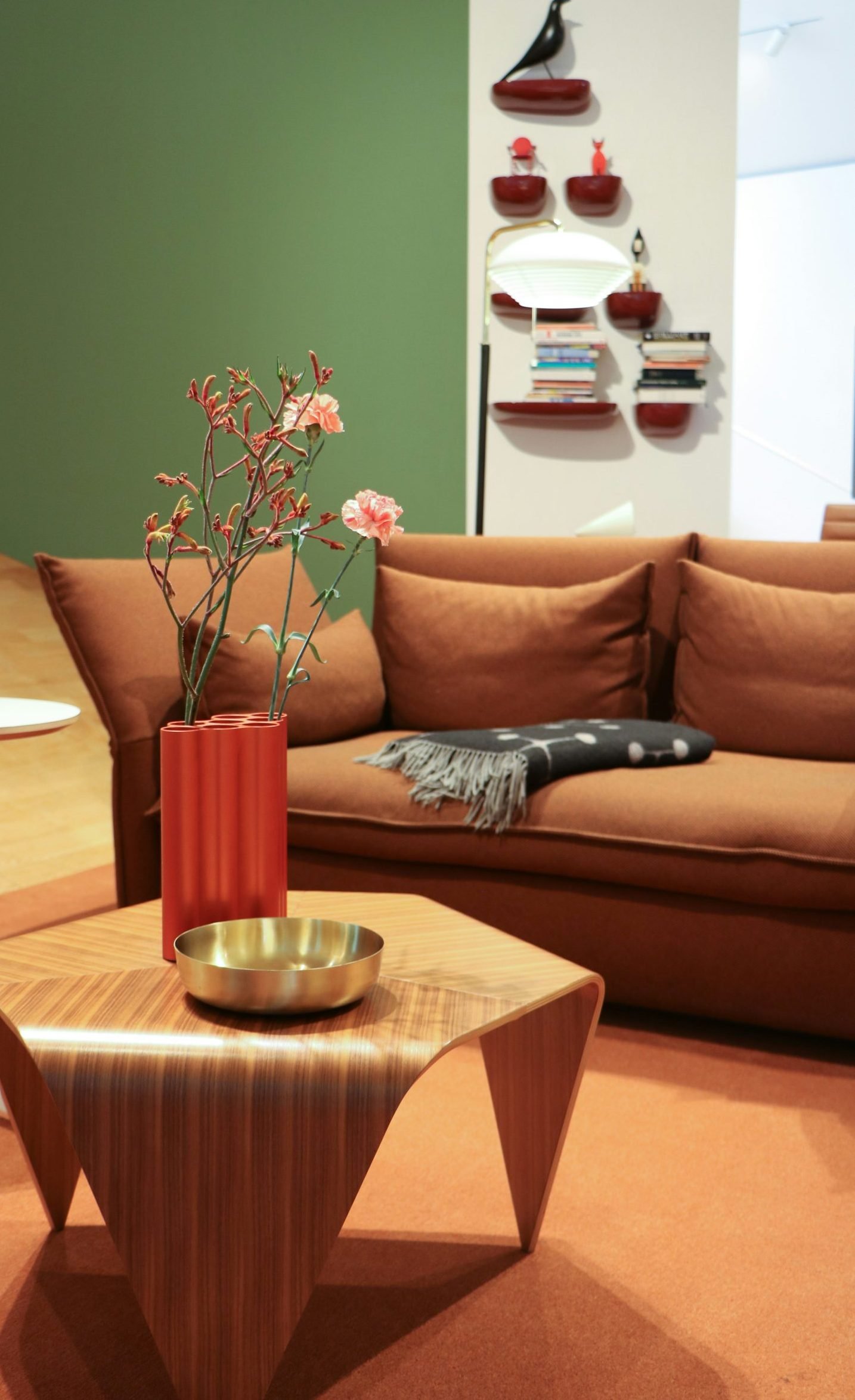
While neutrals remain foundational, 2026 sofas often incorporate bold hues or two-toned finishes to serve as focal points in a room. Rich jewel tones (emerald, sapphire, deep burgundy) and unexpected color pairings are popular choices, paired with distinctive silhouettes such as sculptural arms, low-profile chaises, or asymmetrical backrests. The visual impact of color is balanced by thoughtful scale and proportion, ensuring that a statement sofa anchors the space without overwhelming it. For smaller rooms, color can be used strategically in cushions or throws to achieve a similar effect with less risk.
Trend 4: Comfort-First Cushions and Support Systems
Comfort remains non-negotiable. Sofas featuring deeper seat cushions, high-resilience foam, and latex or hybrid inner cores provide better support and longevity. Layered cushions, customizable firmness options, and seat depth variations allow users to tailor their seating experience. In addition, back support is being revisited with contoured cushions, pillow-backed configurations, and ergonomic armrests. Materials that maintain shape over time and resist sagging are prioritized, ensuring the sofa remains comfortable after years of use.
Trend 5: Built-In Tech and Smart Upholstery
Technology-integrated sofas are gaining popularity as homes become more connected. USB charging ports, wireless charging pads, hidden speakers, and integrated lighting are among the features appearing in premium models. Some designs incorporate modular power modules that can be reoriented with seating arrangements, while others use fabric that supports wireless charging or embedded sensors to control lighting or climate in the surrounding area. The challenge is to balance convenience with clean aesthetics, ensuring tech elements blend seamlessly into the design without creating clutter or maintenance issues.
Trend 6: Washable and Low-Maintenance Finishes
Cleaning and maintenance considerations influence material choices more than ever. Families with children or pets look for fabrics and finishes that are easy to clean, stain-resistant, and durable. Solutions include performance fabrics with built-in stain resistance, removable and washable covers, and concealed zippers for easy maintenance. The trend favors colorfast materials and finishes that withstand frequent cleaning without fading, as well as practical design details such as tight back cushions and minimal crevices where dirt can accumulate.
Trend 7: Eco-Inclusive Design and Accessibility
Inclusive design has become more prominent in 2026, with sofas that accommodate a wider range of abilities and body types. This includes adjustable seat heights to ease getting in and out, supportive armrests, and configurations that provide clear pathways for mobility aids. Materials chosen for safety, low emissions, and hypoallergenic properties broaden accessibility to more households. The trend emphasizes creating spaces that are welcoming to everyone, including aging populations and individuals with mobility considerations, while maintaining high aesthetic standards.
In-Depth Analysis

*圖片來源:Unsplash*
The year 2026 marks a convergence of function, sustainability, and distinctive style in sofa design. The modular approach is not new, but its continued refinement reflects a broader consumer desire for adaptable living spaces. Homeowners increasingly prioritize furniture that can morph to fit living arrangements that evolve with family size, work-from-home patterns, and social activities. Modular sofas allow easy reconfiguration for video calls, entertainment yoga, or reading nooks, making them valuable in multi-use rooms. From a design perspective, the modular philosophy supports experimentation with scale, texture, and color while maintaining a cohesive look.
Sustainability remains a critical decision driver. The industry has made progress in transparent sourcing, recycling programs, and repairability. Shoppers are more aware of the environmental footprint of furniture and seek ways to minimize waste. This has led designers to favor materials that can be repaired or remanufactured, such as modular components that can be replaced rather than discarded. Brands that publish lifecycle assessments, offer spare parts, or partner with repair specialists tend to attract loyal customers who value long-term sustainability.
Color and silhouette continue to be important signals of personality. In 2026, designers balance bold statement pieces with a steady backdrop of neutrals to prevent overwhelming spaces. This approach allows homeowners to experiment with color through cushions, throws, or accent chairs while ensuring that the sofa remains a versatile anchor. Silhouette variety—from sculptural arms to streamlined low profiles—gives designers more tools to achieve the desired mood, whether it’s calm minimalism or dramatic elegance.
Comfort technologies and materials are evolving in tandem with lifestyle needs. The emphasis on ergonomic support, seat depth, and cushion resilience aligns with longer periods spent at home and the shift toward remote work and leisure. The best-performing sofas in this space combine premium foam, feather-down blends, or latex in a way that retains shape while offering plush softness. Removable, washable covers contribute to longevity by simplifying maintenance, which is a practical benefit for households with children or pets.
Technology integration is a practical reality rather than a novelty. As wireless charging and smart home ecosystems mature, designers are exploring ways to embed convenience without compromising the sofa’s aesthetic. The challenge is to design with user-friendly interfaces and durable, hidden hardware that can withstand daily use. The result is furniture that not only looks contemporary but also actively supports modern routines—streamlining charging, entertainment, and ambient control.
Maintenance-focused design is another key trend, reflecting real-world needs. People want furniture that is easy to live with, from spill-proof upholstery to simplified cleaning routines. This emphasis translates into practical construction choices: tight upholstery seams, recessed legs to reduce snagging, and cushions designed to resist flattening. The combination of aesthetics with functional resilience explains why these sofas gain traction in high-traffic living spaces.
Inclusive design considerations mirror broader social shifts toward accessibility and equity. Sofas that accommodate different body types, mobility needs, and sensory considerations (like avoiding overly loud textures) broaden the market. This trend aligns with a growing awareness that home interiors should be spaces of comfort and safety for everyone, not just a stylish display.
Perspectives and Impact
Looking ahead, these trends suggest several implications for manufacturers, retailers, and homeowners. For manufacturers, the modular approach offers opportunities to shorten development cycles and offer customizable packages that reduce waste. Repairability and recycling programs can become differentiators in a crowded market, helping brands build trust with consumers who prioritize sustainability.
Retailers may benefit from emphasizing interactive showrooms and virtual tools that allow customers to visualize modular configurations and color combinations. Augmented reality apps can enable shoppers to see how a particular sofa fits in their space, including how the scale interacts with existing furniture and traffic patterns. Clear information about materials, warranties, and care can further empower decision-making for long-term purchases.
Homeowners and designers will continue to balance trendiness with practicality. A versatile sofa can anchor a room that serves as a hub for work, relaxation, and social interaction. This requires thoughtful consideration of room layout, lighting, and acoustics, as well as an awareness of how different materials perform under daily use. The inclusion of tech elements should enhance convenience without creating distracting clutter or maintenance concerns.
The accessibility-focused trend signals a broader market opportunity: sofas that accommodate a wider range of users without compromising style. As demographics shift and open-plan living remains prevalent, inclusive design will likely become a standard expectation rather than an exception. This shift could influence price points, materials, and installation considerations as manufacturers adapt to broader needs.
Key Takeaways
Main Points:
– Sofas in 2026 are central design statements that blend form, function, and sustainability.
– Modularity, durable and repairable materials, and flexible configurations are core differentiators.
– Color strategy blends bold accents with neutral backdrops to maintain versatility.
– Comfort and ergonomic support remain a priority, with cushions and support systems receiving attention.
– Tech integration is expected but should remain balanced with aesthetics and ease of maintenance.
– Everyday practicality—easy cleaning, stain resistance, and low maintenance—drives material choices.
– Accessibility and inclusivity are increasingly woven into sofa design, expanding the market.
Areas of Concern:
– Balancing bold design with durability and practicality in high-traffic homes.
– Ensuring tech features do not complicate cleaning or increase repair needs.
– Maintaining timeless appeal of modular pieces as trends shift.
Summary and Recommendations
For consumers considering a 2026 sofa purchase, the most prudent approach is to prioritize flexibility, durability, and sustainability. Start with a modular system that can adapt to various room layouts and life stages. Choose materials with proven stain resistance and easy maintenance, and seek washable or removable covers where possible. If you value environmental responsibility, look for brands with transparent sourcing, repair options, and recycling programs. Incorporate color and silhouette choices that allow the sofa to anchor the room while enabling you to refresh the space with cushions, throws, or accent chairs over time. Finally, consider accessibility features that improve comfort for a wide range of users, ensuring your seating remains welcoming to all.
References
– Original: abeautifulspace.co.uk/7-viral-sofa-trends-in-2026
– Additional references:
– Design and Sustainability Reports from leading interior brands (general market trends, 2026)
– Home design publications covering modular furniture and performance fabrics
– Industry white papers on accessibility in furniture design
Note: This article adapts and expands on the concepts presented in the original piece while preserving factual integrity and adding context for readability and practical guidance.

*圖片來源:Unsplash*