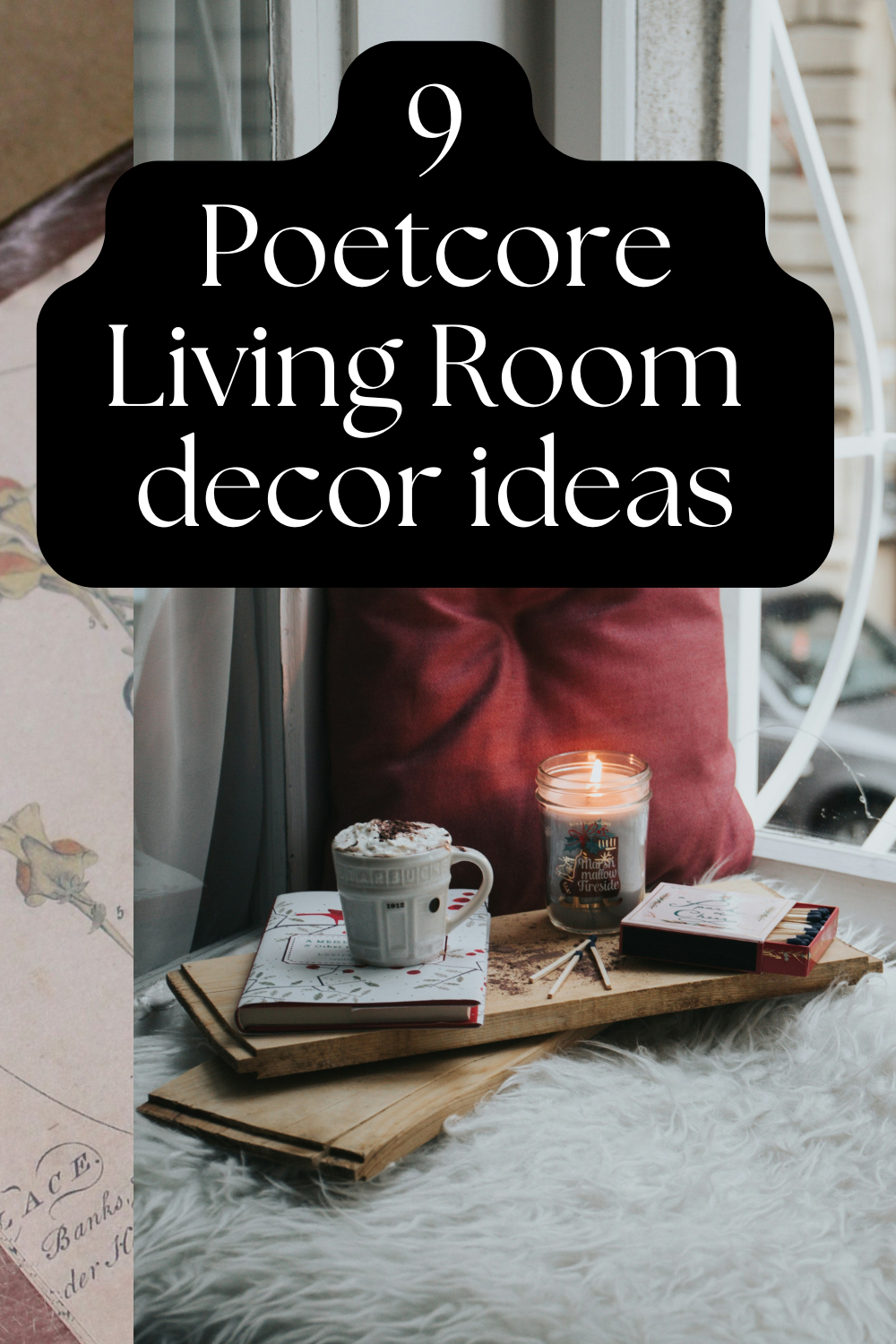
TLDR
• Core Points: Poetcore decor blends warmth, nostalgia, and literary motifs to create inviting, reflective living spaces.
• Main Content: The article outlines nine practical ideas to cultivate a poetically inspired living room, focusing on color, texture, textiles, art, and personal storytelling.
• Key Insights: A literary aesthetic thrives on curated objects, tactile materials, and subtle nods to poetry and books without feeling cluttered.
• Considerations: Balance between ornamentation and calm, mindful lighting, and workflow of daily living with display elements.
• Recommended Actions: Audit spaces for quiet corners, introduce book-loving decor, mix vintage and modern pieces, and layer textures for depth.
Content Overview
The concept of poetcore centers on turning living rooms into environments that echo poetry’s sensibilities: warmth, reflection, and a sense of narrative. Rather than flashy statement pieces, poetcore emphasizes intimate, lived-in spaces where words and textures mingle. The approach draws inspiration from literary culture—books, handwriting, and typographic elements—while staying practical for everyday life. By curating a collection of elements that nod to poetry, literature, and storytelling, a living room can feel contemplative, comfortable, and uniquely personal.
This article presents nine actionable ideas to achieve a literary aesthetic in your living space. Each tip offers a balancing act between elegance and ease, ensuring that the room remains functional while resonating with poetic charm. The suggestions are designed to be adaptable for different home sizes, budgets, and design sensibilities, encouraging readers to incorporate their own literary favorites and memories.
In-Depth Analysis
1) Curate a Book-Forward Focal Point
A poetically inspired living room often places books at the heart of the design. This can be achieved by creating a prominent bookshelf display, a tiered stacking approach, or a vintage case that feels like a miniature library. The idea is not to overload shelves but to curate titles that spark joy or intellectual curiosity. Interleave books with meaningful objects—small sculptures, glassware, or antique bookends—to create rhythm and visual interest. Consider varying the formats: large coffee-table books, slim poetry volumes, and illustrated editions. The color and fabric of the shelf itself can contribute to the aesthetic; a painted cabinet or woven storage baskets can soften the look while maintaining accessibility.
2) Embrace Warm, Literary Color Palettes
Poetcore favors warm, inviting hues that evoke candlelight, amber pages, and twilight skies. Think soft creams, oatmeal, warm greys, muted terracotta, and antique gold accents. These tones create a backdrop that allows texture and typography to take center stage. A cohesive palette helps the space feel cohesive rather than cluttered, while subtle color variation adds depth. When selecting textiles and wall treatments, aim for tonal harmony with occasional pops of color in the form of poetry-themed art or a single statement accent piece.
3) Layer Textures for Sensory Richness
Texture is central to poetcore because poetry often relies on nuance and sensation. Introduce a mix of materials: plush textiles like chenille or bouclé, natural fibers such as linen and wool, and tactile surfaces like leather or velvet. Layered textiles—throw blankets, cushions, and rugs—create a cozy, multidimensional surface that invites readers to linger. A tactile blend can transform a plain sofa into a literary nook. Don’t forget the incline of seating; a slightly reclined chair or a low-slung settee can encourage extended reading sessions.
4) Integrate Typography and Handwritten Elements
Typography can underline the literary vibe without becoming gimmicky. Framed quotes, handwriting-inspired wall decals, or type-driven wall art provide visual poetry. Consider choosing quotes from favorite poets or literary passages and presenting them in elegant frames or on a single, well-lit wall. To avoid visual overload, select a few meaningful lines and display them in a consistent typographic style. Matching the typefaces to the overall mood—serif for classic elegance, script for warmth, or sans-serif for modern minimalism—helps maintain cohesion.
5) Curate Personal Ephemera and Sentimental Objects
A poetcore living room feels personal because it collects objects that carry stories. Display travel mementos, handwritten letters, vintage postcards, diaries, or journals alongside books. These items add layers of memory and narrative, contributing to a space that feels lived-in rather than staged. Use shadow boxes, glass domes, or soft-lit shelves to elevate these pieces. The key is moderation: select items that genuinely speak to you and complement the room’s flow rather than creating visual busyness.
6) Illuminate with Gentle, Storytelling Light
Lighting plays a crucial role in establishing the mood of a literary space. Favor warm, soft lighting that mimics candlelight and supports evening reading. Layer light sources: floor lamps with warm bulbs, table lamps with fabric shades, and subtle wall sconces. A dimmer switch is highly practical, allowing you to adjust the ambiance from bright daytime reading to twilight reflection. Consider accent lighting to spotlight a favorite piece of art or a cherished book display. The goal is to create an inviting glow that invites long, thoughtful moments.
7) Integrate Quiet Greenery and Natural Elements
Plants soften the room and bring a sense of quiet growth reminiscent of nature-inspired poetry. Choose easy-care varieties with sculptural appeal—snake plants, fiddle-leaf figs, or small ferns. Botanical prints and natural elements like driftwood, dried flowers, or pressed leaves can echo literary naturalism. Greenery should be balanced with books and textiles to avoid overpowering the literary focal points. A simple plant on a coffee table or near a reading chair can complete the scene without disrupting the flow.
8) Create Cozy Nooks for Reading and Reflection
A poetcore space often includes one or more dedicated nooks designed for contemplation. Arrange a comfortable chair with a supportive back, a side table for a cup of tea, and a reading lamp within reach. Add a small ottoman or footrest to encourage relaxed posture. Surround the nook with a curated display of favorite books, a warm throw, and a small sculpture or incense holder to enhance the atmosphere. The key is to make the corner feel intimate and inviting, a place to pause amid daily life.
9) Balance Simplicity and Ornament with Thoughtful Accents
The ninth idea centers on achieving a balance between minimalism and literary ornament. Choose a few striking pieces—an art print, a sculptural object, or a typographic poster—and allow them to breathe within the room. Avoid clutter by ensuring that every item has a purpose or a meaningful association with literature. The result is a calm, refined space that feels intentional rather than busy. By calibrating ornament with function, you create an aesthetic that invites readers to linger without distraction.

*圖片來源:Unsplash*
Perspectives and Impact
Poetcore as a design philosophy intersects interior design, literary culture, and personal storytelling. Its impact lies in transforming ordinary living rooms into spaces that nurture contemplation, creativity, and calm. The approach centers on narrative as a material: books, handwriting, and literary artifacts become design elements that tell a story about the inhabitants. This philosophy can influence broader interior design trends by highlighting the value of memory, craft, and sensory experience in daily life.
From a practical standpoint, poetcore emphasizes accessibility and adaptability. It can be achieved on a range of budgets by prioritizing meaningful objects over excess. The emphasis on warmth, texture, and intimate lighting makes the space feel welcoming to guests and residents alike, encouraging slower living and mindful engagement with literature. The trend also invites collaborations between homeowners and local artists, bookstores, and craftspeople to curate a space that reflects regional literary culture and personal taste.
Looking ahead, poetcore could evolve with technological integrations that preserve the aesthetic without compromising its essence. Digital frames displaying rotating poetry, e-ink book spines, or curated online archives could complement physical books, provided they are used judiciously to avoid visual clutter. As readers increasingly seek comfort and connection in their living spaces, poetcore has the potential to become a broadly appealing interior approach that values narrative, memory, and sensory richness.
Potential limitations include the risk of nostalgia becoming overpowering or the space feeling overly curated rather than welcoming. To mitigate this, designers should prioritize lived-in comfort, practical storage, and flexibility. The most enduring poetcore spaces are those that reflect the occupants’ unique literary identities while maintaining a sense of calm and restraint.
Key Takeaways
Main Points:
– Poetcore centers on warmth, reflection, and literary inspiration through carefully chosen books, typography, and tactile textures.
– The aesthetic emphasizes balance: meaningful ornaments and textures that complement, not overwhelm, the living space.
– Personal storytelling and memory play a central role, with spaces designed to invite reading and contemplation.
Areas of Concern:
– Risk of clutter if too many decorative items are used; moderation is essential.
– Potential mismatch between old-fashioned elements and modern living needs; balance is key.
– Over-reliance on prose clichés or generic quotes that may feel inauthentic; select genuinely meaningful pieces.
Summary and Recommendations
To achieve a poetcore living room, begin by establishing a book-forward focal point that feels curated yet approachable. Build a warm, cohesive color palette that supports texture and typography without competing with reading areas. Layer textiles to create rich tactility and comfort while ensuring seating arrangements promote long, relaxed reading sessions. Incorporate typography and handwritten elements with restraint—select a few meaningful quotes or passages and display them consistently. Include personal ephemera and sentimental objects to give the space narrative depth, but avoid overloading surfaces. Lighting should be soft and adjustable to cultivate different moods, especially for evening reading. Introduce quiet greenery and natural elements to bring subtle life into the room. Create dedicated reading nooks that feel intimate and inviting, encouraging daily rituals of reading and reflection. Finally, strike a balance between simplicity and ornament by choosing a few high-impact pieces that carry personal significance and complement the overall aesthetic.
In practice, poetcore is as much about atmosphere as it is about objects. The best spaces blend literature, texture, and light into a coherent, soothing environment that invites visitors to slow down, read, and contemplate. By focusing on meaningful materials, comfortable seating, and purposeful displays, homeowners can craft living rooms that feel like poetry—warm, reflective, and intimately human.
References
- Original: https://abeautifulspace.co.uk/poetcore-living-room-decor-9-ideas-for-a-literary-aesthetic/
- Additional references:
- A Guide to Creating Cozy, Bookish Interiors
- Poetry-Inspired Home Decor Trends for 2024
- Textiles and Typography in Interior Design
Note: This rewritten article preserves the core ideas and structure of the source while expanding into a complete English article with cohesive flow and added context.

*圖片來源:Unsplash*