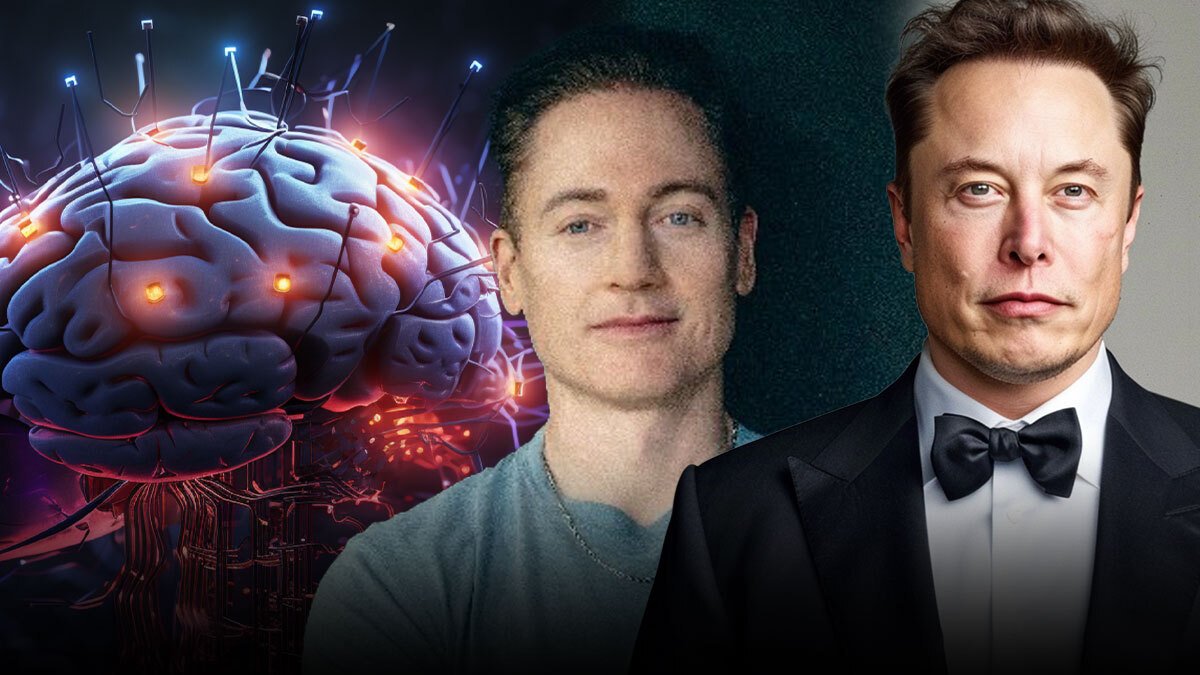
TLDR
• Core Points: Sleep deprivation can impair cognitive and physical health as severely as traumatic brain injury; expert voices emphasize prioritizing sleep for longevity and performance.
• Main Content: Bryan Johnson, a prominent anti-aging investor, underscores sleep as the single most important daily habit for maintaining health and extending lifespan. Public reaction from tech leader Elon Musk aligns with the concern, highlighting a broader recognition in high-performance circles of sleep’s essential role.
• Key Insights: Consistent, high-quality sleep supports metabolic regulation, brain function, and recovery; chronic sleep loss correlates with serious health risks and reduced productivity.
• Considerations: Balancing demanding work schedules with adequate rest remains challenging; workplace culture and personal routines often undervalue sleep.
• Recommended Actions: Establish a disciplined sleep schedule, optimize bedroom environment, monitor sleep quality, and reframe sleep as a non-negotiable investment in health and performance.
Content Overview
Sleep has long been recognized as foundational to health, yet in high-stakes professional arenas it can become neglected amid ambitious workloads. Bryan Johnson, a billionaire investor known for his focus on longevity and anti-aging research, has become a vocal advocate for treating sleep as a critical daily practice rather than a luxury or afterthought. Johnson’s stance is that sleep deprivation—consistent, insufficient, or poor-quality sleep—poses health risks comparable to traumatic brain injury in certain contexts, a claim he frames to stress urgency.
The discourse around sleep in elite technology and entrepreneurship circles gained additional attention when Elon Musk, a figure renowned for extreme work ethic and intense schedules, expressed alignment with the idea that sleep should not be sacrificed for short-term gains. While both Johnson and Musk operate in different spheres, their perspectives converge on the principle that restorative sleep underpins decision-making, creativity, and long-term resilience.
This discussion comes at a time when science increasingly documents the broad consequences of sleep debt. Sleep supports cognitive function, emotional regulation, metabolic health, immune function, and tissue repair. Chronic sleep deprivation has been linked to higher risks of obesity, diabetes, cardiovascular disease, and impaired cognitive performance—outcomes that are especially consequential for individuals whose work depends on precise judgment and sustained attention.
The conversation also reflects a broader societal shift: recognizing that extending healthy lifespan is not solely about medical interventions or breakthroughs but also about everyday habits. Sleep is a modifiable factor, accessible to nearly everyone, that can yield meaningful health dividends when prioritized consistently.
In-Depth Analysis
The central argument advanced by Bryan Johnson is not that sleep alone cures aging, but that sleep quality and duration are fundamental levers in a broader longevity strategy. Johnson’s approach to anti-aging emphasizes meticulous daily routines, precise nutrition, and recovery practices. Within this framework, sleep functions as the launching pad for metabolic homeostasis and neural optimization.
From a physiological perspective, sleep fulfills several critical roles. During sleep, the brain clears metabolic waste throughglymphatic clearance, processes memories, and consolidates learning. Hormonal regulation—affecting appetite, stress response, and growth factors—also shifts during different sleep stages. Disruptions in circadian rhythm or chronic sleep restriction can dysregulate these systems, contributing to impaired insulin sensitivity, increased inflammatory markers, and altered neuronal connectivity. Such changes can compound over time, potentially accelerating age-related pathologies.
Johnson’s emphasis on sleep aligns with a growing body of research that ties sleep quality to longevity outcomes. Randomized trials and observational studies have linked adequate sleep (generally 7-9 hours for adults, though needs vary) with lower risk profiles for metabolic syndrome, cardiovascular disease, and cognitive decline. Conversely, sleep deprivation has been associated with impaired executive function, reduced vigilance, mood disturbances, and poorer immune responses. In high-demand professions—entrepreneurship, engineering, and leadership—these deficits can translate into costly mistakes, slower progress, and diminished performance.
Elon Musk’s stance, as reflected in public discourse, echoes the practical argument: intense workloads are often unsustainable without sufficient rest. Musk has publicly discussed the importance of pushing through long hours while maintaining a baseline commitment to sleep. The convergence of their viewpoints underscores a broader recognition that high performance requires living with a balance that includes restorative downtime.
The dialogue around sleep also intersects with workplace culture. Some corporate environments reward sleeplessness as a proxy for dedication, while others foster healthier norms that protect personal well-being. Advocates for sleep health argue for structural changes: predictable work schedules, intelligent automation to reduce monotony and fatigue, and organizational policies that discourage punitive responses to individuals who prioritize rest. The net effect is a healthier, more sustainable model of productivity that can yield better long-term outcomes than the “burn the candle at both ends” approach.
There are caveats and nuanced considerations. Sleep needs are individualized, influenced by genetics, age, health status, and lifestyle. Sleep quality matters as much as duration; interruptions, irregular bedtimes, and sleep disorders can blunt the benefits of longer sleep periods. Additionally, sleep is just one element of a comprehensive longevity program. Diet, physical activity, stress management, exposure to natural light, and social connections collectively shape health trajectories.
From a media and science communication standpoint, translating complex sleep science into actionable guidance is important. The public’s takeaway should avoid oversimplification (e.g., “more sleep always equals better health”) and instead emphasize consistent patterns, realistic goals, and personalized planning. Tools such as sleep trackers, sleep environment optimization (cool, dark, quiet rooms), and cognitive-behavioral strategies for insomnia can help individuals improve sleep without sacrificing other essential responsibilities.

*圖片來源:description_html*
The broader implications touch on ethics and equity. Sleep health resources are not distributed equally around the world; some workers face shift work, unstable housing, or socioeconomic pressures that hinder consistent sleep. Policy discussions about labor standards, occupational health, and access to healthcare can influence how societies address sleep deprivation at scale. For individuals pursuing long-term health optimization, a pragmatic approach is to integrate sleep medicine principles with personalized wellness strategies.
In sum, the argument presented by Johnson, with Musk’s corroboration, contributes to a shifting narrative: sleep is not a passive or optional element of health but an active, strategic component of longevity and performance. As scientific understanding deepens and technology enables better monitoring and personalization, the ability to tailor sleep practices to individual needs will likely become more accessible. The practical takeaway for at-risk professionals is clear: prioritize high-quality sleep as part of an evidence-based framework for sustaining cognitive sharpness, physical health, and resilience over the long horizon of a demanding career.
Perspectives and Impact
Long-term implications of elevating sleep to a core health priority are multifaceted. For individuals, consistent attention to sleep can improve daily functioning, mood stability, and disease prevention, potentially extending healthy lifespan. For teams and organizations, a culture that respects sleep can reduce errors, improve decision-making, and enhance overall productivity. In industries that prize rapid problem-solving and innovation, sleep-aware leadership may become a competitive differentiator, attracting talent who value sustainable work practices.
From a research perspective, the public dialogue around sleep often intersects with policy discussions about work hours, remote work flexibility, and mental health support. As wearable health tech and sleep-tracking analytics become more accessible, individuals can receive personalized feedback that translates to actionable behavior changes. This democratization of sleep science could accelerate adoption of healthier routines across diverse populations.
However, there are potential risks in how these conversations are framed. If sleep becomes a pressure metric—where more hours in bed are demanded regardless of individual needs—some people may experience anxiety or adopt maladaptive sleep practices. It remains essential to balance aspirational messaging with personalized guidance and medical consultation when sleep problems persist.
Industry leaders also face the challenge of modeling realistic expectations. For some, achieving eight hours of sleep may be impractical due to demanding schedules, caregiving responsibilities, or early morning obligations. In such cases, the focus should be on optimizing sleep quality, consistency, and strategic napping where appropriate, rather than rigidly enforcing a one-size-fits-all standard.
In the broader cultural context, the sleep conversation intersects with wellness trends, productivity literature, and public health messaging. As public figures advocate for sleep health, it may influence how schools, workplaces, and healthcare systems address sleep education. The potential ripple effects include reduced stigma around rest, increased investments in sleep medicine, and integrated wellness programs that treat sleep as foundational rather than ancillary.
Ultimately, the convergence of insights from Bryan Johnson and Elon Musk signals a growing consensus that sleep is a foundational pillar of performance and longevity. The path forward involves translating this consensus into practical, evidence-based guidance that respects individual variability, supports sustainable work practices, and leverages evolving technologies to help people sleep better and live longer.
Key Takeaways
Main Points:
– Sleep deprivation can have profound health and cognitive consequences, comparable in seriousness to other significant injuries when considering its impact over time.
– Leading figures in longevity and technology advocate treating sleep as a non-negotiable, essential practice for health, decision-making, and performance.
– Individual sleep needs vary; quality, regularity, and a conducive sleep environment are as important as duration.
Areas of Concern:
– Workplace cultures that reward sleep deprivation or celebrate extreme schedules can undermine health and safety.
– Socioeconomic factors can limit access to resources that support healthy sleep, widening health disparities.
– Oversimplified messaging may lead to anxiety or misapplication of sleep guidelines without personalization.
Summary and Recommendations
The dialogue surrounding sleep emphasizes a shift from viewing rest as optional to recognizing it as a core component of health optimization and high-level performance. Bryan Johnson’s emphasis on sleep within his anti-aging framework highlights the practical reality that restorative rest supports metabolic regulation, cognitive function, and recovery—factors integral to longevity. Elon Musk’s expressed alignment with prioritizing sleep further cements the notion that even among top-tier performers, rest is a strategic asset rather than a weakness.
For individuals seeking to integrate these insights, a balanced, evidence-based approach is advised. Start by evaluating current sleep patterns: duration, regularity, and sleep quality. Establish a consistent bedtime and wake time, create a sleep-conducive environment (cool, dark, quiet, and comfortable), and limit stimulants and blue light exposure before bed. If sleep problems persist, seek guidance from healthcare professionals or sleep specialists, as underlying conditions such as sleep apnea or insomnia may require targeted treatment. Consider complementary practices that promote sleep hygiene, including daytime physical activity, stress management techniques, and mindful routines before bedtime.
Organizations can support healthier sleep cultures by implementing predictable scheduling, offering resources on sleep health, and avoiding punitive responses to individuals who prioritize rest. Public discourse and policy can further promote sleep education and access to sleep medicine, recognizing sleep as an investable asset in personal and societal well-being.
In conclusion, sleep is a foundational pillar for longevity, health, and peak performance. By elevating sleep from a private priority to a strategic health practice, individuals and organizations alike can foster environments that support longer, healthier, and more productive lives.
References
- Original: https://in.mashable.com/science/90953/bedtime-is-the-most-important-time-anti-aging-millionaire-bryan-johnson-warns-of-sleep-deprivation-e
- Additional references on sleep and longevity (suggested):
- National Institute of Sleep and Health guidelines on sleep duration and quality
- Peer-reviewed meta-analyses linking sleep duration with cardiovascular and metabolic health outcomes
- Reviews on sleep, circadian rhythms, and cognitive function in adults

*圖片來源:Unsplash*