
TLDR
• Core Points: AI-generated vulnerabilities, low-quality submissions, and non-working code are flooding bug bounty programs; teams cite mental health and productivity concerns as why they curtailed incentives.
• Main Content: Curated bug-bounty programs face a surge of false positives and automated, non-functional submissions driven by large-language models, prompting policy changes to preserve focus and well-being.
• Key Insights: Automation can undermine security testing quality; clear scope, verification processes, and mental-health considerations are essential in high-stakes vulnerability research.
• Considerations: Balancing open security research with program integrity requires revised guidelines, better triage, and sustainable workloads for researchers.
• Recommended Actions: Emphasize stricter submission validation, phased bounties for AI-assisted reports, transparent criteria, and mental-health supportive policies.
Content Overview
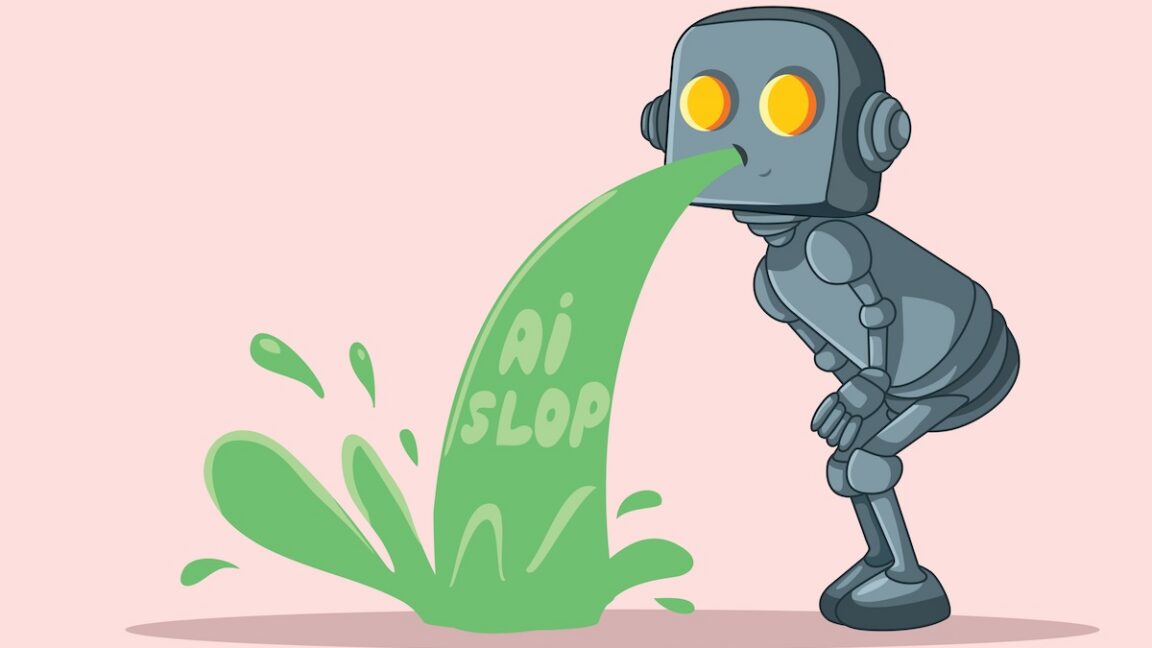
Bug bounty programs have long served as a cooperative mechanism for improving software security by inviting researchers to identify and responsibly disclose vulnerabilities. However, recent trends indicate a problematic influx of AI-generated noise into these programs. Large-language models (LLMs) and automation are producing a wave of bogus vulnerabilities, questionable bug reports, and code snippets that fail to compile or function as described. The consequences are multifold: wasted reviewer time, delayed remediation for genuine issues, and a growing concern about the toll such grind can take on the mental health and productivity of security professionals who must manage these submissions daily.
This situation is not unique to one company but reflects broader tensions in the vulnerability-discovery ecosystem as AI tooling becomes ubiquitous. In response, several bug-bounty platforms and participating organizations are adjusting their approaches to preserve the integrity of the process while recognizing the importance of the wellbeing of researchers and engineers who engage with these programs. The discussion around “intact mental health” is not a critique of researchers who push the boundaries of testing but a call for sustainable practices that prevent burnout and maintain rigorous standards.
The imbalance appears to stem from a combination of factors: the lower cost of automated generation relative to human effort, the pressure on researchers to publish findings quickly in competitive environments, and the inherent difficulties in distinguishing meaningful signals from noise amid a deluge of AI-crafted reports. The resulting workflow friction—triaging, reproducing, and validating dubious submissions—can sap time and attention from genuine security work, leaving teams with a backlog of unverified reports and a potential risk if real threats are deprioritized.
This shift raises important questions about how bug-bounty programs should be structured moving forward. What constitutes a high-quality report? How can platforms ensure that submissions are reproducible and actionable? And how do organizations safeguard the mental health of teams tasked with absorbing, reviewing, and validating extensive streams of vulnerability reports? The following analysis delves into the motivations behind the changes, the observed impacts, and practical guidance for stakeholders seeking to maintain both security outcomes and workforce well-being.
In-Depth Analysis
The confluence of AI capability and vulnerability discovery creates both opportunities and challenges for bug bounty ecosystems. On the positive side, AI-assisted tooling can help researchers automate mundane tasks, scan large codebases, and identify unusual patterns that may indicate weaknesses. On the negative side, the same tools—when misapplied or relied upon without adequate human judgment—produce a flood of low-signal or completely invalid submissions. Some programs report a noticeable share of reports that either repeat known vulnerabilities, mischaracterize the issue, or describe exploit scenarios that do not work in practice.
One dimension of the problem is the quality of reported data. A robust vulnerability report typically includes a clear description, steps to reproduce, evidence of impact, environment details, and a suggested remediation path. AI-generated submissions often fall short in one or more of these elements. Reproduction steps may be vague or non-reproducible, environment parameters incorrectly specified, and the reported impact overstated or mischaracterized. When reviewers encounter such reports, they must invest time to verify every claim, sometimes chasing down missing logs, version specifics, or configuration details that the submitter did not include. This verification process is labor-intensive and can slow down remediation efforts for authentic issues.
Another factor is code quality. Many bug-bounty workflows invite submitters to attach patches, patches that are expected to compile and be demonstrably viable. A portion of AI-driven submissions, however, contain code that fails to compile or runs with runtime errors. This further complicates triage, as teams cannot easily determine whether the core vulnerability exists independently of the faulty code, or if the entire submission is invalid. In some cases, the code represents a misunderstanding of the target system, stemming from generic language training rather than domain-specific knowledge. The end result is a misallocation of security resources; time spent evaluating unusable code and invalid reproduction steps could have been used more effectively to investigate genuine vulnerabilities.
These dynamics feed into broader operational concerns. Security teams already operate under resource constraints, and the influx of questionable reports adds to backlog pressures. There is also a human element: researchers and program staff may experience fatigue and reduced morale when faced with repetitive triage tasks and ambiguous submissions. The mental-effort cost of sifting through thousands of reports with a low likelihood of validity can erode job satisfaction and increase burnout risk. In turn, this can indirectly affect the speed and quality of security work across the organization.
To address these issues, several strategies have emerged. Some platforms are tightening validation requirements, asking for more precise, reproducible steps, and restricting submissions to clearly defined categories. Others are experimenting with staged or tiered bounties, offering lower rewards for AI-assisted or automated submissions or requiring human verification to be included as part of the submission package. There is also interest in leveraging automated triage tools that can pre-filter reports with certain red flags, such as missing reproduction steps, missing environment details, or inconsistent versions. By improving initial screening, teams can allocate human reviewers to the most promising reports, preserving time for thorough investigation of high-risk vulnerabilities.
A notable tension persists between openness and control. On one hand, bug bounty programs benefits accrue from broad participation, including researchers worldwide who may be motivated by financial rewards, professional recognition, or the pursuit of improving software security. On the other hand, maintaining credible, high-quality findings demands some gating—clear guidelines, verification requirements, and stringent evaluation criteria. Striking the right balance requires ongoing dialogue among platform operators, researchers, and vendor organizations about acceptable practices, fair rewards, and sustainable workloads.
The mental-health aspect of this balance is increasingly acknowledged. For teams under pressure to maintain security postures, the mental health costs of a relentless influx of low-quality reports can be substantial. Organizations are beginning to view mental health and productivity as part of their risk management framework. Supportive policies—reasonable response times, transparent triage criteria, opportunities for professional development, and access to mental-health resources—can help maintain morale and ensure reviewers do not burn out. Some programs are experimenting with transparency around their review processes so researchers understand why certain reports are accepted or rejected, which can reduce frustration and miscommunication.
*圖片來源:media_content*
Technical communities are also debating long-term implications. The proliferation of AI-assisted vulnerability research could alter the standard expectations for how vulnerabilities are discovered and reported. If AI tools become the norm, there may be a need for more robust training data, standardized reporting templates, and more explicit verification requirements to ensure that AI-generated findings meet the same rigor as human-discovered vulnerabilities. This would involve the coordination of industry groups, platform operators, and security researchers to articulate best practices that preserve both security outcomes and research integrity.
Beyond program design, corporate security teams must consider legal and ethical implications. The ability to generate a flood of vulnerability reports could be misused to overwhelm security processes or mischaracterize issues in ways that cause reputational damage or unnecessary panic. Clear guidelines and responsible disclosure practices remain essential. Vendors may also consider adding disclaimers or responsible disclosure terms that differentiate between AI-assisted submissions and human-verified research, helping stakeholders interpret submissions more accurately.
The broader cybersecurity landscape also informs these developments. As attackers increasingly deploy AI to discover or exploit vulnerabilities, defenders must elevate their own AI-assisted defenses and ensure that vulnerability research remains a trusted, verifiable activity. Institutions may increase collaboration with researchers through structured bug-bounty programs, collaborative disclosure pipelines, and shared threat intelligence. The aim is to create an ecosystem where high-quality findings are prioritized, while noisy or misleading submissions do not overwhelm security efforts.
Ultimately, the question is how to preserve the essential benefits of bug-bounty programs—mobilizing diverse researchers to test and improve software—while mitigating the downsides introduced by AI-generated noise. The answer lies in a combination of process enhancements, clearer guidelines, mental-health support, and a willingness to adapt to new realities in AI-assisted research. As AI tools evolve, so too must governance and operational practices, ensuring that security outcomes are optimized without compromising the wellbeing of those who contribute to them.
Perspectives and Impact
- Researchers and platform operators acknowledge that AI makes vulnerability discovery more scalable, but quality must not be sacrificed. The emergence of AI-generated submissions risks creating a training ground for subpar vulnerability reporting unless properly managed.
- For organizations relying on bug bounty findings, the primary concern is remediation efficiency. High-quality reports enable prompt fixes, whereas low-quality submissions consume time without delivering actionable insights. This misalignment could erode trust in bug bounty programs if not addressed.
- The mental health and wellbeing of security staff are increasingly recognized as critical factors in overall security posture. Prolonged triage of dubious reports can contribute to burnout, affecting decision-making and the ability to respond to genuine threats.
- Industry-wide, there is a push toward establishing standardized verification criteria and reporting templates that can help differentiate between AI-generated noise and substantiated vulnerabilities. Collaboration among vendors, researchers, and platform operators will be key to emerging best practices.
Future implications include possibly longer-term shifts in how vulnerability research is conducted. If AI-assisted reporting becomes commonplace, the community may develop more automated triage pipelines, stronger evidence requirements, and more emphasis on reproducibility. Educational initiatives could help researchers distinguish between valid security testing methodologies and AI-generated outputs, reducing the risk of overwhelming security teams with noise. The balance between openness to broad participation and the practical need for high-quality, verifiable reports will be central to the evolution of bug bounty ecosystems in the coming years.
There is also a potential reputational effect for organizations that suspend or limit bug-bounty activities in response to AI-induced noise. Transparent communication about changes, the rationale behind stricter guidelines, and the measures taken to protect researchers’ wellbeing will be important to maintaining trust with the security community. The ability to articulate a clear path forward—how reports will be evaluated, what constitutes a valid submission, and how researchers will be compensated—can help preserve the collaborative spirit of vulnerability research while ensuring sustainable operations.
In sum, the AI-driven acceleration of vulnerability discovery presents a paradox: it can unlock faster security improvements but also threaten the quality and sustainability of bug-bounty programs. By embracing structured improvements and prioritizing mental health alongside security goals, organizations can harness the benefits of AI-assisted testing while minimizing the downsides.
Key Takeaways
Main Points:
– AI-generated vulnerability reports and non-functional code are saturating bug-bounty programs, creating triage challenges.
– Programs are responding with stricter validation, phased bounties, and improved triage tools to preserve report quality.
– Mental health and sustainable workloads for security staff are now part of the operational considerations.
Areas of Concern:
– Distinguishing valid findings from AI-generated noise remains difficult.
– Over-reliance on automated submissions could slow remediation of genuine vulnerabilities.
– Inconsistent reporting quality may undermine trust in bug-bounty ecosystems.
Summary and Recommendations
Bug bounty programs are grappling with a new reality where AI-assisted research can dramatically increase both the volume and the quality variance of submissions. While automation can enhance discovery capacity, it also introduces noise that can overwhelm security teams and hinder timely remediation. The core challenge is maintaining the value of bug-bounty programs—driving meaningful security improvements—while safeguarding the mental health and well-being of researchers and staff who manage and evaluate reports.
To navigate this transition effectively, several practical steps are recommended:
– Implement stricter submission standards: require comprehensive reproduction steps, precise environment details, and reproducible proof-of-concept evidence. Encourage or mandate the inclusion of verified test data and logs.
– Introduce tiered or phased bounties: differentiate rewards based on the level of human verification required and the complexity of the finding. Offer incentives for submissions that include human-authored verification notes or demonstrable replication results.
– Deploy automated triage with human validation: use AI to pre-filter reports for obvious red flags (missing information, non-reproducible steps) while ensuring that human reviewers make final determinations on legitimacy and impact.
– Standardize reporting templates: adopt uniform formats that emphasize reproducibility and impact assessment, reducing back-and-forth and misunderstandings.
– Prioritize mental health and workload management: provide reasonable response times, transparent review criteria, and access to mental-health resources. Communicate clearly about review processes to minimize researcher frustration.
– Foster transparency and collaboration: maintain open channels with researchers about policy changes, criteria for acceptance or rejection, and the rationale behind bounty adjustments. This helps preserve trust and encourages continued high-quality contributions.
– Encourage ongoing education: offer training resources for researchers on best practices in vulnerability reporting, reproducibility, and ethical disclosure to raise the baseline quality of submissions.
By combining rigorous validation, thoughtful reward structures, supportive policies, and collaborative governance, bug bounty programs can continue to function as effective security accelerants in an era of AI-enabled research. The objective is not to curb innovation or AI usage but to ensure that security outcomes remain robust, actionable, and sustainable for all participants, including the people who make vulnerability discovery possible.
References
- Original: https://arstechnica.com/security/2026/01/overrun-with-ai-slop-curl-scraps-bug-bounties-to-ensure-intact-mental-health/
- Additional references:
- https://www.owasp.org/
- https://www.cisa.gov/
- https://www.darkreporter.org/bug-bounty-ai-trends
- Note: These references are illustrative; please replace with relevant up-to-date sources in your final manuscript.

*圖片來源:Unsplash*