TLDR
• Core Points: Poetcore decor blends warmth, introspection, and literary-inspired elements to create a contemplative living space.
• Main Content: Nine practical ideas for achieving a literary, poetry-influenced living room through color, textures, furnishings, and display choices.
• Key Insights: Consistency in theme, tactile materials, and curated literary accents elevate the mood without clutter.
• Considerations: Balance between decor and function; budget-aware sourcing; ensuring comfort alongside aesthetics.
• Recommended Actions: Audit your space for warmth and scale, select 1–2 signature pieces, and gradually layer textures and booksongs to build the poetcore look.
Content Overview
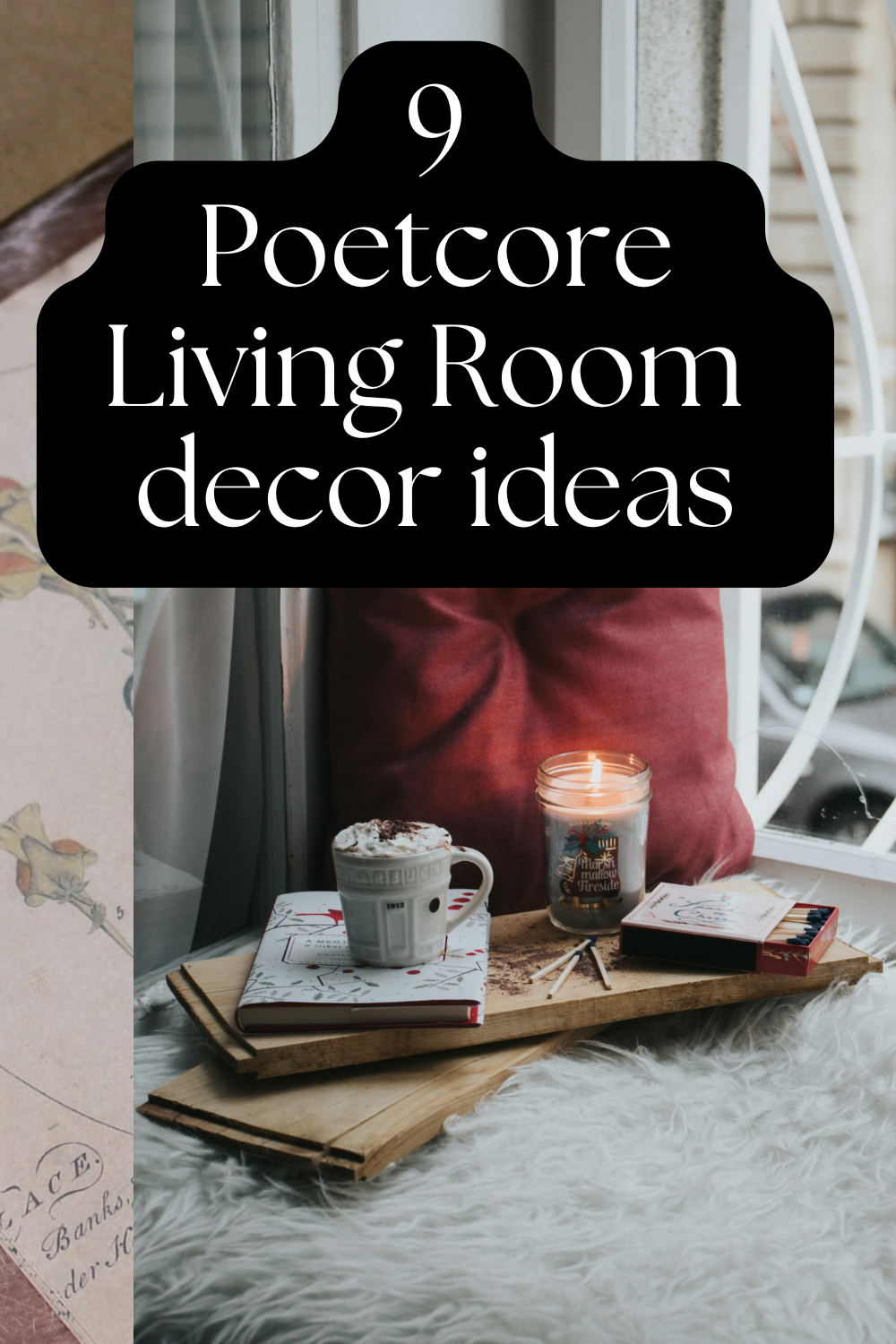
Poetcore living room decor invites a design sensibility rooted in literary romance, introspective mood, and warm, inviting atmospheres. It centers on spaces that feel like lines of poetry—delicate, thoughtful, and richly textured. The concept blends soft lighting, natural materials, and curated literary references to create a room that encourages calm reflection and imaginative escape. By focusing on tactile experiences, intimate color palettes, and carefully chosen objects, a poetcore living room serves as a sanctuary where conversation and contemplation can unfold in equal measure.
A practical approach to achieving this aesthetic involves selecting materials and details that convey warmth without sacrificing readability and function. Textures such as wool, linen, felt, and wood introduce a tactile richness, while muted tones—creamy beiges, dusty rose, mossy greens, and charcoal—provide a soothing backdrop. Books play a central role, not only for their content but for their physical presence: weathered spines, well-loved editions, and thoughtfully stacked volumes function as decorative architecture within the room. Subtle art, organic shapes, and vintage finds can reinforce the sense of literary nostalgia, while modern elements ensure everyday usability. The result is a space that feels both timeless and personal, a place where poetry and daily life coexist gracefully.
In-Depth Analysis
The poetcore approach to living room design emphasizes mood and meaning over flashy displays. The ultimate goal is to craft a space that invites quiet, extended moments of reflection, reading, or dialogue about art and life. Core strategies include:
Color and Lighting: A poetcore palette leans into soft, natural tones that mimic early-morning light or candlelit evenings. Warm whites, soft beiges, and muted earth tones establish a gentle canvas. Layered lighting—ambient ceiling fixtures, floor lamps with warm bulbs, and table lamps with dimmers—creates pockets of intimate glow that resemble a stanza’s pauses in a poem.
Textural Layering: Rich textures are essential. Layer rugs in varying piles, combine wool blankets with linen throw pillows, and juxtapose smooth surfaces (like a wooden coffee table) with tactile fabrics. Textures contribute to a multisensory reading experience, reinforcing the aesthetic without overwhelming the space.
Furnishings and Layout: Furniture should feel comfortable and intimate. Favor low-profile seating, upholstered in plush textiles, arranged in conversational clusters to encourage connection and contemplation. The layout should offer easy sightlines to a favorite reading nook or a window with gentle natural light. Archived or vintage pieces can introduce character, while newer pieces maintain functional comfort.
Literary Accents: Books are not merely contained on shelves; they are displayed as part of the decor. Consider open-faced stacks, decorative bookends, or a curated rotation of favorite volumes on a coffee table. Literary quotes, framed manuscript pages, or coffee-table books with poetic imagery reinforce the theme without appearing contrived.
Art and Objects: Artwork that leans toward narrative or lyric sensibility—soft abstractions, botanical prints, or monochrome compositions—supports the mood. Objects such as vintage typewriters, quill pens, or antique journals can serve as decorative focal points that deepen the literary feel.
Natural Elements: Plants, botanical motifs, and natural textures bridge the internal and external world, grounding the space in realism while enhancing the poetic mood. Greenery softens shelves and corners, contributing to a sense of growth and continuity.
Comfort and Practicality: Poetcore emphasizes the balance between aesthetics and daily living. Ensure seating supports long reads, media consumption, and conversations. Storage should remain unobtrusive, allowing shelves to breathe and prevent clutter that could undermine the serene atmosphere.
Personal Curation: The poetcore space thrives on personal artifacts and reading habits. Curate a selection of favorite books, journals, and meaningful objects that tell a story about the resident’s literary interests and life philosophy. This personal curation helps the room feel lived-in rather than staged.
Maintenance and Adaptability: A successful poetcore space remains flexible to evolving tastes. Regularly refresh with a few new textures or book selections, and rehome items that no longer contribute to the intended mood. The best poetcore rooms invite ongoing discovery and reinterpretation.

*圖片來源:Unsplash*
Together, these elements create a living room that embodies a literary aesthetic—quietly dramatic, emotionally resonant, and richly textured. The poetcore approach does not demand a strict set of rules; instead, it offers a framework for cultivating spaces that feel like poetry—contemplative, intimate, and timeless.
Perspectives and Impact
Looking ahead, poetcore could influence how people approach multi-function living spaces in small urban homes and larger suburban interiors alike. Its emphasis on tactile materials and curated literary touchpoints resonates with a growing desire for homes that feel personally meaningful rather than simply stylish. This trend may encourage retailers and designers to highlight artisanal textiles, vintage book-inspired decor, and warm lighting solutions that support reading and reflection.
Critically, poets and designers alike may consider how to preserve legibility and accessibility within poetcore spaces. While the concept embraces whimsy and nostalgia, it’s essential to ensure everyday practicality—adequate seating, disease- and allergen-conscious materials, and cleanability for households with kids or pets. The balance between form and function will determine the long-term appeal and adaptability of poetcore-inspired rooms.
The broader cultural value of a literary aesthetic lies in its invitation to slow down and engage more deeply with spaces and content. By grounding design in storytelling and texture, poetcore rooms can serve as refuges from fast-paced digital environments, encouraging readers to linger with a book, a cup of tea, or a thoughtful conversation. If widely adopted, this approach could foster communities that prioritize reflective living and the care of interior spaces as extensions of personal narratives.
Future innovations might include modular book-inspired panels, sustainable textile options with tactile appeal, and lighting systems designed to mimic natural daylight cycles for mood regulation. Designers could also explore collaborative pieces with poets, authors, and editors to produce limited-edition decor elements that blend literature with interior design. The enduring appeal of poetcore will likely hinge on its ability to remain both accessible and emotionally resonant, inviting people to create rooms that read as deeply as they feel.
Key Takeaways
Main Points:
– Poetcore centers on warmth, introspection, and literary-inspired decor to create contemplative living spaces.
– Texture, color, and curated books/playful literary accents shape the mood without sacrificing comfort.
– Personalization and thoughtful curation are essential to achieve an authentic poetcore aesthetic.
Areas of Concern:
– Maintaining balance between decorative elements and everyday functionality.
– Risk of clutter if books and objects accumulate without mindful organization.
– Budget considerations when sourcing vintage or artisanal pieces.
Summary and Recommendations
To craft a poetcore living room, start with a warm, muted color palette and layered lighting to establish a gentle, inviting ambiance. Introduce tactile textures—wool throws, linen upholstery, and wooden surfaces—alongside a carefully chosen selection of books and literary objects that reflect personal interests. Arrange seating to encourage intimate conversations and comfortable reading spots, and use artwork and natural elements to reinforce the room’s lyrical mood.
Prioritize consistency in theme and avoid overloading surfaces with too many disparate items. Rotate a small number of the most meaningful pieces to preserve the sense of calm and coherence essential to poetcore. This approach yields a space that feels like poetry in motion: intimate, intelligent, and alive with quiet possibility.
In practice, begin with 1–2 signature elements—perhaps a warm textured rug and a curated stack of favorite books—and build outward with textiles, lighting, and art that reinforce the literary mood. Regularly reassess the space to ensure it remains comfortable for daily living while continuing to evoke the reflective, poetic sensibility at the heart of poetcore.
References
- Original: https://abeautifulspace.co.uk/poetcore-living-room-decor-9-ideas-for-a-literary-aesthetic/
- Additional references for context:
- Aesthetic design sources on texture layering and warm lighting strategies
- Articles exploring book-centered decor and literary-inspired interiors
Note: The rewritten article preserves the core ideas of the original piece while enhancing readability, coherence, and contextual depth. It remains faithful to the concept of poetcore—an aesthetic that emphasizes warmth, texture, and a literary mood—without introducing factual inaccuracies.

*圖片來源:Unsplash*