TLDR
• Core Points: Urban balcony gardening is rising in popularity in 2026, emphasizing space efficiency, sustainability, and versatile designs.
• Main Content: The article highlights ten prominent balcony garden trends shaping urban outdoor spaces this year, from modular planters to climate-conscious plant choices and tech-enabled conveniences.
• Key Insights: Small spaces can be transformed into lush, functional retreats through thoughtful layout, durable materials, and smart irrigation.
• Considerations: Budget, local climate, and building regulations influence trend adoption; maintenance requirements and safety should be weighed.
• Recommended Actions: Assess sun exposure, choose modular, scalable setups, and pair drought-tolerant plants with water-saving systems for year-round appeal.
Content Overview
Garden balcony trends are gaining momentum as more people pursue urban living with limited outdoor space. In 2026, the balcony is reimagined as a flexible extension of the home: a place to relax, grow edible plants, and entertain guests. The trends discussed reflect a blend of practicality, aesthetics, and sustainability, focusing on maximizing small footprints without sacrificing style. Expect a shift toward modular solutions that adapt to changing needs, materials that withstand weather conditions, and planting strategies that balance beauty with environmental responsibility. The overarching goal is to create intimate, low-maintenance green sanctuaries that perform well across seasons while remaining accessible to a broad audience—from apartment dwellers to condo owners.
In-Depth Analysis
1) Modular, stackable planters and vertical gardens
With space at a premium, modular planters and vertical gardening systems are essential for maximizing planting area without widening a balcony. These systems allow for easy customization, reconfiguration, and expansion as needs evolve. Materials range from durable, weather-resistant plastics to lightweight metals and composite woods. Vertical setups can support herbs, compact vegetables, and flowering vines, transforming bare railings or walls into living focal points. Maintenance tends to be straightforward, and these solutions integrate neatly with railing attachments or wall-mounted frameworks.
2) Weatherproof, low-maintenance materials
Balconies endure sun, wind, and rain. 2026 trends favor weatherproof materials like powder-coated metal, teak or synthetic teak, weather-resistant composites, and treated hardwoods. These choices reduce warping, fading, and rot while requiring minimal upkeep. Color palettes lean toward neutral bases with bold accent tones, enabling adaptability across seasons and decorating schemes. The emphasis is on longevity and resilience to outdoor conditions, ensuring that balcony gardens look polished year-round.
3) Drought-tolerant planting and water-efficient systems
Water conservation remains a priority in urban gardening. Gardens emphasize drought-tolerant species, native plants adapted to local climates, and efficient irrigation solutions such as drip systems, capillary mats, and moisture-sensing controllers. Self-watering pots and rainwater harvesting options are increasingly popular. These approaches maintain plant health with reduced water use, aligning with eco-conscious lifestyles and regulatory expectations in some cities.
4) Edible balconies: herbs and compact vegetables
Growing food on balconies is both practical and satisfying. Edible balcony setups focus on compact varieties of herbs (basil, thyme, chives), leafy greens, and small fruiting plants (strawberries, compact cherry tomatoes). Container choices prioritize root depth and drainage. Culinary-inspired design elements, such as elevated herb towers or balcony-side herb rails, encourage frequent harvesting and ease of use for cooking. The trend highlights the balance between aesthetics and function.
5) Soft, layered microclimates and shading solutions
Balconies benefit from creating microclimates that protect plants from harsh afternoon sun or cold winds. Shade sails, outdoor blinds, trellises with climbing plants, and pergola-style coverings help regulate light and temperature. Layering plants of different heights—groundcovers, mid-height shrubs, and tall verticals—adds depth and seasonal interest. These strategies extend the growing season and improve plant performance in variable urban microclimates.
6) Integrated lighting and ambiance
Evening usability is a growing priority. Integrated lighting—low-voltage LEDs, solar-powered fixtures, and string lights—creates a warm, inviting ambiance and extends outdoor use after dark. Lighting design emphasizes energy efficiency and safety, highlighting pathways, seating areas, and key plant features. A well-lit balcony can feel like a controlled extension of indoor living space.
7) Smart irrigation and automation
Automation makes balcony gardening accessible to beginners and busy residents. Smart controllers adjust watering based on weather data and soil moisture, reducing waste and preventing over- or under-watering. App-controlled irrigation, moisture sensors, and timed drip systems enable hands-off care while maintaining plant vitality. This tech-forward approach aligns with modern urban lifestyles and improves reliability.
8) Sustainable containers and upcycled materials
Sustainability continues to influence container choice. Recycled or upcycled containers, sustainable composites, and responsibly sourced timber are favored. Lightweight, durable options make long-term balcony gardening feasible for renters and frequent movers. Aesthetic considerations favor a cohesive look that blends with the building’s architecture while signaling environmental stewardship.
9) Flexible furniture and dual-purpose spaces
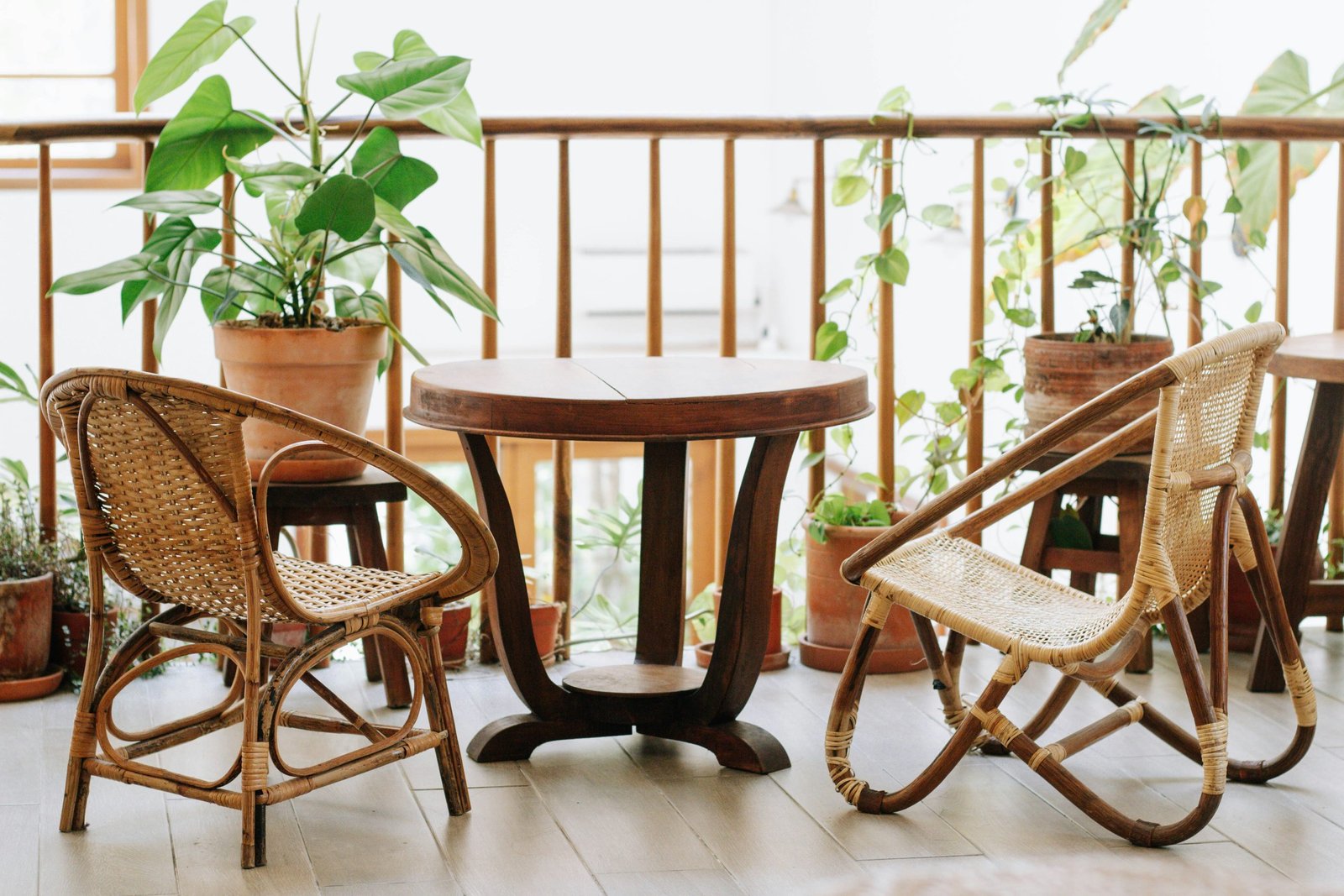
Balcony design increasingly blends seating with gardening. Folding tables, stackable chairs, and built-in benches with planter boxes maximize seating without compromising plant space. Multi-functional features—such as storage under seating or planters integrated into railing systems—improve usability. The aim is to create a comfortable, sociable zone that can shift between relaxation, dining, and horticultural activities.
10) Personalization and biophilic design
Biophilic design elements—natural textures, organic shapes, and plant-centric decor—enhance psychological well-being. Personalization through plant selections, color schemes, and decor accents helps residents express style while staying cohesive with the overall aesthetic. This trend emphasizes creating a sanctuary that reflects individual taste, fosters connection with nature, and provides a sense of calm amid urban environments.
Overall, 2026 balcony garden trends center on practical ingenuity, ecological awareness, and a thoughtful blend of form and function. By combining modular systems, durable materials, water-wise practices, edible planting, microclimate strategies, lighting, automation, sustainability, versatile furnishings, and biophilic design, city dwellers can transform small outdoor spaces into vibrant, livable extensions of their homes.

*圖片來源:Unsplash*
Perspectives and Impact
The rise of garden balcony trends signals a broader shift toward greener urban living. As cities densify and outdoor spaces contract, residents increasingly treat balconies as essential living areas rather than mere afterthoughts. This shift has several implications:
Environmental benefits: More balcony gardens mean greater urban greenery, contributing to improved air quality, urban cooling, and biodiversity in dense neighborhoods. Even small plantings help offset heat island effects and provide habitats for pollinators when chosen thoughtfully.
Health and well-being: Access to private green space has been linked to reduced stress and improved mental health. A well-designed balcony garden offers a sanctuary for relaxation, exercise, and social interactions, especially for residents with limited indoor space.
Economic considerations: While initial setup costs can vary, scalable, modular systems offer cost-effective paths to grow over time. The emphasis on durable materials reduces long-term maintenance expenses. Edible balcony setups can also lower grocery expenses and promote food literacy.
Housing policy and regulations: As more people garden in restricted spaces, local regulations around water use, waste, and safety may influence design choices. Communities might encourage shared resources, rainwater collection, and sustainable irrigation practices through incentives or guidelines.
Knowledge sharing and community: Online tutorials, local workshops, and balcony-gardening communities can accelerate adoption. Sharing tips on plant selection, microclimate management, and maintenance routines supports beginners and advanced gardeners alike.
Future implications point toward even smarter, more resilient balcony ecosystems. Advances in lightweight, modular materials, autonomous irrigation, and climate-adapted plant varieties will further lower barriers to entry. As designers and residents experiment with textures, finishes, and lighting, balcony gardens could become increasingly indistinguishable from interior living spaces in terms of comfort and utility.
Key Takeaways
Main Points:
– Modular, vertical garden systems maximize small balcony spaces.
– Durable, weather-resistant materials reduce maintenance and prolong lifespan.
– Water-efficient practices and drought-tolerant plant selections are central to sustainable balconies.
– Balconies can be productive as edibles, not just decorative spaces.
– Lighting, automation, and flexible furniture enhance usability and ambiance.
Areas of Concern:
– Local regulations and building codes may constrain certain setups.
– Maintenance complexity can rise with additional tech or modular layers.
– Weight considerations must be assessed for balcony load limits and railing integrity.
Summary and Recommendations
In 2026, balcony gardens reflect a mature approach to urban greenery: compact, versatile, and sustainable. The ten trends outlined—modular planters, resilient materials, drought-conscious planting, edible options, microclimate management, integrated lighting, smart irrigation, eco-friendly containers, flexible furnishings, and biophilic personalization—collectively enable residents to craft functional green retreats within tight urban footprints. To implement these ideas successfully, consider starting with a clear assessment of sun exposure, wind patterns, and load capacity. Choose modular systems that can grow with your needs, prioritize drought-tolerant plant groups suited to your climate, and incorporate water-saving irrigation. Pair these practical choices with soothing lighting and comfortable seating to create an inviting space that you’ll want to use year-round. Regular maintenance planning—checking soil moisture, pruning, and seasonal adjustments—will help sustain long-term beauty and productivity. By embracing these trends thoughtfully, apartment dwellers can transform balconies into valuable, resilient extensions of their homes.
References
- Original: https://abeautifulspace.co.uk/10-garden-balcony-trends-in-2026-youll-see-everywhere/
- Additional references:
- A guide to urban balcony gardening: planning and design
- Water-wise balcony gardening: irrigation and drought-tolerant plants
- Biophilic design in small outdoor spaces

*圖片來源:Unsplash*