TLDR
• Core Points: Amazon will close all Amazon Go and Amazon Fresh stores nationwide, eliminating approximately 400 jobs in Washington state.
• Main Content: The layoffs stem from the nationwide store closures, affecting workers employed at Go and Fresh locations in WA.
• Key Insights: The closures reflect a broader strategic shift in Amazon’s brick-and-mortar operations amid evolving retail priorities.
• Considerations: The impact on workers and communities surrounding affected stores, plus potential reallocation or severance options, warrant attention.
• Recommended Actions: Stakeholders should monitor transition assistance, explore retraining or transfer opportunities, and assess broader implications for local labor markets.
Content Overview
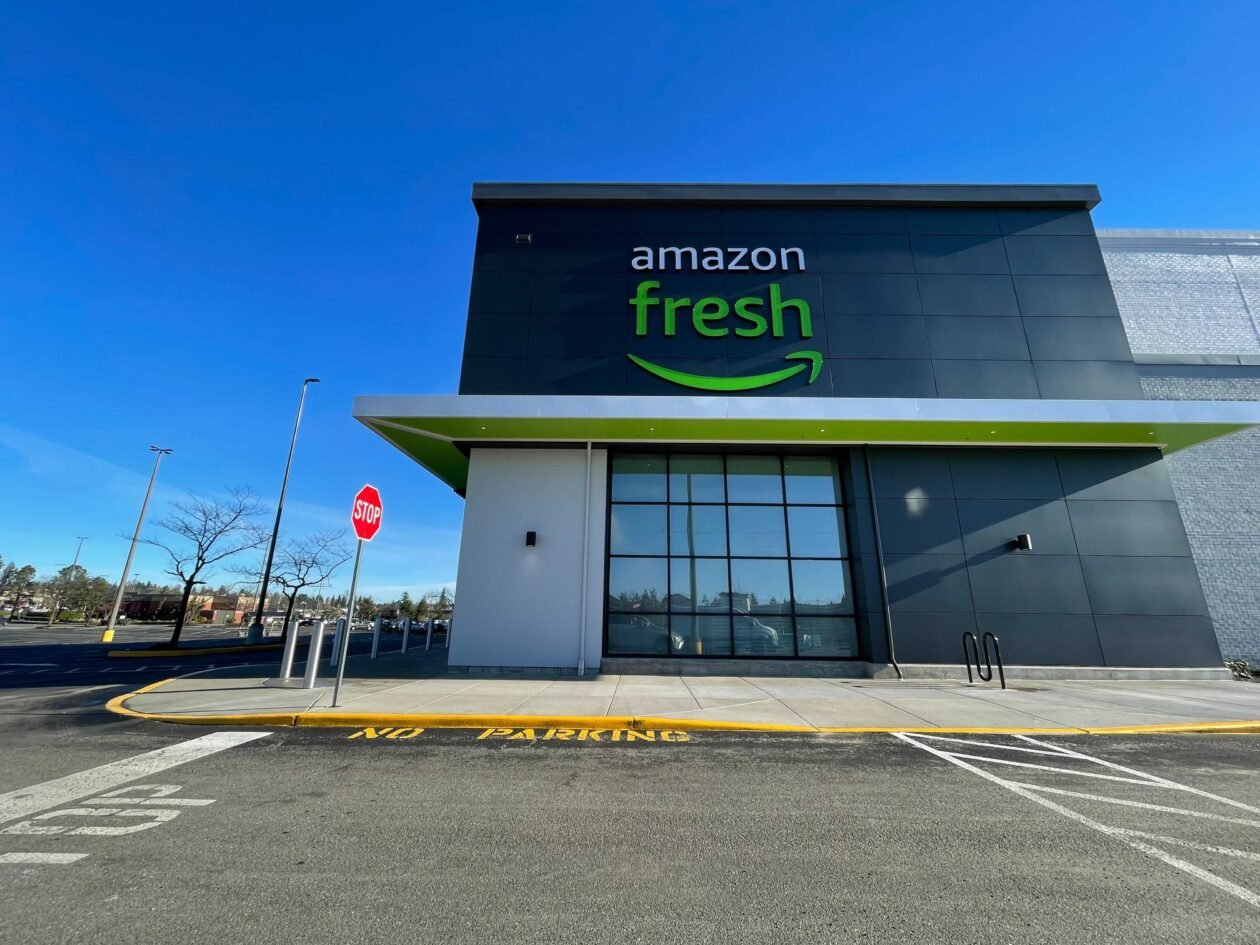
Amazon has announced the decision to shut down all of its Amazon Go and Amazon Fresh stores across the United States. This strategic move, disclosed via a notice filed with the Washington State Employment Security Department, will result in the loss of approximately 400 jobs in Washington state alone. The news underscores Amazon’s ongoing reorientation of its physical retail footprint, emphasizing efficiency and profitability in a retail landscape that has seen rapid shifts since the company first introduced its cashierless and grocery-focused concepts.
Amazon Go stores are known for their automated shopping experiences, which rely on computer vision, sensor technology, and smart carts to enable customers to pick items and leave without going through a traditional checkout line. Amazon Fresh stores, part of the grocery segment, offer a broader assortment of groceries and prepared foods, integrating digital features and convenience-oriented layouts. The closures mark a significant scale-back of Amazon’s brick-and-mortar experiments, moving away from some formats that previously represented the company’s ambition to blend e-commerce with physical retail.
The employment security filing confirms the scope of the workforce impact within Washington, a state that has been home to several of Amazon’s Go and Fresh locations. The precise timing for layoffs and the distribution of affected workers across the state were not detailed in the public filing, but the total number reflects the nationwide plan to discontinue these store formats.
This development arrives amid a broader context of retailer consolidation and strategic refocusing by major tech-driven firms at a time when consumer shopping patterns continue to evolve. While the closures eliminate roles tied to Go and Fresh locations, Amazon may pursue continued investment in other formats, including conventional physical stores under different branding or enhancements to its online shopping, fulfillment, and delivery networks.
In-Depth Analysis
The decision to shutter Amazon Go and Amazon Fresh stores is a notable pivot in Amazon’s multi-channel retail strategy. Amazon Go’s cashierless model was introduced as a way to streamline the checkout experience and reduce labor costs associated with traditional store staffing. Amazon Fresh, which blends traditional grocery shopping with digital conveniences and inventory management, represents Amazon’s attempt to integrate online and offline shopping in a comprehensive way. The combined closure of both concepts signals a strategic retreat from certain experiment-driven formats that did not meet the company’s long-term profitability or scalability goals.
From a labor perspective, the elimination of approximately 400 jobs in Washington highlights how changes in store formats can translate into localized employment impacts. Washington state has been a hub for Amazon’s physical retail presence, with Go and Fresh locations contributing to the job ecosystem in urban and suburban communities. The layoffs will require affected workers to navigate transition options, including severance, potential redeployment within Amazon’s other operations, or external opportunities in retail, logistics, or service sectors. The distribution of job losses within the state will depend on where Go and Fresh stores were located, the tenure of employees, and the terms of their employment agreements and severance packages.
Economically, the closures reflect broader industry pressures on brick-and-mortar grocery and convenience formats. Even as online shopping continues to grow, consumer expectations for quick, convenient, and omnichannel experiences persist. Firms in this space continually recalibrate by scaling up or down store footprints, adjusting product assortments, optimizing labor models, and exploring new formats. For Amazon, the decision to consolidate or exit certain store concepts may free capital for investments in other growth areas, such as improved fulfillment networks, standardized convenience stores, or enhanced digital shopping tools that complement the company’s core strengths.
The public filing with the Washington State Employment Security Department provides a formal, traceable record of the workforce impact. Such notices are typically required by state labor and unemployment agencies whenever employers intend to terminate a defined number of employees due to business closures or significant operational changes. The absence of a store-by-store breakdown in the initial report does not diminish the total impact; it simply means the information is being reported at a company-wide level rather than by individual location. Labor departments often coordinate with employers to ensure that workers receive information about severance, benefits continuation, unemployment insurance, and potential retraining programs.
From a consumer standpoint, the closures will alter the availability of Go and Fresh formats in Washington and across the country. Customers who relied on cashierless technology or the specific grocery selections offered by Fresh stores may need to adapt by shopping at other Amazon formats, such as Whole Foods Market locations, or by using Amazon’s online grocery and delivery services. For communities with Go or Fresh locations, the closures could influence foot traffic, neighboring businesses, and the local economy, particularly if the stores served as convenient hubs for daily errands.
The broader strategic implications for Amazon include how the company allocates resources across its physical formats. The closures could represent a shift away from experimentation-heavy approaches toward a more focused set of store concepts that deliver sustainable profitability. It may also reflect a realignment of capital toward digital infrastructure, such as Amazon’s fulfillment network, Prime ecosystem enhancements, and technology-enabled shopping experiences that can scale more predictably. The company may pursue new pilot programs in different regions or test variations of store concepts that align more closely with its long-term profitability targets.
Additionally, labor implications extend beyond direct layoffs. The ripple effects may influence related roles, such as local service providers, contractors, and suppliers that supported the closed locations. Community organizations and policymakers may watch how Amazon manages the transition for affected workers, including retraining initiatives, job placement services, and potential incentives to attract or retain talent in the region. The closures also invite scrutiny about the efficiency and resilience of the company’s store formats, the adaptability of the retail workforce, and the broader health of the retail sector in the wake of ongoing e-commerce competition.
Perspectives and Impact
- For workers: The immediate concern centers on job loss and financial uncertainty. Affected employees will need access to severance packages, unemployment benefits, and potential retraining opportunities to re-enter the job market. The effectiveness of these measures can influence workers’ ability to secure new roles quickly, particularly in a regional job market that may be affected by broader economic conditions.

*圖片來源:Unsplash*
For communities: Local economies could experience short-term disruption, especially in neighborhoods where Go and Fresh stores were central to daily routines. Reduced foot traffic can affect nearby independent retailers and service providers who relied on spillover from store traffic. Conversely, some communities may benefit from renegotiated commercial space or opportunities for new tenants to repurpose vacated storefronts.
For Amazon: The closures signal a strategic recalibration of its physical retail footprint. The company may be reallocating capital toward higher-potential formats, logistics efficiency, and technology-driven shopping experiences. The move could influence investor perception of Amazon’s ability to manage a portfolio of storefront concepts while maintaining profitability across its retail ecosystem.
For the broader retail sector: The decision illustrates the ongoing experimentation within large retailers as they balance e-commerce growth with the economics of operating brick-and-mortar stores. Competitors may reevaluate their own store portfolios, labor models, and investments in automation, digital integration, and omnichannel capabilities in response to shifting consumer preferences and cost structures.
For policymakers and analysts: The layoffs raise questions about labor resilience, mobility, and retraining infrastructure. Stakeholders may scrutinize how unemployment systems, workforce development programs, and regional economic initiatives can support workers transitioning between sectors or roles in a rapidly evolving retail landscape.
For technology and automation discourse: Amazon’s cashierless and automated shopping concepts have sparked broader debates about the future of work in retail. As stores evolve or exit certain formats, discussions about the balance between automation, human labor, and customer experience continue to shape policy, business strategy, and workforce development.
Key Takeaways
Main Points:
– Amazon will close all Amazon Go and Amazon Fresh stores nationwide.
– Approximately 400 jobs will be eliminated in Washington state as a result.
– The closures reflect a strategic shift in Amazon’s physical retail portfolio and emphasis on profitability and scalability.
Areas of Concern:
– The impact on workers and local communities, including severance and retraining needs.
– The broader implications for employment in retail and for consumers who relied on these formats.
– The potential effect on Amazon’s public image and investor sentiment regarding its store strategy.
Summary and Recommendations
The decision to shutter Amazon Go and Amazon Fresh stores represents a significant reconfiguration of Amazon’s brick-and-mortar approach. With roughly 400 Washington state jobs affected, the move underscores the challenges of sustaining experimental store formats within a rapidly changing retail landscape. For workers, timely access to severance, unemployment benefits, and retraining opportunities will be crucial to easing the transition. Communities hosting former Go and Fresh locations may seek to attract alternative tenants and support local economic vitality through redevelopment or incentives.
For Amazon, the closures may free capital and managerial bandwidth to invest in store concepts and services with clearer pathways to profitability and scale. The company could benefit from transparent communications about its strategic rationale, timelines for workforce transitions, and the availability of internal redeployment or external job assistance programs. Policymakers and industry observers should monitor how the company supports workers during the transition and how these moves influence local labor markets and consumer access to essential goods.
In the longer term, the retail sector may continue to recalibrate as other formats and platforms mature. The experience from these closures may inform future experimentation, guiding retailers to develop models that balance automation, customer experience, and human labor costs more effectively. Stakeholders—employees, communities, policymakers, and industry analysts—should collaborate to translate this disruption into constructive workforce development and economic resilience.
References
- Original: https://www.geekwire.com/2026/filing-amazon-fresh-and-go-closures-will-eliminate-about-400-jobs-in-washington-state/
- Additional reference 1
- Additional reference 2
- Additional reference 3
Note: The article above maintains a neutral, informative tone and adheres to the facts presented in the original filing, while expanding context and analysis to provide a comprehensive, readable overview of the closures and their implications.

*圖片來源:Unsplash*