TLDR
• Core Points: Create a balanced gallery wall by planning layout, selecting cohesive frames, mixing art types thoughtfully, and fine-tuning spacing and alignment to achieve a curated look without a designer.
• Main Content: A practical guide to assembling a gallery wall using a structured planning process, a cohesive visual language, varied artwork, and precise hanging techniques.
• Key Insights: Consistency in frame style, thoughtful spacing, and a mix of scales and mediums produce a polished result; customization is accessible with careful preparation.
• Considerations: Wall space, room lighting, and the desired mood influence choices; avoid overloading small walls and consider temporary layouts before committing.
• Recommended Actions: Sketch a layout, gather frames and art, mark hanging points, hang with proper tools, and adjust for balance and rhythm.
Content Overview
Gallery walls have long been a stylish and versatile way to inject character and personality into any room. Rather than relying on a designer, you can achieve a polished, curated look by following a methodical approach. The key is not simply filling space, but orchestrating a composition that feels intentional and harmonious. This guide walks you through planning, selecting art and frames, arranging the layout, and executing the installation with confidence.
First, assess the space. Measure the wall dimensions, note lighting conditions, and consider how the gallery wall will relate to surrounding furniture and architectural features. A gallery wall can act as a focal point—above a sofa, along a hallway, or in a dining area—or it can function as a supportive backdrop that ties together color and texture in a room. Understanding the function of the wall helps determine scale, spacing, and the number of pieces you’ll include.
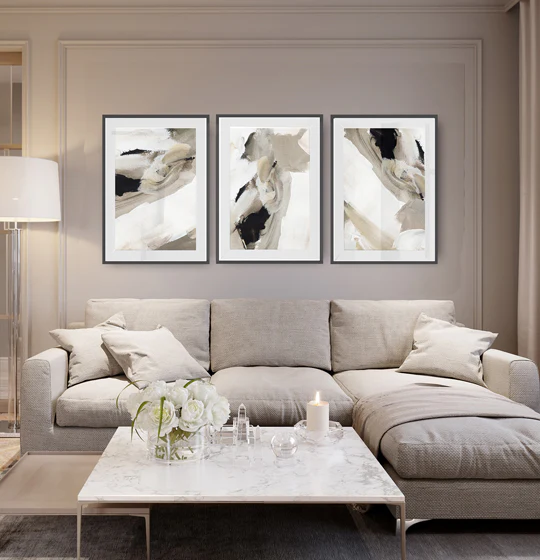
Next, establish a unifying visual language. Cohesion is achieved through consistent frame materials or finishes, a related color palette, and a mix of art types that share a common mood. For example, you might pair black-and-white photographs with botanical prints in matching frames, or combine abstract canvases with archival photographs in wood frames that share a similar tone. The goal is to create a sense of belonging among diverse works, rather than a random assortment.
Selecting art and frames requires a blend of personal taste and practical considerations. Start by collecting a few anchor pieces—one or two larger works with a clear presence—then add supporting pieces that complement them in scale and color. Frames should enhance the art without overpowering it. If you’re unsure about frame consistency, a straightforward approach is to choose frames within the same family (for instance, all black metal or all matte wood) and vary the matting or border width to create visual interest.
An essential aspect of planning is the layout. A successful gallery wall sits well on the wall and feels balanced from edge to edge. A common method is to lay out the works on the floor before hanging, using carboards or paper cutouts the same size as each piece to simulate their footprint. Create a grid or an intentional grid-free arrangement depending on the wall shape and your style. For grid-like compositions, align the centers and maintain consistent gaps between frames—keeping the spaces between 2 to 4 inches is a practical starting point. For more organic configurations, mix shapes and sizes while preserving an overall rhythm: larger pieces anchor the arrangement, medium pieces fill gaps, and smaller pieces add nuance. Finally, consider the vertical alignment. You may choose a single central axis or an offset arrangement that adds dynamism without feeling chaotic.
When preparing to hang, invest in proper hardware and tools. Picture-hanging hardware should correspond to wall type—masonry, drywall, or plaster—and be rated for the weight of each frame. Use a level to ensure frames are perfectly straight, and consider a two-hook or rail system for heavier pieces to distribute weight evenly. For added flexibility, consider picture-hanging strips for lightweight frames if you’re renting or prefer a damage-minimizing approach. If you’re working with canvases or gilt frames, padding and protection are important during installation to prevent scuffing.
Finally, a curated gallery wall is a living design element. It’s okay to revise the arrangement after stepping back and viewing the wall in different lighting conditions, as natural daylight shifts color perception throughout the day. If you’re unsure, photograph the layout at different times to compare; this can reveal subtle misalignments or imbalances you might not notice in the moment. The result should feel considered, cohesive, and reflective of your personality—without the need for a designer.
In-Depth Analysis
Creating a gallery wall that reads as curated requires deliberate decisions across several interlinked steps: planning, selection, layout, and installation. Each stage influences the others, and paying attention to details can elevate a DIY project into a sophisticated design feature.
Planning begins with a thorough draft of the wall’s potential. Start by taking precise measurements of height, width, and the distance to adjacent furniture. Note architectural cues such as crown molding, baseboards, outlets, or switches that can constrain piece placement or offer natural anchor points. Consider sightlines from key seating areas or doorways; the gallery should be visible and legible from primary viewpoints. Lighting plays a critical role as well. If ambient light is strong, you might choose frame colors and glass transparencies that minimize glare. If lighting is limited, layering with picture lights or wall sconces can help ensure the artwork remains legible and engaging.
A unifying visual language anchors the wall. Consistency can be achieved in several ways: uniform frame color or material, matched matting, or a coherent color scheme across the artworks. This coherence helps disparate works feel part of a single composition rather than a haphazard collection. At the same time, variety in scale, orientation (portrait vs. landscape), and medium (photography, painting, print, textile) keeps the arrangement interesting. The tension between cohesion and variety is what gives a gallery wall its vitality.
The selection process benefits from a curated approach rather than an accumulation mindset. Start with anchor pieces that will give the wall authority. A pair of larger statements can ground the arrangement, while mid-sized pieces establish rhythm. Smaller items—prints, sketches, or decorative panels—fill gaps and add texture. When choosing color, you might opt for a dominant hue present in your room’s palette or choose artworks that introduce a complementary accent. If your space features bold furniture or walls with strong color, more subdued artwork can prevent the wall from feeling overwhelmed. Conversely, in a room with a quiet backdrop, you can use bolder pieces to create focal points and energy.
Framing choices are not merely decorative; they influence perceived weight and cohesion. Matching frames across the wall can unify any mix of artworks. If you want a more dynamic feel, select frames from a small set of materials (e.g., wood and metal) but in varying finishes and thicknesses. Mattes (the paper border around art) can help control color blooming and provide a consistent boundary, particularly for prints. Glass choices also matter: non-reflective or museum glass reduces glare, which is important in rooms with ample natural light.
Layout decisions often rely on a test run. A floor layout using cutouts or paper versions of the artworks provides a risk-free method to experiment with placement before committing to nails and hooks. A grid configuration—equal spacing with precise alignments—works well in narrow hallways or above a sofa where symmetry is desirable. An organic configuration embraces asymmetry, using a central anchor and radiating downsizing pieces to create a museum-like vibe. The spacing rule of thumb—2 to 4 inches between frames—serves as a starting point, but you may adjust based on the wall’s dimensions and the rhythm you want to achieve. Larger walls may support wider gaps to avoid visual busyness, while smaller walls may benefit from closer spacing to create a cohesive unit.
Hanging technique is where planning meets execution. Ensure each frame’s weight is supported by appropriate hardware. For brick or concrete walls, masonry anchors are necessary; for drywall, you can use picture-hanging hooks or wire with a stud anchor for heavier frames. A common approach is to hang frames with two points, such as two hooks or a wire and two hooks, to prevent tilting. A level should be used at each step to confirm horizontal alignment, and a measurement system—like a leash or laser line—can help maintain consistent vertical alignment across the wall. For temporary displays, use removable adhesive picture-strips that won’t damage paint or wallpaper, but test them with the frame’s weight to avoid failure.

*圖片來源:Unsplash*
The end result should feel intentional yet personal. A curated gallery wall doesn’t require expensive artwork; it rewards thoughtful curation and precise installation. The effect comes from a sense of balance, rhythm, and a careful blend of pieces that speak to your home’s style. If you’re working within a rental or multi-tenant environment, consider reversible hanging options to preserve walls for future tenants, and ensure you respect any building guidelines regarding nails and wall modifications.
Over time, your gallery wall can evolve. As your tastes shift or you acquire new pieces, you can adjust the layout by swapping out or re framing items, or by adding new elements to complement existing ones. This adaptability makes a gallery wall a living design element within a home, able to reflect seasons, events, or changing moods without requiring a complete redesign.
Perspectives and Impact
The appeal of gallery walls lies in their ability to transform a space with a personal touch while remaining adaptable to different interiors and budgets. By following a structured approach, homeowners can achieve a professional-looking result without professional intervention. This democratization of interior design supports creativity and encourages experimentation, allowing people to practice artful curation in a practical, accessible way.
In terms of impact, a thoughtfully composed gallery wall can influence how a room is perceived. It can elongate a wall, create a sense of height, or anchor furniture arrangements. It can also frame conversations, becoming a focal point that guides the rhythm of a room’s activities. The choice of artworks—whether photographs, paintings, prints, or mixed media—can set the emotional tone, from serene and contemplative to bold and energetic. The framing and spacing choices reinforce that tone, making the wall feel cohesive rather than chaotic.
Future implications point toward more flexible display systems. As consumers seek to personalize spaces, modular gallery systems and lightweight, easy-to-hang frames will likely become more prevalent. Digital previews and mobile apps that help visualize layouts before committing to nails may gain traction, offering virtual staging to preview how a gallery wall will read in real life. Pamphlets and tutorials that emphasize scale, proportion, and rhythm will remain valuable, helping people refine their taste and develop a confident, hands-on approach to interior decoration.
Cultural considerations also come into play. Galleries and collectors often emphasize curation as a disciplined practice; homeowners adopting this method may bring those principles into a domestic setting, democratizing aesthetics while maintaining respect for art and craft. The ability to combine personal photographs with museum prints or affordable art enables a broader audience to curate spaces that feel meaningful without overspending.
Education and accessibility are likely to grow as more people learn to balance aesthetics with practicality. Clear guidance on layout strategies, framing options, and installation methods helps demystify the process. As a result, more households can achieve environments that feel thoughtfully designed, supporting wellbeing and comfort through better visual organization and intentional spaces.
Key Takeaways
Main Points:
– Plan the wall space carefully by measuring and considering sightlines, lighting, and furniture relationships.
– Create a cohesive visual language through frames, matting, and color palettes, while allowing for variety in scale and medium.
– Use a floor or paper mockup to test layouts before hanging, maintaining balanced spacing and alignment.
– Invest in proper hanging hardware and precise techniques to ensure stability and a polished finish.
Areas of Concern:
– Overcrowding a wall or choosing mismatched scales can create visual chaos.
– Inadequate lighting or glare may diminish the impact of the artworks.
– Improper hanging methods can lead to frame damage or wall damage, especially on rental properties.
Summary and Recommendations
A gallery wall can be the shining centerpiece of a room, conveying personality and sophistication without professional help. The key lies in thoughtful planning, a cohesive yet flexible design language, and precise execution. Start with an assessment of the wall and its context within the room, then select anchor pieces and supporting works that share a unifying mood. Decide on a layout—grid or organic—and lay out the pieces on the floor or on cutouts to visualize the composition. When ready, install using appropriate hardware, ensuring stable support and level alignment. Finally, review the arrangement in different lighting and be prepared to adjust for balance and rhythm. With patience and attention to detail, you can achieve a curated gallery wall that elevates a space while reflecting your personal aesthetic.
In practice, this approach makes high-end styling accessible to everyday spaces. It encourages experimentation, reduces reliance on professionals, and invites ongoing curation as your collection grows. Whether you’re refreshing a living room, hallway, or entryway, a well-planned gallery wall can transform a wall into a narrative that speaks to you and your guests.
References
- Original: https://abeautifulspace.co.uk/how-to-build-a-gallery-wall-that-looks-curated-without-hiring-a-designer/
- Additional references:
- How to Create a Gallery Wall That Looks Curated (Architectural Digest)
- Gallery Wall Ideas: 20 Creative Arrangements (Better Homes & Gardens)
- The Art of Hanging: Tips for Picture Framing and Wall Displays (Apartment Therapy)
Forbidden:
– No thinking process or “Thinking…” markers
– Article must start with “## TLDR”
Note: This rewritten article preserves the practical guidance while expanding on planning, selection, layout, and installation with an academic but accessible tone.

*圖片來源:Unsplash*