TLDR
• Core Points: Tesla plans to discontinue the Model S and Model X to concentrate resources on robotics and AI-driven initiatives, signaling a strategic pivot beyond luxury electric vehicles.
• Main Content: The move ends a pivotal era for Tesla’s premium lineup, shifting emphasis toward automation, robotaxis, and potential humanoid robotics development.
• Key Insights: The decision reflects a broader strategic realignment, balancing steady EV demand with ambitious robotics goals and cost-management considerations.
• Considerations: Implications for brand heritage, remaining vehicle lineup, service networks, and investor expectations require careful navigation.
• Recommended Actions: Stakeholders should monitor execution benchmarks, product roadmap clarity, and progress in robotics programs alongside maintaining customer trust.
Content Overview
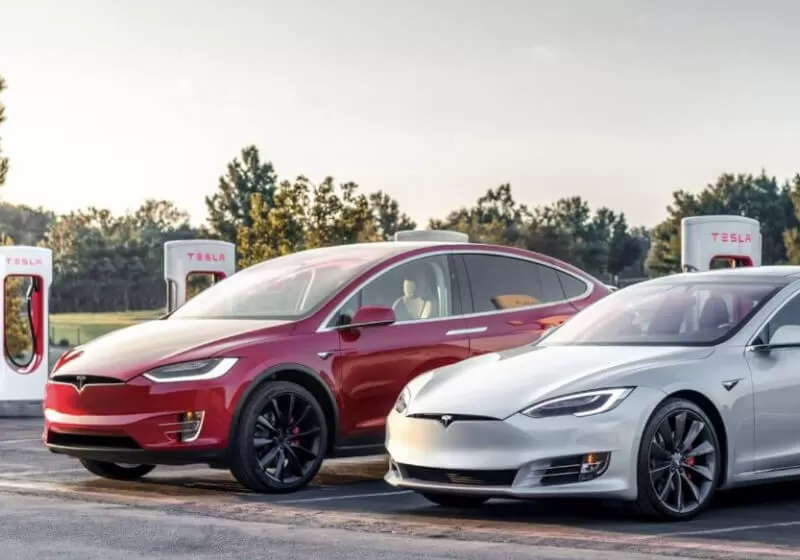
Tesla’s decision to phase out the Model S and Model X marks a notable turning point in the company’s trajectory. Introduced as emblematic of Tesla’s foray into premium electric mobility, the Model S debuted in 2012, followed by the Model X in 2015. These vehicles defined the luxury electric segment with high-performance capabilities, advanced technology suites, and distinctive design language. Over the years, they served as flagships for Tesla, illustrating the company’s engineering ambition and its promise of a future where electric propulsion, autonomous features, and over-the-air software updates reshape the traditional automotive experience.
The move to discontinue these models signals a strategic pivot from merely expanding a premium EV lineup toward reallocating resources—capital, engineering talent, and supplier relationships—toward broader ambitions in automation and robotics. Tesla has publicly framed its focus on creating scalable robot-centric capabilities, including potential applications like robotic assistants and autonomous systems that extend beyond personal vehicles. This realignment comes amid broader industry pressures, including competition in the premium EV space, cost considerations, and the need to manage a complex portfolio of products and projects.
The decision arrives at a time when automakers are increasingly evaluating how to balance core product offerings with longer-term bets in automation and artificial intelligence. Tesla’s leadership has long underscored the importance of one of the company’s core differentiators: a vertically integrated approach to software, hardware, and hardware-software integration. By shifting away from producing two high-end sedans and SUVs, the company could redeploy resources toward scaling its robotics platform, advancing autonomy capabilities, and exploring robotic hardware and software ecosystems that could complement or extend the consumer vehicle business.
This transition also raises questions about the company’s product strategy, service network, and how the brand’s premium identity will be preserved as production capacity and R&D focus shift. While the Model S and Model X have completed cycles of updates and feature enhancements over the years, consumer expectations, residual value, and the aftermarket ecosystem will need careful management to maintain confidence in Tesla’s broader roadmap.
The broader context includes ongoing developments in autonomous driving technology, energy storage solutions, and potential new categories that Tesla has signaled—without fully detailing—will become central to its business model. Investors and industry observers will be watching for how the robotics initiative progresses, the timelines involved, and how such an emphasis intersects with existing and future products and services.
In-Depth Analysis
Tesla’s decision to phase out the Model S and Model X represents a deliberate recalibration of product emphasis within a portfolio historically anchored by breakthrough electrification and software-defined performance. The Model S, a sedan with a long-standing reputation for range and acceleration, and the Model X, a mid-size SUV known for its distinctive falcon-wing doors and high-tech interior, occupied a niche in Tesla’s lineup as both status symbols and practical long-range options. Their discontinuation, when positioned alongside predictions of expanding robot-centric initiatives, points to a strategy centered on leveraging the company’s strengths in software, AI, power electronics, and manufacturing efficiency to propel a broader robotics agenda.
From a financial and operational viewpoint, reducing the number of high-cost, low-volume flagship vehicles can free up capital, engineering bandwidth, and supplier coordination capacity. The Model S and Model X, with their premium components, unique chassis requirements, and ongoing warranty burdens associated with aging platforms, represent a portion of Tesla’s overall cost structure. Phasing them out could ease production scheduling and allow the company to reallocate resources toward more scalable platforms, including those that align with autonomous and humanoid-robotic ambitions.
The robotics-focused pivot is consistent with public statements and trends observed in the broader tech and automotive sectors. Tesla has highlighted the potential for AI-driven control systems, machine learning optimizations, and new hardware architectures that could extend beyond personal vehicles. The company’s approach to robotics—whether it manifests as an autonomous mobility solution, a robotic assistance platform, or a broader AI-enabled ecosystem—would require significant advancement in perception, manipulation, safety, energy efficiency, and human-robot interaction.
This strategic shift raises several important considerations for product planning and brand management. First, the loss of two flagship models may affect perceived breadth in Tesla’s consumer lineup, particularly among buyers who value premium sedans and high-end SUVs with established market presence. To mitigate this, Tesla would need to clearly articulate how its robotics initiatives integrate with or enhance the core electric vehicle experience, ensuring customers understand the longer-term value proposition. Second, the service network and warranty commitments associated with the existing Model S and Model X will require careful phasing to avoid service disruption or customer confusion. Third, the aftermarket ecosystem—spare parts, accessories, and third-party support—will gradually transition as those platforms exit production, necessitating a plan to support existing owners while continuing to honor future needs.
From a technology perspective, the robotics focus would demand sustained investments in perception systems, navigation and control algorithms, sensor suites, battery efficiency, and edge computing capabilities. As Tesla’s software-centric philosophy emphasizes updates that improve performance and features over time, the robotics program would likely rely on robust simulation environments, real-world data collection, and stringent safety validation to meet regulatory and consumer expectations. The metrics for success will be multi-dimensional: engineering milestones (prototypes and beta tests), safety performance (reductions in failure modes, reliability under diverse conditions), production scale (facility readiness, supply chain stability), and consumer adoption (market interest in robotics-enabled services and products).
The broader technology ecosystem will also influence Tesla’s path. Competitors are accelerating in autonomous driving, robotics, and AI research, while consumer demand for advanced driver-assistance systems and reliability remains strong. The company’s ambitious vision for a robotic future would need to demonstrate not only technical prowess but also clear value propositions—whether through cost savings, enhanced safety, or new capabilities that resonate with a wide audience. Achieving scale in robotics will require partnerships, regulatory alignment across regions, and continuous improvement in hardware-software integration, fault tolerance, and user experience.
Moreover, the decision to wind down the Model S and Model X must be viewed in light of supply chain dynamics, raw material costs, and macroeconomic pressures that affect production planning. The auto industry has faced fluctuating demand, tariff considerations, and the challenge of maintaining efficiency across a diverse product lineup. By concentrating on a more focused product strategy and a robotics orientation, Tesla could streamline its manufacturing footprint, reduce complexity, and improve unit economics. However, such a shift also increases dependence on the success of future robotics products and services, underscoring the importance of transparent communication with customers, investors, and partners about timelines, deliverables, and risk factors.
Tesla’s leadership will also need to address potential workforce implications. Reallocating talent from premium vehicle development toward robotics initiatives can be a strategic gain, but it requires retraining, knowledge transfer, and a clear long-term plan for retaining critical engineers and researchers. The company has historically leveraged its internal software capabilities to differentiate its offerings, a strength that could serve as a foundation for any robotics-centric roadmap. Employee engagement, retention, and cross-functional collaboration will be essential to prevent brain drain and to maintain momentum in both hardware and software domains.

*圖片來源:Unsplash*
Lastly, the environmental and sustainability narrative remains central to Tesla’s brand ethos. While the immediate impact of phasing out the Model S and Model X may seem to reduce the number of high-end EV offerings in the short term, the longer-term focus on robotics and automation could contribute to broader societal benefits through more efficient manufacturing processes, safer autonomous systems, and the potential development of robotic solutions that improve energy management, logistics, and industrial efficiency.
Perspectives and Impact
Industry analysts are weighing the implications of Tesla’s strategic pivot. On one hand, the company’s move can be interpreted as a disciplined recalibration of priorities—shifting away from a broad high-end vehicle lineup toward a future-oriented robotics program that may unlock scalable, cross-domain applications. This aligns with a narrative in which Tesla leverages its software-first approach, sensor fusion, and AI capabilities to pursue innovation beyond automotive confines. The decision could also be seen as a recognition that a single automaker cannot solely rely on premium EV sales to drive long-term growth if attention and capital are stretched across multiple high-cost programs.
From a customer standpoint, owners of the Model S and Model X will be affected by the discontinuation timeline, service support, and ongoing opportunities for software updates and feature enhancements. Tesla’s communication strategy around these owners’ transition will be critical to maintaining brand trust and ensuring a smooth handover to new or revised product offerings. For potential buyers considering these models, the decision may influence perceived resale value, availability of parts, and the anticipated pace of future updates. Tesla may need to provide compelling incentives or transition plans to minimize customer friction.
Investors will be scrutinizing how the robotics initiative translates into concrete profitability. The financial markets typically demand clarity on timelines, capital allocation, expected returns, and risk management. While robotics projects can offer substantial long-term upside, they may also entail extended development cycles and high upfront costs. Tesla’s ability to demonstrate a credible path to revenue through robotics-enabled products or services will be a key determinant of investor sentiment. The company’s existing ecosystem—ranging from its energy storage products to its vehicle software platforms—could serve as a springboard for broader AI-driven services if integrated thoughtfully with robotics hardware.
The broader automotive landscape is watching for how competitors respond. Other automakers are expanding their own autonomous capabilities and exploring robotics-related ventures, sometimes in collaboration with tech firms. Tesla’s emphasis on integration between hardware and software, along with its experience in scalability and manufacturing, could provide an advantage if successfully executed. However, critics may question whether the robotics roadmap diversifies focus away from delivering tangible improvements to the current EV lineup, including range, charging infrastructure, reliability, and cost reductions.
Policy and regulatory considerations will shape the pace at which robotics initiatives can advance. Safety standards, testing protocols, and liability frameworks differ across jurisdictions, and progress in robotics often relies on regulatory approvals and public acceptance. Tesla will need to navigate these complexities while maintaining a transparent, data-driven approach to demonstrate safety and efficacy. Public perception of robotic technologies and automation also influences adoption rates, with potential societal benefits and concerns about job displacement or ethical use of autonomous systems.
In summary, the phase-out of the Model S and Model X serves as a clarifying moment for Tesla’s strategic ambitions. If executed with clarity, strong governance, and sustained investment, the shift could catalyze breakthroughs in robotics and AI that transcend traditional automotive applications. The coming years will reveal whether Tesla’s robotics-centric vision can translate into meaningful products and services that resonate with customers, investors, and the broader tech ecosystem.
Key Takeaways
Main Points:
– Tesla is discontinuing the Model S and Model X to prioritize robotics initiatives and AI-driven development.
– The move signals a strategic shift from maintaining a broad premium EV lineup to investing in scalable robotics platforms.
– Execution risk includes maintaining brand value, customer trust, and regulatory-compliant progress while pursuing long-term robotics goals.
Areas of Concern:
– Potential impacts on brand heritage and resale value of discontinued models.
– Customer service continuity and parts availability for existing owners.
– The challenge of delivering measurable returns from robotics programs within traditional automotive timelines.
Summary and Recommendations
Tesla’s decision to phase out the Model S and Model X reflects a strategic pivot toward robotics and automation, aiming to leverage its strengths in software, AI, and vertically integrated engineering. While this move concentrates resources on ambitious future capabilities, it also introduces short- to medium-term concerns about brand breadth, customer continuity, and investor clarity. To maximize positive outcomes, Tesla should prioritize transparent communication with customers about discontinuations, provide clear transition plans and incentives for existing owners, and articulate a credible roadmap for its robotics initiatives, including timelines and expected milestones. Careful management of manufacturing, supply chains, and regulatory engagement will be critical as the company reallocates resources and talent. If the robotics program demonstrates tangible progress and cross-domain value, the long-term payoff could redefine Tesla’s role in both automotive and robotics ecosystems.
References
- Original: https://www.techspot.com/news/111116-tesla-phase-out-model-s-x-can-focus.html
- Additional references:
- https://www.tesla.com
- https://www.theverge.com/tesla
- https://www.reuters.com/technology/tesla-robotics-vision-2024
Forbidden:
– No thinking process or “Thinking…” markers
– Article must start with “## TLDR”
Ensure content is original and professional.

*圖片來源:Unsplash*