TLDR
• Core Points: Apple iPhone 16 leads 2025 best-seller list; iPhone 16 Pro Max tops, followed by iPhone 16 Pro; iPhone 17 Pro Max ranks fourth after its September release.
• Main Content: In 2025, Apple secured seven of the top ten best-selling smartphones, led by the iPhone 16 family, with the Pro Max variant achieving the strongest sales even after its late-year debut.
• Key Insights: Strong performance across the iPhone 16 lineup highlights sustained demand for premium models and annual upgrades; release timing can still yield high sales for flagship variants.
• Considerations: Market share distribution among iPhone models suggests ongoing consumer preference for larger or high-end configurations; competition and supply chains influenced year-end performance.
• Recommended Actions: Manufacturers and retailers should align inventory and marketing focus around the most popular configurations and upcoming releases to maximize sales momentum.
Content Overview
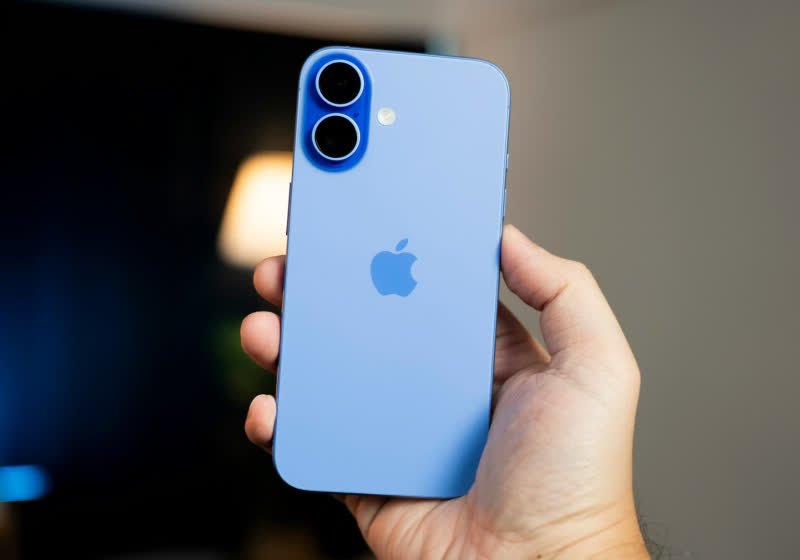
The year 2025 reinforced Apple’s enduring strength in the highly competitive smartphone market. An industry analysis of global sales reveals that Apple secured seven of the top ten positions among the best-selling smartphones for the year. The lineup that dominated the list was led by the iPhone 16, which claimed the top position by a wide margin, underscoring strong consumer demand for Apple’s latest generation following the familiar annual update cycle.
Trailing close behind was the iPhone 16 Pro Max, which captured the second spot. Its success was notable because it narrowly outpaced the standard iPhone 16 Pro, indicating that consumers continued to favor larger, high-end configurations within the iPhone 16 family. The continued popularity of the Pro Max variant aligns with broader market trends that show an appetite for larger screens and advanced camera systems in flagship devices.
A significant late-year competitor in the top tier was the iPhone 17 Pro Max. Despite arriving later in the year (September), it managed to secure the fourth best-selling position for 2025, illustrating Apple’s momentum during the annual product cycle and the potential for late introductions to achieve high sales volumes when released late in the calendar year.
This performance underscores Apple’s strategy of offering a broad spectrum of devices within a single generation, catering to different consumer preferences across price points and features. It also highlights the ongoing strength of the iPhone ecosystem, where even mid-to-late life-cycle models can achieve substantial sales volumes due to brand loyalty, perceived value, and integrated services.
The broader landscape of smartphone sales in 2025 continued to be shaped by premium devices, with several iPhone variants performing strongly in the upper tiers. While the iPhone 16 family dominated the top spots, other brands and models maintained competition in the mid-range and entry-level segments, reflecting a diversified market where price sensitivity and feature sets drive consumer decisions.
Overall, the year demonstrated that Apple’s product cadence—introducing incremental improvements across its flagship lines and offering several configurations to appeal to a wide audience—remains effective in driving market share and consumer interest. The ability of later- in- year launches to achieve notable sales also suggests a robust pipeline and strong brand momentum heading into the next cycle.
In-Depth Analysis
The 2025 smartphone market showcased a notable concentration of sales within Apple’s iPhone family, particularly the iPhone 16 line. The top position occupied by the iPhone 16 indicates that incremental yearly upgrades continue to resonate with a broad base of users who value performance, camera capabilities, and software experience. The iPhone 16 Pro Max’s performance, securing second place, suggests that fans of larger display experiences and enhanced photography features are willing to invest in higher-end configurations within the same generation.
The fact that the standard iPhone 16 Pro contended closely with the Pro Max for the second slot reflects a broader consumer preference for premium features without necessarily opting for the largest device. It also implies that screen size and camera system improvements, coupled with price considerations, drive purchase decisions even within the premium tier. This dynamic is consistent with market patterns where users weigh display real estate and photographic capabilities against device heft and cost.
Apple’s year culminated with the iPhone 17 Pro Max, which, despite its September launch, secured the fourth-best position among all smartphones in 2025. This outcome illustrates the company’s ability to maintain sales momentum across the current generation’s product cycle while also leveraging the excitement and perceived value associated with new releases. The Pro Max variant’s success—despite a delayed entry—highlights several factors: the continued appeal of flagship camera systems, refined performance, and the reliability of Apple’s ecosystem in driving upgrades even late in the year.
Beyond Apple, the top-selling list for 2025 typically features a mix of high-end and mid-range devices from competing brands, but Apple’s seven entries in the top ten signal a distinctive market dynamic: brand loyalty, software integration, and a comprehensive services ecosystem continue to influence consumer decisions at scale. While iPhones accounted for a substantial share of top-tier sales, other manufacturers maintain presence in the broader top ten, reflecting ongoing competition and diversification in consumer preferences, price sensitivity, and regional differences.
The seasonal release cadence appears to continue shaping buyer behavior. Launches in September or late autumn tend to capture holiday-season demand and stimulate late-year upgrades. For Apple, this means that even as previous generation devices remain in circulation and after-sales support remains robust, shoppers respond to the promise of improved cameras, faster performance, better displays, and longer software support—factors that justify upgrading to a new model within the same family or from a competing brand.
From a business perspective, maintaining seven of the top ten slots underscores the effectiveness of Apple’s product roadmap, marketing, and distribution strategies. It suggests that Apple successfully balances innovation with operational execution, including supply chain management, pricing strategies, and channel partnerships. The impact of this performance extends to investor sentiment, retail forecasting, and the broader perception of Apple’s leadership in premium smartphones.

*圖片來源:Unsplash*
The data also invites consideration of consumer behavior patterns in 2025. Despite rising interest in mid-range devices and emerging competitors in various markets, a consistent preference for the iPhone 16 family demonstrates that many users value a blend of performance, camera capabilities, ecosystem advantages, and long-term software updates. This combination often outweighs price considerations for a substantial segment of customers, reinforcing the value proposition of Apple’s flagship hardware strategy.
Looking ahead, the implications for the upcoming year include sustained demand for high-end iPhone models, continued interest in larger-screen configurations, and a possible shift in how mid-range devices compete through improvements in value, features, and services. Manufacturers may focus on differentiating through photography capabilities, battery life, and software experiences, while continuing to compete on price and regional availability. The balance between immediate upgrade incentives and longer-term ownership costs will remain a central theme as shoppers evaluate value propositions across brands.
Perspectives and Impact
- Market implications: Apple’s dominance in 2025 highlights a strong preference for premium devices with advanced features, reinforcing a model where annual upgrades and ecosystem lock-in contribute to sustained sales momentum. This trend can influence downstream supply chain decisions, carrier promotions, and retail strategies across regions.
- Consumer behavior: The popularity of the iPhone 16 family indicates that many users value a combination of performance, camera quality, and seamless integration with software services. The willingness to upgrade to Pro or Pro Max variants within the same generation suggests that display size and feature depth remain meaningful differentiators for a broad audience.
- Competitive landscape: While Apple led in top-tier sales, other manufacturers continue to compete aggressively in mid-range segments and regions where price sensitivity is higher. The dynamic underscores the importance of offering compelling value through camera performance, battery life, software experience, and regional availability.
- Innovation trajectory: The September release of the iPhone 17 Pro Max demonstrates that even late-year launches can capture substantial market share when the product delivers meaningful improvements and aligns with consumer expectations for premium experiences. This pattern may influence how competitors schedule launches and how Apple times its own updates.
- Ecosystem considerations: Beyond hardware, the integration of services such as iCloud, Apple Music, and other subscription offerings reinforces customer retention and can magnify the perceived value of upgrading to newer hardware. The software ecosystem remains a critical competitive advantage in the flagship segment.
Future implications include continued emphasis on camera capabilities, processing power, battery efficiency, and display technology as differentiators in a crowded market. Retail and marketing strategies may increasingly highlight the long-term software support and ecosystem benefits as core selling points to sustain demand for premium devices.
Key Takeaways
Main Points:
– Apple claimed seven of the top ten best-selling smartphones in 2025, led by the iPhone 16.
– The iPhone 16 Pro Max secured second place, narrowly ahead of the standard iPhone 16 Pro.
– The iPhone 17 Pro Max, despite a September release, ranked fourth in 2025 sales.
Areas of Concern:
– Dependence on premium device sales may raise questions about affordability and access in price-sensitive markets.
– Market concentration around a single brand’s high-end lineup could invite competitive pressure and pricing scrutiny.
– The influence of supply chain dynamics on year-end performance and regional availability requires ongoing monitoring.
Summary and Recommendations
The 2025 smartphone market reaffirmed Apple’s leadership in premium devices, with seven of the top ten best-selling models belonging to the iPhone family. The iPhone 16 configuration maintained a commanding position, while the Pro Max variant demonstrated that larger screen real estate and advanced camera systems continue to drive upgrades. Even with a later entry, the iPhone 17 Pro Max achieved a high sales standing, underscoring the momentum of Apple’s product cycle and the desirability of flagship models.
For stakeholders, the key takeaway is the enduring value of a well-managed product lineup that offers a spectrum of configurations within a generation. To sustain momentum, manufacturers and retailers should focus on:
– Aligning inventory with the most popular models and configurations, especially within the premium segment.
– Planning marketing and promotions that emphasize display size, camera prowess, performance, and ecosystem benefits.
– Anticipating demand for late-year launches and ensuring robust supply chains to capitalize on holiday-season shopping.
– Monitoring regional variations in demand to tailor pricing, financing options, and carrier partnerships accordingly.
In a landscape where consumers demonstrate strong affinity for premium features and seamless software experiences, Apple’s approach to product cadence, ecosystem integration, and targeted marketing continues to influence purchasing decisions. The continued success of flagship variants, even when released later in the year, signals a resilient consumer appetite for innovation coupled with brand trust.
References
- Original: https://www.techspot.com/news/111121-apple-iphone-captured-seven-top-10-best-selling.html
- Additional sources:
- Public industry sales data and market analysis reports for 2025 smartphone shipments
- Apple product announcements and official press materials related to iPhone 16 and iPhone 17 Pro Max
- Market research summaries detailing premium smartphone demand trends across major regions
Forbidden: No thinking process or “Thinking…” markers. Article begins with “## TLDR”.

*圖片來源:Unsplash*