TLDR
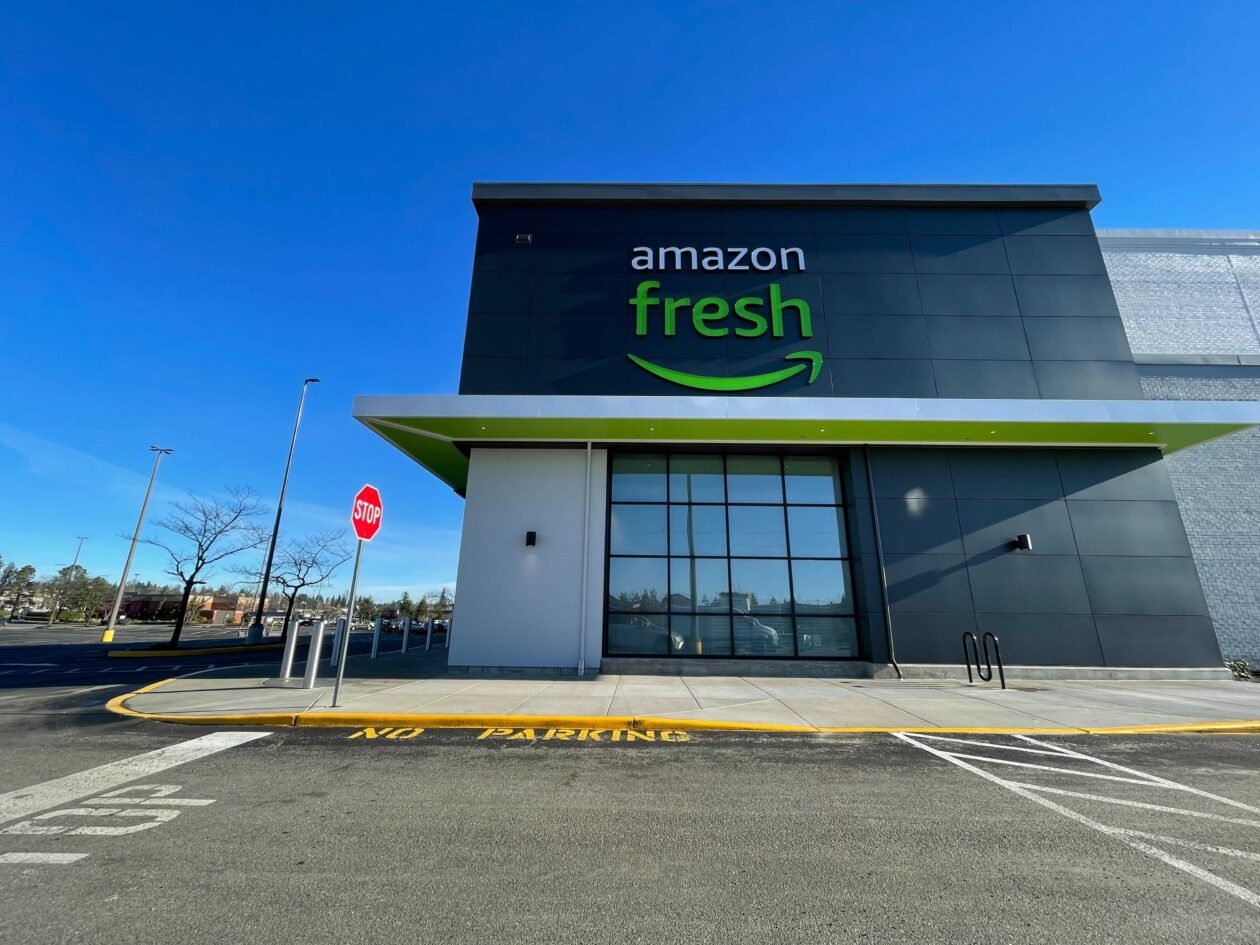
• Core Points: Amazon will close all Amazon Go and Amazon Fresh stores nationwide, resulting in about 400 layoffs in Washington state, per a notice to the state Employment Security Department.
• Main Content: The closures are part of a broader nationwide shutdown of Go and Fresh storefront concepts, affecting staff across multiple locations, with Washington state seeing approximately 400 job losses.
• Key Insights: The disengagement from Go and Fresh reflects a strategic pivot by Amazon amid ongoing retail and logistics adjustments, with potential regional economic impacts in Washington.
• Considerations: Worker transitions, severance, eligibility for unemployment benefits, and potential redeployment or retraining opportunities within Amazon or the broader retail sector require attention.
• Recommended Actions: Monitor state filings for specifics, assist affected employees with job placement resources, and evaluate local economic support programs and hiring trends in the region.
Content Overview
Amazon has announced the closure of all Amazon Go and Amazon Fresh stores across the United States, a move that will impact employees nationwide. In Washington state, the decision translates into the loss of approximately 400 jobs. The company filed a notice with the state Employment Security Department to inform regulators of the layoffs, providing a snapshot of the scope at the state level. This development aligns with Amazon’s broader strategy to recalibrate its physical retail footprint in light of evolving consumer behavior, supply chain considerations, and the competitive retail environment. While Amazon has expanded its online services, this specific shutdown marks a shift away from a subset of its grocery and cashierless store formats. The Washington state figure offers a glimpse into how the nationwide closures will be reflected in local labor markets, potentially affecting related suppliers, service vendors, and the broader retail ecosystem in the region.
In-Depth Analysis
Amazon Go introduced cashierless shopping through advanced computer vision and sensor-based checkout systems, while Amazon Fresh aimed to compete in the grocery space with standard and enhanced selection, sometimes integrating with Amazon’s broader online grocery operations. The decision to close these formats indicates a strategic retreat from certain experimental or niche formats within Amazon’s large portfolio of physical stores. Several factors may be driving this move:
– Performance and profitability: If certain Go and Fresh locations underperformed compared with other Amazon retail formats or online channels, consolidation would be a rational response to optimize capital expenditure and operating costs.
– Operational integration: The rise of Amazon’s automated and convenience-focused shopping experiences could be re-evaluated in the context of cost-to-serve, customer adoption rates, and the complexity of maintaining cashierless hardware and software across locations.
– Competitive landscape: The grocery and quick-service sectors have seen intense competition, shifting consumer preferences, and persistent margin pressures. Amazon may prioritize formats with stronger unit economics or higher potential for integration with Prime membership and online fulfillment networks.
– Strategic realignment: Amazon has historically experimented with multiple formats, including Whole Foods, Amazon Fresh, and Go stores, to test concepts and learn from real-world operations. The closures may reflect a larger strategic pivot toward more scalable or synergistic channels, such as online grocery delivery, third-party logistics, or other physical store formats.
– Impact on Washington’s local economy: The approximately 400 layoffs in Washington state illustrate the direct labor implications at the local level. Washington has been a hub for tech and logistics employment, and job losses in a high-profile retailer can influence regional labor market dynamics, including unemployment claims, consumer spending, and secondary job effects in related sectors.
From a workforce perspective, the immediate concern for affected employees includes accessibility to unemployment benefits, severance terms (if offered), and potential opportunities for internal redeployment within Amazon’s broader operations or other employers in the state. Local workforce development agencies and career transition resources will be essential in facilitating retraining and job placement for workers who may seek to leverage their customer service, operations, or technical skills in adjacent industries.
This announcement is part of a broader trend in retail where large e-commerce players adjust their physical presence in response to cost structures and demand signals. While Amazon continues to invest in some physical infrastructure—fulfillment centers, delivery stations, and select customer-facing formats—the company appears to be recalibrating the balance between store-based formats and online fulfillment capabilities. In the Washington context, the job losses will necessitate collaboration among policymakers, business associations, and workforce development organizations to mitigate economic disruption and support affected workers.
The precise locations and timing of the closures will be clarified through the state’s employment security channels, but the regulatory filing confirms the scope of impact in Washington. As with similar announcements, timing for layoffs may vary by location, with some workers transitioning out over a defined notice period. Employers typically provide severance, continuation of benefits for a period, and transitional assistance; however, the specifics depend on company policy, employee tenure, and applicable state law. Community colleges, vocational training providers, and nonprofit career centers may offer relevant programs to help workers acquire new skills aligned with in-demand local industries, including healthcare, information technology, manufacturing, and transportation.
The broader implications for shoppers and the retail ecosystem include a potential reduction in cashierless and specialty grocery options in certain markets, as well as a shift toward alternative formats, promotions, or partnerships aimed at sustaining customer engagement and loyalty. Amazon’s online grocery services continue to operate, and the company may leverage its Prime ecosystem to reinforce digital shopping advantages, including home delivery, one-click ordering, and integration with other Amazon services. For workers, maintaining a network of connections to employment resources and staying informed about local hiring trends will be crucial in navigating the transition.
Policy considerations could involve state support for workers displaced by large retailers, including unemployment insurance processes, wage replacement, and retraining funding. Governments and economic development agencies often respond to such closures by promoting local hiring incentives, supporting workforce upskilling, and encouraging business investment that preserves or creates jobs in affected regions. The Washington legislature and the state’s labor department may provide additional guidance as workers file for unemployment benefits and seek retraining opportunities.

*圖片來源:Unsplash*
In sum, Amazon’s decision to shutter all Go and Fresh stores across the United States represents a strategic realignment of its physical retail portfolio. The Washington state figure of approximately 400 job losses provides a concrete measure of the human impact within the state, underscoring the need for timely, coordinated responses from government agencies, workforce development partners, and the private sector to assist workers as they transition to new employment opportunities.
Perspectives and Impact
- For affected employees: The layoffs will require rapid access to unemployment benefits and potential severance packages, if offered, along with career transition support. Workers with experience in cashierless technology, store operations, inventory management, and customer service may seek roles in other Amazon units or in competing retailers, logistics firms, or service industries. Developing new skill sets through upskilling programs could expand opportunities in growing sectors such as e-commerce, healthcare, technology, and manufacturing, depending on the region.
- For the Washington economy: A reduction in local retail jobs can have ripple effects, including decreased consumer spending in affected communities and potential short-term demand contractions for local suppliers and service providers tied to the markets where Go and Fresh existed. Conversely, the move could be balanced by continued investment in other Amazon operations and by state and local initiatives designed to attract and retain high-quality employment.
- For the broader retail landscape: The closure of Go and Fresh stores may prompt other retailers to adjust their formats, pricing strategies, and service models. Some competitors could accelerate investments in convenience formats, online ordering integrations, and omnichannel experiences to capture shifting consumer preferences. The trend toward online shopping and automated or semi-automated shopping experiences will continue shaping how retailers plan store networks and labor needs.
- For policy and labor markets: The closures highlight the importance of robust unemployment insurance systems and retraining programs that can respond quickly to large-scale job displacements. Local workforce boards and state agencies will likely collaborate with employers to identify in-demand sectors, design training pathways, and provide placement services to help workers transition with minimal disruption to income and career trajectory.
Key considerations for stakeholders include ensuring transparent communication with impacted employees, offering meaningful severance and benefits where available, and facilitating access to job search resources, retraining opportunities, and networking assistance. Community organizations, educational institutions, and local government agencies can play critical roles in connecting workers with new opportunities and supporting regional economic resilience during and after the transition.
Key Takeaways
Main Points:
– Amazon is closing all Amazon Go and Amazon Fresh stores nationwide.
– Washington state will experience about 400 layoffs as a result of these closures.
– The move reflects a strategic realignment of Amazon’s physical retail footprint and ongoing emphasis on online grocery and other services.
Areas of Concern:
– Potential short-term economic impact on affected workers and local communities.
– Need for effective retraining and placement resources to minimize unemployment duration.
– Implications for local retailers and suppliers connected to the Go and Fresh formats.
Summary and Recommendations
Amazon’s nationwide closures of Amazon Go and Amazon Fresh stores mark a significant shift in its physical retail strategy. In Washington state, the announced layoffs of approximately 400 workers underscore the real-world consequences of corporate portfolio adjustments. To mitigate adverse impacts, collaboration among government agencies, workforce development organizations, and private-sector partners will be essential. Immediate priorities include clarifying the layoff timelines and severance terms, assisting workers with unemployment benefits and job placement, and providing accessible retraining opportunities aligned with in-demand regional industries. Long-term, policymakers and community leaders should monitor employment trends, support workforce resilience, and encourage investments that stabilize local economies while enabling workers to transition into sustainable employment opportunities.
References
- Original: https://www.geekwire.com/2026/filing-amazon-fresh-and-go-closures-will-eliminate-about-400-jobs-in-washington-state/
- Additional references:
- U.S. Department of Labor: Unemployment Insurance program basics and worker transition resources
- Washington State Workforce Training and Education Coordinating Board: Workforce development resources and funding opportunities
- National Retail Federation: Industry trends in store formats, omnichannel retail, and labor market implications

*圖片來源:Unsplash*